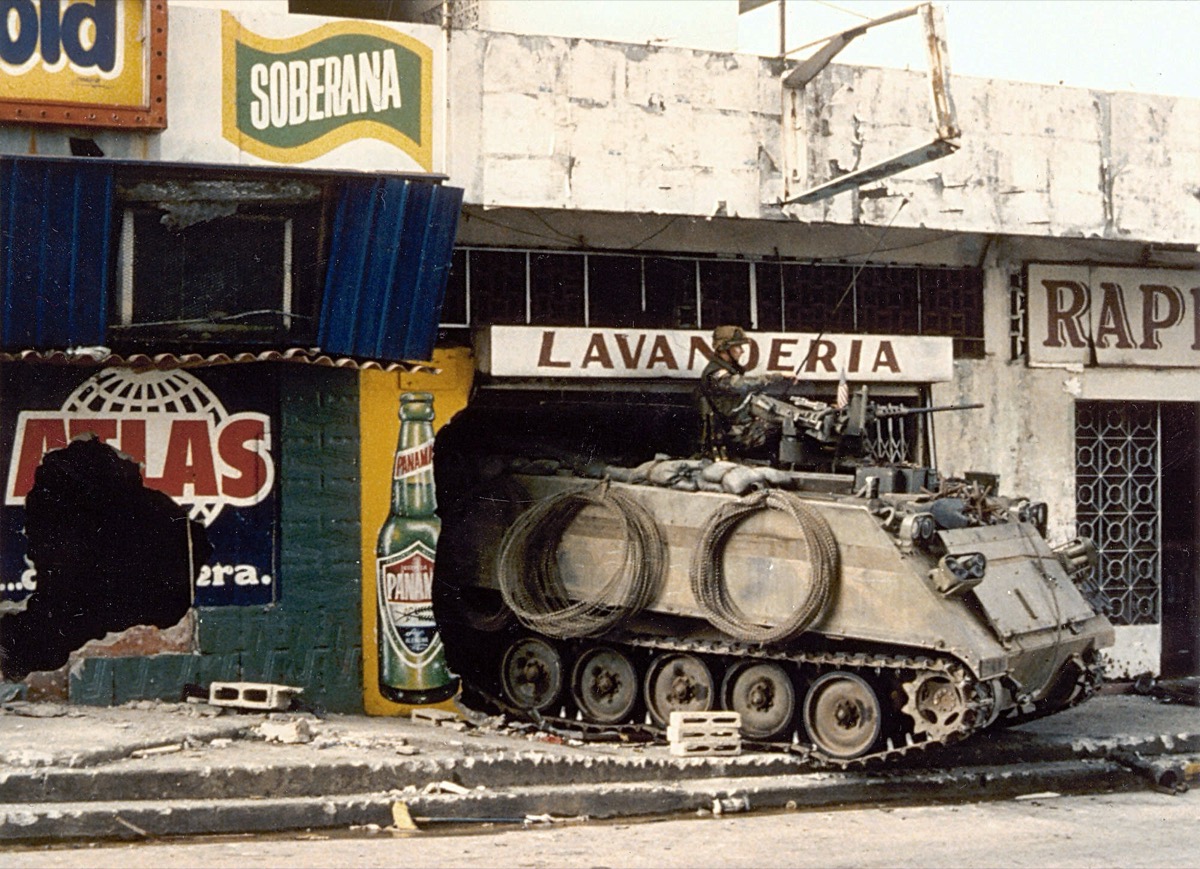
Dirck Halstead was born in 1936 in Huntington, New York, and began his photographic career at an astonishingly young age. At fifteen, he was already selling photographs to local newspapers, and by the time he was seventeen, he had talked his way into covering the Guatemalan revolution of 1954 for United Press International, becoming one of the youngest war correspondents in the history of American journalism. The audacity and resourcefulness that took a teenager to Central America would characterise his entire half-century career — Halstead was a photojournalist who believed that being present at the decisive moment was the most important thing a photographer could do, and he spent his life ensuring that he was.
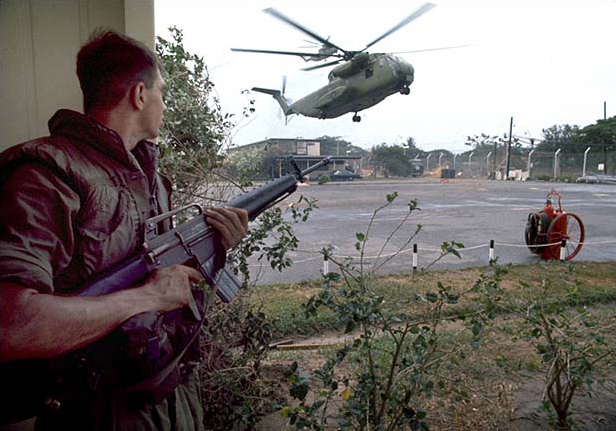
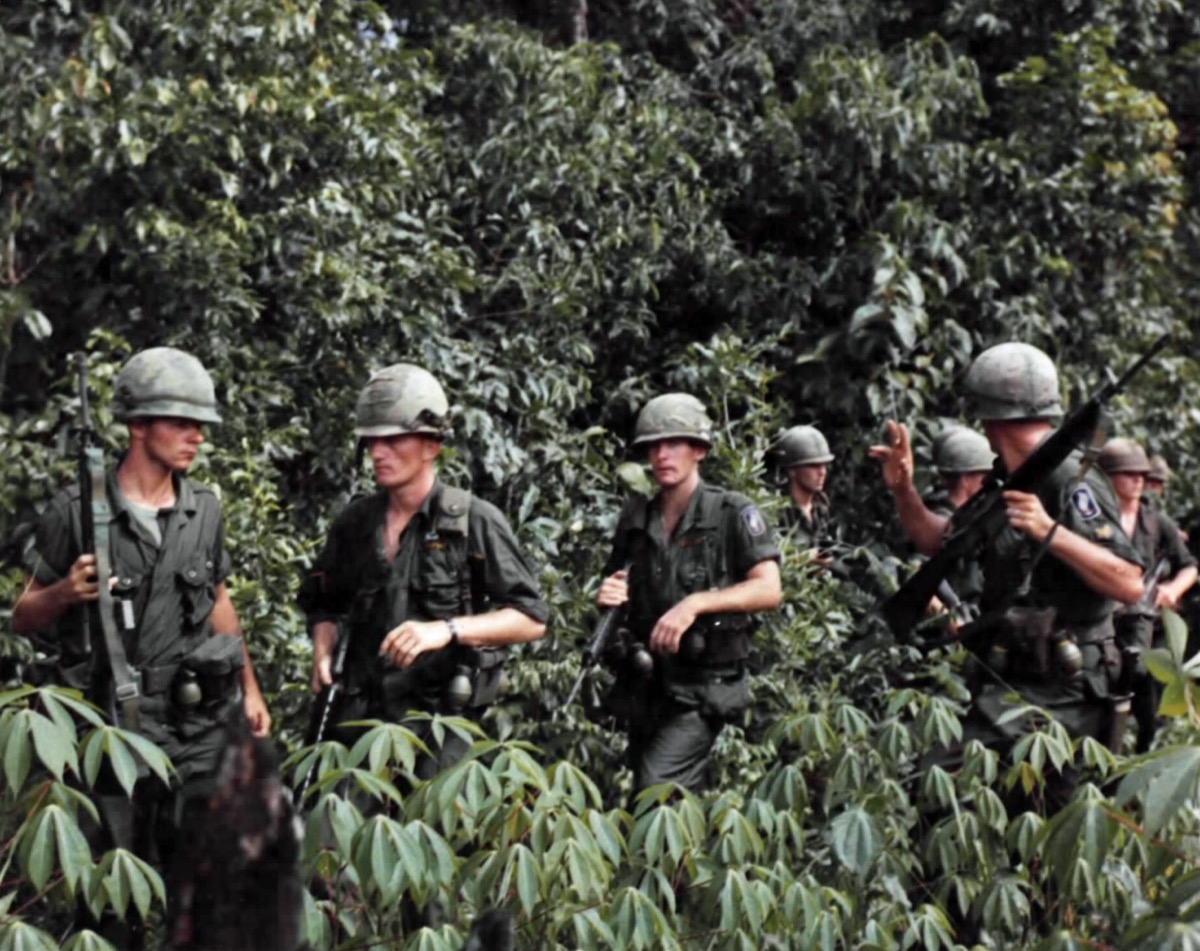
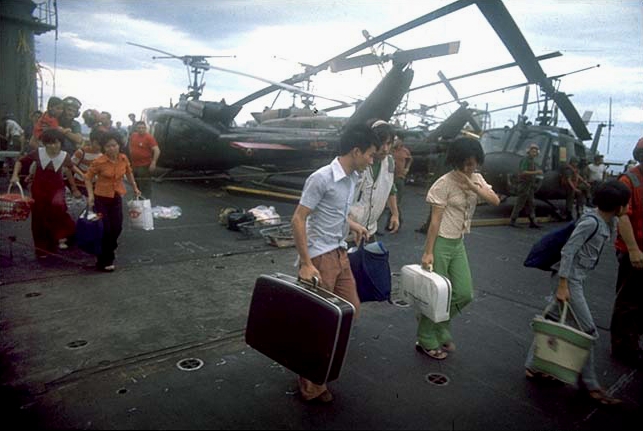
After his early work in Latin America, Halstead joined UPI full-time and quickly established himself as one of the agency's most reliable and productive photographers. His work for UPI took him to conflicts and crises around the world, but it was the Vietnam War that defined the first major chapter of his career. Halstead covered the war extensively, returning to Vietnam multiple times between 1965 and 1975, and his images from the conflict are among the most visceral and immediate produced by any photographer during those years. He was present at the fall of Saigon in 1975, one of the pivotal events of the twentieth century, and his photographs from the chaotic evacuation remain essential documents of that traumatic moment.
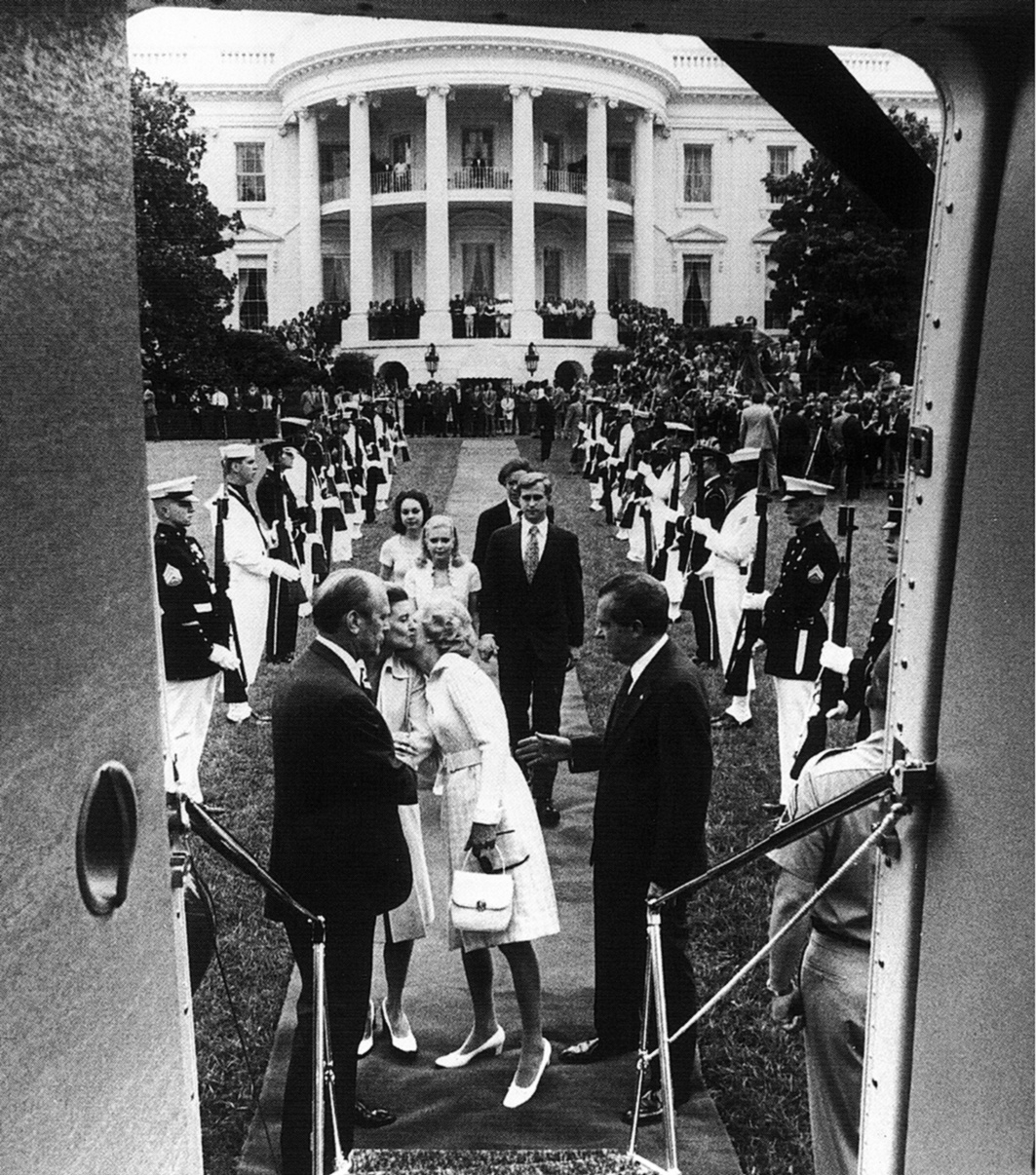
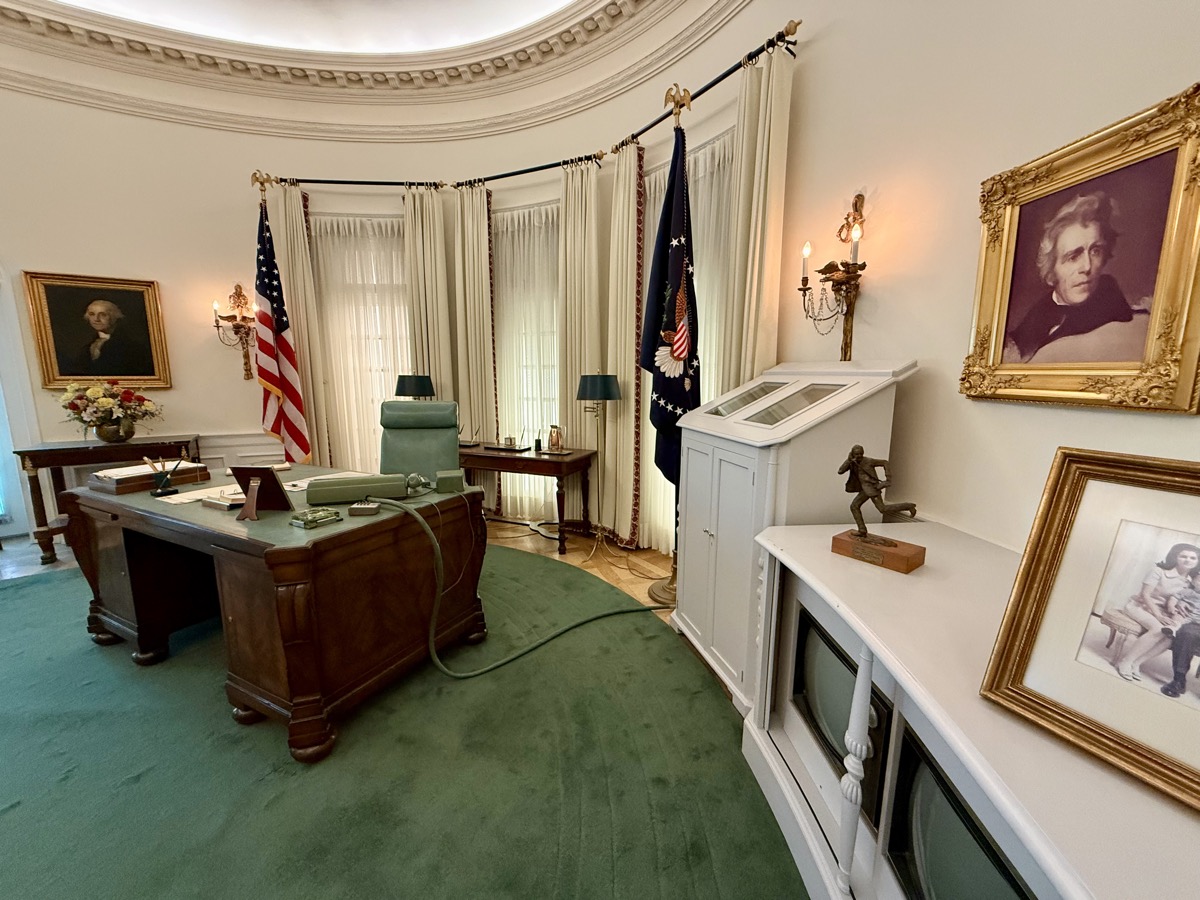
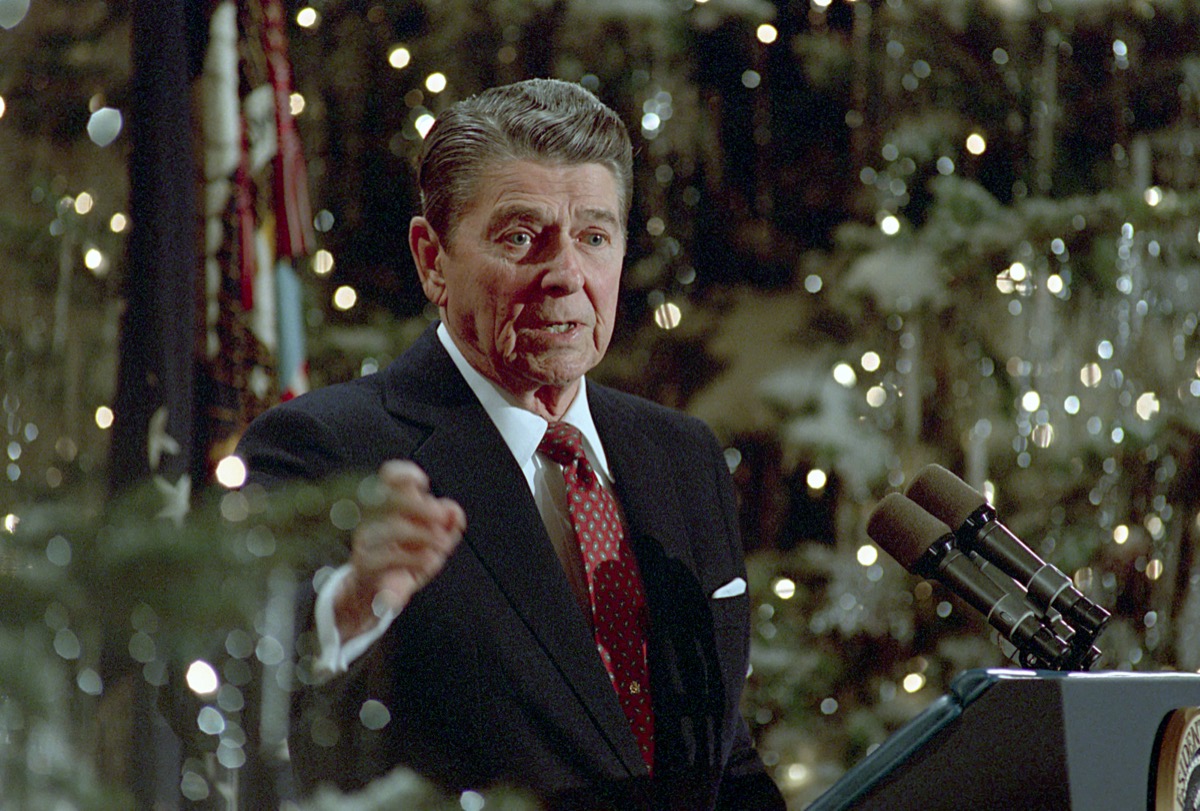
In 1972, Halstead joined Time magazine as a senior White House photographer, beginning a thirty-year association that would place him at the centre of American political life. Over the next three decades, he covered every American president from Lyndon Johnson to Bill Clinton, producing thousands of images that documented the exercise of presidential power with the informed eye of someone who understood both the theatre and the substance of American politics. His access was extraordinary: Halstead was a constant presence in the Oval Office, on Air Force One, at summit meetings, and at the countless staged and unstaged moments that constitute the daily life of the presidency.
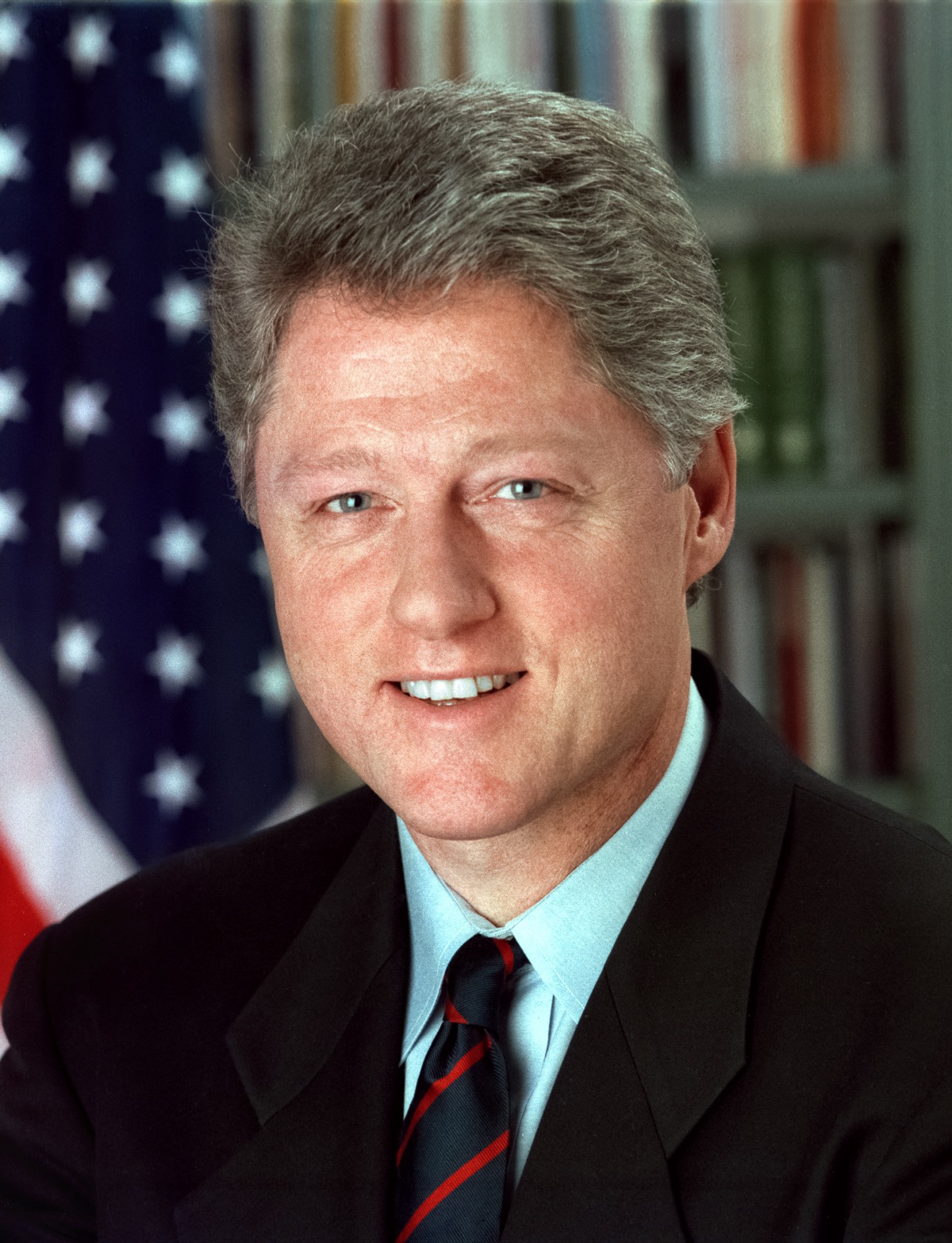
Halstead's most famous single image was the product of the kind of archival persistence that defined his approach to photojournalism. In 1998, when the Monica Lewinsky scandal broke, Halstead realised that somewhere in his vast archive of White House photographs there might exist an image of President Clinton with Lewinsky. He searched through thousands of negatives and contact sheets and found a single frame, shot at a White House Christmas reception in 1996, showing Clinton embracing Lewinsky. The photograph became the most reproduced image of the scandal, appearing on the cover of Time and in publications around the world. It was a lesson in the value of being present and of understanding that the significance of a photograph may not be apparent until years after it is made.
Beyond his work as a photographer, Halstead was a significant figure in the evolution of photojournalism in the digital age. In 1999, he founded The Digital Journalist, one of the first online publications dedicated to photojournalism. The website provided a platform for long-form photo essays, critical writing about the profession, and discussions about the impact of digital technology on the practice of visual journalism. At a time when many established photojournalists viewed the digital transition with suspicion or hostility, Halstead embraced it with the same enthusiasm he had brought to every other challenge in his career.
Halstead's career was extraordinary for its duration, its breadth, and its consistency. Over fifty years, he produced more than fifty Time covers, covered multiple wars and revolutions, documented the lives and decisions of eight American presidents, and adapted successfully to a technological transformation that ended the careers of many of his contemporaries. He was a wire service photographer, a magazine photographer, a war correspondent, a White House photographer, and a digital pioneer, and he approached each role with the same relentless energy and commitment to being where the story was.
Dirck Halstead died in 2020 in Brooksville, Florida, at the age of eighty-four. His archive of more than one million images constitutes one of the most extensive visual records of American political and military history in the second half of the twentieth century. His legacy is that of a photojournalist who understood that the medium's power lies not in its capacity for artistic expression but in its capacity for witness — for being present at the moments that matter and recording them with clarity, honesty, and the instinct of someone who has spent a lifetime watching history unfold through a viewfinder.