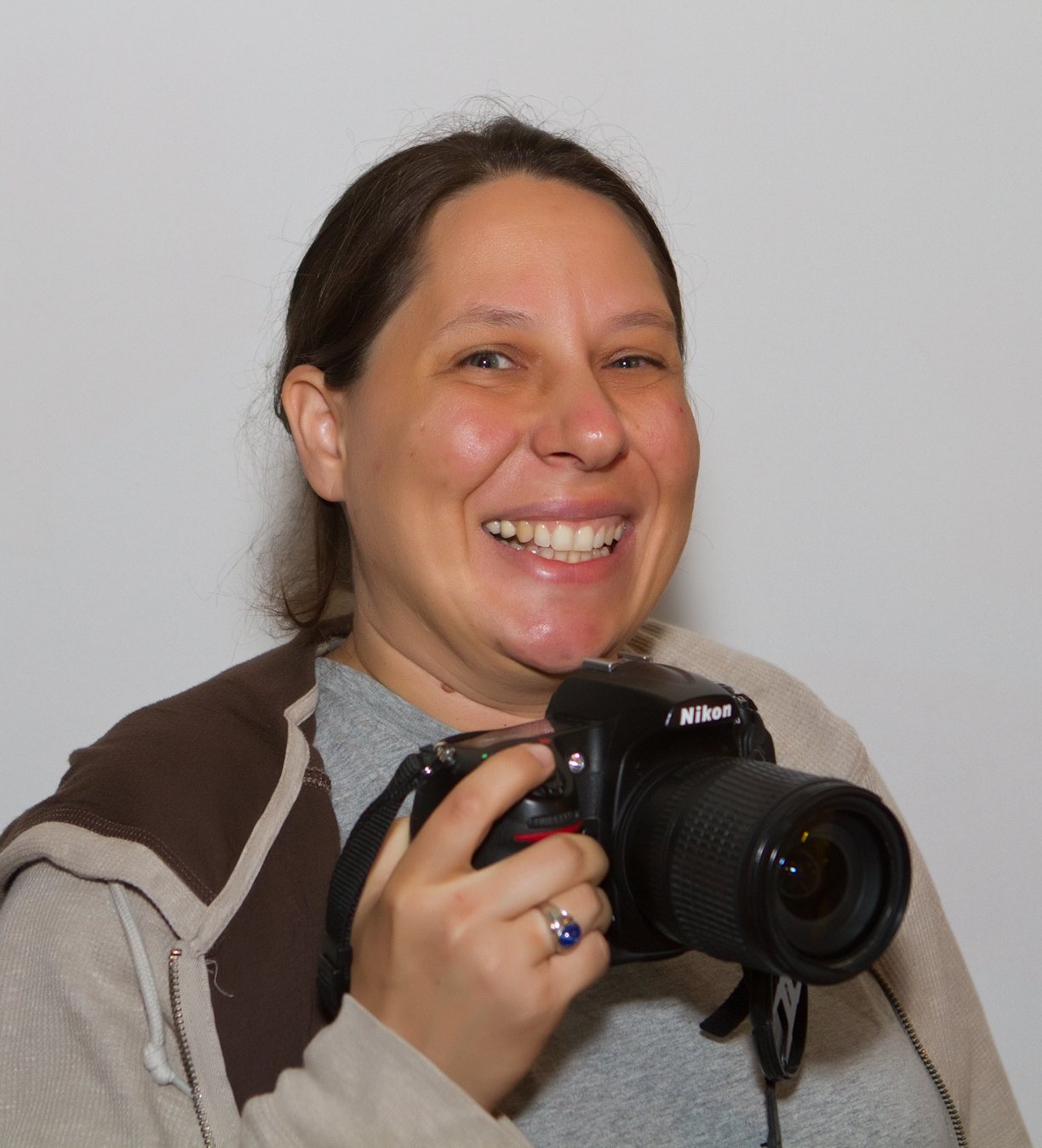
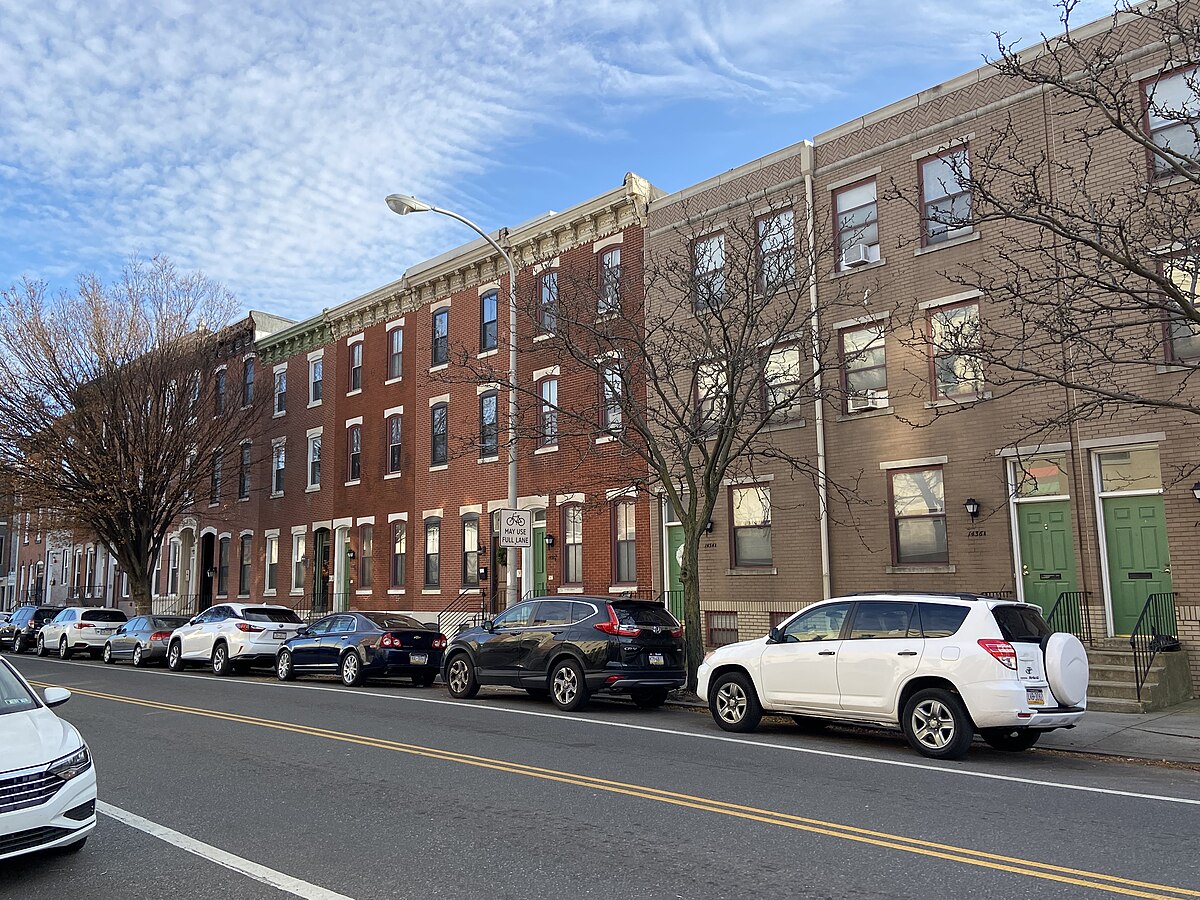
Zoe Strauss was born in 1970 in Philadelphia, Pennsylvania, and has remained rooted in the city throughout her life and career. She grew up in a working-class neighbourhood in South Philadelphia, and the landscapes of that environment — the row houses, vacant lots, corner stores, highway overpasses, and the people who inhabit them — became the enduring subject of her photography. She did not come to the medium through art school or institutional training. She was largely self-taught, picking up a camera in her late twenties and beginning to photograph her neighbourhood and its residents with an instinctive directness that owed nothing to academic convention and everything to the urgency of looking carefully at the world immediately around her.
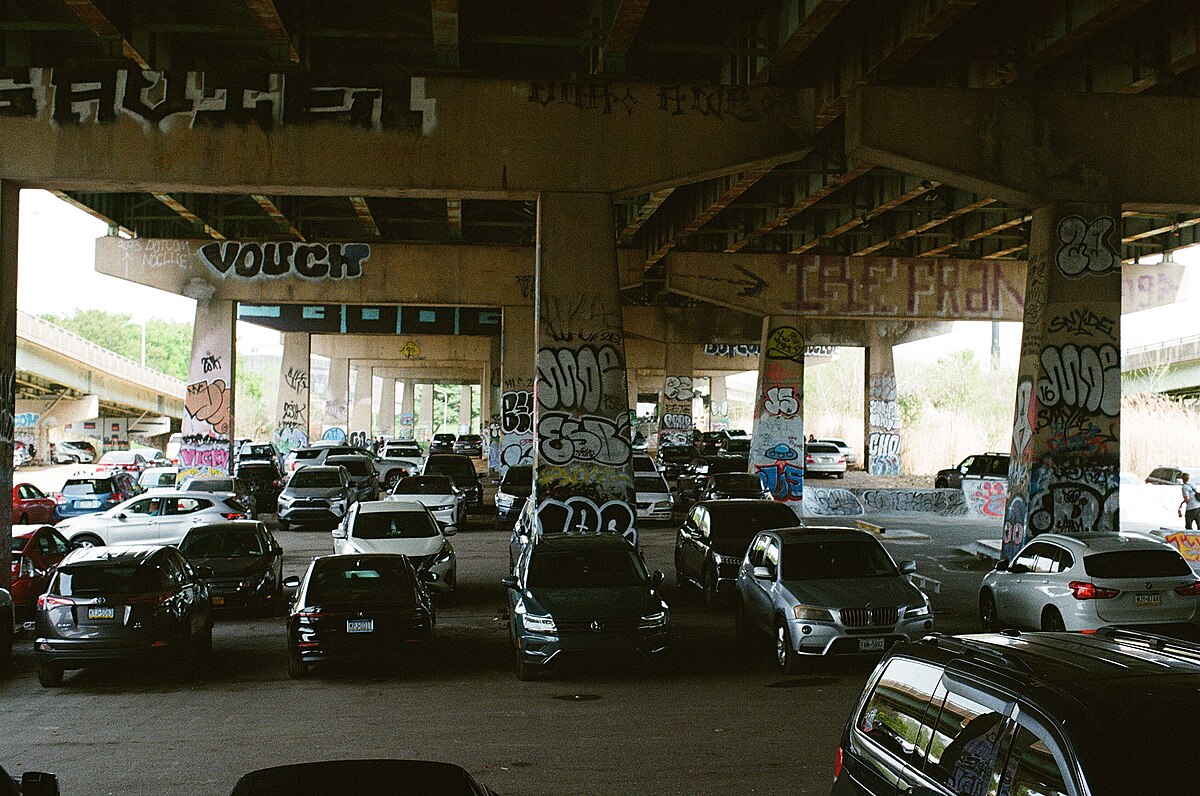
In 2001, Strauss initiated the project that would define her career and establish her reputation. Once a year, on a Sunday in May, she displayed large-scale photographs taped to the concrete support columns beneath Interstate 95 where it passes through South Philadelphia. The images were priced at five dollars each, and anyone who wanted one could simply pull it from the pillar and take it home. The annual event, which continued for ten years, drew growing crowds and became a beloved Philadelphia institution. It was simultaneously an exhibition, a performance, a community gathering, and an act of radical generosity — a refusal of the gallery system's gatekeeping and an insistence that serious art could be encountered in the most unlikely and democratic of settings.
The I-95 project was not merely an unconventional exhibition strategy; it was a philosophical statement about the relationship between art and audience. Strauss believed that photographs should be accessible to the communities they depicted, that the people in her images — many of whom were her neighbours, friends, and acquaintances — should be able to see, own, and respond to the work. By placing her photographs in a public space, free of admission charges and institutional mediation, she collapsed the distance between artist and viewer, between the art world and the everyday world, in a way that few photographers have achieved before or since.
The photographs themselves are characterised by a raw, saturated intensity. Strauss works in colour, and her palette is the palette of working-class Philadelphia: faded brick, sun-bleached plastic, skin tones under fluorescent light, the acid greens and dusty blues of abandoned lots and painted facades. Her subjects are the people and places that mainstream culture tends to overlook or sentimentalise: sex workers, addicts, labourers, the elderly, the very young, the landscapes of poverty and resilience that exist in the shadow of American prosperity. But Strauss's photographs are never condescending. She photographs her subjects as equals, with an intimacy that speaks to genuine relationship and mutual trust. The people in her images look back at the camera with a directness that suggests collaboration rather than exploitation.
Strauss's work gained national and international recognition through a combination of the I-95 project's growing fame and the support of curators and critics who recognised the significance of what she was doing. In 2007, she was awarded a Pew Fellowship in the Arts, and in 2012 she was included in the Whitney Biennial, one of the most prestigious surveys of contemporary American art. Her first museum retrospective, held at the Philadelphia Museum of Art in 2012, surveyed a decade of work and confirmed her position as one of the most important documentary photographers of her generation.
Beyond the I-95 project, Strauss has continued to photograph extensively throughout Philadelphia and across America, building a cumulative portrait of working-class life that draws on the traditions of Walker Evans, Robert Frank, and Larry Clark while remaining entirely her own. Her work addresses themes of poverty, addiction, sexuality, labour, patriotism, and the stubborn persistence of beauty in places where beauty is not expected to be found. She has published her photographs in several books and exhibited widely in galleries and museums, but she has never abandoned the principle that animated the I-95 project: the conviction that art is most powerful when it is most accessible, and that the true audience for photographs of a community is the community itself.
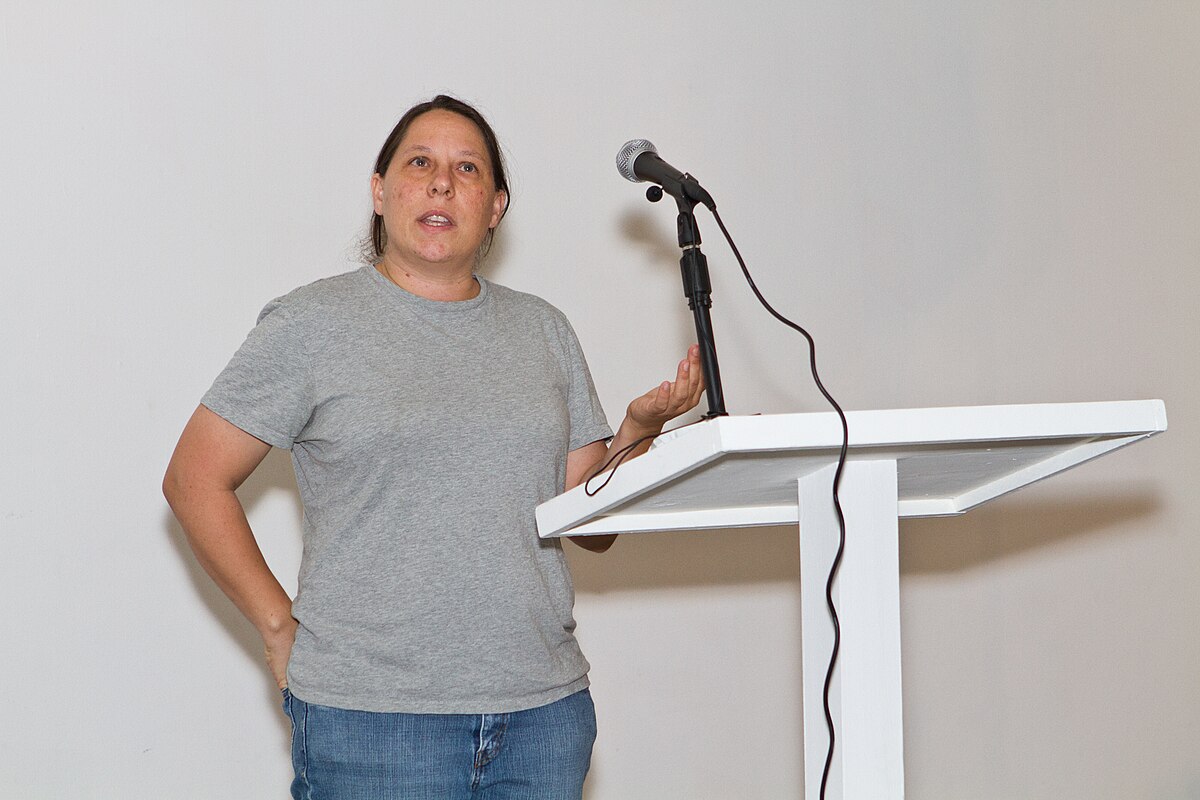
Strauss has also been an influential teacher and mentor, conducting workshops and lectures that emphasise the importance of sustained engagement with a single place or community. She has spoken openly about her own experiences with poverty and working-class life, insisting that the perspective of those who have lived within the conditions they photograph is not a limitation but an asset — a source of knowledge and empathy that no amount of academic training can replicate.
Zoe Strauss continues to live and work in Philadelphia. Her practice remains committed to the proposition that photography can be simultaneously an art form and an act of community, that the camera can serve as a bridge between the marginalised and the visible, and that the most profound images are often found not in exotic locations or extraordinary circumstances but in the familiar, overlooked, and stubbornly beautiful textures of ordinary American life.