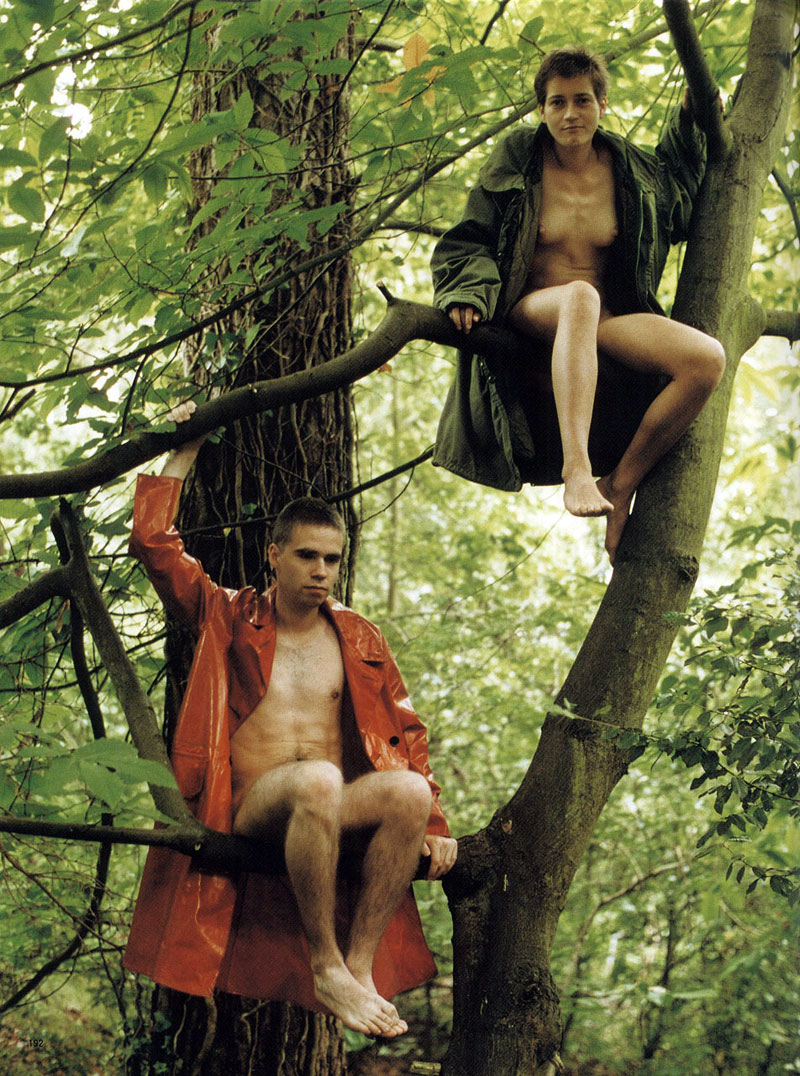
Lutz & Alex Sitting in the Trees
1992
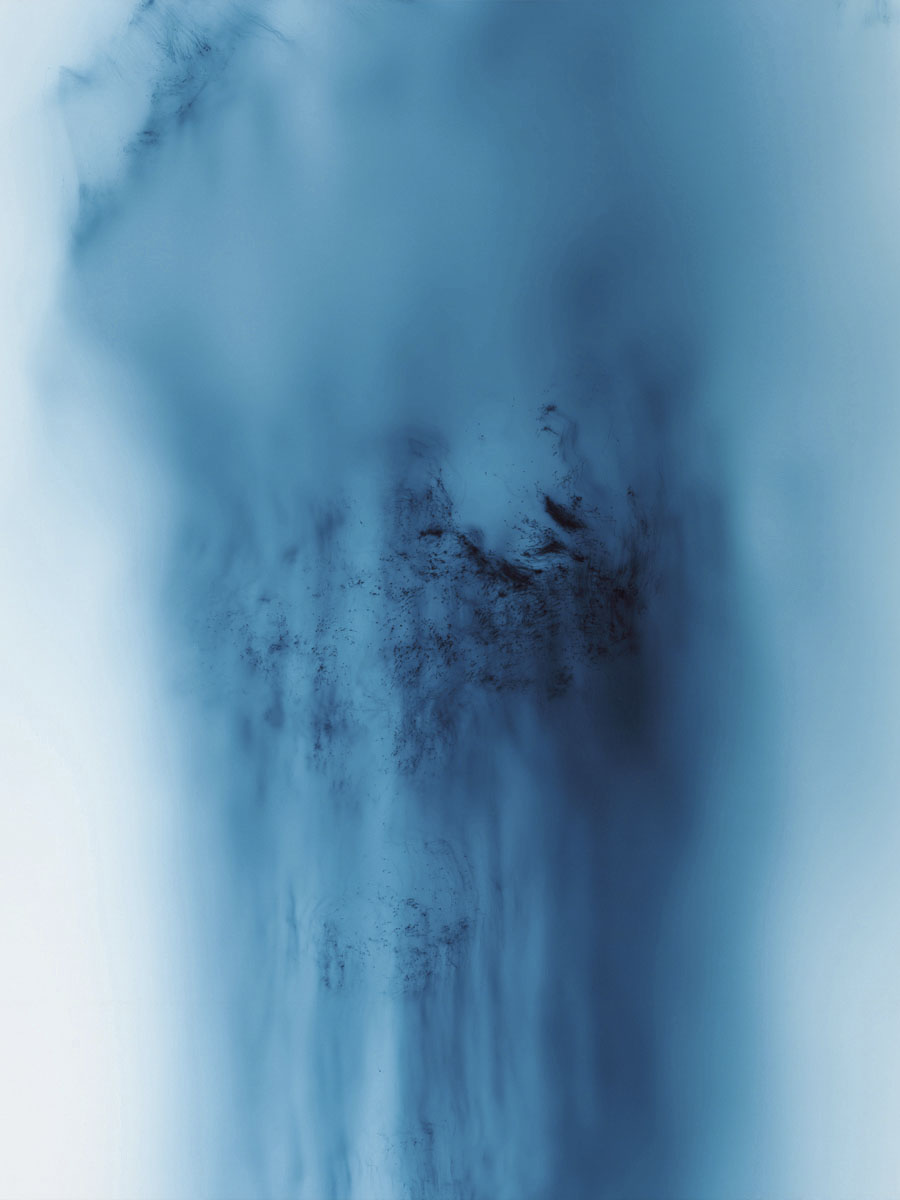
Freischwimmer 57
2004
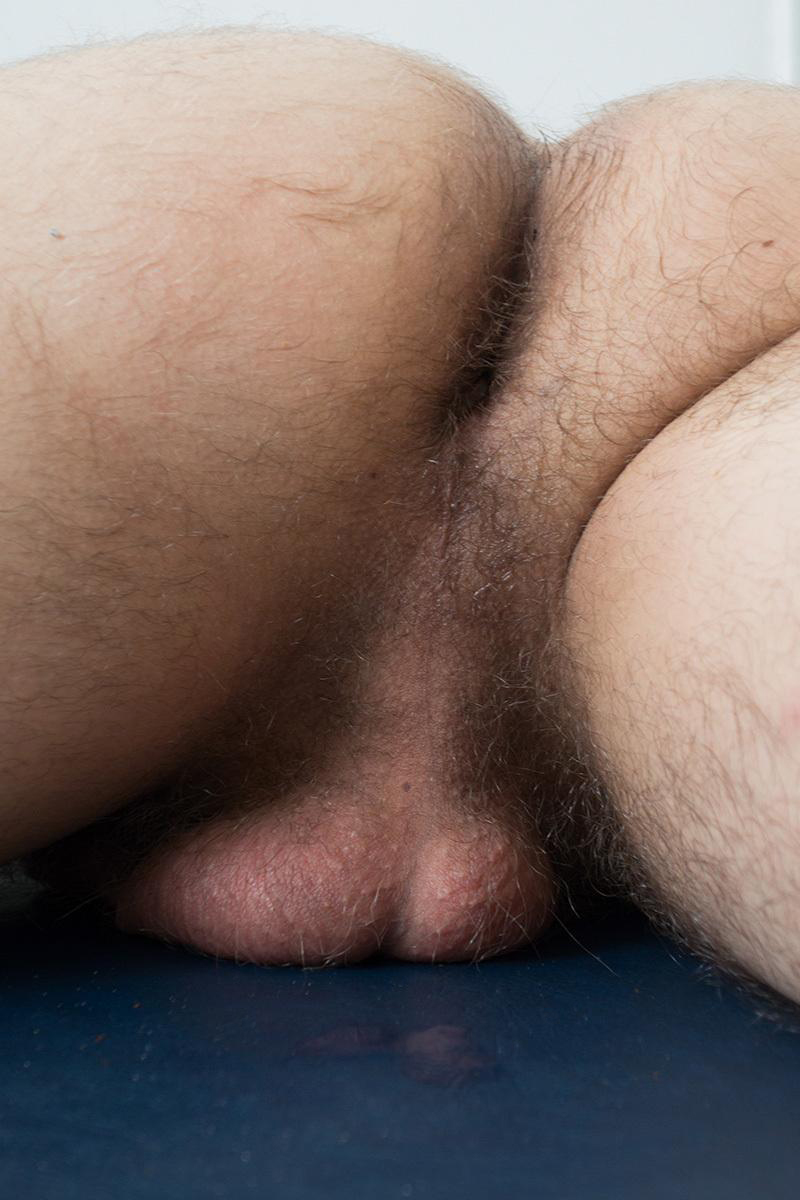
Nackt
2003
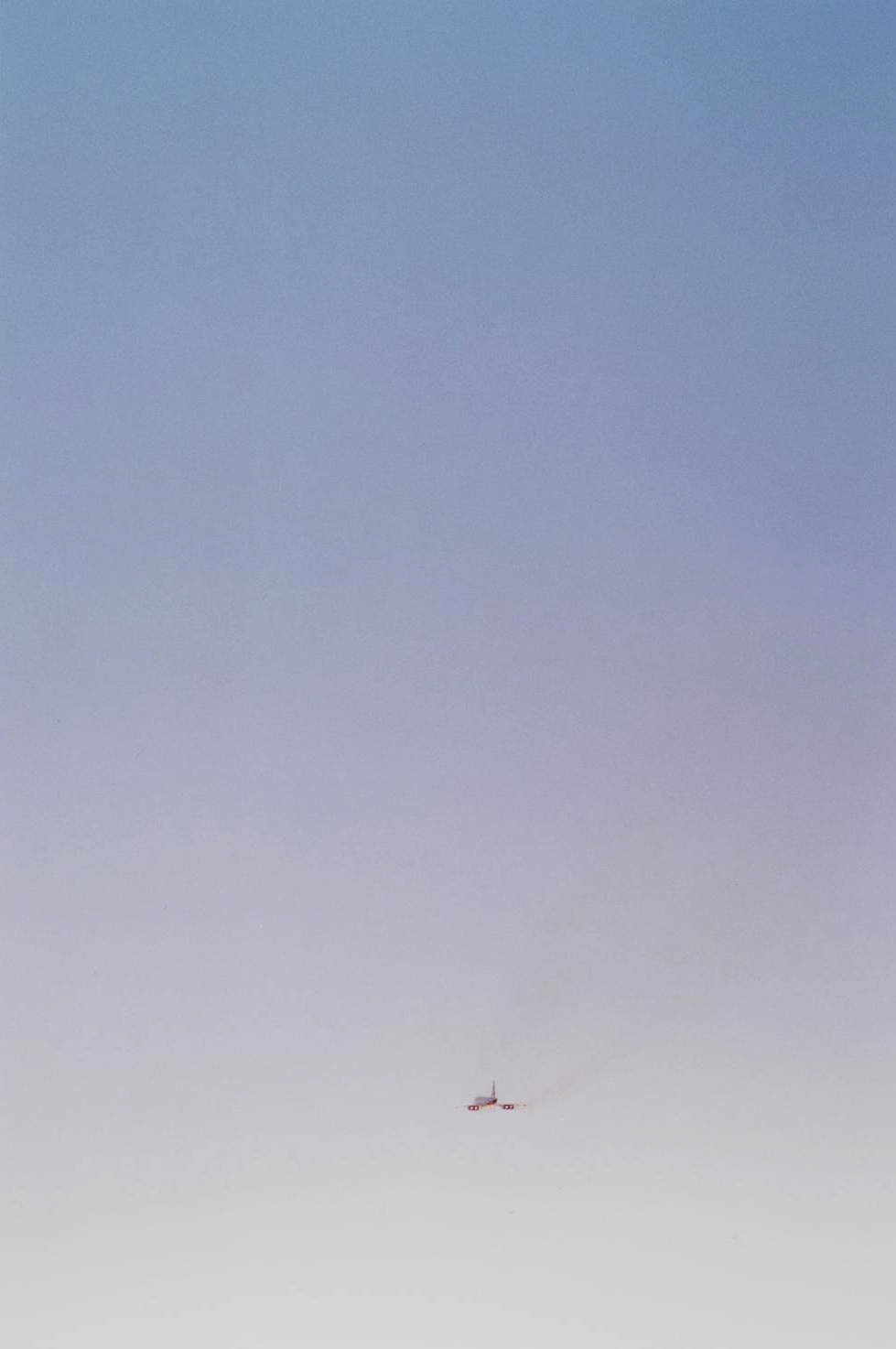
Concorde Grid
1997
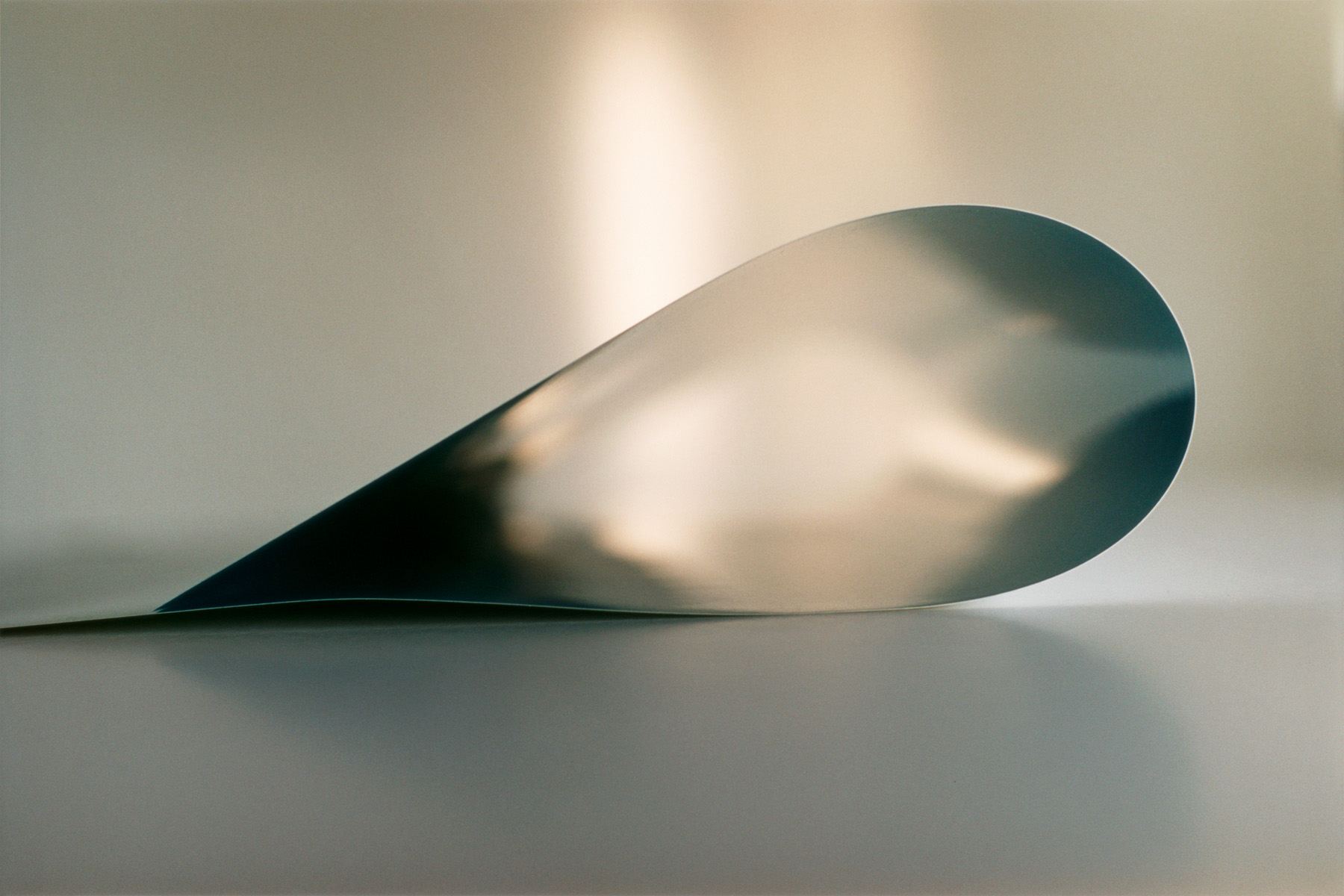
paper drop (star), Prinzessinnenstraße
2014
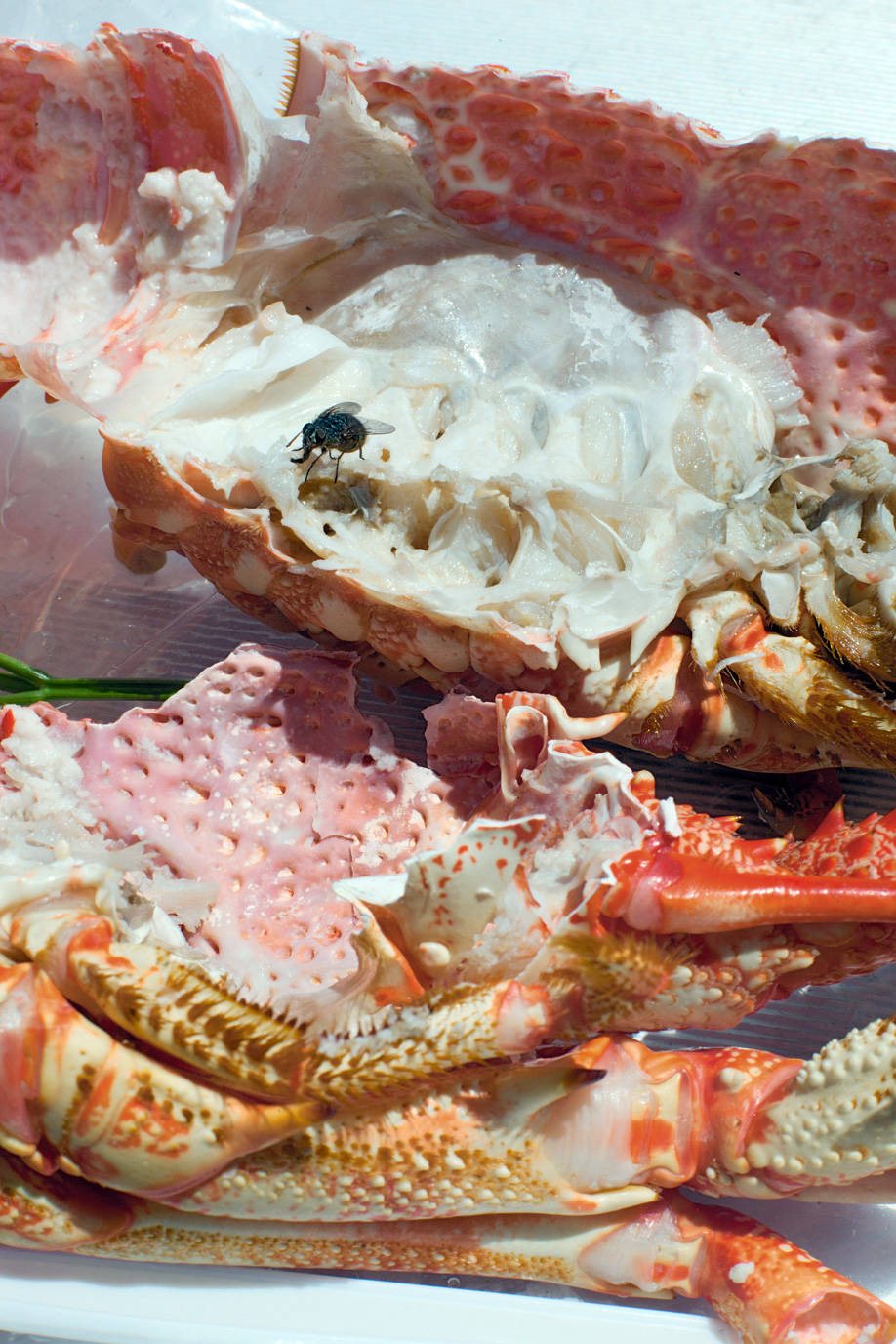
Astro Crusto
2012
A transformative artist who redefined the possibilities of the photographic image, elevating the ephemeral textures of everyday life into immersive installations that collapse the boundaries between the intimate, the political, and the abstract.
Born 1968, Remscheid, Germany — German
Lutz & Alex Sitting in the Trees
1992
Freischwimmer 57
2004
Nackt
2003
Concorde Grid
1997
paper drop (star), Prinzessinnenstraße
2014
Astro Crusto
2012
Wolfgang Tillmans was born in 1968 in Remscheid, a small industrial city in the Bergisches Land region of western Germany. He came of age in the 1980s, a period when the cultural energies of post-punk music, rave culture, and a newly assertive queer politics were reshaping European youth culture, and these forces would profoundly shape his artistic sensibility. After completing his military service as a conscientious objector, Tillmans moved to England in 1990, enrolling at Bournemouth and Poole College of Art and Design. It was in the clubs, festivals, and shared flats of early-1990s London that he began making the photographs that would bring him to international attention.
His early images, published in magazines such as i-D, Spex, and Tempo, captured the atmosphere of rave culture, queer nightlife, and the everyday lives of his friends and lovers with an unstudied directness that felt genuinely new. There was no voyeuristic distance in these pictures, no condescension, no ethnographic detachment. Tillmans photographed from within his own community, and his images possessed a warmth, an openness, and an erotic frankness that communicated the texture of lived experience more powerfully than any documentary could. A pair of jeans crumpled on a bathroom floor, friends kissing on a dance floor, the view from an aeroplane window — everything was photographed with the same democratic attention, the same refusal to rank subjects by importance.
This radical democracy of vision became the philosophical foundation of Tillmans's practice. He has consistently insisted that no subject is inherently more worthy of photographic attention than any other — that a portrait of a friend carries the same weight as an abstract study of light on paper, that a still life of fruit in a supermarket is as deserving of serious contemplation as a landscape or a nude. This egalitarianism extends to the presentation of his work: in his exhibitions, large-format inkjet prints hang alongside smaller images, magazine tear-sheets, and photocopies, arranged in carefully composed installations that transform gallery walls into immersive visual environments where scale, proximity, and juxtaposition create new meanings between images.
In 2000, Tillmans became the first photographer — and the first non-British artist — to win the Turner Prize, Britain's most prestigious contemporary art award. The recognition was significant not only for Tillmans personally but for the medium of photography itself, affirming that the photographic image, presented as installation rather than as discrete framed objects, could occupy the same critical territory as painting, sculpture, and video. The Turner Prize exhibition at Tate Britain demonstrated his distinctive installation method: images of widely varying subjects and scales arranged across the gallery walls in constellations that invited the viewer to draw connections between seemingly disparate images.
Throughout the 2000s and 2010s, Tillmans's work expanded in scale, ambition, and technical range. His Freischwimmer series — large-scale abstract images created in the darkroom without a camera, using light, chemistry, and the behaviour of photographic paper itself — pushed his practice into the territory of pure abstraction, producing images of luminous, flowing colour that recall the paintings of Helen Frankenthaler or Morris Louis. The paper drop series, in which sheets of photographic paper are curled, folded, and photographed as sculptural objects, further explored the materiality of the medium. These abstract works exist alongside his continuing portraits, still lifes, landscapes, and documentary images, all presented as equal participants in a single, ongoing body of work.
Tillmans has also been a committed political voice, using his platform and his art to advocate for causes including LGBTQ+ rights, European unity, and the fight against authoritarianism. In 2016, he created a series of posters and campaign materials urging Britons to vote to remain in the European Union, distributing them freely online and in public spaces. His political engagement is not separate from his aesthetic practice but an extension of it: the same democratic impulse that refuses to hierarchy between subjects in his photographs also refuses to separate art from the social and political conditions in which it is made and received.
Major solo exhibitions have been held at institutions worldwide, including Tate Modern, the Museum of Modern Art in New York, the Fondation Beyeler in Basel, and the Kunstsammlung Nordrhein-Westfalen in Düsseldorf. In 2015, he opened Between Bridges, a non-profit exhibition space in Berlin dedicated to contemporary art and social engagement. He was awarded the Hasselblad Foundation International Award in Photography in 2015 and the Kaiserring in Goslar in 2018.
Wolfgang Tillmans continues to live and work between Berlin and London. His practice remains as restless, as expansive, and as resistant to categorisation as ever. In a career now spanning more than three decades, he has demonstrated that photography need not choose between the personal and the political, between intimacy and abstraction, between the art gallery and the everyday world. His greatest achievement may be the consistent refusal to make those choices — to insist, image after image, that the whole of experience is available to the attentive eye, and that the photographic image, in all its forms, is capacious enough to hold it.
If one thing matters, everything matters. Wolfgang Tillmans
Large-scale abstract images created in the darkroom without a camera, using light and photographic chemistry to produce luminous, flowing compositions that push the medium into pure abstraction while remaining fundamentally photographic.
A series of photographs documenting the supersonic aircraft from the ground near Heathrow, capturing its angular silhouette against open sky in images that balance documentary observation with a sense of technological sublimity.
Tillmans's signature method of presenting photographs in carefully orchestrated wall installations, mixing scales, subjects, and printing techniques to create immersive environments where meaning emerges from the relationships between images.
Born in Remscheid, Germany. Grows up during the post-punk and early rave culture era that will profoundly shape his visual sensibility.
Moves to England and enrolls at Bournemouth and Poole College of Art and Design. Begins photographing the rave and club scenes of early-1990s London.
First solo exhibition at Daniel Buchholz Gallery in Cologne. Early magazine work published in i-D and Spex brings widespread attention.
First institutional solo exhibition at the Kunsthalle Zürich. Publishes his first major book with Taschen.
Wins the Turner Prize, becoming the first photographer and the first non-British artist to receive the award.
Major solo exhibition at Tate Britain. Begins the Freischwimmer series of camera-less abstract photographs.
Comprehensive survey exhibition at Kunsthalle Zürich, later travelling to the Moderna Museet in Stockholm and other European venues.
Receives the Hasselblad Foundation International Award in Photography. Opens Between Bridges, a non-profit exhibition space in Berlin.
Major retrospective at Tate Modern, Wolfgang Tillmans: 2017, the largest survey of his work to date, spanning four decades of practice.
Major exhibition at the Museum of Modern Art, New York, further cementing his position as one of the most significant artists of his generation.
Interested in discussing photography, collaboration, or just want to say hello? I’d love to hear from you.
Contact →