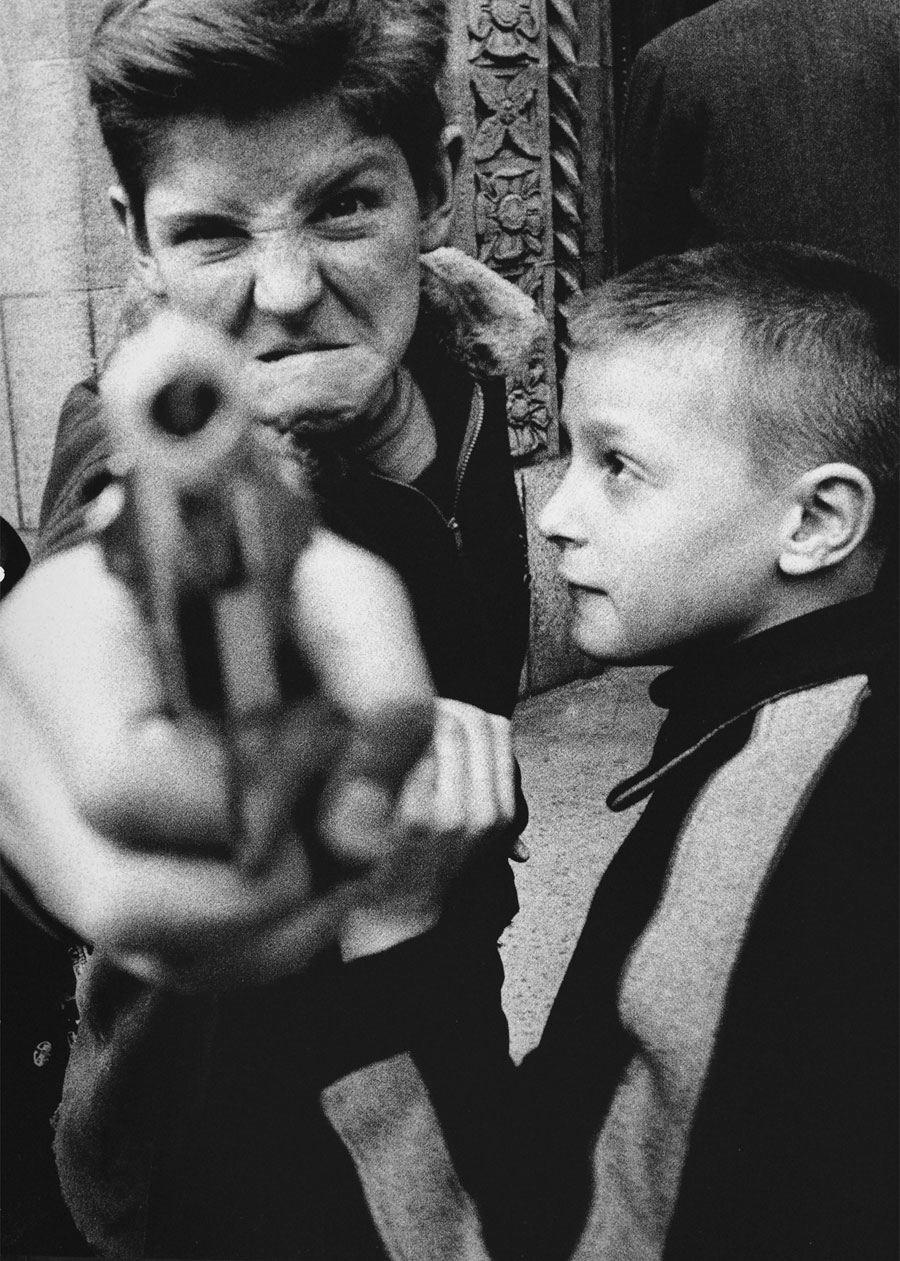
Gun 1, New York
1955
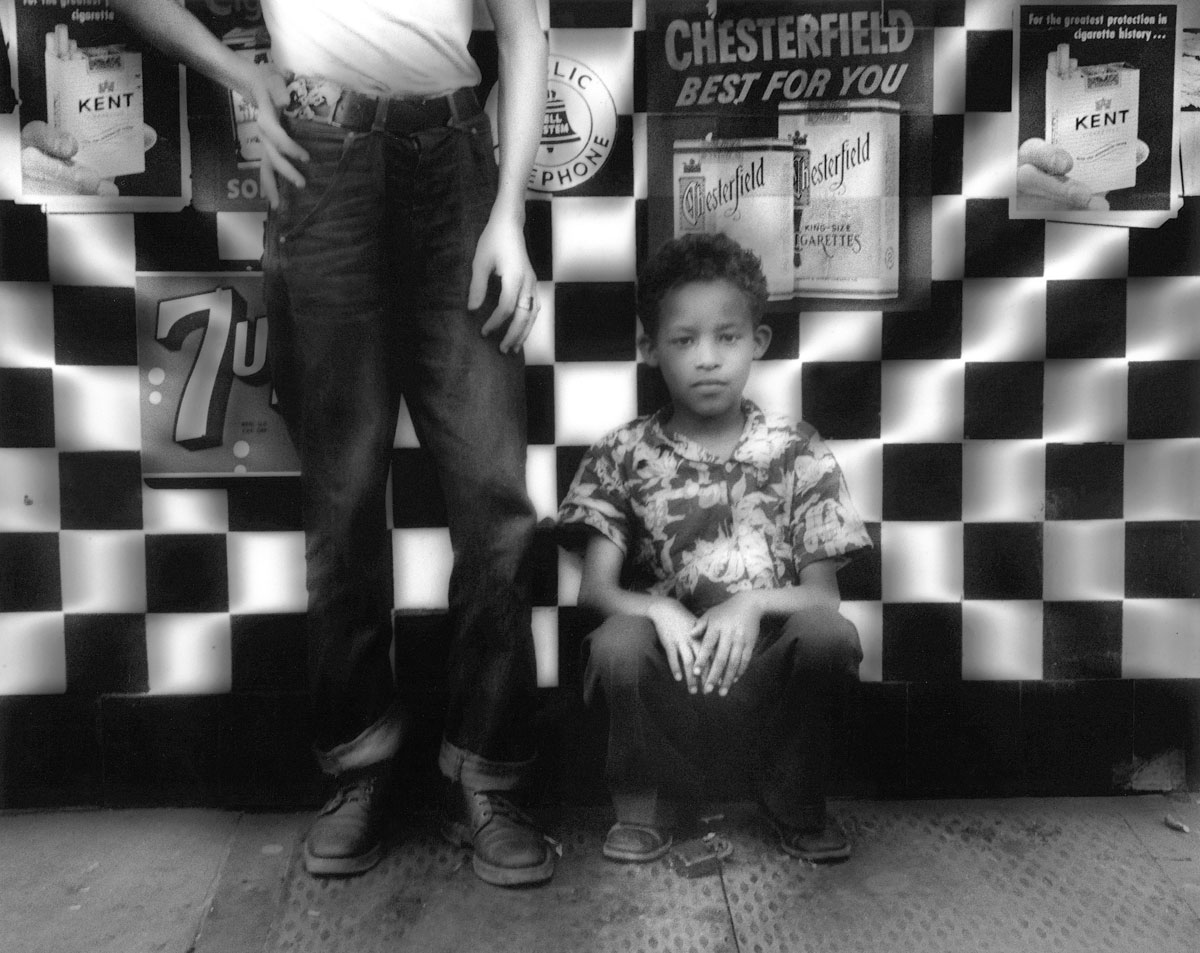
Candy Store, Amsterdam Avenue
New York, 1955
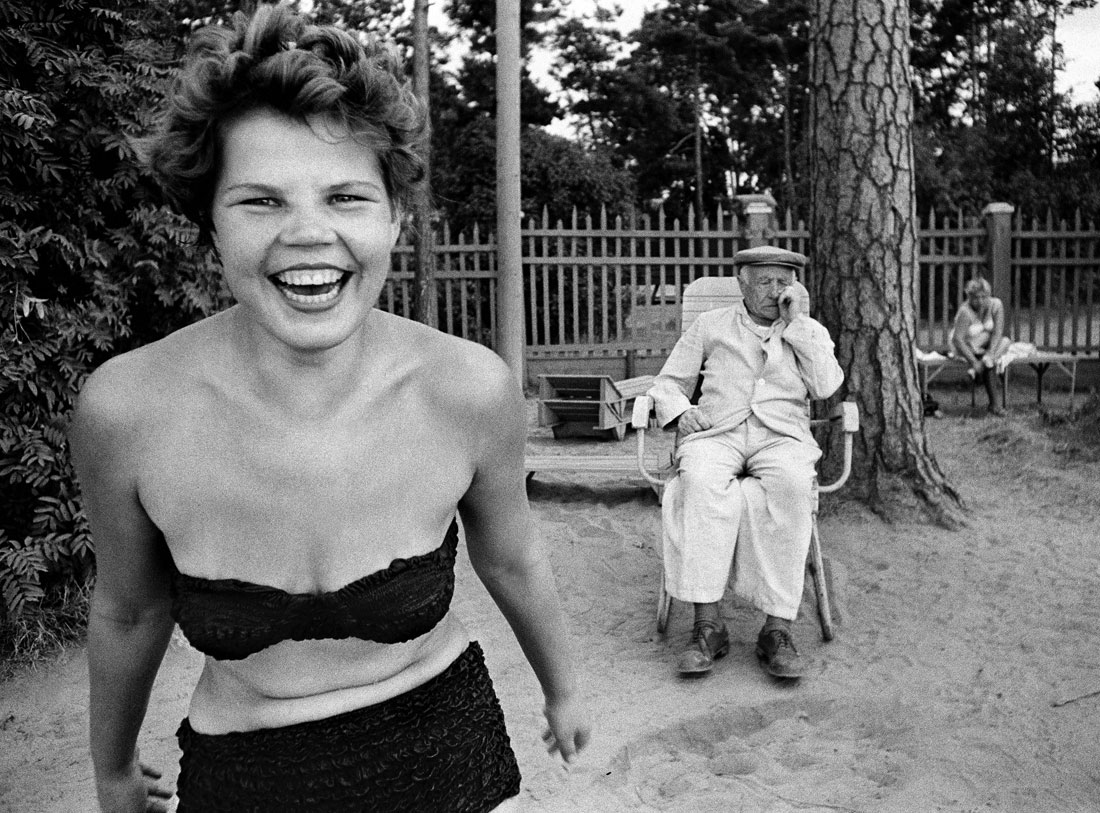
Moves + Pepsi, Moscow
1961
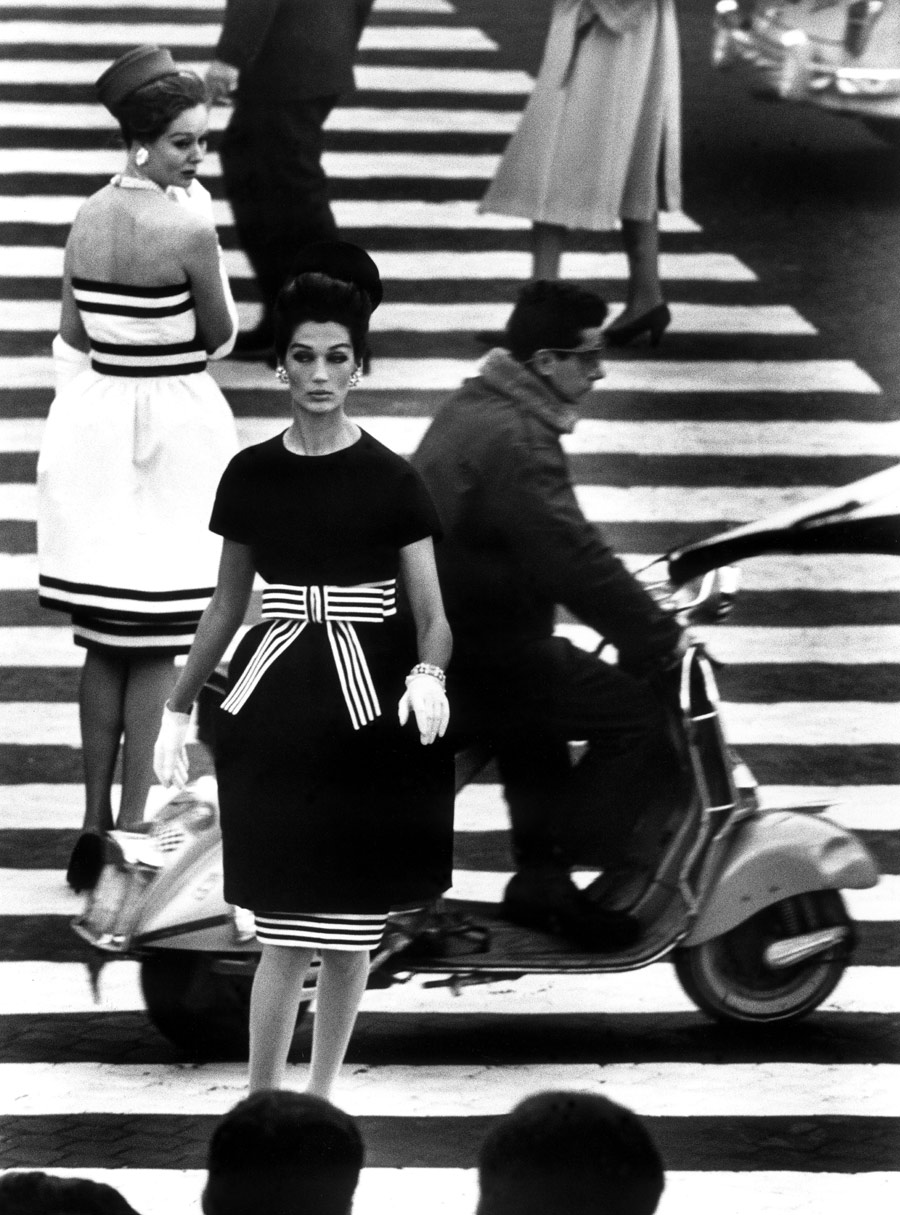
Piazza di Spagna, Rome
1956
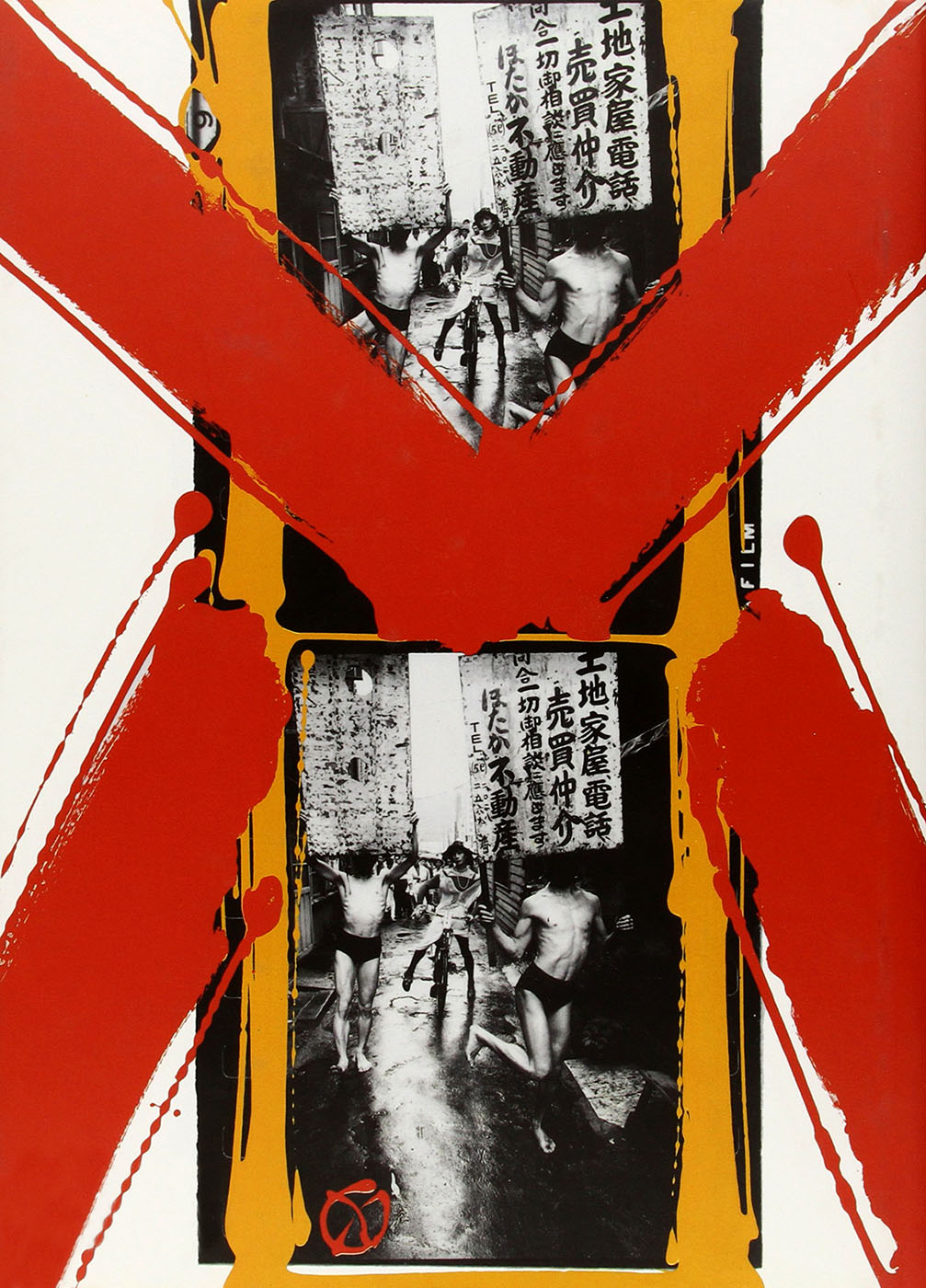
Tokyo Street Scene
1961
The audacious outsider who shattered every convention of street photography with raw, confrontational images of urban life, blurring the boundaries between art, fashion, film, and graphic design with anarchic energy and fearless invention.
1926, New York City – 2022, Paris — American-French
Gun 1, New York
1955
Candy Store, Amsterdam Avenue
New York, 1955
Moves + Pepsi, Moscow
1961
Piazza di Spagna, Rome
1956
Tokyo Street Scene
1961
William Klein was born in 1926 in New York City, the son of Hungarian Jewish immigrants who ran a clothing shop on the Upper West Side. He grew up tough and streetwise in a city that would become both his greatest subject and the antagonist against which he defined himself. A precocious student, he graduated from high school at fourteen and enrolled at City College of New York, where he studied sociology. After serving in the United States Army during the Second World War, stationed in Germany and France, Klein chose not to return to America but to remain in Paris, where he enrolled at the Atelier Fernand Léger and began his artistic education as a painter and sculptor under the tutelage of one of the great modernists.
Klein's early work as a painter was abstract and geometric, influenced by Léger, Mondrian, and the hard-edge tradition. He experimented with kinetic art, creating rotating murals for Italian architects, and exhibited his paintings in Milanese galleries. But it was during a brief return visit to New York in 1954 that Klein's career took its decisive turn. Armed with a wide-angle lens and an attitude of gleeful aggression, he began photographing the streets of his native city with a freedom and ferocity that had no precedent in the medium. Where Henri Cartier-Bresson had observed from a discreet distance, Klein pushed into faces, embraced blur and grain, shot from extreme angles, and allowed his subjects to confront the camera with a directness that bordered on violence.
The photographs Klein made during this period were gathered into Life Is Good & Good for You in New York: Trance Witness Revels, published in Paris in 1956 by Éditions du Seuil. No American publisher would touch it. The book was a visual assault — grainy, high-contrast, deliberately ugly by the standards of the time, with a graphic design that drew on tabloid newspapers, advertising typography, and the energy of Abstract Expressionism. It featured children mugging for the camera, gun barrels pointed at the lens, crowds seething with anonymous energy, and a vision of New York as a chaotic, threatening, exhilarating spectacle. The book won the Prix Nadar in France and was hailed as a masterpiece in Europe and Japan, but it would not be published in the United States for decades.
The New York book established Klein as one of the most radical and influential photographers of the twentieth century, but he refused to be confined by any single medium. In the late 1950s and 1960s, he worked as a fashion photographer for Vogue, bringing the same irreverent energy to the genre. His fashion work rejected the static elegance of studio portraiture in favour of images shot on the street, in crowds, against billboards and graffiti, with models who moved, laughed, and interacted with the urban environment. He placed models in the middle of traffic, had them pose with real people, and introduced a kinetic, confrontational quality that transformed the visual language of fashion photography and anticipated the work of photographers like Helmut Newton and David Bailey.
Klein went on to produce three more city books — on Rome (1959), Moscow (1964), and Tokyo (1964) — each applying his distinctive visual language to a different urban culture. In Rome, he found operatic gesture and Mediterranean chaos; in Moscow, the monumental austerity of the Soviet state and the humanity that persisted beneath it; in Tokyo, the collision of ancient tradition and furious modernity. Together with the New York volume, these four books constitute one of the most ambitious and original achievements in the history of the photobook, a global portrait of mid-century urbanism rendered in Klein's unmistakable idiom of grain, blur, wide-angle distortion, and confrontational intimacy.
By the mid-1960s, Klein had largely abandoned still photography in favour of filmmaking. Over the next three decades he directed more than twenty films, ranging from satirical fiction features such as Who Are You, Polly Maggoo? (1966) and Mister Freedom (1969) to documentaries on subjects including Muhammad Ali, the Pan-African Festival of Algiers, and the French Open tennis tournament. His films displayed the same graphic boldness, political engagement, and refusal of convention that characterised his photography. He returned to still photography in the 1980s and 1990s, producing large-scale painted contact sheets and mixed-media works that pushed the photographic image into the territory of painting and graphic art.
Throughout his career, Klein maintained an outsider's relationship to the photographic establishment. He was largely ignored by American museums and critics for decades, even as his influence on subsequent generations of photographers — from Daido Moriyama and Nobuyoshi Araki in Japan to Martin Parr and Bruce Gilden in the West — became unmistakable. The tide turned in the 1990s and 2000s, when major retrospectives in Paris, London, and New York finally brought Klein the institutional recognition his work had long deserved.
William Klein died in Paris on 10 September 2022, at the age of ninety-six. He left behind a body of work that defied categorisation and challenged every orthodoxy of taste, technique, and subject matter. His photographs remain as raw, as confrontational, and as thrillingly alive as the day they were made — images that refuse to be admired from a polite distance and demand instead that the viewer step into the chaos, the noise, and the electric vitality of the street.
I wanted to be the anti-Cartier-Bresson. He was the great photographer, and I thought, what can I do that's the opposite? William Klein
A revolutionary photobook that captured New York City as a chaotic, confrontational spectacle, using wide-angle distortion, high grain, and aggressive graphic design to shatter every convention of street photography.
Three companion city books extending Klein's visual language across continents, each rendering a different urban culture through his distinctive idiom of blur, grain, wide-angle intimacy, and kinetic energy.
Groundbreaking fashion work that brought models onto the streets, into crowds, and against gritty urban backdrops, rejecting studio artifice for a kinetic, confrontational approach that transformed the genre.
Born in New York City to Hungarian Jewish immigrant parents. Grows up on the Upper West Side.
Settles in Paris after military service. Studies painting under Fernand Léger at his atelier.
Returns briefly to New York and begins photographing the city's streets with unprecedented aggression and graphic boldness.
Life Is Good & Good for You in New York published in Paris. Wins the Prix Nadar. No American publisher will print it.
Begins working as a fashion photographer for Vogue, revolutionising the genre with street-shot editorial work.
Publishes the Moscow and Tokyo city books, completing his quartet of urban portraits across four continents.
Directs Who Are You, Polly Maggoo?, a satirical film about the fashion industry, beginning a prolific filmmaking career.
Major retrospective at the Centre Pompidou in Paris finally brings comprehensive institutional recognition.
Dies in Paris on 10 September, aged ninety-six. His influence on street photography, fashion, and the photobook remains immeasurable.
Interested in discussing photography, collaboration, or just want to say hello? I’d love to hear from you.
Contact →