Walter Chappell was born in Portland, Oregon, in 1925, into a world he would spend a lifetime attempting to see more deeply. From his earliest years he displayed an unusual sensitivity to the natural environment of the Pacific Northwest — the forests, coastline, and volcanic landscapes that surrounded him. After serving in the United States Navy during the Second World War, he studied music and architecture at the Ellison-White Conservatory and Benson Polytechnic, disciplines whose emphasis on structure, rhythm, and the interplay of form and space would profoundly inform his photographic vision. It was not until the early 1950s that he turned seriously to the camera, but when he did, he brought with him an interdisciplinary intelligence that set his work apart from the prevailing documentary and pictorialist traditions.
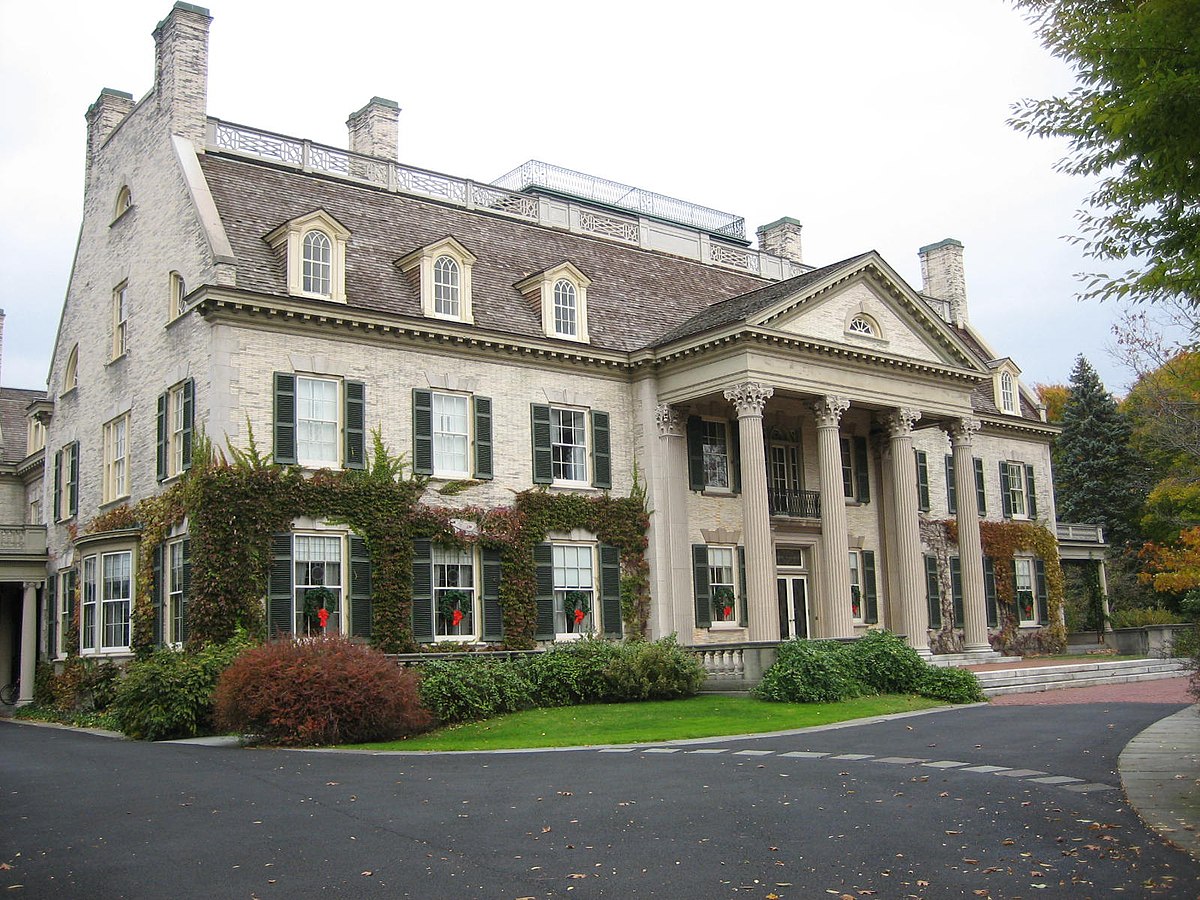
In 1957, Chappell moved to Rochester, New York, where he became closely associated with Minor White, one of the most influential figures in post-war American photography. White's approach to the medium — rooted in the idea that a photograph could function as an equivalent for inner emotional and spiritual states — resonated deeply with Chappell's own intuitions. The two became collaborators and friends, and Chappell served as an assistant curator at the George Eastman House, working alongside White and Beaumont Newhall in one of the most important centres of photographic culture in America. It was here that Chappell refined his technical mastery of the large-format camera and the Zone System, the exposure methodology developed by Ansel Adams and refined by White.
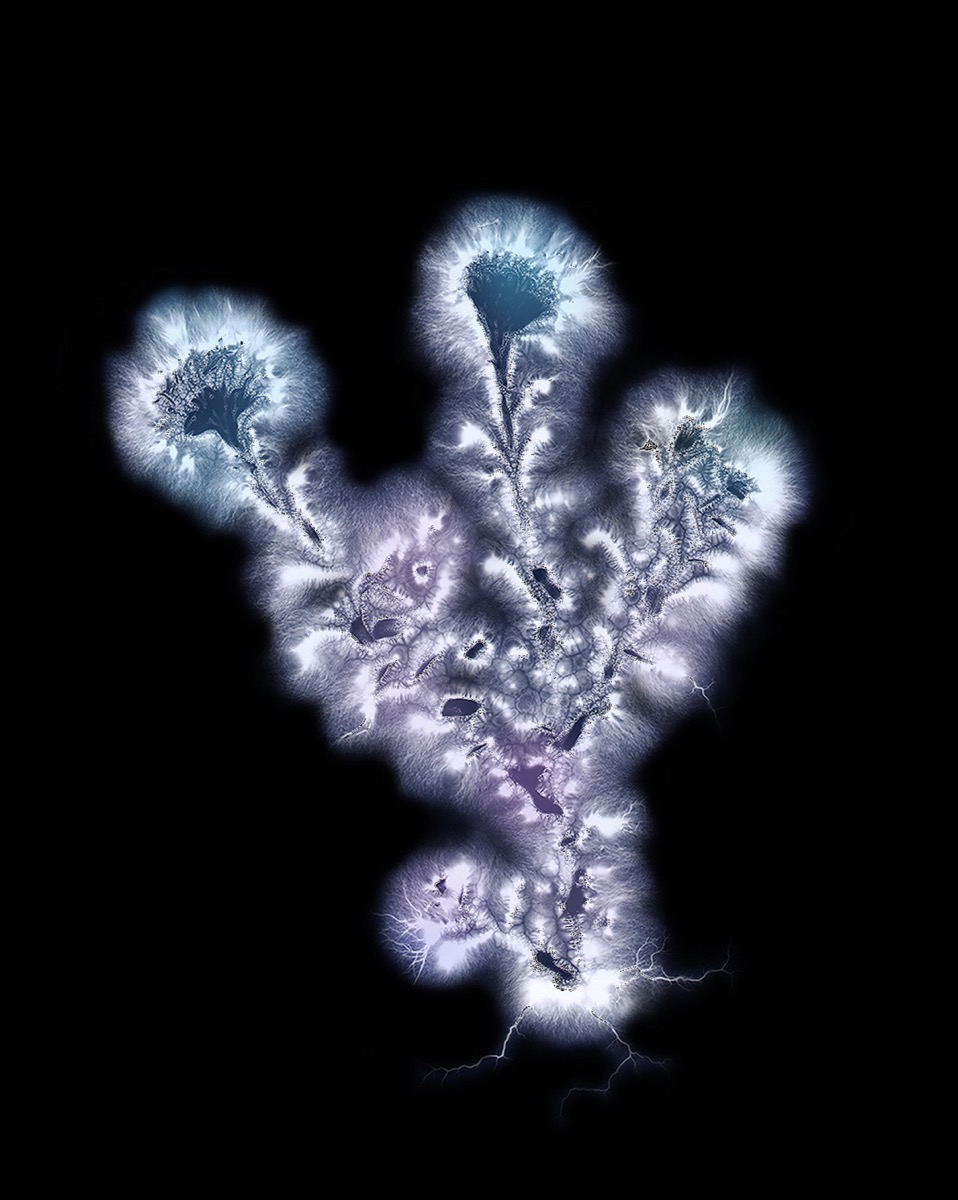
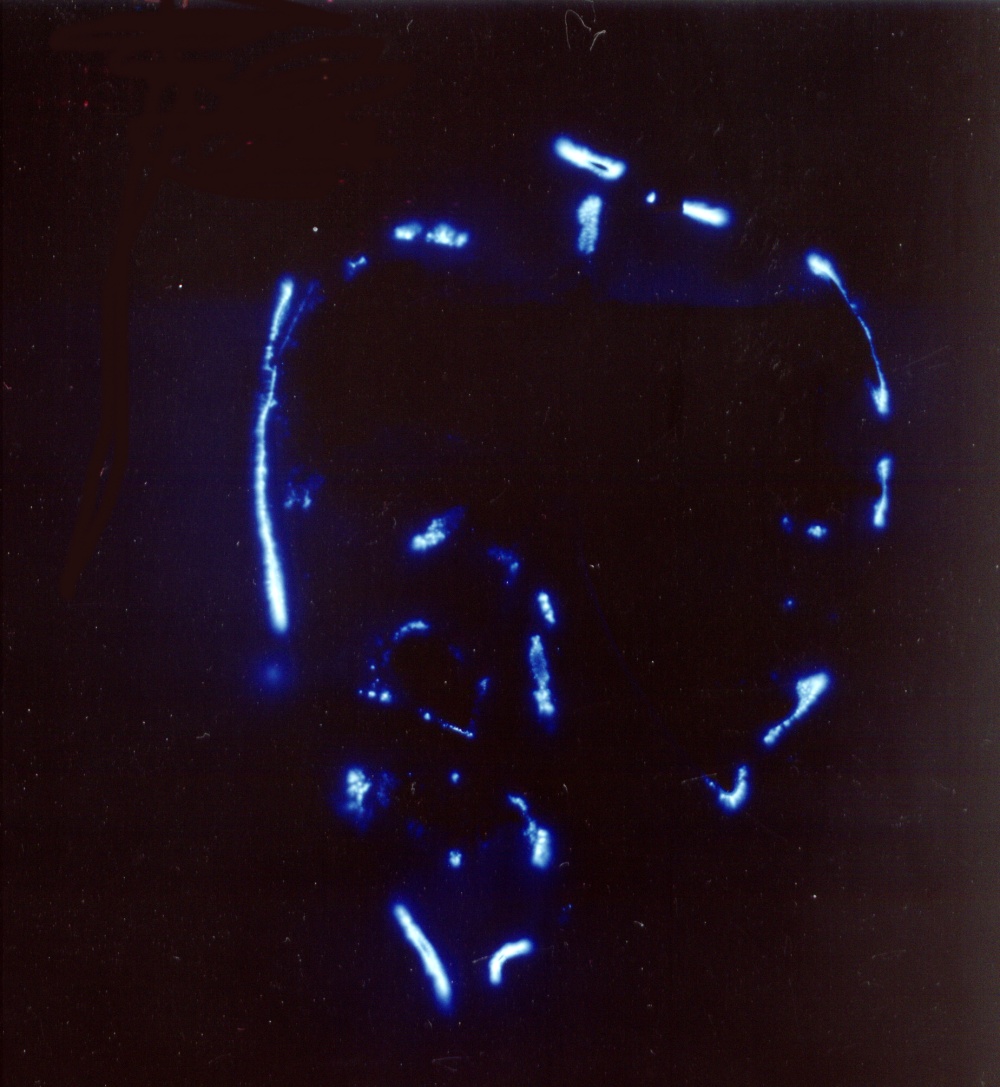
Yet Chappell was never content to remain within the tradition of straight photography as practised by Adams and Edward Weston, much as he admired their technical achievements. His ambition was more expansive and, in certain respects, more radical. He was drawn to the idea that the camera could reveal energies and presences invisible to the unaided eye, that the photographic image, at its most powerful, could function as a kind of spiritual instrument. This conviction led him in the late 1960s to experiment with Kirlian photography, a technique that captures the corona discharge around objects placed on a photographic plate. For Chappell, the luminous auras produced by Kirlian imaging were not merely electrical phenomena but visible manifestations of the life force that animates all living things.
His most celebrated body of work, the Metaflora series, pursued this vision through close studies of flowers, plants, and organic forms. Using large-format cameras and meticulous printing techniques, Chappell rendered botanical subjects with an almost hallucinatory clarity, revealing structures, textures, and patterns of light that transformed familiar plants into objects of numinous beauty. The Metaflora images are at once rigorously precise and profoundly mystical — they honour the scientific specificity of their subjects while insisting that those subjects participate in a larger, invisible order of meaning.
Chappell's photographs of the nude form constitute another essential dimension of his practice. Working primarily with female subjects, he approached the human body with the same reverent attention he brought to the natural landscape. His nudes are characterised by their softness of light, their sculptural modelling, and their refusal to objectify or sensationalise. They belong to a tradition that extends from Weston's nudes through White's explorations of the male figure, but Chappell's particular contribution was to imbue the genre with a sense of sacred intimacy, treating the body as a site where matter and spirit converge.
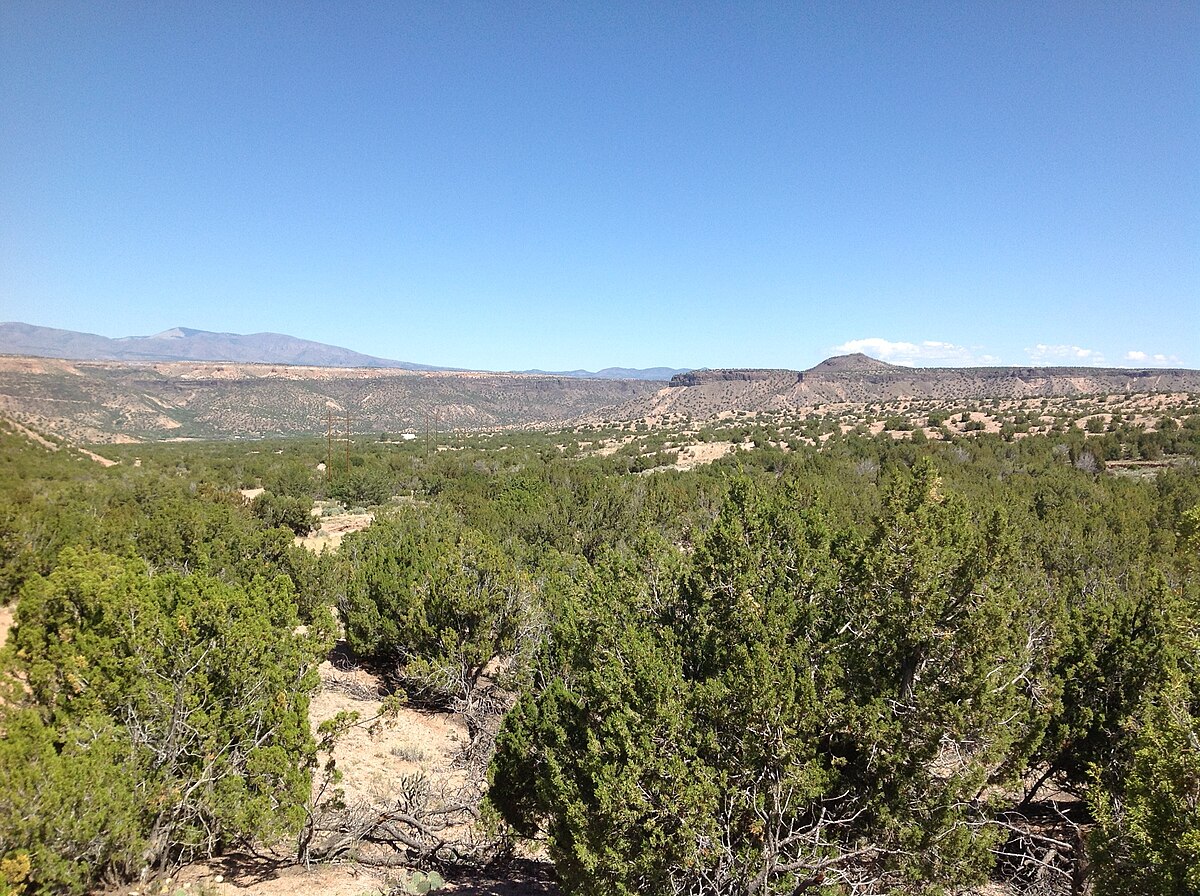
In 1973, Chappell relocated to Santa Fe, New Mexico, where the high desert landscape, the quality of light, and the proximity to Native American spiritual traditions nourished his ongoing explorations. He became deeply interested in Gurdjieff's teachings and other esoteric systems of knowledge, and these interests increasingly informed both his creative practice and his approach to teaching. He conducted workshops and gave lectures throughout the Southwest, gaining a devoted following among students who were drawn to his conviction that photography could be a path of self-knowledge and spiritual awakening.
Despite the depth and originality of his vision, Chappell remained a relatively marginal figure within the mainstream photographic establishment during his lifetime. His mystical orientation, his resistance to purely formalist or conceptual frameworks, and his itinerant, unconventional lifestyle kept him at the edges of the institutional art world. His work was exhibited at major venues including the George Eastman House, the San Francisco Museum of Modern Art, and the Center for Creative Photography in Tucson, but he never achieved the widespread recognition enjoyed by his more commercially oriented contemporaries.
Walter Chappell died in Santa Fe in 2000. In the years since his death, there has been a growing appreciation of his unique contribution to American photography. His insistence that the camera is not merely a tool of documentation but an instrument of perception — capable of revealing the hidden luminosity of the world — places him in a lineage that connects the transcendentalism of the nineteenth century to the ecological and spiritual concerns of the twenty-first. His finest images possess a quality that is difficult to name but impossible to mistake: a sense that what we are seeing is not merely a photograph of a thing, but the thing itself, radiant with the energy of its own being.