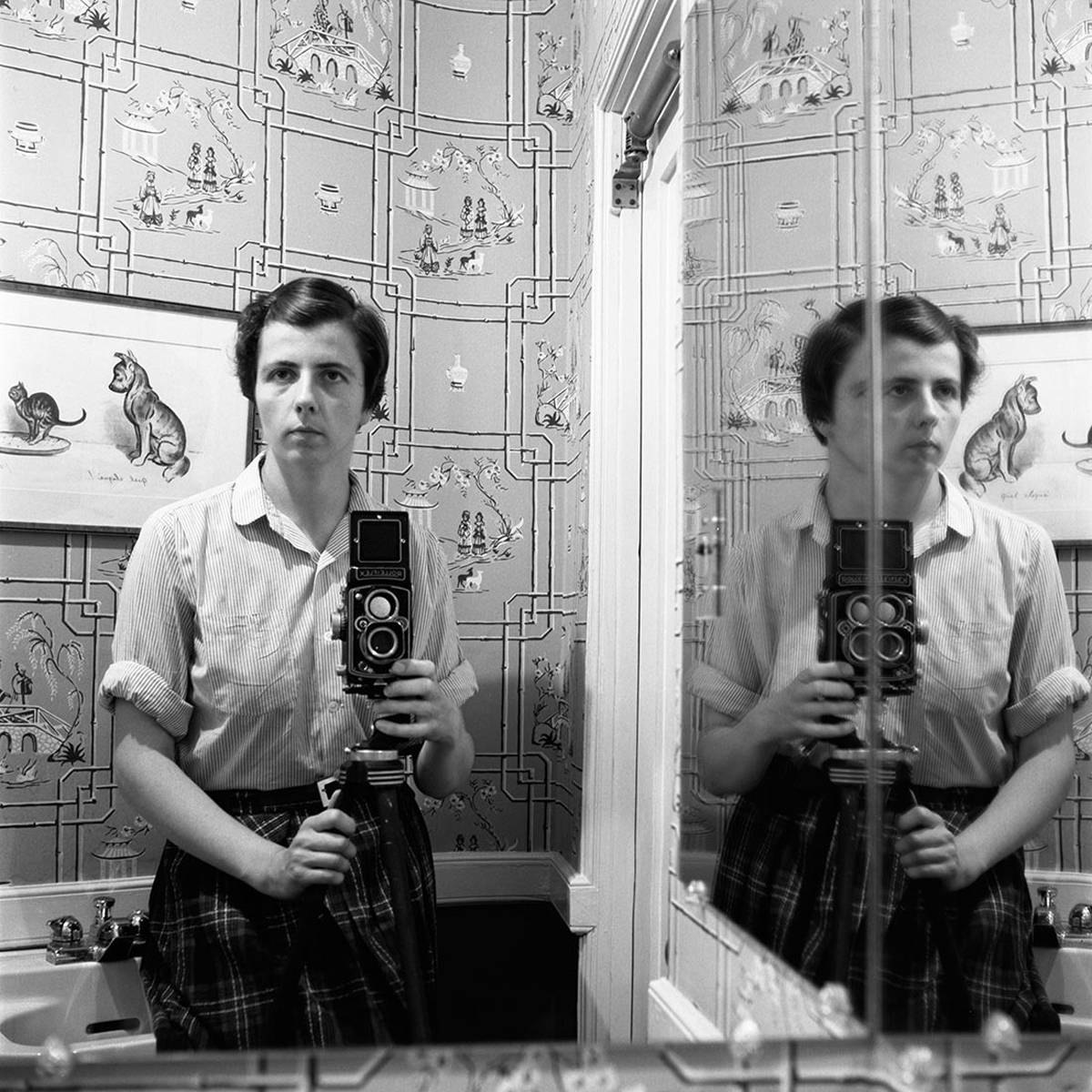
Self-Portrait, New York
c. 1955
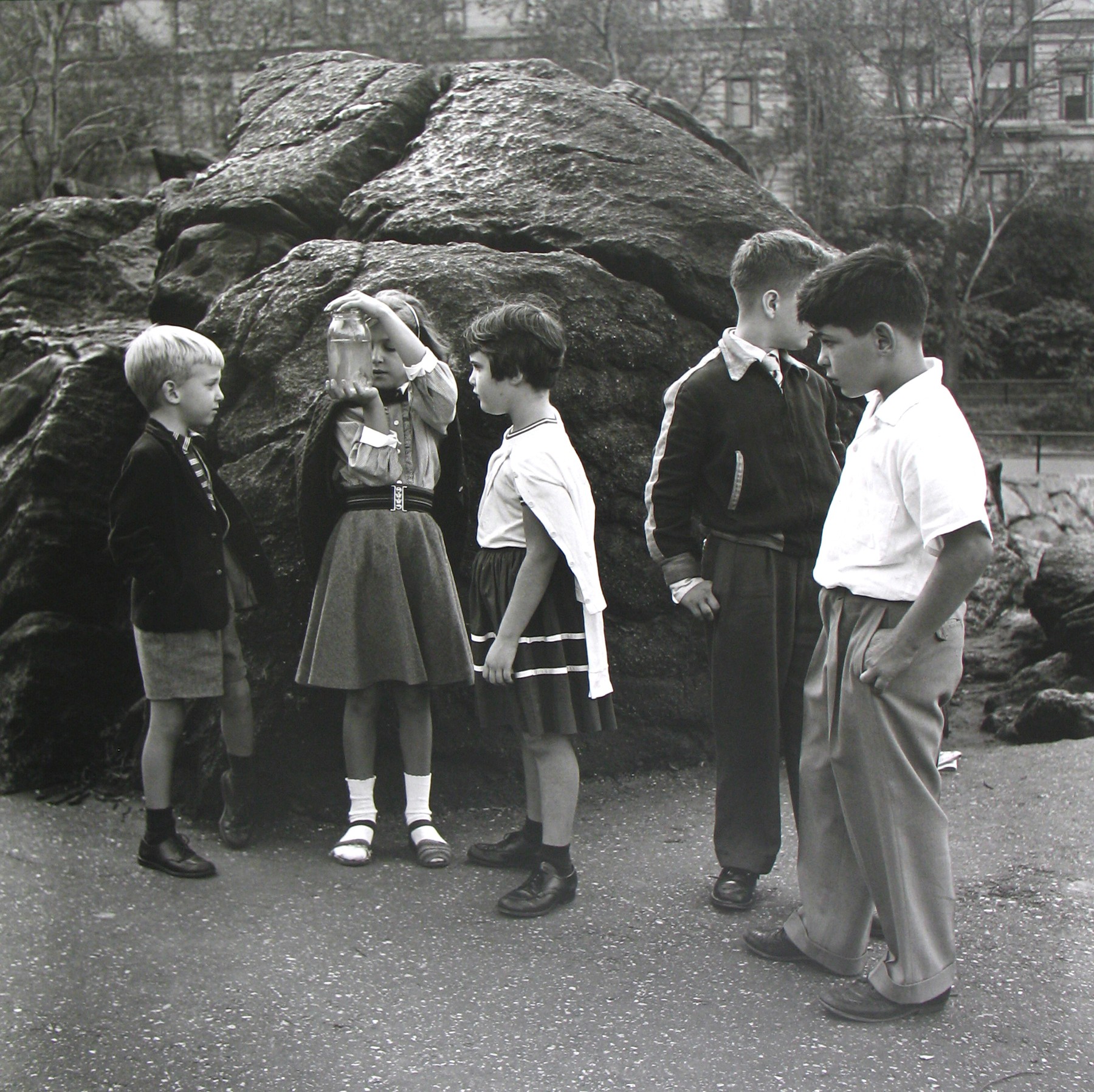
Untitled, New York
1954
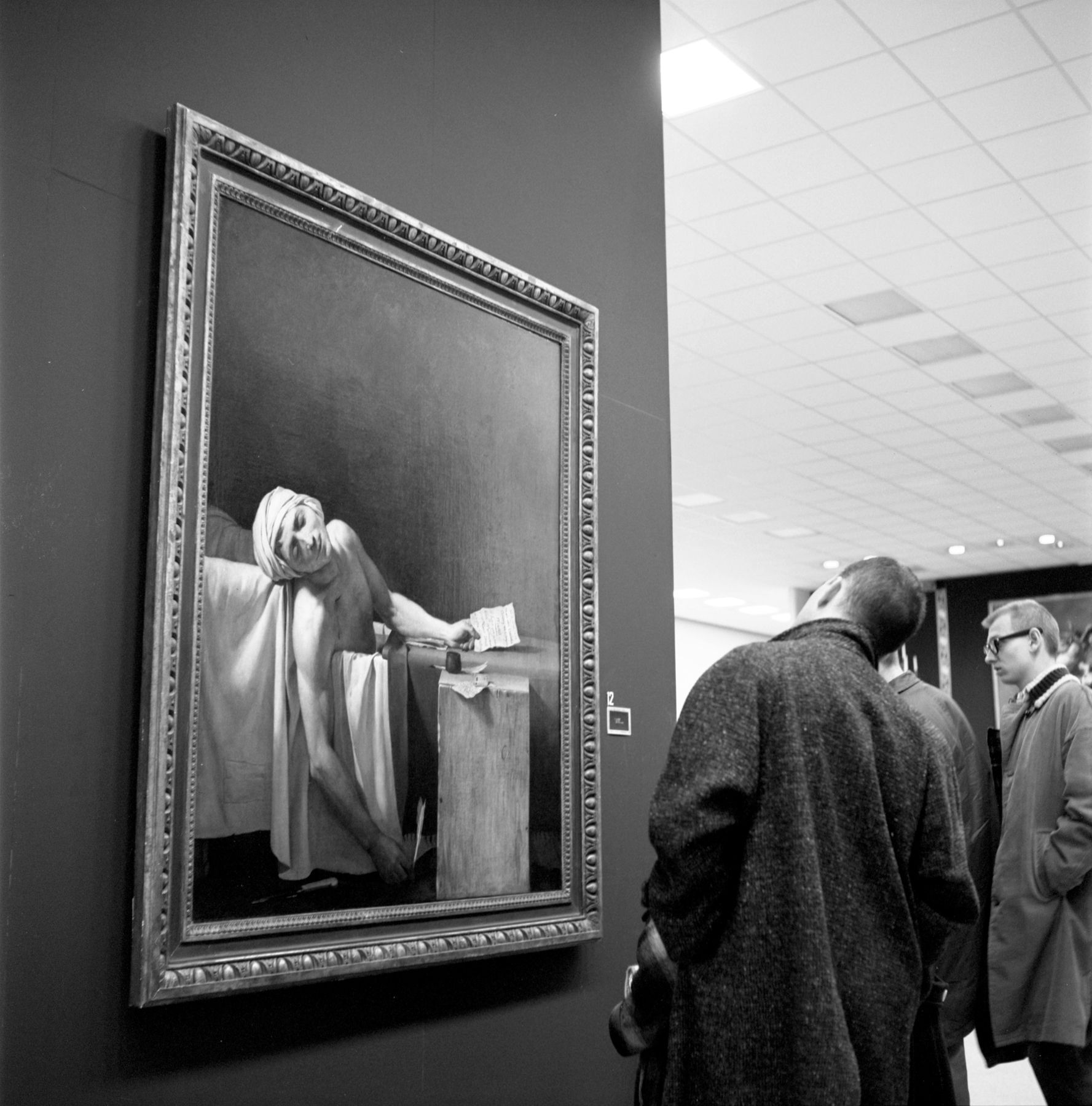
Chicago
1962
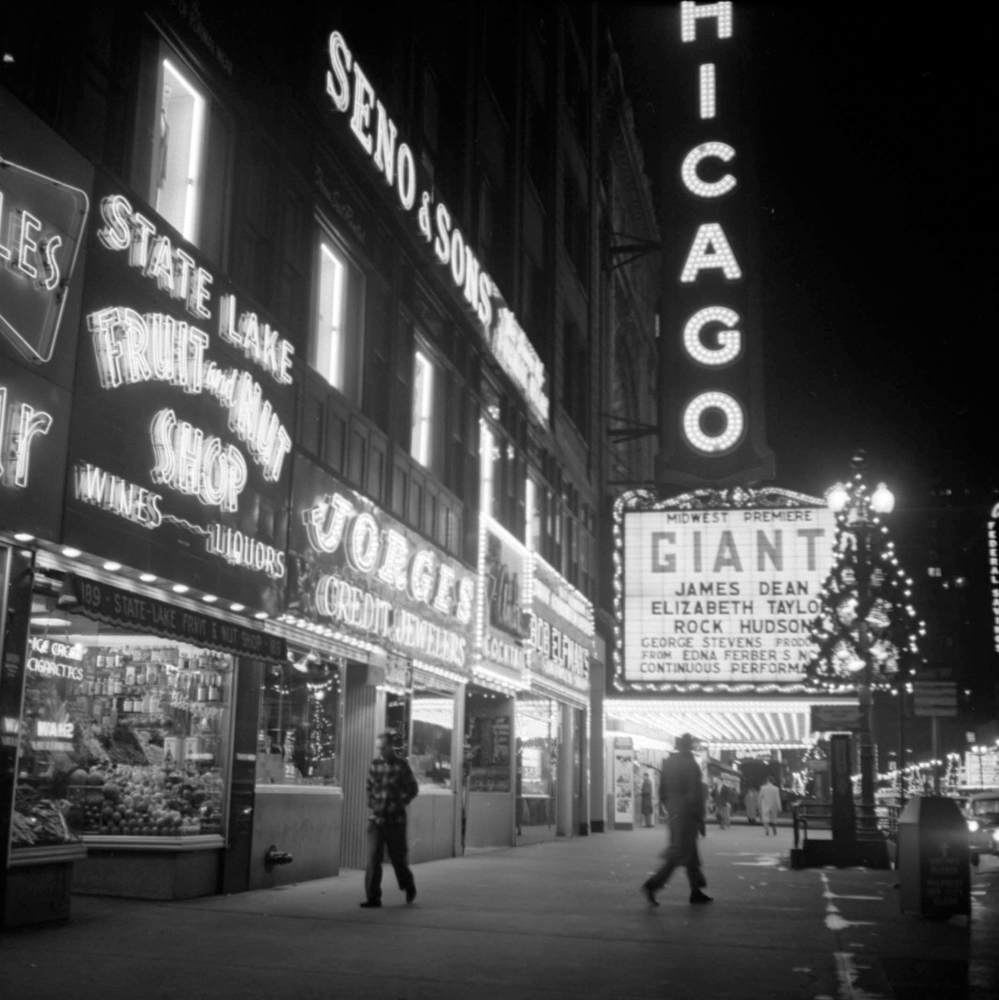
Chicago
1956
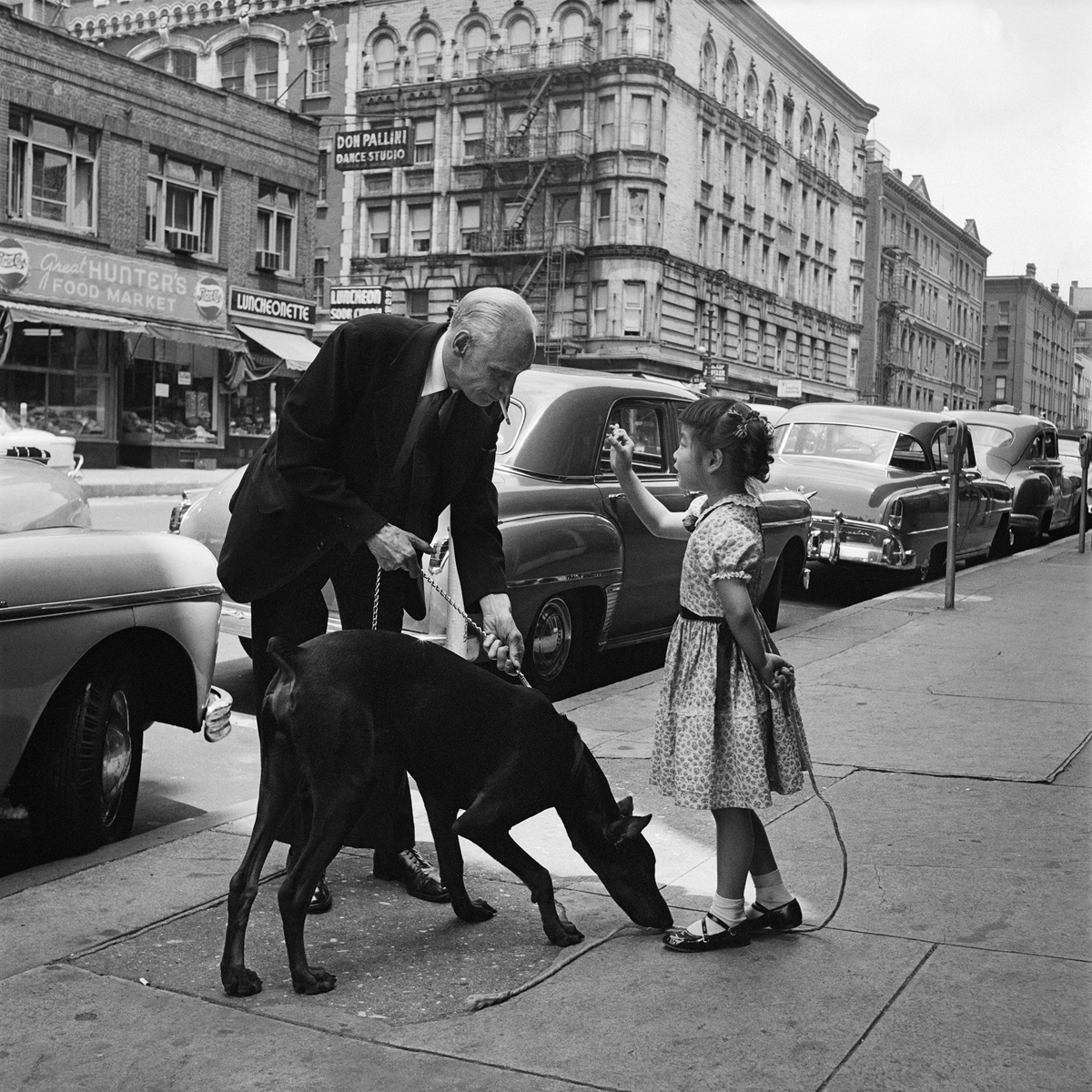
New York
c. 1955

Chicago
1972
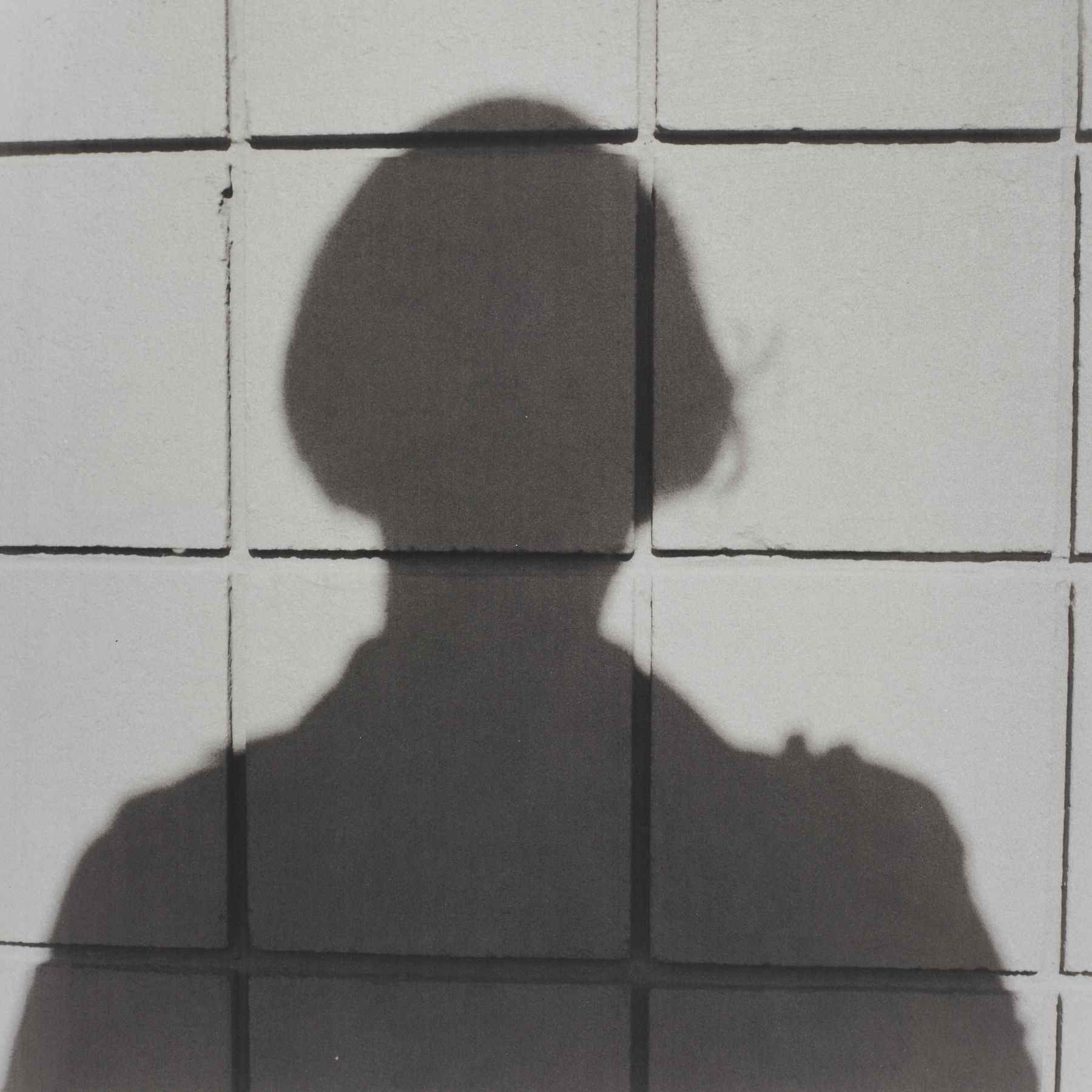
Self-Portrait
Undated
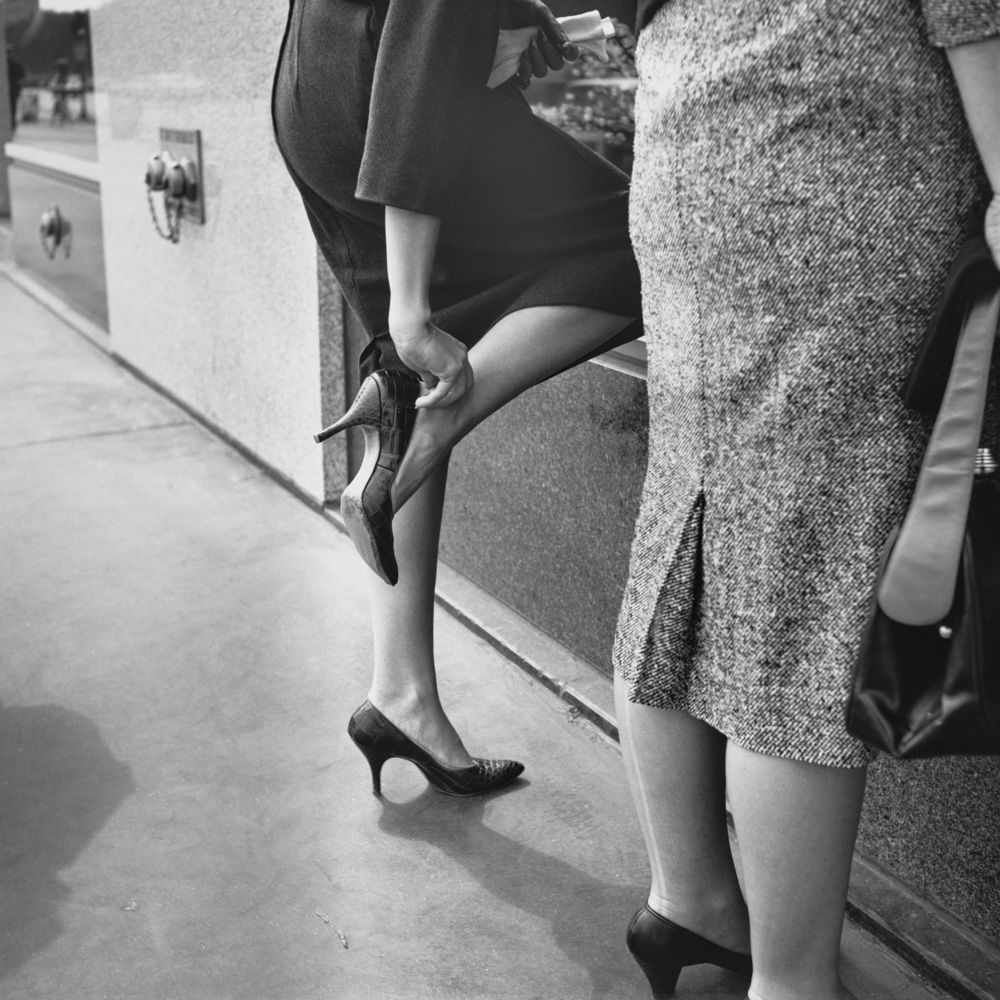
Chicago
1961
The secret street photographer whose extraordinary archive of over 100,000 negatives was discovered in a Chicago storage locker, revealing one of the most gifted and enigmatic eyes in the history of the medium.
1926, New York City – 2009, Chicago, Illinois — American
Self-Portrait, New York
c. 1955
Untitled, New York
1954
Chicago
1962
Chicago
1956
New York
c. 1955
Chicago
1972
Self-Portrait
Undated
Chicago
1961
Vivian Maier is the most remarkable photographic discovery of the twenty-first century. Born in New York City in 1926 to a French mother and an Austrian father, she spent significant portions of her childhood in the village of Saint-Julien-en-Champsaur in the French Alps, where her mother had family connections. This Franco-American upbringing gave her a sensibility that would remain distinctly apart from the mainstream of American life, a quality of permanent outsiderness that infused both her daily existence and the tens of thousands of photographs she would make over the following decades. She returned permanently to the United States in 1951, settling first in New York before moving to Chicago in 1956, and for the next four decades she worked as a nanny for various families on the city's affluent North Shore, all the while pursuing a secret, compulsive, and entirely private photographic practice.
Her camera of choice was the Rolleiflex, a twin-lens reflex that she held at waist level, allowing her to photograph people on the street without raising the camera to her eye. This method gave her an unusual degree of invisibility. She moved through the crowds of New York and Chicago like a ghost, capturing candid moments of urban life with a compositional sophistication that rivals the acknowledged masters of the genre. Her images of street vendors, playing children, well-dressed women, labourers, and the elderly reveal an eye of extraordinary sensitivity, one that could find structure, beauty, and emotional depth in the most fleeting of encounters.
Perhaps the most striking aspect of her work is the self-portraits. Throughout her career, Maier photographed her own reflection in shop windows, mirrors, puddles, and shadows, creating a visual autobiography of a woman who otherwise left almost no trace of her inner life. These images are at once playful and melancholy, revealing a keen self-awareness and a fascination with her own presence in the world she so compulsively documented. In some she appears as a looming shadow on the pavement; in others she is a ghostly figure in a darkened window. Taken together, they form one of the most sustained and original bodies of photographic self-portraiture ever produced.
The circumstances of her archive's discovery are as extraordinary as the photographs themselves. In 2007, John Maloof, a young Chicago real estate agent researching a book on the city's Northwest Side, purchased a box of negatives at a storage auction for approximately four hundred dollars. The contents of the box stunned him. He began scanning the negatives and posting them on the internet, where they attracted immediate and astonished attention from the photography world. Further investigation revealed that the storage locker contained over 100,000 negatives, thousands of rolls of undeveloped film, and hundreds of prints, all produced by a woman named Vivian Maier about whom virtually nothing was known.
Maier died in Chicago in 2009 at the age of eighty-three, never knowing that her photographs would be seen by anyone. The posthumous explosion of fame that followed was without precedent in the history of photography. Exhibitions of her work began appearing in galleries and museums around the world. Critics drew comparisons to Diane Arbus, Lee Friedlander, and Garry Winogrand, the acknowledged titans of American street photography, and many argued that Maier belonged in their company. In 2013, the documentary Finding Vivian Maier, directed by Maloof and Charlie Siskel, was released to critical acclaim and nominated for an Academy Award, bringing her story and her images to a global audience.
Yet the questions surrounding Maier have proved as compelling as the photographs. Why did she never show her work? Why did she leave thousands of rolls of film undeveloped? Was she a tortured perfectionist, a compulsive hoarder, or simply someone for whom the act of seeing was sufficient in itself? Those who knew her described a fiercely private, sometimes difficult woman who accumulated vast quantities of newspapers, books, and objects, and who guarded her personal life with an intensity that bordered on paranoia. She never married, had no children, and maintained no close friendships. Her employers remembered her as an excellent caretaker of children but an enigmatic and occasionally unsettling presence in their homes.
The debate about artistic intent and posthumous exploitation has followed Maier's work from the beginning. Some critics have questioned whether it is ethical to exhibit and profit from photographs that their maker never chose to share, arguing that Maier's privacy should be respected even in death. Others counter that the quality of the work speaks for itself, and that to suppress it on the grounds of presumed intent would be a far greater loss. The legal battles over the ownership of her archive have added further complexity to these discussions, raising difficult questions about who has the right to control a dead artist's legacy.
What remains beyond dispute is the power of the photographs. Maier's street images of New York in the 1950s and Chicago from the 1960s through the 1970s constitute a remarkable document of American urban life, shot with an empathetic eye and an unerring sense of composition. Her archive, now comprising over 100,000 negatives, continues to be exhibited in museums and galleries worldwide, and her reputation has only grown with each new body of work that is printed and shown. She is now recognised as one of the most significant street photographers of the twentieth century, a secret master whose work was made in silence, seen by no one during her lifetime, and discovered only by chance after her death.
Vivian Maier left no known written statements about her photography. Her images speak for themselves — tens of thousands of them, made in silence, seen by no one, and discovered only after her death. On Vivian Maier
An extraordinary body of images in which Maier captured her own reflection in shop windows, mirrors, and shadows, creating a visual autobiography of a woman who otherwise left almost no trace of her inner life.
Candid images of New York street life shot on a Rolleiflex, demonstrating a compositional sophistication and empathetic eye that rivals the acknowledged masters of the genre.
Decades of Chicago street photography revealing Maier's extraordinary range, from tender portraits of children to unflinching images of urban poverty, captured while working as a nanny on the North Shore.
Born in New York City to a French mother and Austrian father. Spends part of her childhood in the village of Saint-Julien-en-Champsaur in the French Alps.
Returns permanently to the United States and settles in New York, working as a nanny and photographing the city's streets with a Rolleiflex camera.
Moves to Chicago, where she will work as a nanny for various families on the North Shore for the next four decades while compulsively photographing the city.
Takes a solo trip around the world, photographing in Manila, Bangkok, Beijing, Egypt, Italy, and France.
Transitions from the Rolleiflex to 35mm cameras, including the Leica. Begins shooting colour film alongside black and white.
Accumulates hundreds of undeveloped rolls of film. Her hoarding tendencies intensify and she becomes increasingly reclusive.
John Maloof purchases a box of her negatives at a Chicago storage auction. He begins scanning and posting the images online, where they attract immediate attention.
Dies in Chicago at the age of eighty-three, never knowing that her photographs would be seen by millions.
The documentary Finding Vivian Maier is released, bringing her story and work to a global audience and igniting debates about posthumous fame and artistic intent.
Her archive, now comprising over 100,000 negatives, continues to be exhibited worldwide, establishing Maier as one of the most significant street photographers of the twentieth century.
Interested in discussing photography, collaboration, or just want to say hello? I’d love to hear from you.
Contact →