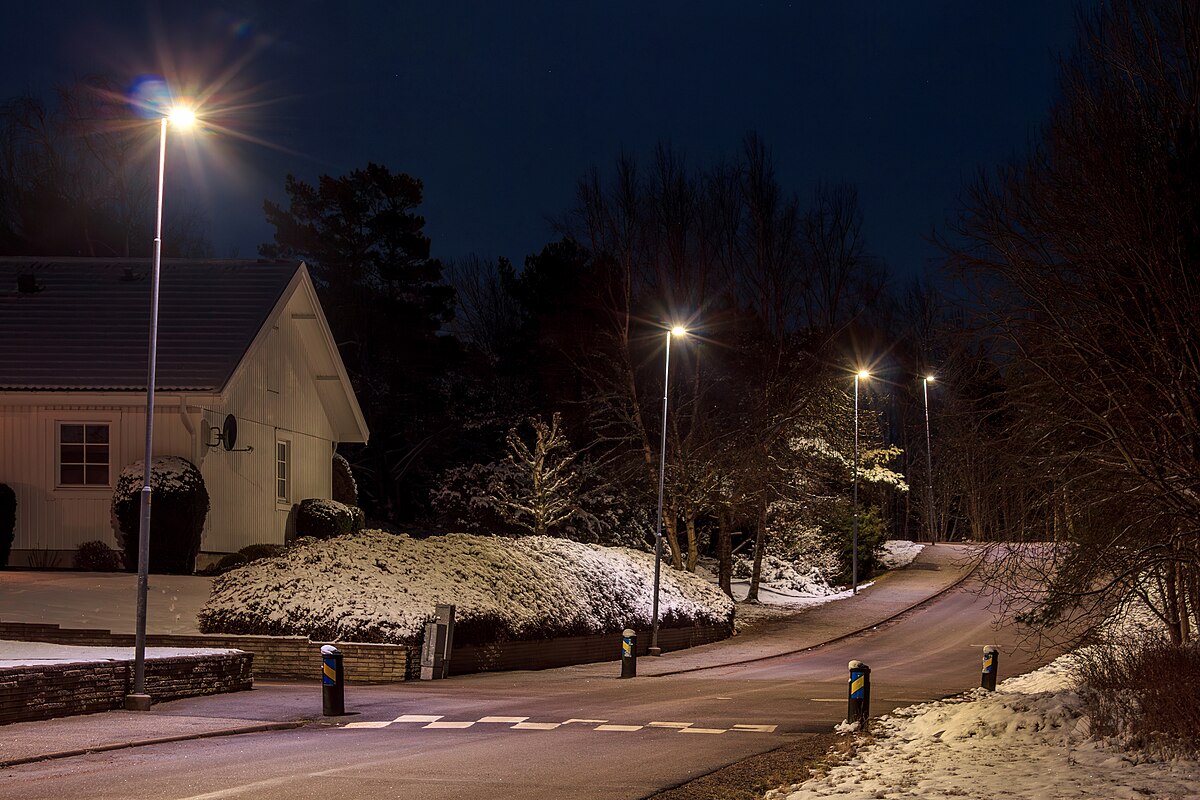
Todd Hido was born in 1968 in Kent, Ohio, a small Midwestern town whose quiet streets, modest houses, and overcast skies would become the emotional landscape of his entire body of work. He grew up in a turbulent household, and the tensions of his childhood — the gap between the orderly exterior of suburban life and the disorder within — would prove to be the central preoccupation of his photography. He studied at the School of the Museum of Fine Arts in Boston and then at the California College of the Arts in Oakland, where he completed his MFA in 1996. It was during his graduate studies that he began the work that would define his career: driving through suburban neighbourhoods at night and photographing houses whose lit windows glowed against the darkness like stages waiting for a drama to unfold.
The resulting series, House Hunting, published in 2001, established Hido as one of the most distinctive voices in contemporary American photography. The images are deceptively simple: a tract house seen from the street, its windows warm with interior light, its yard dark and undefined, the surrounding neighbourhood rendered in tones of blue, amber, and black. There are no people visible, yet these photographs are intensely human. Each house suggests a narrative — of the lives within, of the secrets behind the curtains, of the dramas playing out in kitchens and bedrooms that we can sense but never see. Hido has spoken of how these images are rooted in his own childhood experience of approaching his family home and feeling a mix of longing and dread, never knowing what atmosphere awaited inside.
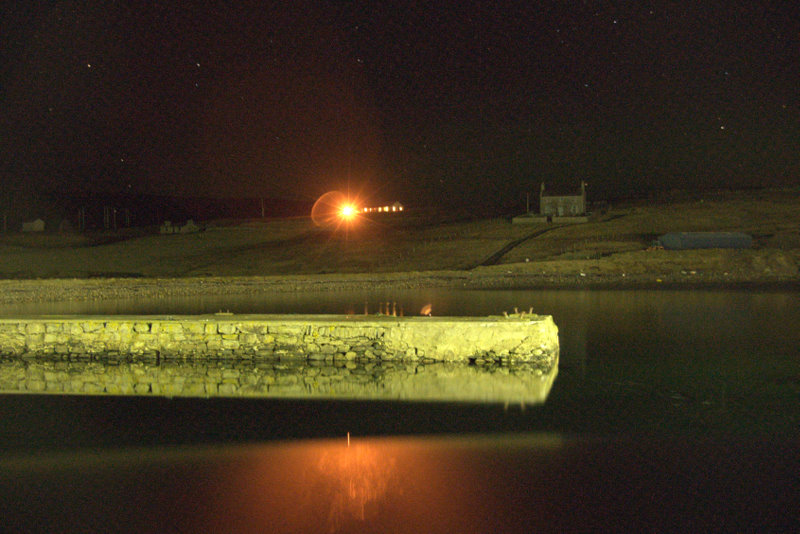
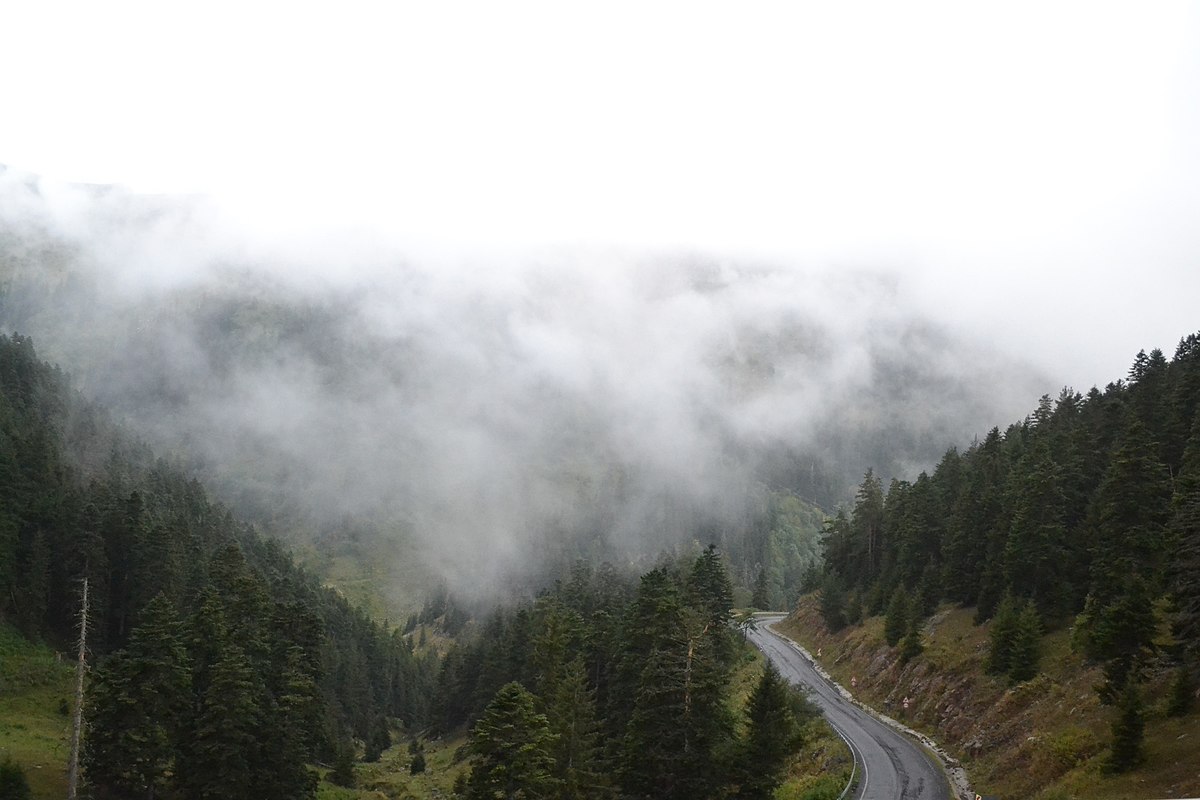
Hido's technical approach is inseparable from his emotional sensibility. He works primarily with medium-format film, shooting in available light or in the ambient glow of street lamps and house lights, often in conditions of rain, fog, or snow. The resulting photographs have a soft, grain-rich quality that recalls the look of 1970s cinema — the films of Terrence Malick, Wim Wenders, and David Lynch are frequently cited as parallels — and this cinematic quality extends to the narrative ambiguity of the images themselves. Hido's photographs feel like stills from a film that has not yet been made, or from a memory that is not quite accessible, and it is this quality of suspended narrative that gives them their peculiar emotional power.
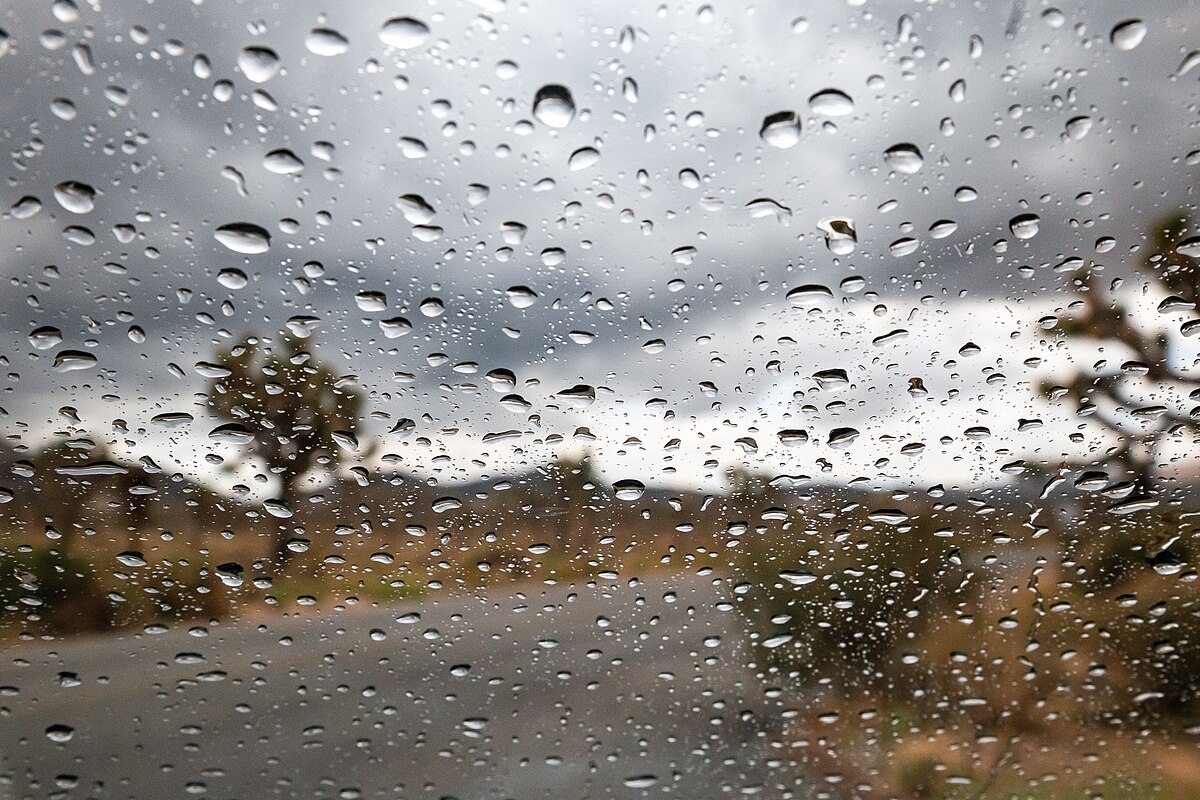
In subsequent projects, Hido expanded his vocabulary while maintaining the same atmospheric register. Roaming (2004) introduced landscapes shot through rain-streaked windshields, creating images of blurred roads, distant hills, and obscured horizons that evoked the phenomenology of the road trip as an exercise in solitude and perception. Between the Two (2007) brought the human figure into his work for the first time, with portraits of women in anonymous motel rooms and dim interiors, their faces often partially obscured or turned away, their bodies caught in states of vulnerability and withdrawal. These images, while raising questions about the male gaze and the representation of women, are characterised by a tenderness and a psychological complexity that distinguish them from more exploitative traditions.
Hido's most ambitious and personal project, Excerpts from Silver Meadows (2013), wove together his nocturnal houses, road landscapes, figure studies, and found family snapshots from his own childhood into a single, non-linear narrative that explored the relationship between memory, landscape, and emotional trauma. The book, designed with the attention to sequence and pacing of a novel, was widely regarded as a landmark in the contemporary photobook and a deeply courageous act of personal excavation.
Based in San Francisco, Hido has exhibited widely at institutions including the Corcoran Gallery of Art in Washington, the Kemper Museum of Contemporary Art, the Cleveland Museum of Art, and the Galerie Karsten Greve in Paris and Cologne. His work is held in numerous permanent collections, and he has published more than a dozen monographs. He teaches at the California College of the Arts, where his influence on a generation of younger photographers has been significant, particularly in his insistence that photography can be simultaneously autobiographical and universal, specific and mysterious.