Thomas Joshua Cooper was born in San Francisco in 1946 and raised in the American West, where the vast landscapes of California and the desert Southwest formed the earliest coordinates of his visual imagination. He studied at Humboldt State College in Northern California before undertaking graduate work at the University of New Mexico in Albuquerque, where he came under the influence of Beaumont Newhall and the landscape tradition associated with the American West. But Cooper's relationship to that tradition would prove far more radical and solitary than the panoramic vistas of his predecessors. Where Ansel Adams sought grandeur and Edward Weston sought formal perfection, Cooper would pursue something closer to a spiritual encounter with the margins of the earth itself.
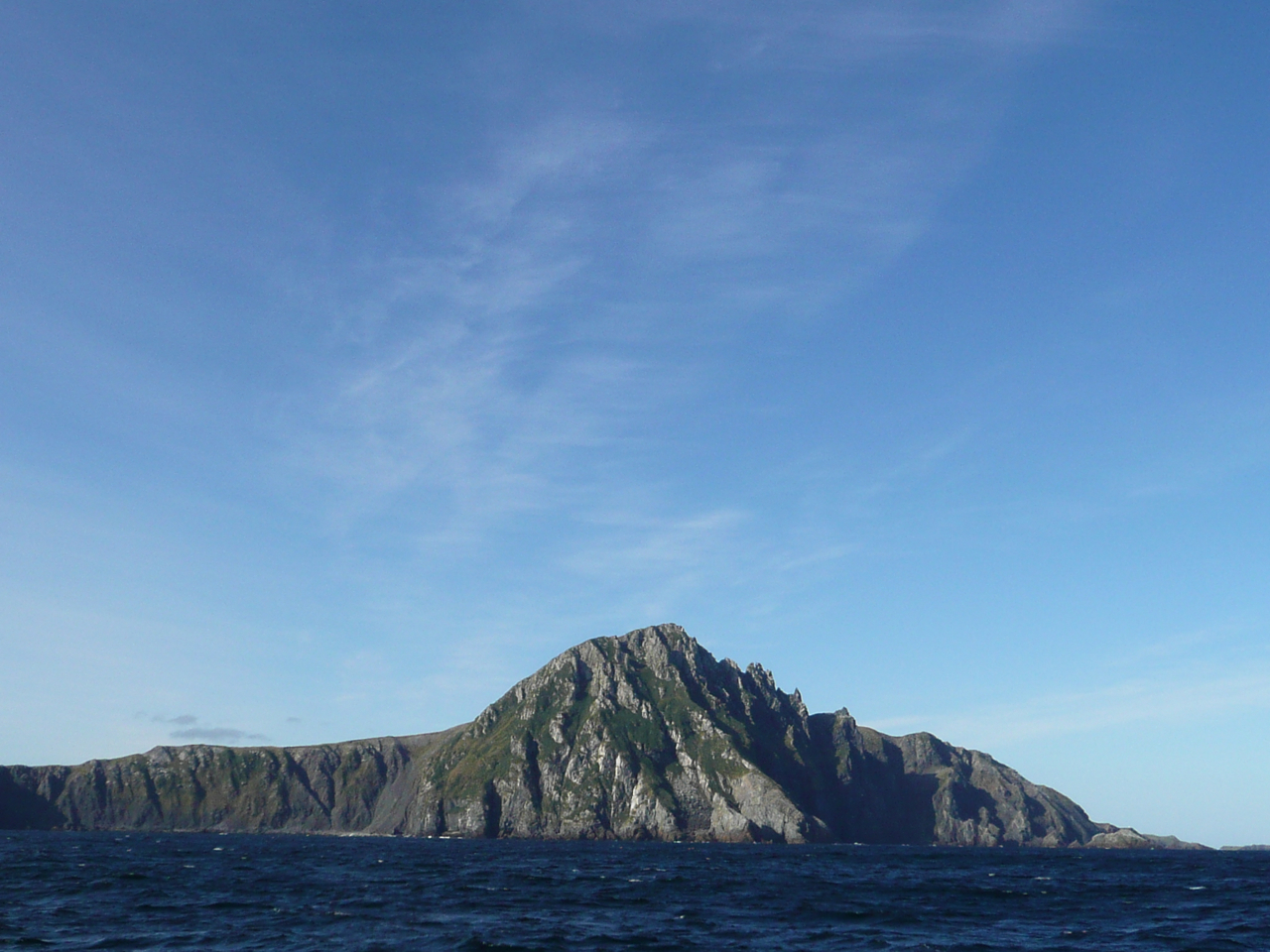
In 1982, Cooper moved to Glasgow, Scotland, to take up a position as the founding head of the Fine Art Photography Department at the Glasgow School of Art, a role he held for over three decades. Scotland's rugged coastline and its proximity to the North Atlantic became the axis of his life's work. He began a project of breathtaking ambition: to photograph the extreme points — the northernmost, southernmost, easternmost, and westernmost — of every landmass touched by the Atlantic Basin. This enterprise, which he titled The World's Edge, would consume more than thirty years and take him to some of the most inaccessible places on the planet, from Cape Horn to North Cape, from the Falkland Islands to the volcanic shores of Iceland.
Cooper works exclusively with a large-format Agfa field camera, a nineteenth-century instrument that demands extraordinary patience and physical commitment. He makes only a single exposure at each location — never two, never a safety shot — a discipline that transforms each photograph into an unrepeatable act of witness. The resulting images, printed as rich silver-gelatin contact prints, possess a luminosity and tonal depth that no digital process can replicate. They are not panoramas but concentrated studies, often of a single stretch of water meeting rock, or of a horizon line dissolving into mist, composed with a formal restraint that owes as much to minimalist painting as to the history of photography.
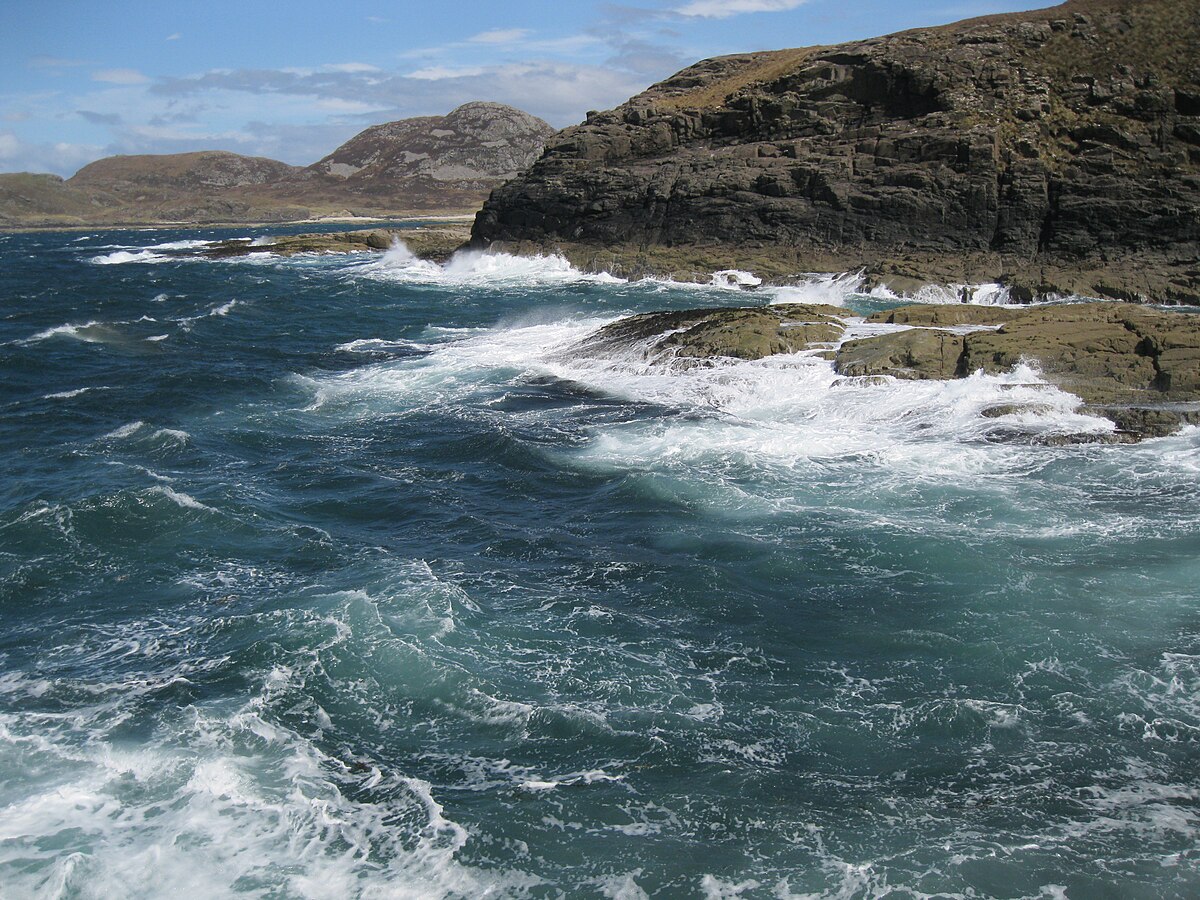
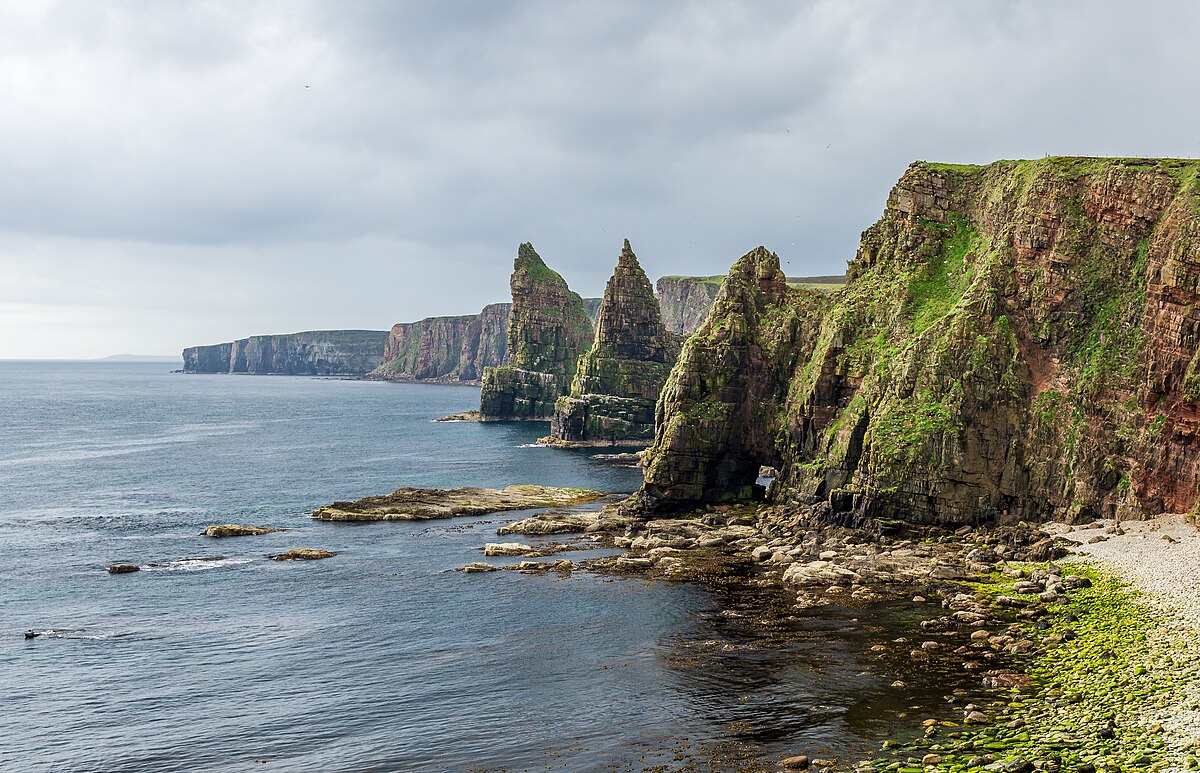
The physical demands of Cooper's practice are inseparable from its meaning. Reaching the extreme points he photographs often requires days of travel by boat, helicopter, or on foot through terrain that is genuinely dangerous. He has described his journeys as pilgrimages, and there is something of the medieval pilgrim's devotion in his willingness to endure hardship in pursuit of a vision. The locations themselves — headlands battered by oceanic weather, volcanic promontories surrounded by churning seas, arctic cliff faces shrouded in fog — are places where the land gives way to the vastness of the ocean, where the human encounter with the sublime is not a metaphor but a physical reality.
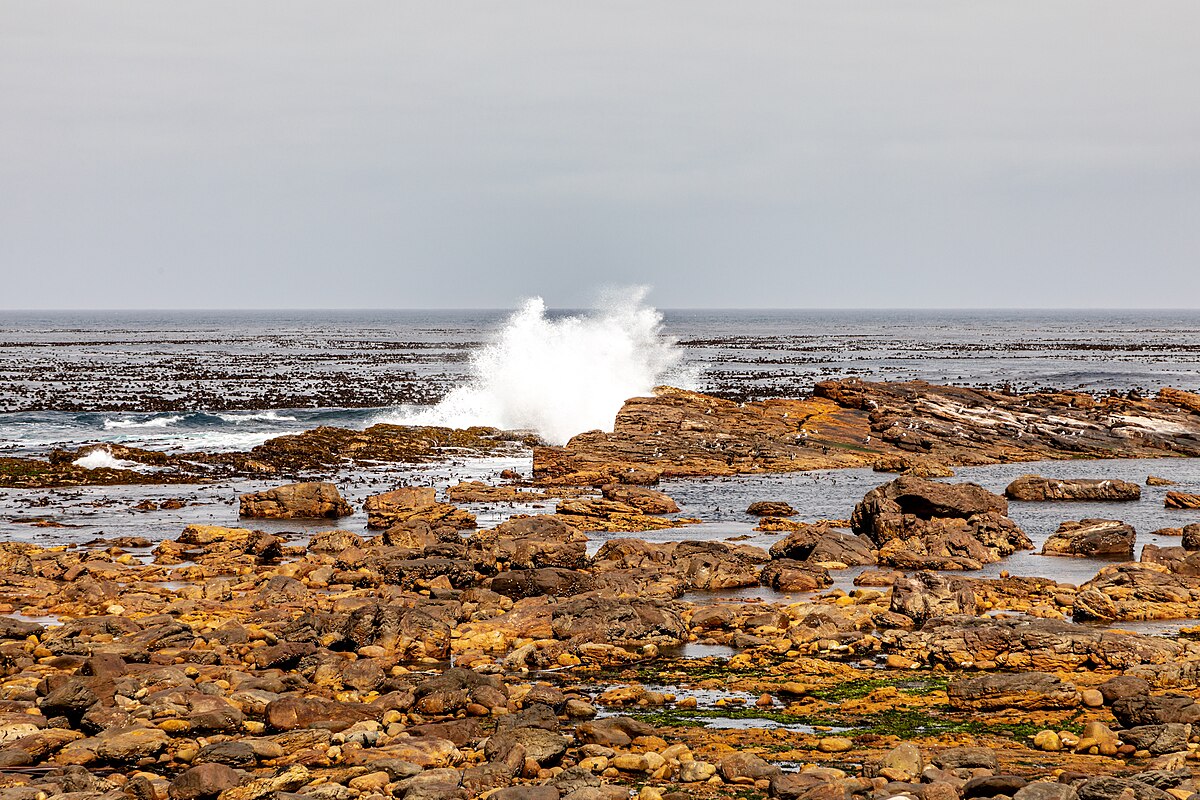
Cooper's photographs resist the conventions of landscape photography. They are not views in the traditional sense; they do not invite the eye to wander across a scene or to rest upon a picturesque composition. Instead, they confront the viewer with the irreducible fact of a place at the edge of the world, rendered with such tonal subtlety and formal precision that the image seems to vibrate between the material and the transcendent. The sea in a Cooper photograph is never merely water; it is an elemental force, ancient and indifferent, and his images register its presence with a gravity that borders on the sacred.
His work has been exhibited at major institutions worldwide, including the Los Angeles County Museum of Art, the National Galleries of Scotland, the Hasselblad Center in Gothenburg, and the Yale Center for British Art. In 2019, a major retrospective, The World's Edge, was mounted at the Los Angeles County Museum of Art, bringing together decades of work in a single, overwhelming installation. Cooper has also published several books, including Between Dark and Dark and Simply Counting Waves, which combine his photographs with texts that are themselves works of literary art — meditative, allusive, and steeped in the vocabulary of exploration and spiritual seeking.
Cooper was awarded an honorary doctorate by the University of Glasgow and has received the Scottish Arts Council Creative Scotland Award and the Hasselblad Foundation International Photography Award nomination. His influence as a teacher at the Glasgow School of Art has been profound, shaping a generation of Scottish and international artists who have absorbed his conviction that photography, at its most serious, is an act of witness that requires the artist to be fully present, physically and spiritually, at the moment of exposure.
Now in his late seventies, Cooper continues to pursue The World's Edge project, travelling to the remaining extreme points of the Atlantic Basin with the same single-minded devotion that has defined his career. His body of work stands as one of the most sustained and ambitious engagements with landscape in the history of the medium — not a survey of scenery but a lifelong pilgrimage to the places where the earth meets the ocean, and where the act of photography becomes an encounter with the limits of human perception.