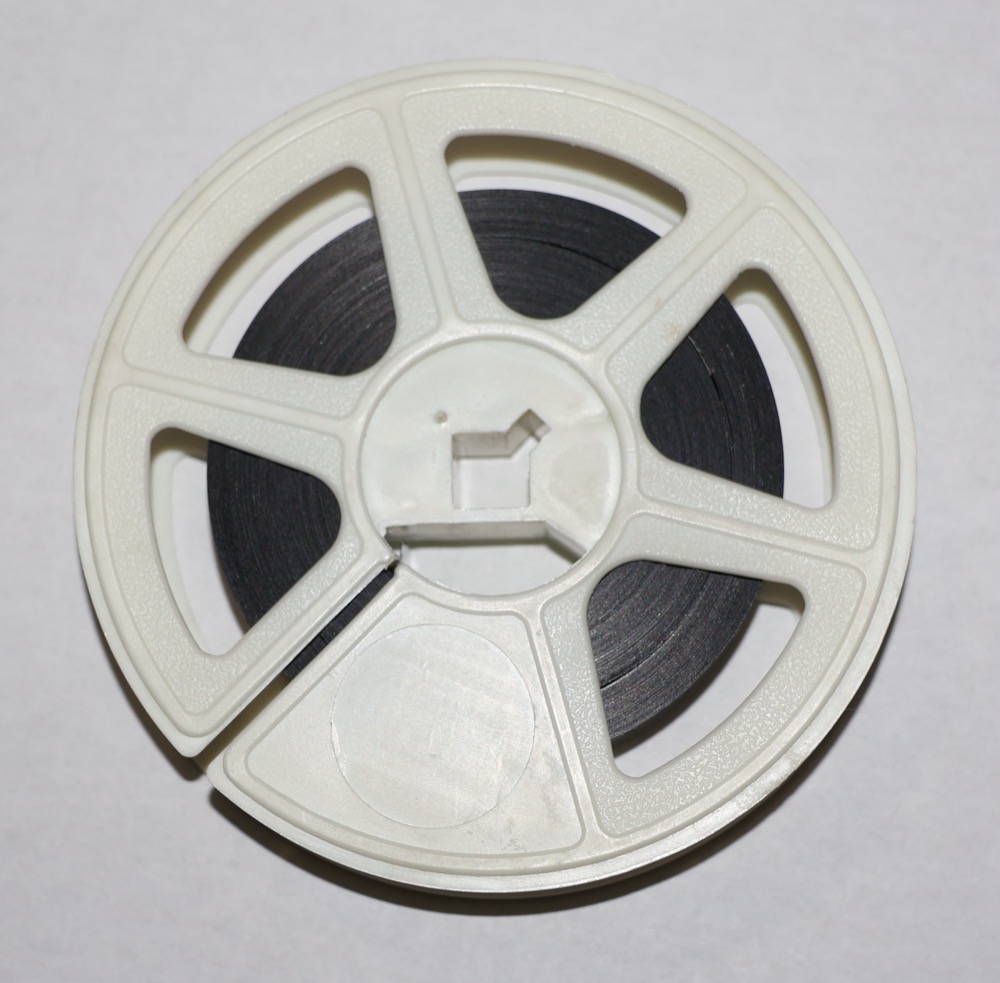
Tacita Dean was born in Canterbury, Kent, in 1965, and grew up in a family that valued the arts without being part of the art world. She studied at the Falmouth School of Art in Cornwall and later at the Slade School of Fine Art in London, where she began to develop the practice that would make her one of the most acclaimed and distinctive artists of her generation. From the beginning, Dean was drawn to analogue processes — to 16mm film, to photography, to drawing, and to the physical materiality of image-making in an age that was rapidly embracing the digital. This commitment to the analogue was not mere nostalgia but a considered artistic and philosophical position, rooted in the conviction that the imperfections, accidents, and material qualities of analogue media are not limitations to be overcome but essential expressive resources.
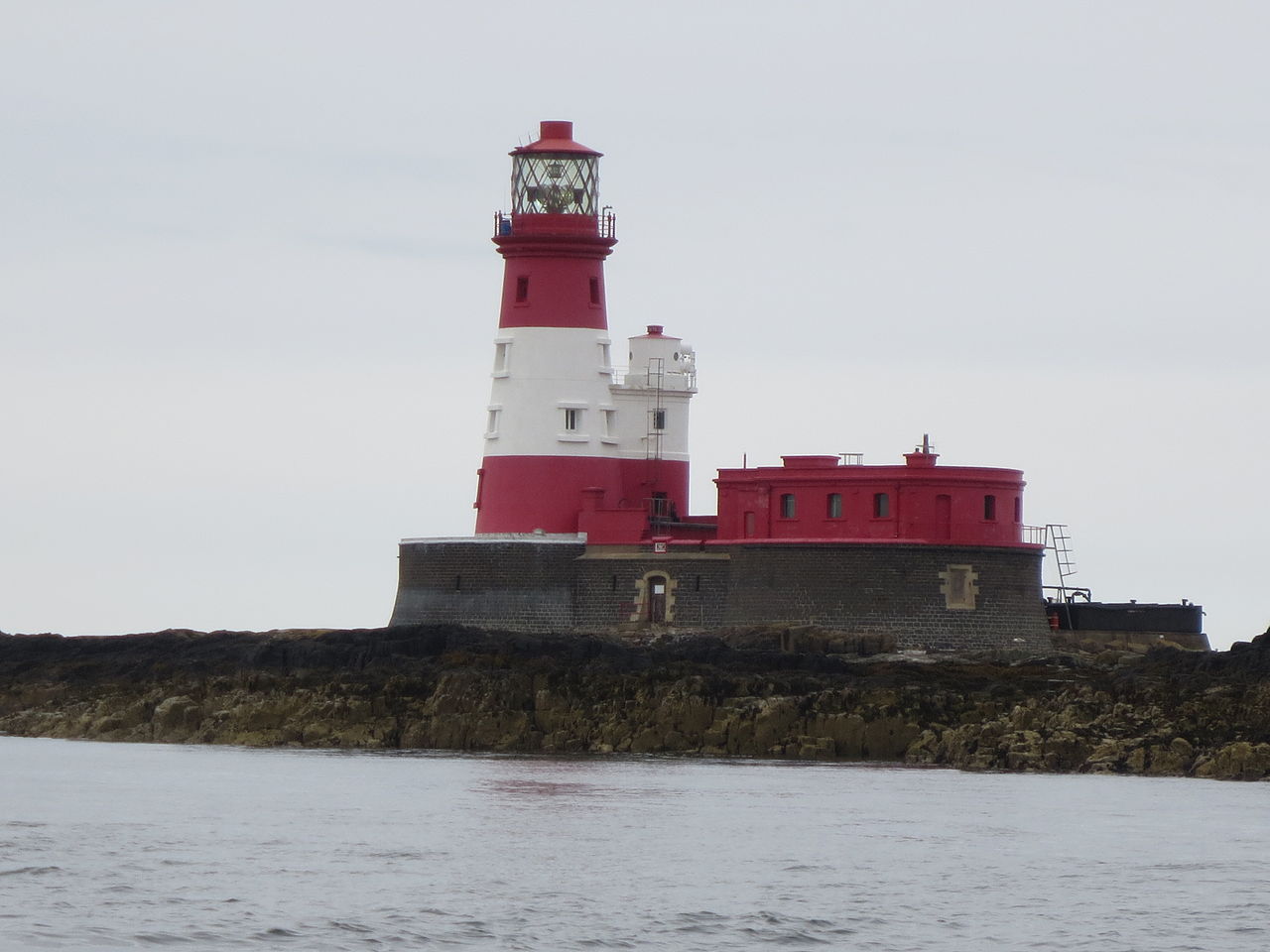
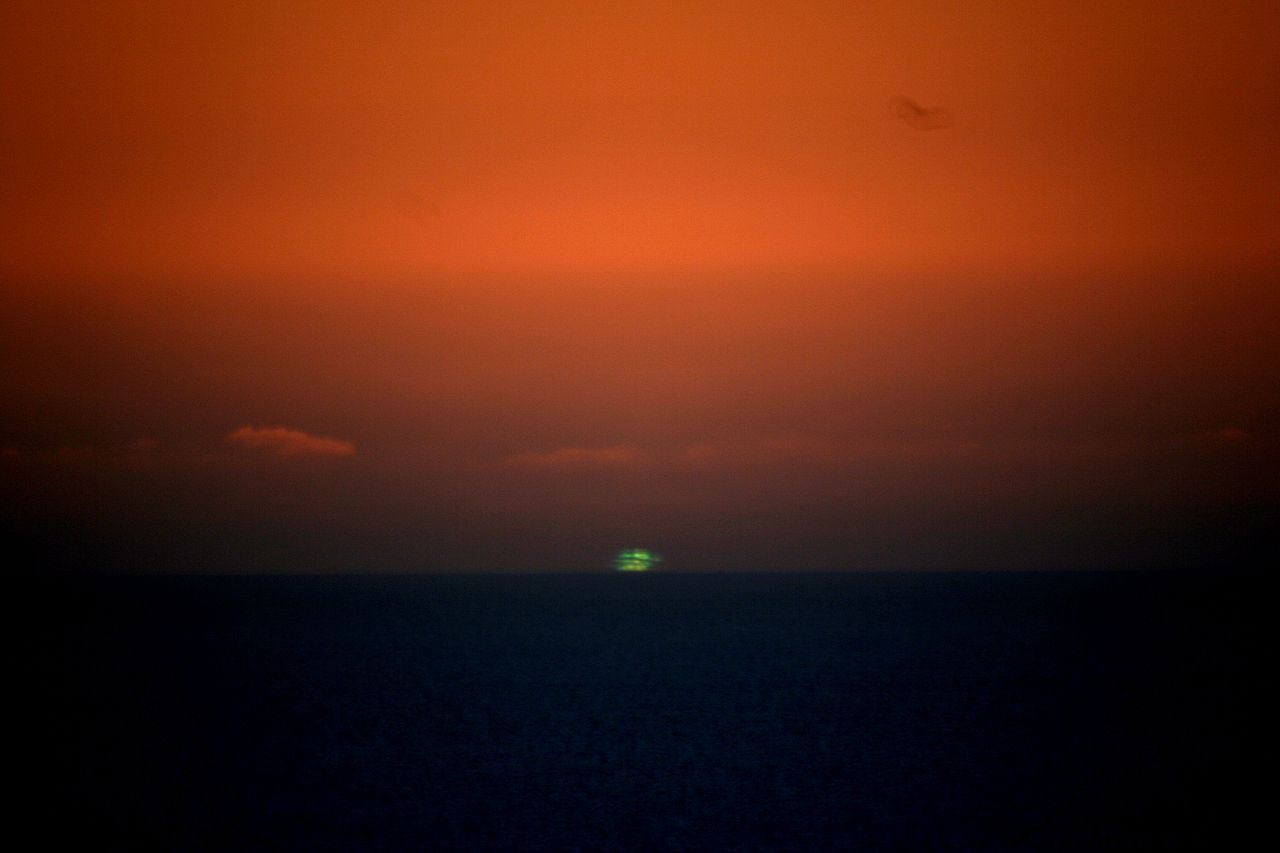
Dean's earliest significant works were 16mm films that established many of the themes that would preoccupy her throughout her career: the passage of time, the relationship between chance and intention, the beauty of obsolescence, and the quiet drama of the natural world. Disappearance at Sea (1996), filmed at a lighthouse in Northumberland, traced the rotation of the light as day gave way to darkness, creating a meditation on solitude, navigation, and the boundary between seeing and not seeing. The Green Ray (2001) attempted to capture the rare atmospheric phenomenon that occurs at the moment of sunset, when a flash of green light is briefly visible on the horizon. These films were marked by a patience and a willingness to wait for phenomena that might or might not appear — qualities that aligned Dean with a tradition of contemplative art-making that owed as much to Robert Smithson and Caspar David Friedrich as to the history of cinema.
Dean's engagement with photography, while less widely discussed than her filmmaking, is an essential dimension of her practice. Her most significant photographic work is Floh (2001), a book composed entirely of found photographs collected from flea markets across Europe. The title is German for "flea," a reference to the flea markets where the photographs were found, and the book presents these anonymous, discarded images — portraits, landscapes, snapshots of forgotten occasions — without captions, dates, or any identifying information. The effect is simultaneously poignant and disorienting: stripped of their original contexts, the photographs become pure image, hovering between documentation and abstraction, between the specific and the universal.
Floh raises profound questions about the nature of photography itself. What happens to a photograph when the people it depicts are forgotten, when the occasion it records is lost to memory, when the image is separated from everything that once gave it meaning? Dean's answer is that something persists — a quality of light, a gesture, a configuration of forms — that transcends the photograph's original purpose and speaks to something more fundamental about the act of looking and the passage of time. The book is at once an elegy for the analogue era of photography and a celebration of the medium's enduring capacity to arrest and preserve moments of human experience.
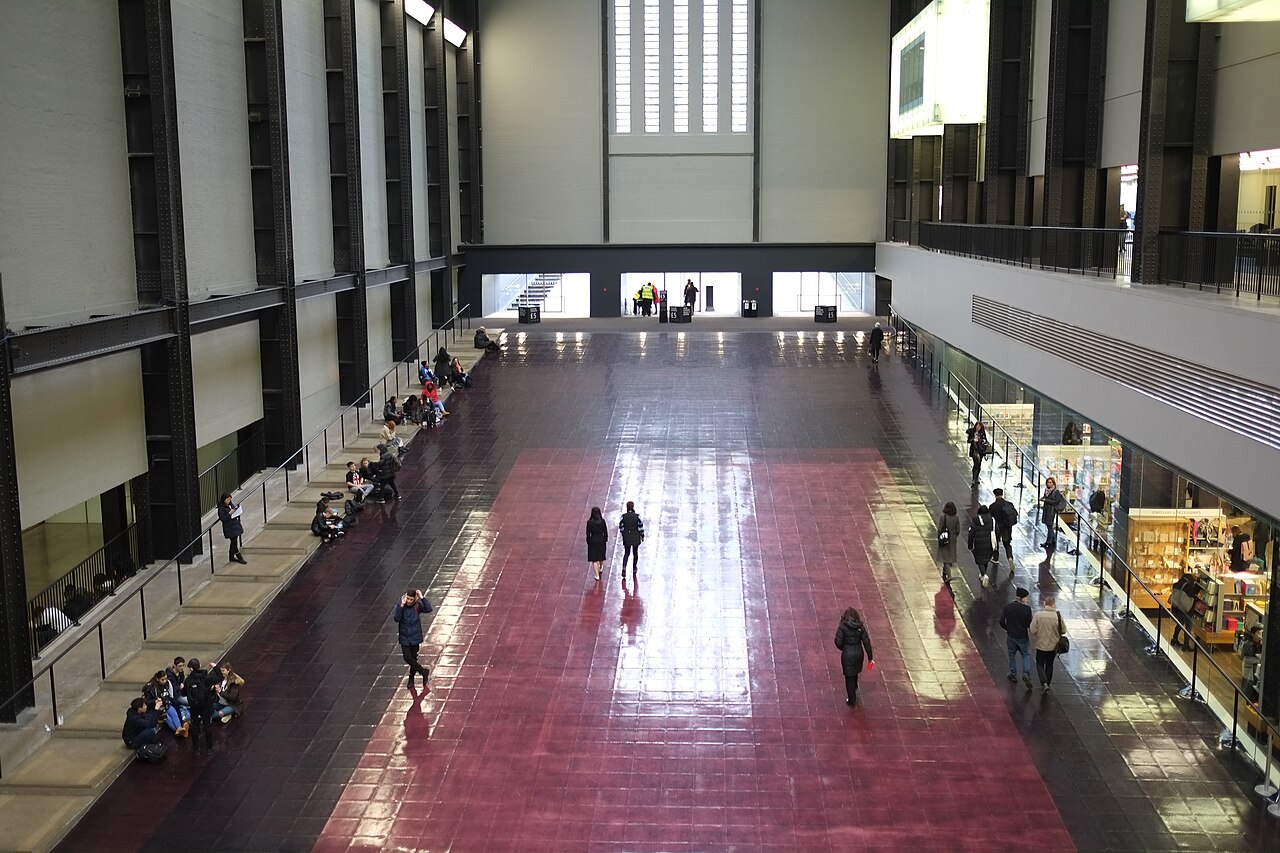
In 2011, Dean was commissioned to create a work for the Turbine Hall at Tate Modern, and she responded with FILM, a monumental 35mm anamorphic film installation that she described as a portrait of film itself. The work was explicitly conceived as a defence of the analogue medium at a moment when Kodak was ceasing production of many of its film stocks and the infrastructure of analogue filmmaking was rapidly disappearing. Dean's Turbine Hall commission became a rallying point for artists, filmmakers, and institutions concerned about the loss of analogue media, and it established her as the most prominent and articulate advocate for the continued use and preservation of film in the contemporary art world.
Dean's advocacy for analogue media extends beyond her own practice. She has written and spoken extensively about the importance of preserving the infrastructure of film production — the laboratories, the technicians, the supply chains — and she played a significant role in the campaign to persuade Kodak to continue manufacturing certain film stocks. Her arguments are not those of a technophobe or a romantic but of an artist who understands that different media produce fundamentally different kinds of images, and that the loss of any medium represents an irreversible impoverishment of the possibilities available to artists.
Beyond film and photography, Dean is an accomplished draughtsman whose large-scale chalk drawings on blackboard and found postcards have been widely exhibited and admired. Her drawings share with her films and photographs a quality of contemplative attention, a sensitivity to the physical properties of materials, and a fascination with the ways in which images accumulate meaning over time. She has been nominated for the Turner Prize, has represented Britain at the Venice Biennale, and has received numerous international awards and honours.
Dean's significance in the context of photography lies in her insistence that the medium is not merely a means of recording appearances but a material practice with its own specific qualities, limitations, and expressive possibilities. At a time when the overwhelming trend in image-making is toward the digital, the instantaneous, and the infinitely reproducible, Dean's work stands as a reminder that there are things that only analogue processes can achieve — qualities of light, texture, accident, and temporal depth that are not flaws to be corrected but the very substance of photographic meaning.