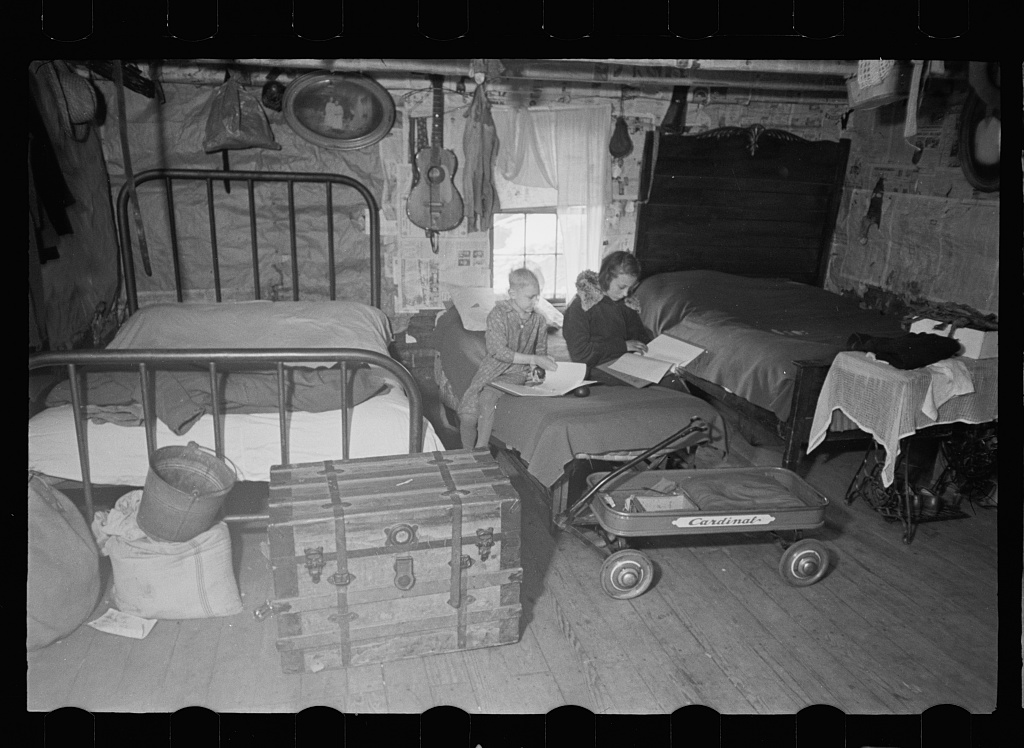
Grapevine — Interior with Light
West Virginia, 1992
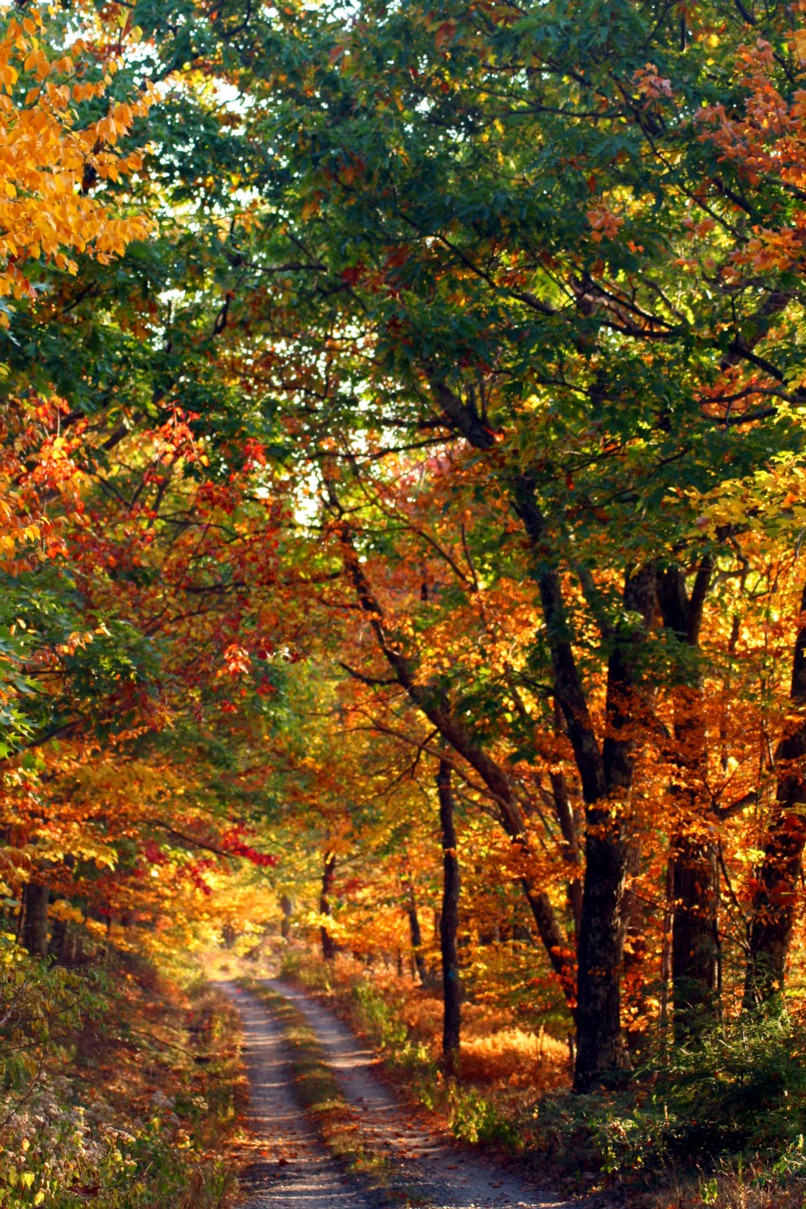
Grapevine — Mountain Road
West Virginia, 1990
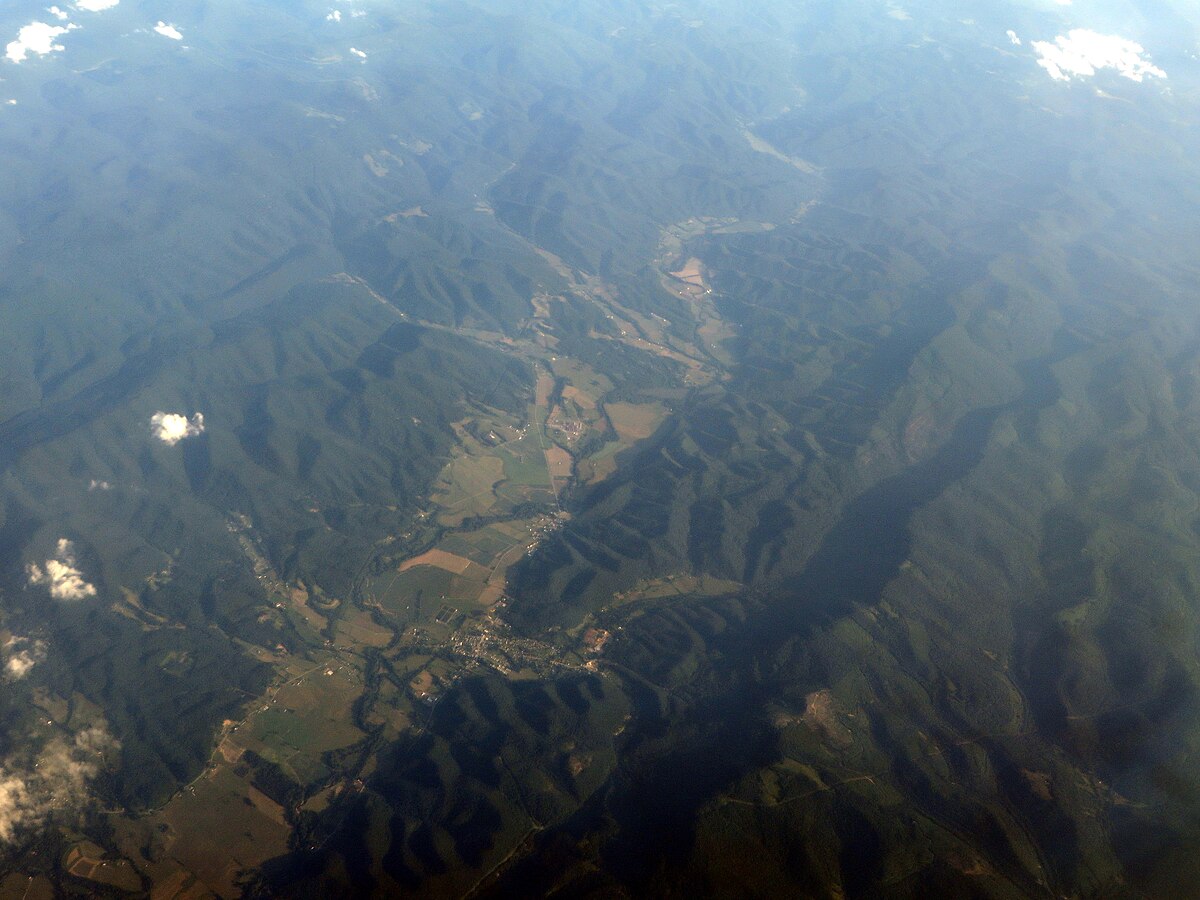
trip — Roadside Landscape
United States, 1999
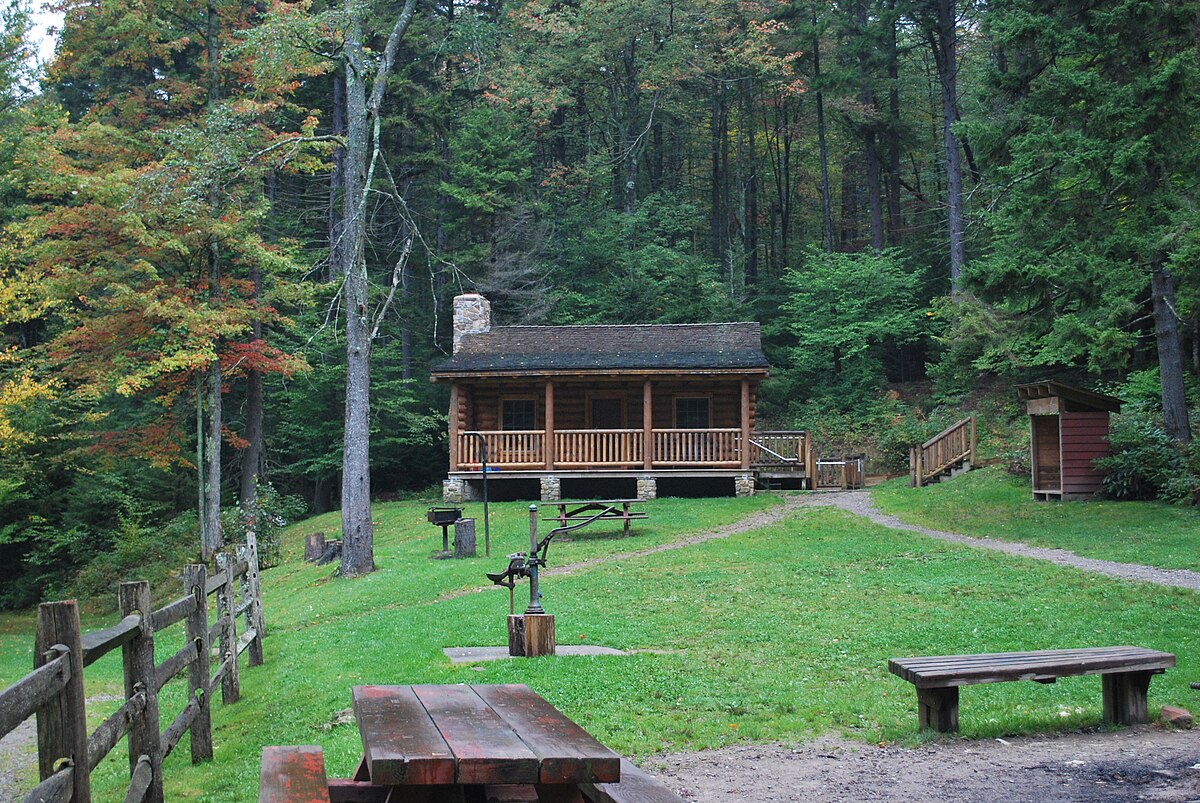
Grapevine — Cabin in the Hollow
West Virginia, 1988
A quietly radical photographer whose sustained engagement with the people and landscapes of rural Appalachia, and later with the American road, has produced some of the most psychologically complex and visually arresting documentary work of the past three decades.
Born 1953, New York — American
Grapevine — Interior with Light
West Virginia, 1992
Grapevine — Mountain Road
West Virginia, 1990
trip — Roadside Landscape
United States, 1999
Grapevine — Cabin in the Hollow
West Virginia, 1988
Susan Lipper was born in New York in 1953 and came to photography after studying at Yale University, where she completed an MFA under the guidance of Tod Papageorge. Her education at Yale placed her within one of the most rigorous programmes in American photography, but her work would develop in directions that departed significantly from the documentary tradition that dominated the programme at the time. Lipper's photography is grounded in close, sustained relationships with her subjects and her environments, and it possesses a psychological intensity and a formal ambiguity that set it apart from conventional documentary practice.
Her most celebrated body of work, Grapevine, was produced over a period of approximately fifteen years, beginning in the late 1980s, in and around the tiny community of Grapevine, West Virginia, a remote hamlet in the Appalachian mountains. Lipper first visited the area by chance and found herself drawn back repeatedly, forming deep and enduring relationships with the people who lived there. The photographs she produced are neither the sympathetic portraits of rural poverty that characterise so much Appalachian documentary work nor the detached formal studies of an outside observer. They are something more complex and more unsettling: intimate, sometimes confrontational images of people and places that resist easy interpretation and refuse to offer the viewer the comfort of a clear narrative.
The Grapevine images include portraits, landscapes, interiors, and details of objects and surfaces that together build a portrait of a community that is at once specific and archetypal. Men pose with guns and dogs; children stare at the camera with expressions that hover between trust and wariness; domestic interiors reveal the accumulated textures of lives lived close to the earth. There is beauty in these images, but it is not the picturesque beauty of calendar landscapes. It is a beauty rooted in directness, in the refusal to prettify or to condemn, and in Lipper's willingness to let ambiguity stand without resolution.
The work was published in three volumes — Grapevine (1994), trip (1999), and bed (2005) — that together form a trilogy tracing an arc from the specific community of Grapevine outward into the broader American landscape and inward into the most private spaces of domestic life. trip took Lipper onto the American road, producing images of motels, highways, and transient spaces that share the psychological tension of the Grapevine work but transpose it into a more mobile and anonymous register. bed, the most intimate of the three volumes, focused on the spaces where people sleep, love, and are most vulnerable, creating a claustrophobic and emotionally charged sequence of images that pushed the boundaries of documentary intimacy.
Lipper's approach to her subjects is distinguished by the length of time she is willing to invest. Where many documentary photographers parachute into a community, produce a body of work, and move on, Lipper's engagement with Grapevine spanned well over a decade, and the depth of her relationships with her subjects is visible in the photographs themselves. There is a reciprocity in her best images — a sense that the people she photographs are not merely being observed but are actively participating in the creation of the image, meeting the camera's gaze with their own complex and irreducible presence.
Her work has been exhibited at institutions including the Museum of Modern Art in New York, the San Francisco Museum of Modern Art, and the Victoria and Albert Museum in London. She has received fellowships from the Guggenheim Foundation and the National Endowment for the Arts, and she has taught photography at several institutions. Despite this recognition, her work remains less widely known than it deserves, perhaps because it refuses the reassuring clarity that mainstream documentary photography typically provides. Lipper's photographs ask more of their viewers than most: they demand patience, tolerance for ambiguity, and a willingness to sit with images whose meanings unfold slowly and resist easy summary.
Lipper's contribution to American photography lies in her demonstration that documentary work need not choose between empathy and formal rigour, between intimacy and critical distance. Her photographs achieve all of these qualities simultaneously, and in doing so they expand the possibilities of what documentary photography can be. She is a photographer's photographer, admired by those who understand how difficult it is to sustain a project over many years, to build relationships of genuine trust with one's subjects, and to produce images that are at once deeply personal and genuinely complex.
The pictures are not about explaining anything. They are about the complexity of what I see and what I feel when I am there. Susan Lipper
Fifteen years of sustained engagement with a tiny Appalachian community in West Virginia, producing psychologically complex portraits, landscapes, and interiors that resist sentimentality and refuse easy narrative interpretation.
A journey onto the American road that transposes the psychological tension and formal ambiguity of the Grapevine work into the motels, highways, and transient spaces of the broader American landscape.
The most intimate volume of the trilogy, focusing on the private spaces where people sleep and are most vulnerable, creating a claustrophobic and emotionally charged meditation on domesticity, desire, and exposure.
Born in New York. Later studies at Yale University, completing an MFA in photography under Tod Papageorge.
First visits the community of Grapevine, West Virginia, by chance and begins forming the relationships that will sustain over a decade of photographic work.
Publishes Grapevine, the first volume of what will become a trilogy, to critical acclaim. The book establishes her reputation for psychologically complex documentary work.
Publishes trip, the second volume of the trilogy, expanding her vision from Appalachia to the transient spaces of the American road.
Receives fellowships from the Guggenheim Foundation and the National Endowment for the Arts in recognition of her sustained photographic practice.
Publishes bed, the final volume of the trilogy, focusing on the private spaces of domestic life with an unprecedented intimacy.
Work exhibited at the Victoria and Albert Museum in London and other major institutions, bringing her photographs to an international audience.
Continues to photograph, teach, and exhibit, maintaining her commitment to sustained, long-duration engagement with her subjects and environments.
Interested in discussing photography, collaboration, or just want to say hello? I’d love to hear from you.
Contact →