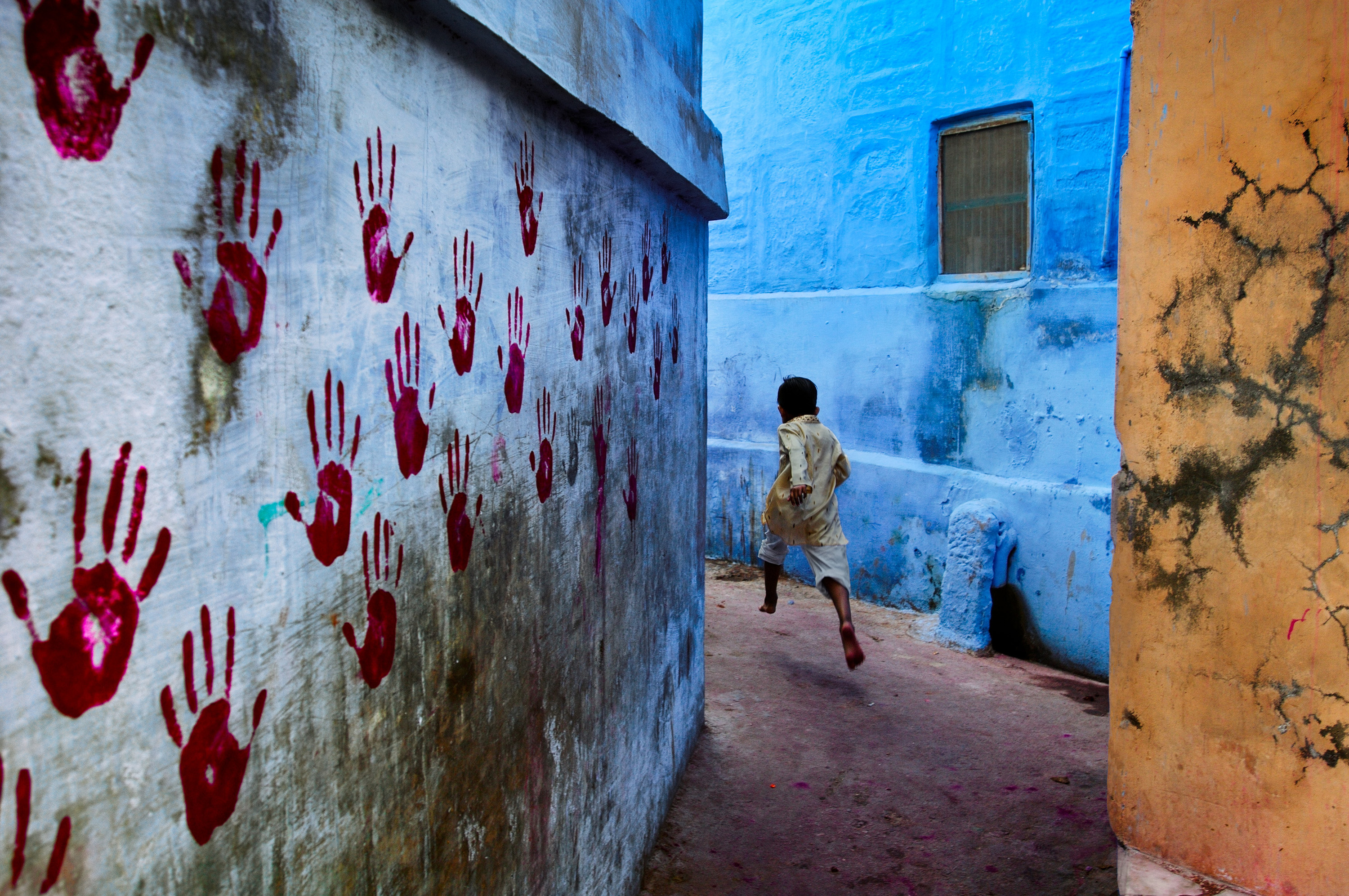
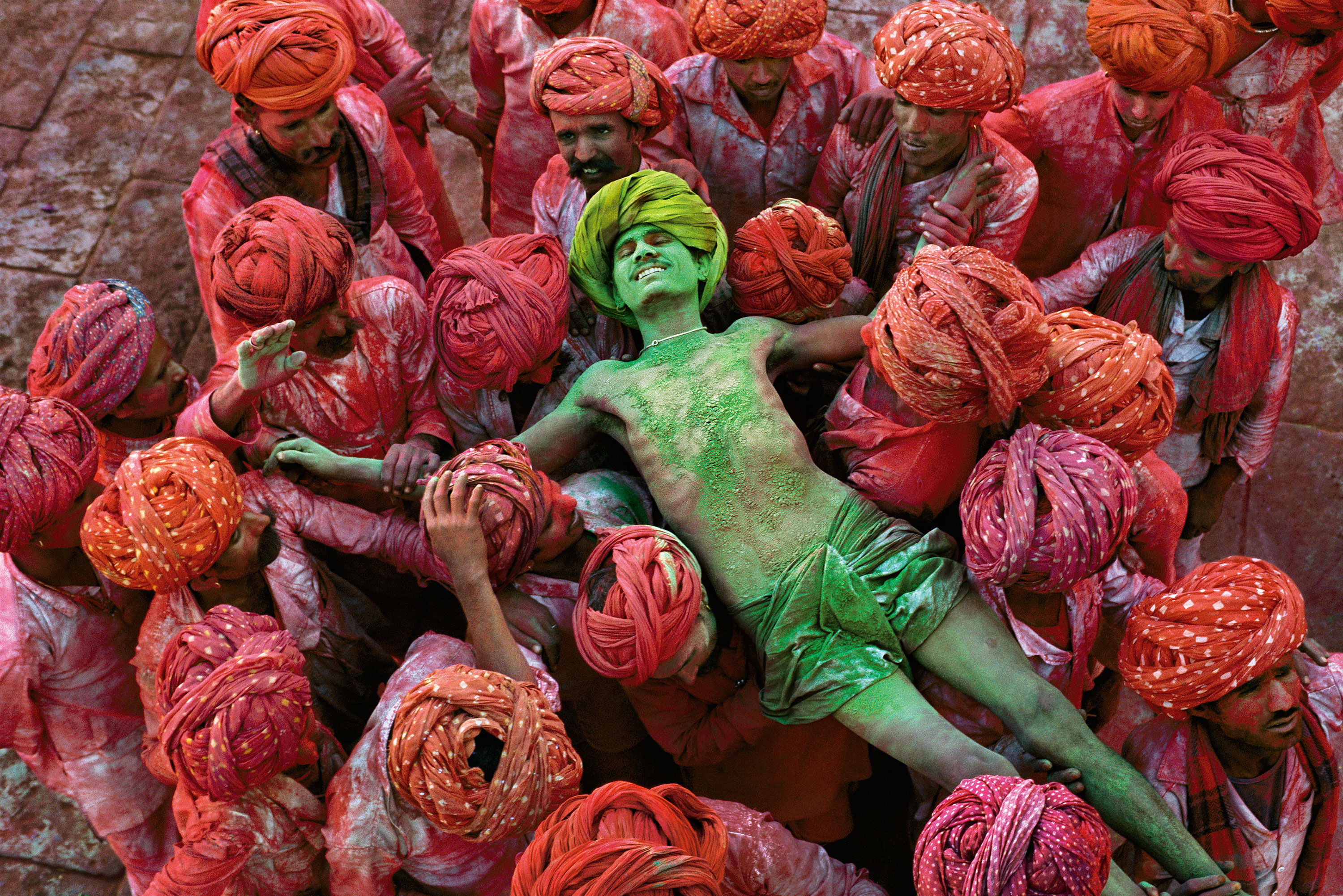
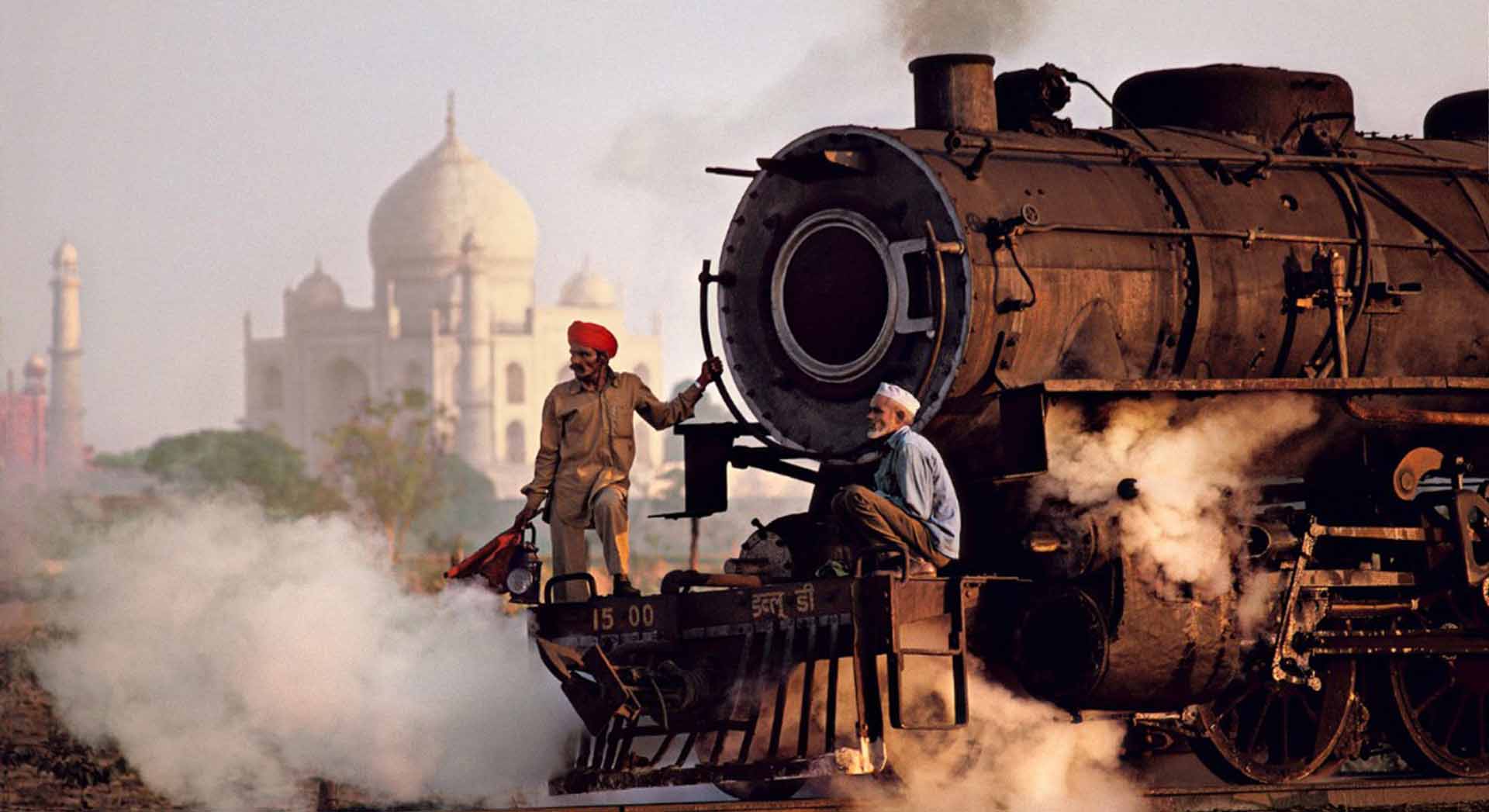
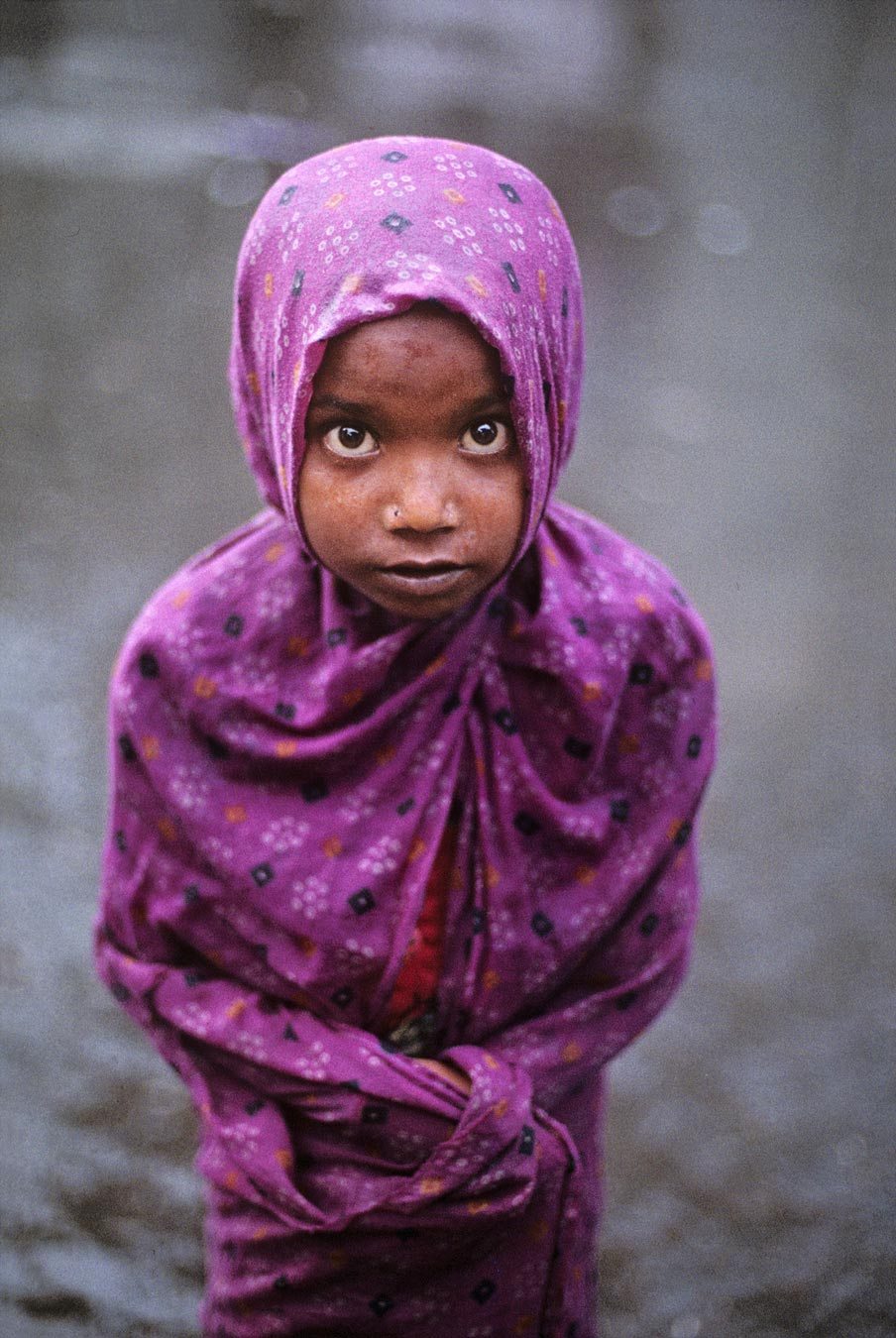
Steve McCurry was born in 1950 in Philadelphia, Pennsylvania, and grew up in the suburbs of the city. He studied film and history at Pennsylvania State University, where he also began working for the student newspaper and discovered a passion for visual storytelling. After graduating, he worked briefly at a newspaper before deciding to pursue freelance photography, a decision that would take him to some of the most remote and dangerous places on earth. In 1978, he travelled to India for the first time, and the experience transformed his life and his practice. The intensity of the colour, the density of human life, and the visual richness of the subcontinent revealed to him the kind of photography he wanted to make.
McCurry's career-defining moment came in 1979, when he crossed the border from Pakistan into rebel-controlled Afghanistan just before the Soviet invasion, disguised in local dress and carrying rolls of film sewn into his clothing. The images he brought back — of mujahideen fighters, bombed villages, and displaced families — were among the first to show the world what was happening inside Afghanistan, and they won him the Robert Capa Gold Medal for Best Photographic Reporting from Abroad, one of photojournalism's highest honours. The Afghanistan work established McCurry as a photographer of extraordinary courage and established the pattern of deeply immersive, long-duration engagement with his subjects that would characterise his entire career.
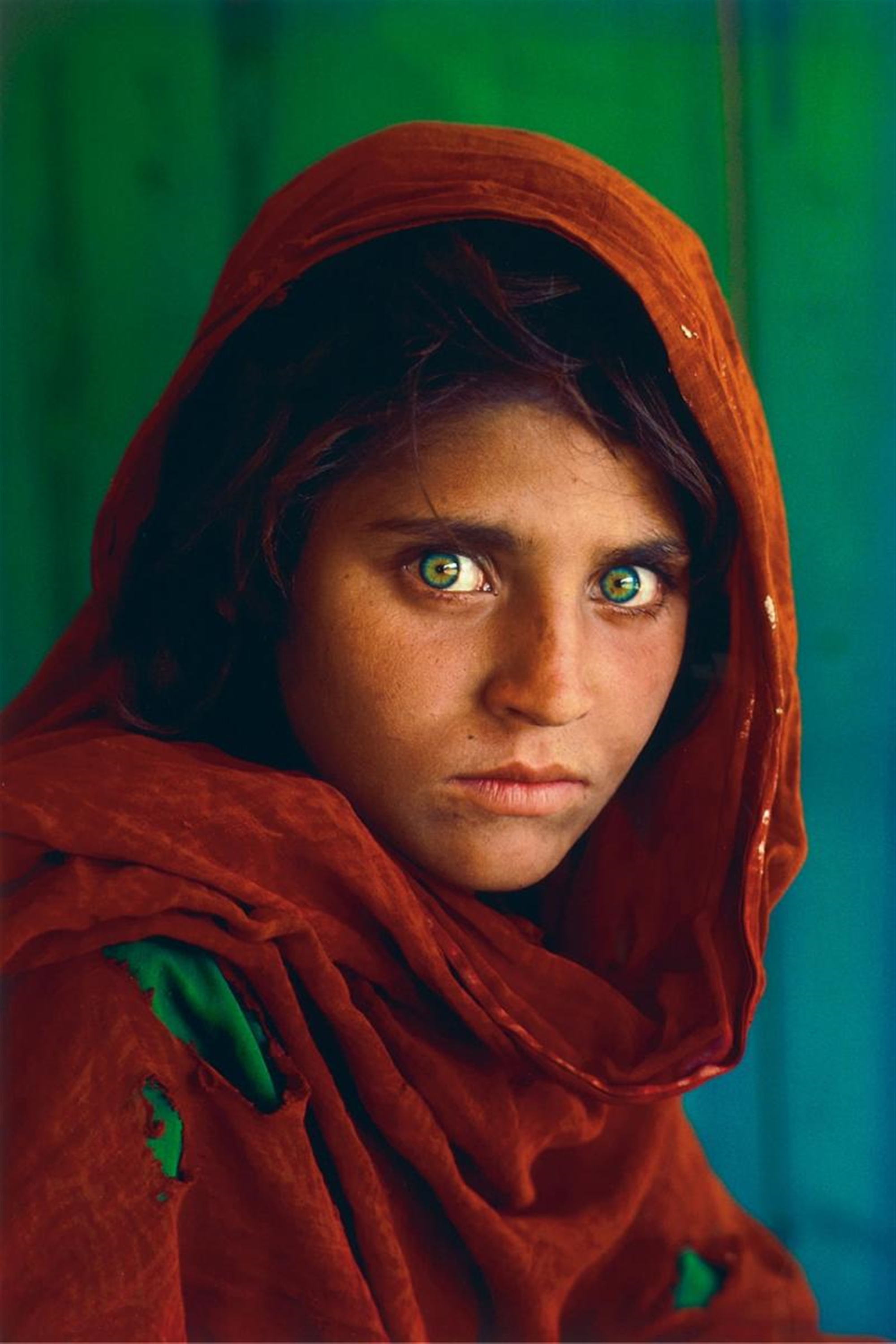
It was during a return visit to the region in 1984 that McCurry made the photograph for which he is best known. At the Nasir Bagh refugee camp near Peshawar, Pakistan, he encountered a young Afghan girl in a schoolroom tent and photographed her with his Nikon FM2 and Kodachrome film. The resulting image — those extraordinary green eyes staring out from beneath a red headscarf with an expression that combined fear, defiance, and a piercing directness — appeared on the cover of National Geographic in June 1985 and became one of the most famous photographs of the twentieth century. The girl's identity remained unknown for seventeen years until McCurry tracked her down in 2002; she was Sharbat Gula, a Pashtun woman living in a remote Afghan village.
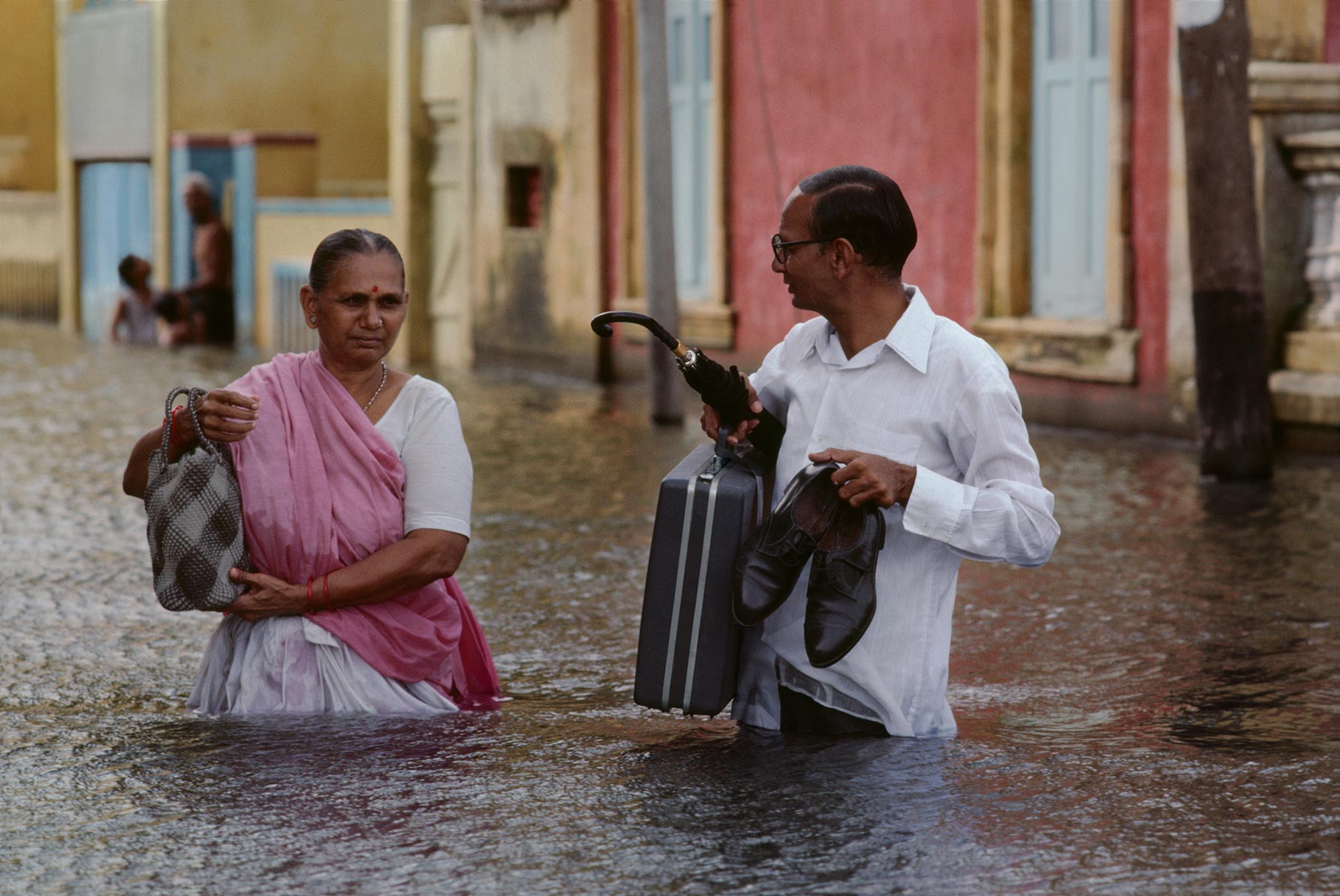
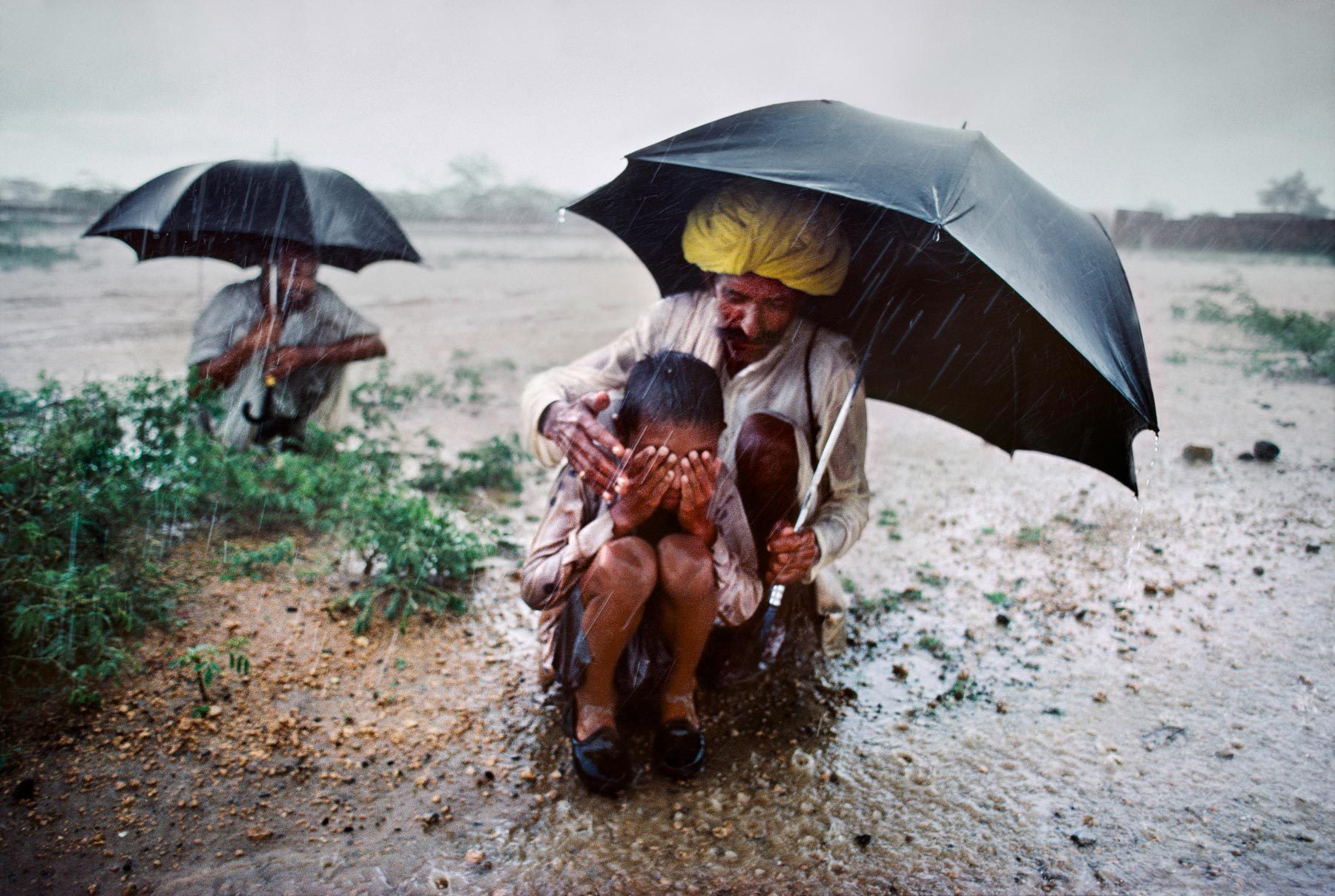
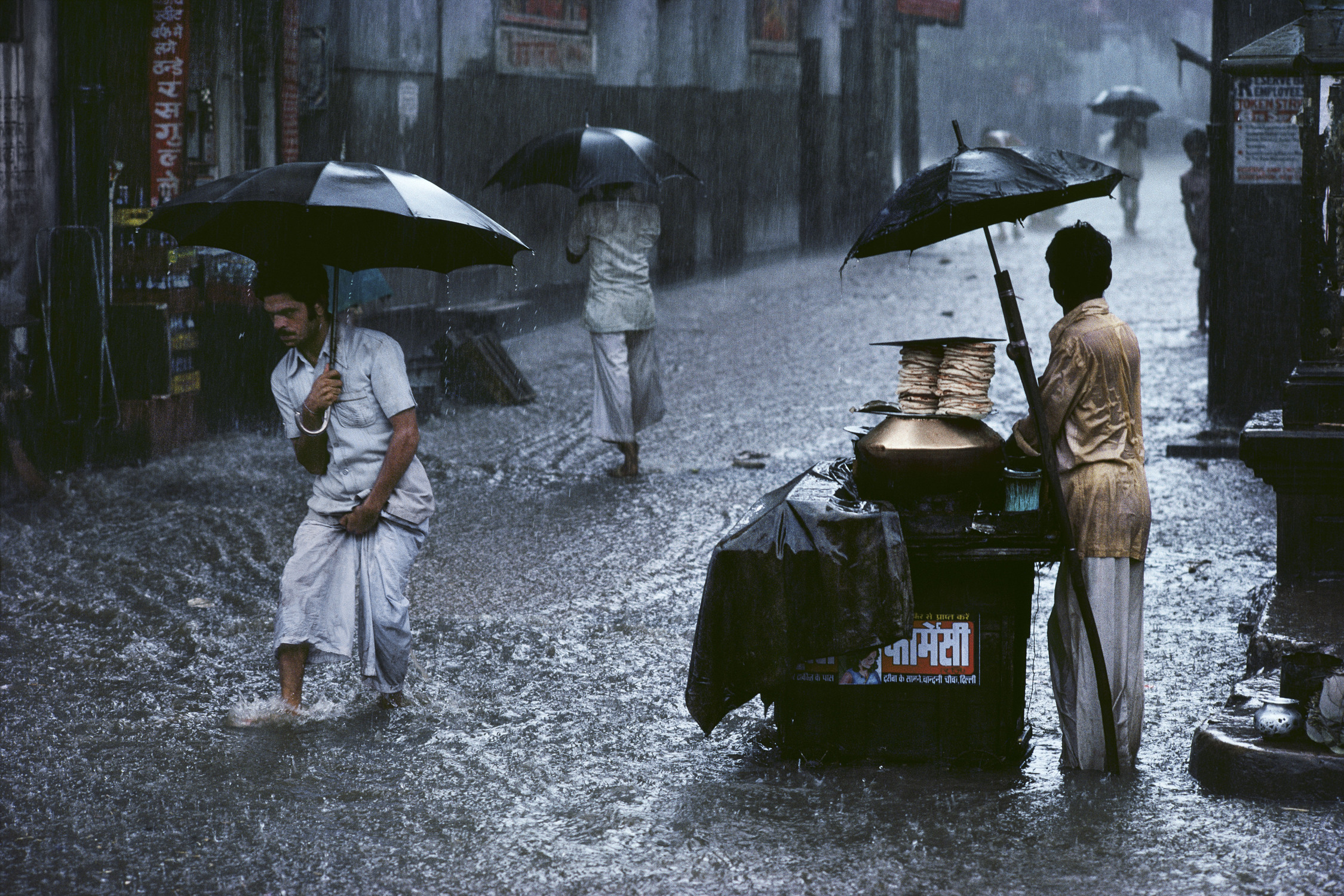
McCurry's association with National Geographic, where he has been a regular contributor for over four decades, provided the platform for an astonishingly prolific body of work spanning six continents. He has documented conflicts in Afghanistan, Iraq, Lebanon, Cambodia, and the former Yugoslavia; he has produced extensive bodies of work on the cultures of India, Myanmar, Tibet, and Southeast Asia; and he has created some of the most visually arresting images of natural and man-made disasters ever published, including his coverage of the September 11 attacks in New York and the monsoon floods of South Asia.
His visual style is immediately recognisable: saturated colour, strong compositions, an unerring eye for the decisive moment, and a humanistic attention to the faces and gestures of his subjects that recalls the work of Henri Cartier-Bresson, whom he has cited as a primary influence. McCurry's use of Kodachrome film — he was reportedly the last photographer to have a roll of Kodachrome processed before Kodak discontinued the stock in 2010 — gave his images a distinctive warmth and chromatic richness that became synonymous with a particular tradition of colour photojournalism.
In 2016, McCurry found himself at the centre of a controversy when it was revealed that some of his images had been digitally manipulated, with elements cloned or removed from the frame. The incident provoked a broader debate about the ethics of post-processing in photojournalism, and McCurry responded by repositioning himself as a visual storyteller rather than a strict photojournalist, acknowledging that his practice had always been driven more by aesthetic and narrative considerations than by the documentary purist's commitment to the unaltered frame.
McCurry has published over a dozen monographs, including The Imperial Way, Monsoon, South Southeast, and In Search of Elsewhere. He is a member of Magnum Photos and has received numerous awards, including multiple prizes from the World Press Photo Foundation and the National Press Photographers Association. His work is held in major collections worldwide, and exhibitions of his photographs continue to attract vast audiences.
Whatever debates surround the boundaries of his practice, McCurry's contribution to the visual culture of the late twentieth and early twenty-first centuries is immense. His photographs have shaped how millions of people understand distant cultures, conflicts, and human experiences. At his best, he possesses an ability to capture in a single frame the full emotional complexity of a moment — joy, suffering, resilience, wonder — and to do so with a visual clarity and a chromatic beauty that make his images unforgettable.