Stephen Gill was born in Bristol in 1971 and grew up in the west of England before moving to London, where he would spend nearly two decades engaged in one of the most sustained and inventive photographic explorations of a single place that contemporary photography has produced. Gill's early interest in photography was shaped by time spent working at Magnum Photos in London, where he absorbed the traditions of documentary photography while developing an increasingly experimental sensibility. He settled in Hackney, the rapidly changing East London borough that would become the locus of a decade-long body of work remarkable for its depth, its formal adventurousness, and its refusal to treat photography as a transparent window onto the world.
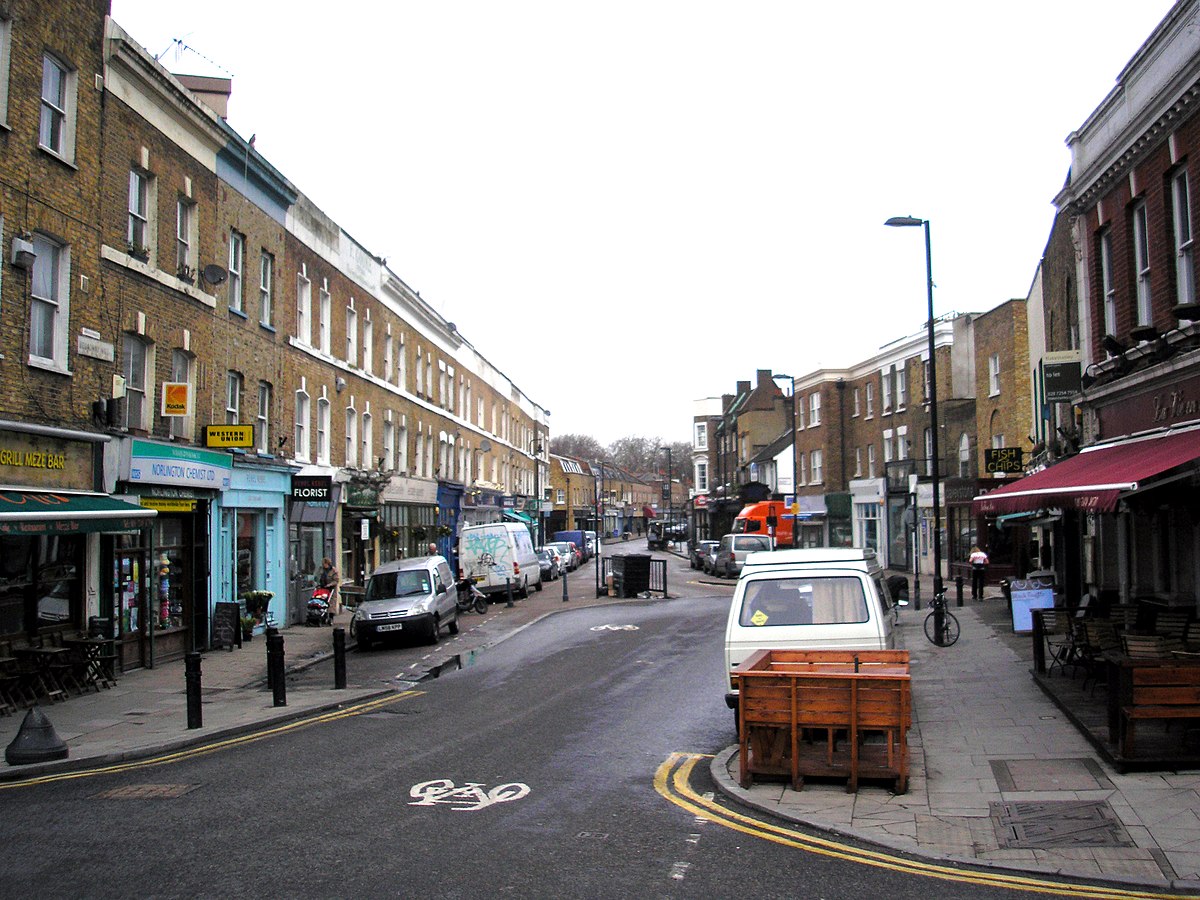
Gill's Hackney work, produced between the early 2000s and around 2010, encompasses a remarkable range of projects, each approaching the same neighbourhood from a different angle and with a different set of self-imposed constraints. Hackney Wick (2005) documented the chaotic energy of the borough's market with a directness influenced by the documentary tradition. Archaeology in Reverse (2007) recorded the proliferation of new buildings transforming the area in advance of the 2012 Olympics. A Series of Disappointments (2008) used photographs bought from the Hackney car boot sale to explore the gap between photographic intention and result. But it was with projects like Buried, Hackney Flowers, and Coexistence that Gill began to develop the radically process-driven approach that would distinguish his practice.
In Buried (2006), Gill interred prints in the soil of Hackney for periods of weeks or months before exhuming them, allowing the earth, moisture, and microbial life of the borough to physically alter the photographic image. In Hackney Flowers (2007), he placed seeds, flowers, berries, and fragments of litter found in the area between the negative and the printing paper, so that the organic and discarded materials of the neighbourhood became literally embedded in the photographic surface. In Coexistence (2008), he taped objects found on Hackney's streets — feathers, seeds, insects, scraps of packaging — to the front of his camera lens and photographed the neighbourhood through them, creating images in which the debris of the place and its visual representation fuse into a single, layered whole.
These projects represented a genuinely original contribution to the question of how photography might engage with a specific place. Rather than simply depicting Hackney from the outside, Gill found ways to incorporate the physical substance of the neighbourhood into the photographic process itself, collapsing the distinction between representation and reality. The resulting images are neither straightforwardly documentary nor purely abstract but something in between: records of a place that carry traces of that place within their material being.
In 2014, Gill and his partner, the Swedish photographer Lena Gill, moved from London to a small house in the Swedish countryside, and his practice underwent a dramatic transformation. The frenetic urban energy of the Hackney work gave way to a patient, almost meditative engagement with the natural world. Talking to Ants (2013) had already marked this shift, with Gill placing his camera at ground level in Swedish meadows and allowing insects to trigger the shutter, effectively delegating authorial control to the non-human inhabitants of the landscape.
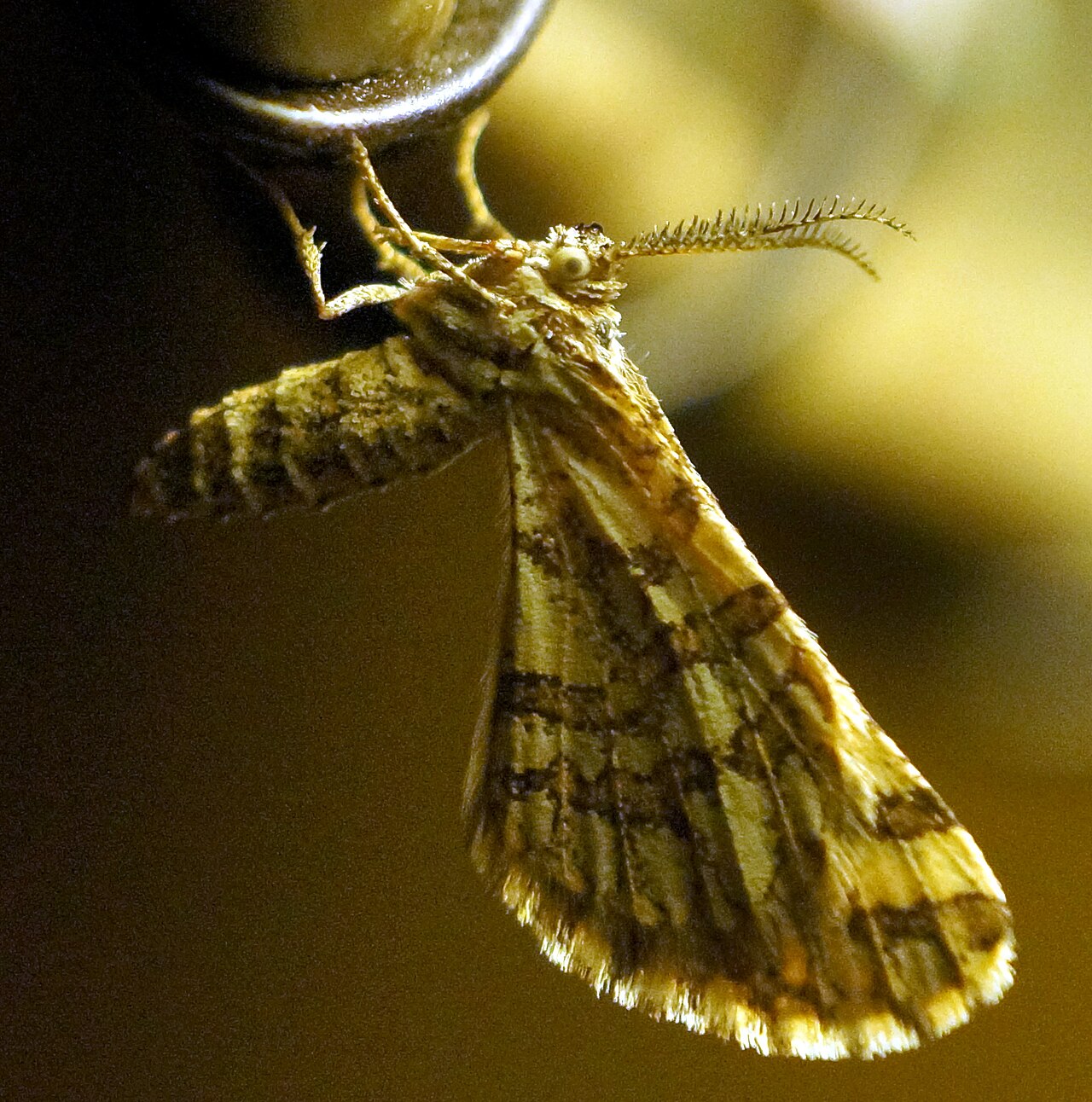
Night Procession (2017), the first major project completed after the move to Sweden, represents a culmination of Gill's evolving practice. Using a homemade device that attracted nocturnal insects to a camera equipped with a motion sensor and flash, Gill spent three years photographing the creatures that gathered around his house at night. The resulting images — moths, beetles, and other insects caught in mid-flight against the black Swedish sky, their bodies illuminated by flash and their wings blurred into ghostly trails — are simultaneously scientific documents and images of extraordinary visual beauty, reminiscent of both natural history illustration and abstract expressionist painting.
Gill's subsequent Swedish work, including The Pillar (2019), has continued to explore the intersection of photography and natural science, using custom-built camera traps and sensors to document the nocturnal and crepuscular life of the landscape around his home. His practice has become increasingly collaborative with the non-human world, raising profound questions about authorship, intentionality, and the role of chance in photographic creation.
Across his career, Gill has published over thirty books, many with his own imprint, Nobody Books, and each conceived as an integral part of the project rather than a mere vehicle for reproduction. His commitment to the photobook as a form of artistic expression in its own right has made him one of the most important photobook practitioners of his generation. His work has been exhibited at the Tate Modern, the National Media Museum, and major galleries worldwide, and he has received the Deutsche Börse Photography Foundation Prize nomination among other recognitions. Gill's contribution to photography lies not in the refinement of an existing tradition but in the invention of new ways of making images — ways that challenge fundamental assumptions about what a photograph is and how it relates to the world it depicts.