Russell Werner Lee was born in Ottawa, Illinois, in 1903, into a comfortable middle-class family. He studied chemical engineering at Lehigh University in Pennsylvania, graduating in 1925 and working briefly in the roofing industry. It was an unlikely beginning for a man who would become one of America's most prolific and compassionate documentary photographers. Lee had little contact with the arts during his early years, but a growing restlessness with industrial work led him first to painting classes at the Art Students League in New York, and then, in the mid-1930s, to the camera. He found in photography an immediacy and a democratic reach that painting could not offer, and he never looked back.
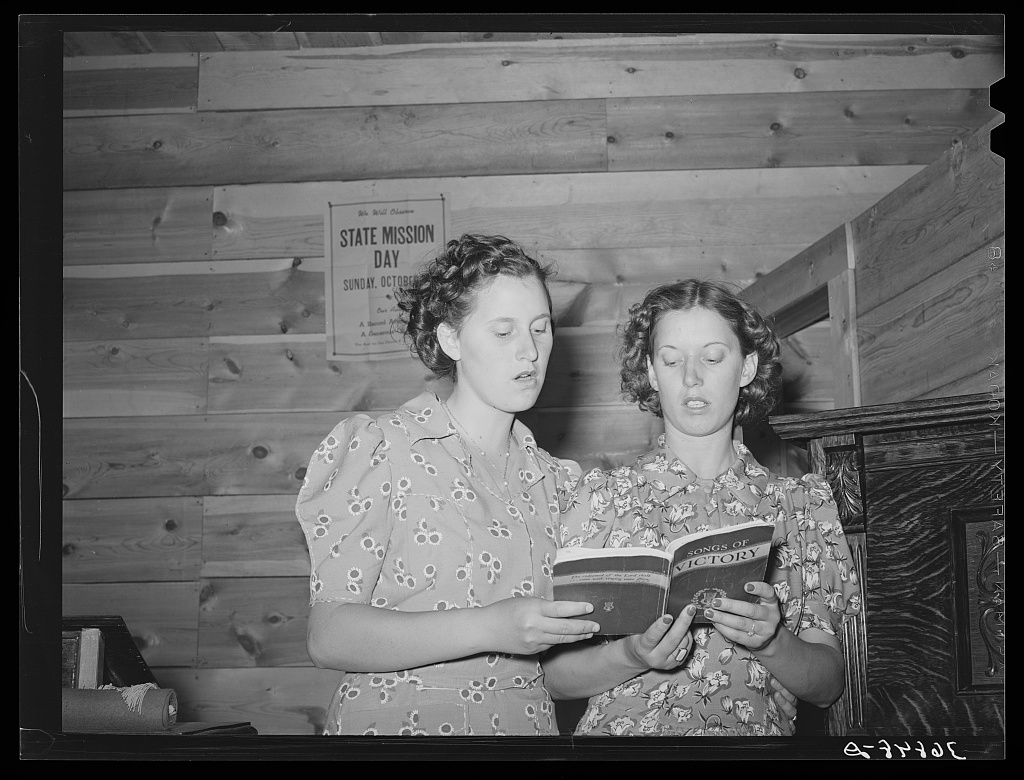
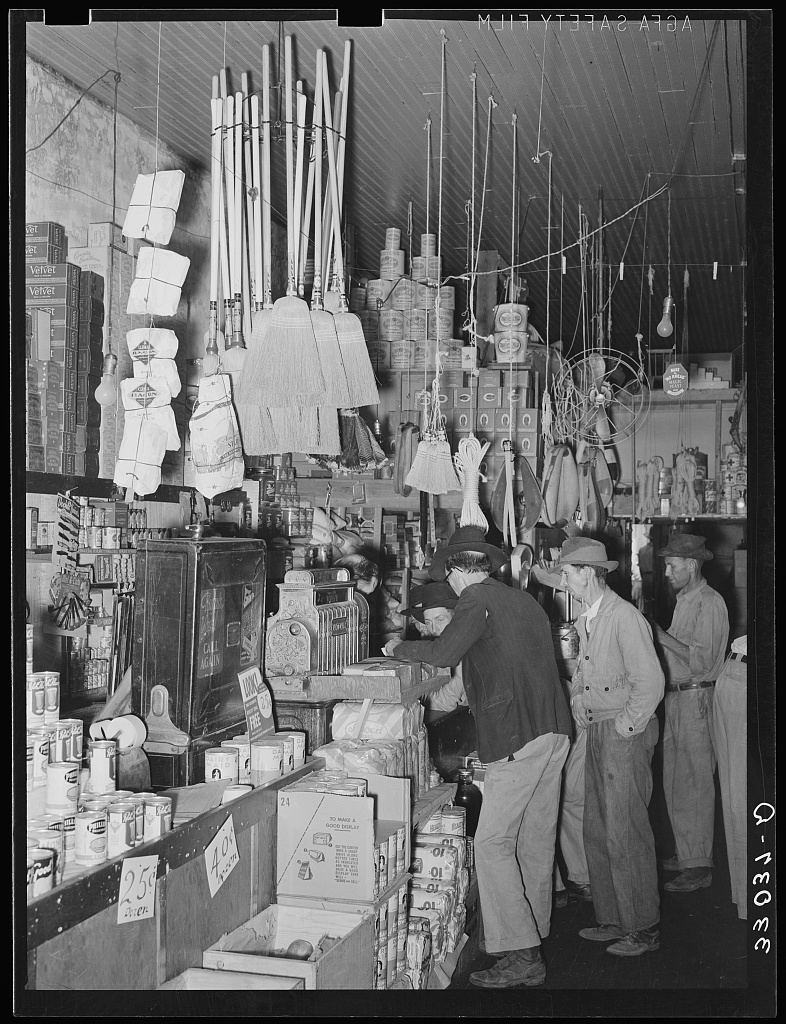
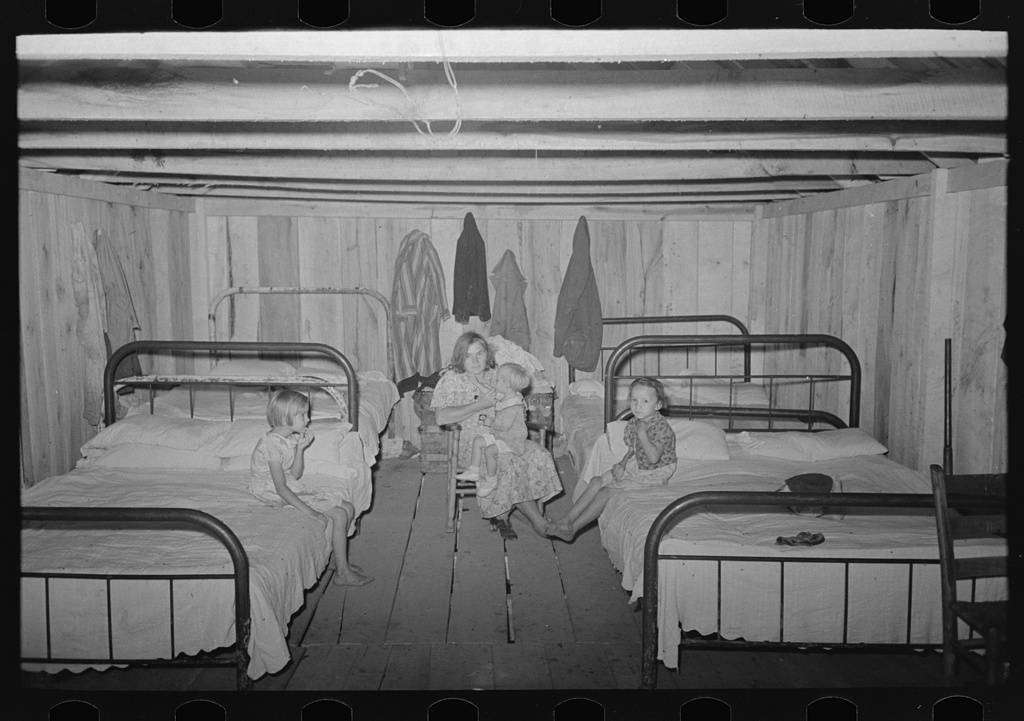
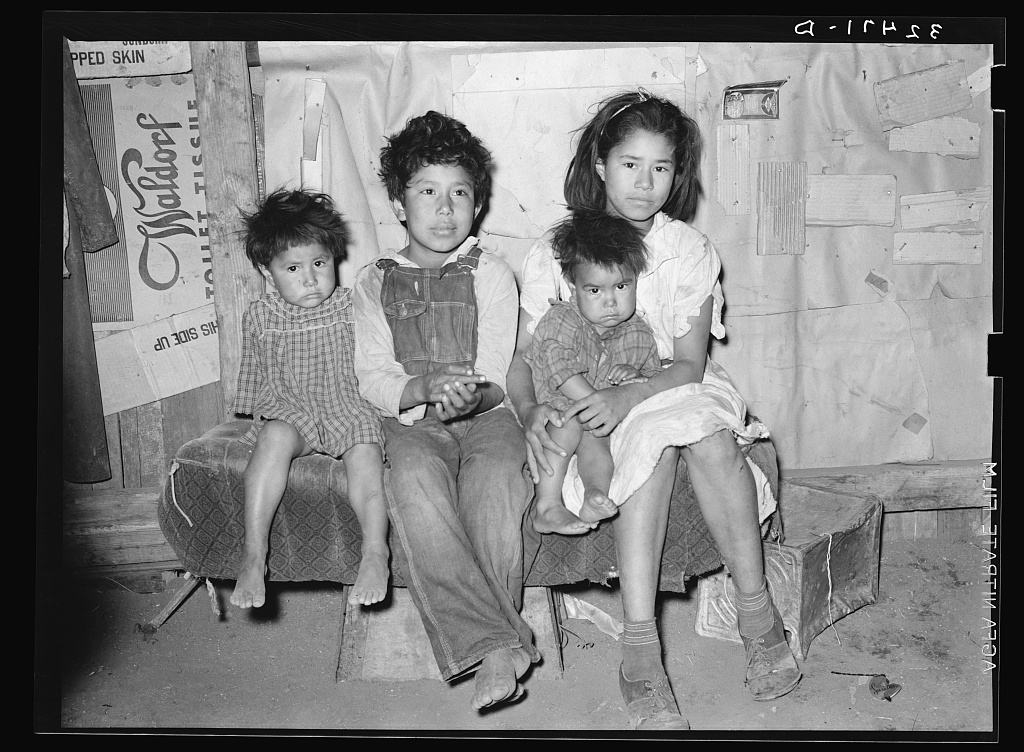
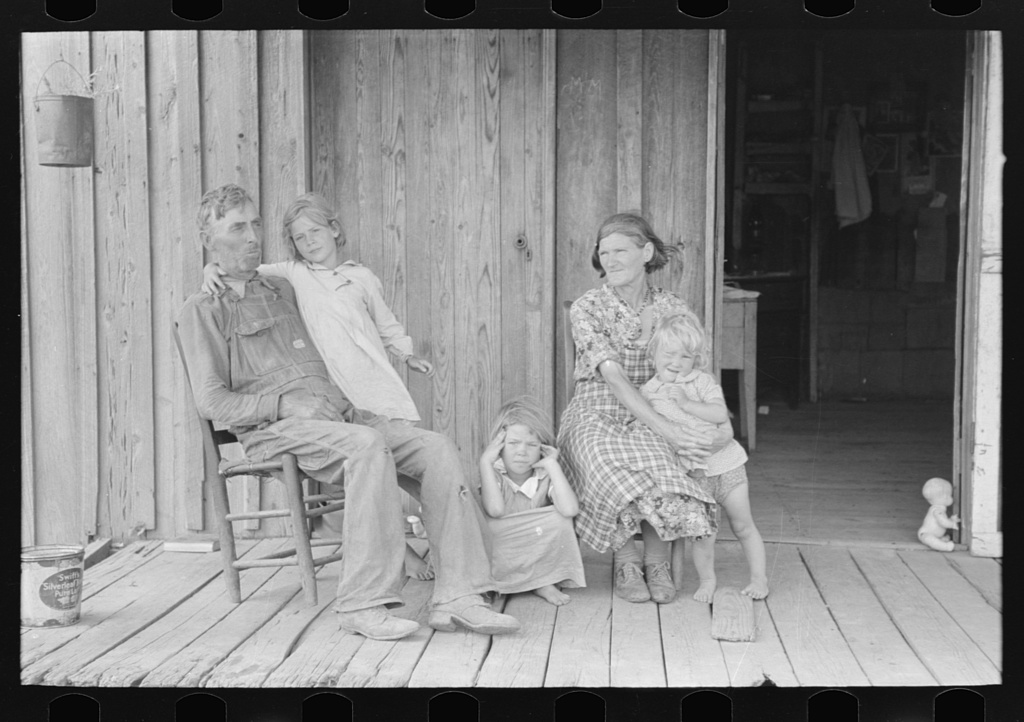
In 1936, Lee was hired by Roy Stryker to join the photographic unit of the Farm Security Administration, the ambitious New Deal programme that dispatched photographers across the United States to document the social and economic conditions of the Depression era. Lee quickly became the unit's most prolific contributor. Where colleagues like Walker Evans pursued formal austerity and Dorothea Lange sought moments of raw emotional power, Lee developed a different approach: methodical, patient, and profoundly sympathetic. He would arrive in a community and stay for days or weeks, photographing not just poverty and hardship but the full texture of daily life — meals, church services, schoolrooms, barbershops, town squares, and the small rituals that held communities together.
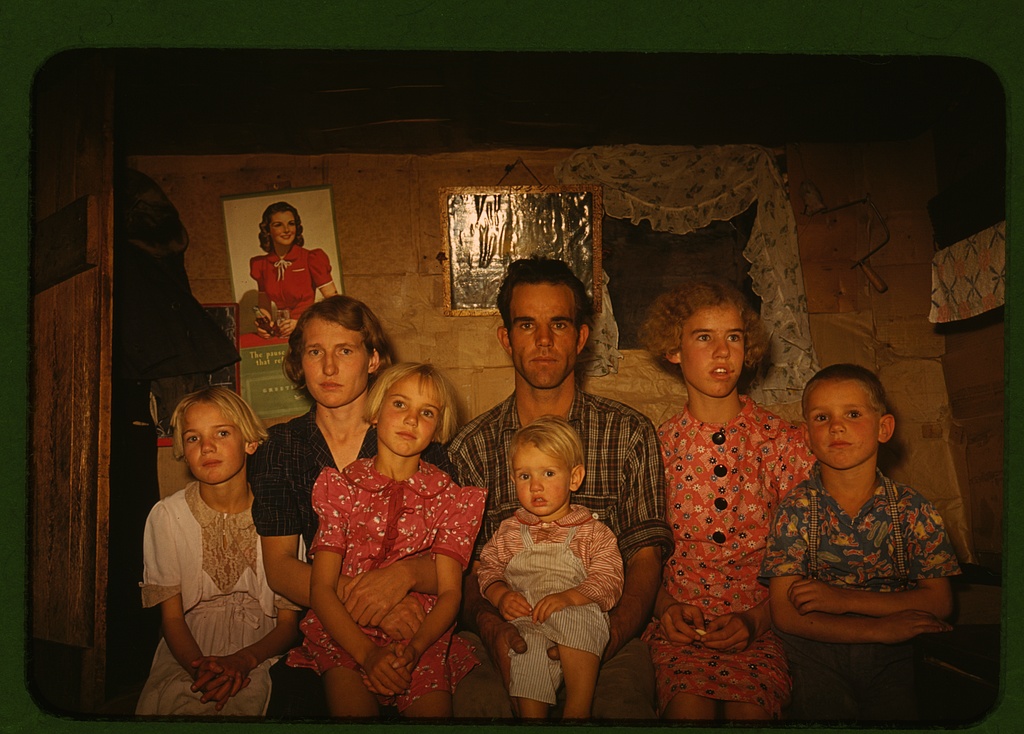
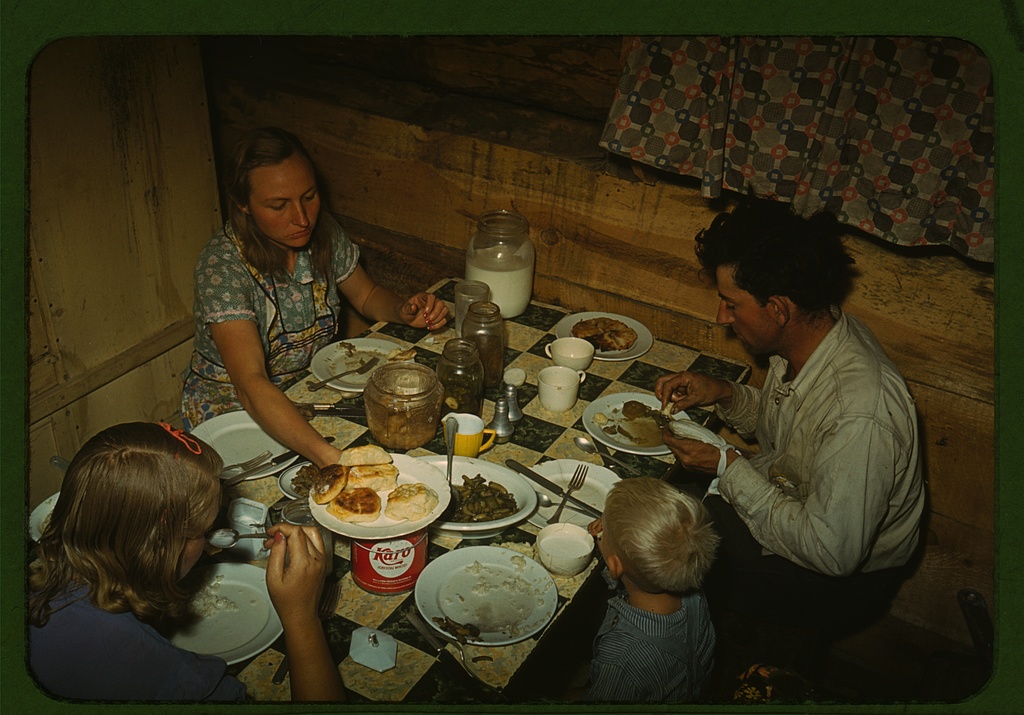
Lee's FSA work is distinguished by its remarkable breadth and its genuine warmth. He produced more photographs for the agency than any other member of the team, covering vast stretches of the American landscape from the coal camps of West Virginia to the farming communities of the Midwest to the Hispanic villages of New Mexico. His images of Pie Town, a tiny homesteading settlement in the mountains of western New Mexico, are among the most celebrated in the entire FSA archive. Photographed in colour using Kodachrome film — a rarity at the time — the Pie Town series captures community dances, harvest suppers, baseball games, and family life with a vividness and intimacy that make the viewer feel present in the room.
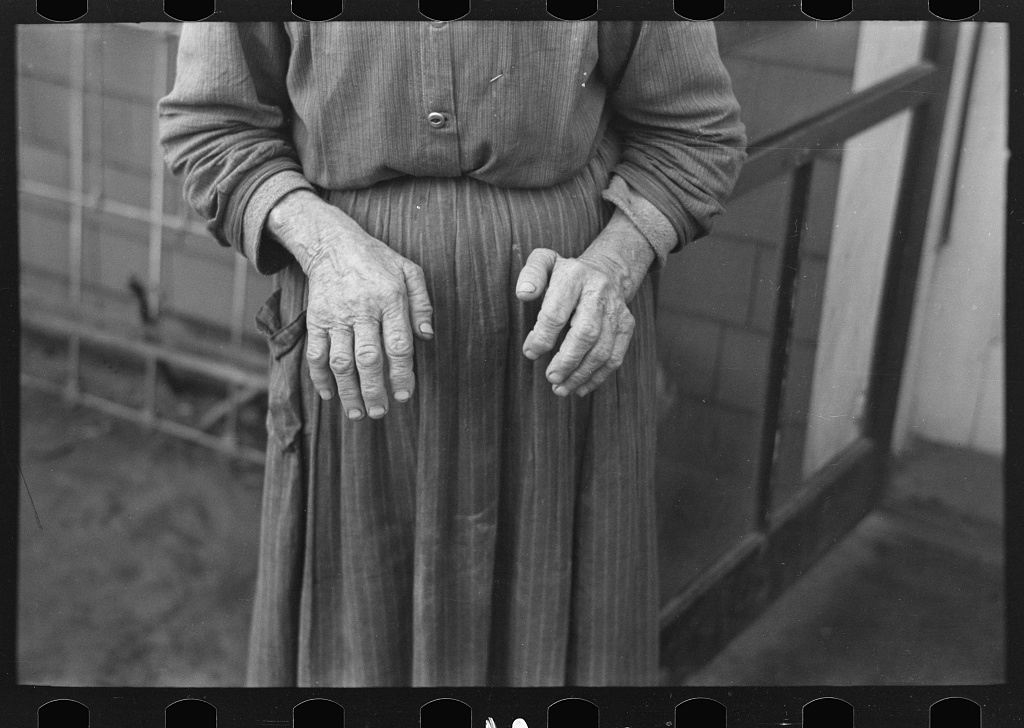
What set Lee apart from many of his contemporaries was his refusal to reduce his subjects to symbols of suffering. He understood that people living through hard times were not defined solely by their hardship, and he made a conscious effort to photograph the moments of joy, pride, and communal solidarity that persisted even in the most difficult circumstances. His camera found children laughing, neighbours sharing food, families gathered around a table, and worshippers singing together. This was not sentimentality but a deliberate and humane choice to honour the complexity of ordinary life.
After the FSA was dissolved during the Second World War, Lee worked for various government agencies documenting the war effort before settling in Austin, Texas, in the late 1940s. He became closely associated with the University of Texas, where he taught photography and continued to document the changing American landscape. He undertook extensive projects photographing the coal and oil industries, the effects of the Spanish-American land grant system in New Mexico, and the communities of the American Southwest. His later work, though less widely known than his FSA photographs, demonstrates the same patience, thoroughness, and respect for his subjects that had characterised his Depression-era output.
Lee was also a pioneer in the use of the photographic essay as a form of extended narrative. Rather than seeking the single decisive image, he built his stories through accumulation, layering detail upon detail to construct a comprehensive portrait of a place and its people. This approach anticipated the long-form documentary projects that would become central to photographic practice in the latter half of the twentieth century, and it influenced photographers such as W. Eugene Smith and the generation of magazine photographers who followed.
Throughout his career, Lee maintained an unshakeable belief in the social value of photography. He saw the camera as a tool for understanding and connection, a means of bridging the distances between communities and making visible the lives of people who might otherwise remain unseen. His archive, comprising tens of thousands of images held at the Library of Congress and the University of Texas, constitutes one of the most comprehensive visual records of mid-twentieth-century American life ever assembled.
Russell Lee died in Austin in 1986, at the age of eighty-three. His reputation has grown steadily in the decades since, as scholars and curators have come to recognise the extraordinary depth and humanity of his contribution. If Walker Evans showed Americans how to look at their built environment with new eyes, and Dorothea Lange taught them to feel the weight of individual suffering, Lee offered something different and equally valuable: a panoramic, generous, and fundamentally democratic vision of a nation's people going about the daily work of living.