Roni Horn was born in New York City in 1955 and grew up with an early sensitivity to the instability of perception, the way that things that appear identical can reveal themselves as fundamentally different depending on how and when they are encountered. She studied at the Rhode Island School of Design and received her MFA from Yale University, where she began to develop the interdisciplinary practice that would encompass sculpture, photography, drawing, and artist books. From the beginning, her work has been concerned with questions of identity, mutability, and the relationship between sameness and difference — themes that she has explored with a rigour and subtlety that place her among the most intellectually ambitious artists of her generation.
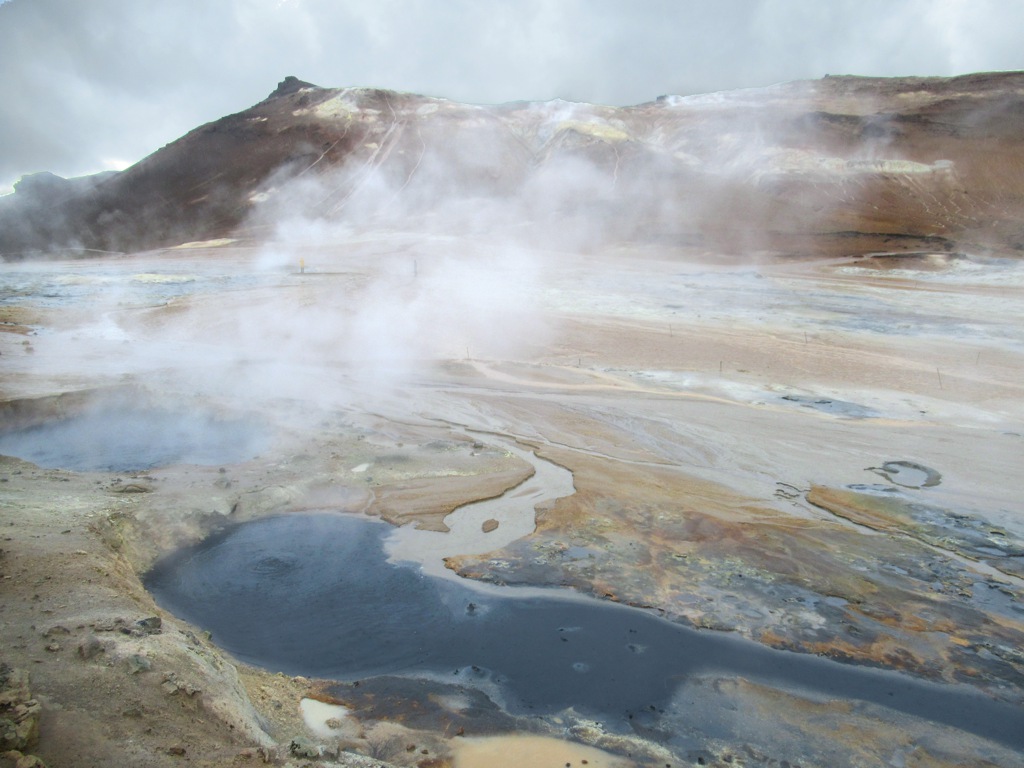
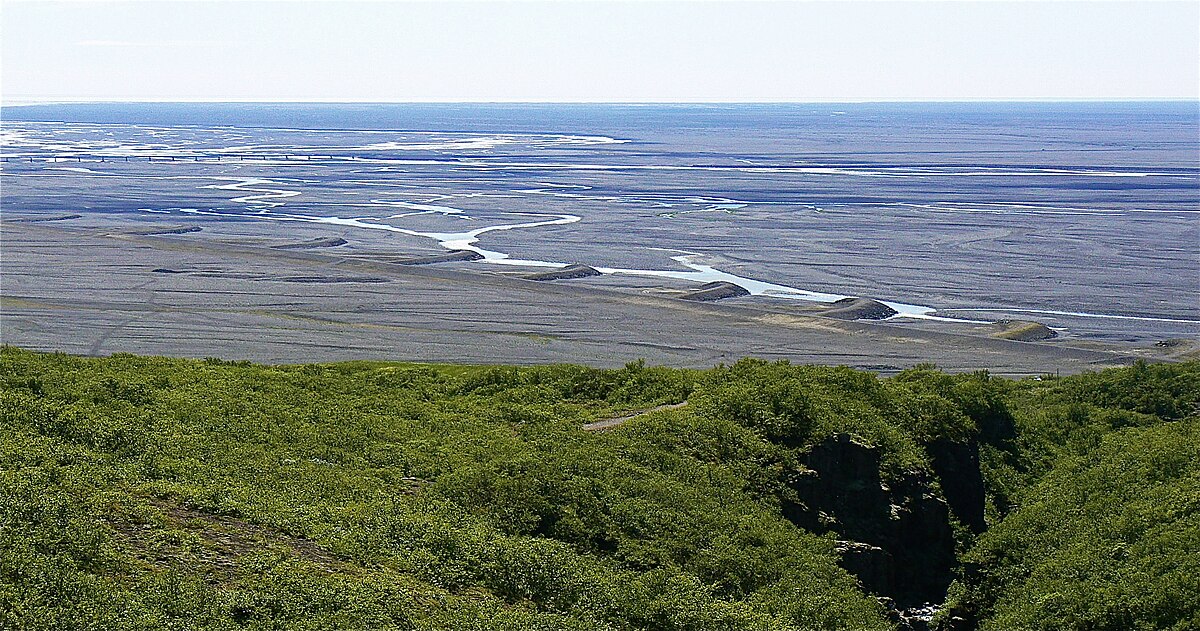
Horn's relationship with Iceland has been central to her work since her first visit in 1975. The island's volcanic landscape — its glaciers, hot springs, lava fields, and unpredictable weather — provided a physical correlative for the philosophical questions that preoccupied her. She has returned to Iceland repeatedly over five decades, and the country has become not merely a subject but a condition of her art. Her ongoing series To Place, a multi-volume sequence of artist books begun in the early 1990s, constitutes one of the most sustained artistic engagements with a single landscape in contemporary art. Each volume approaches Iceland from a different angle — its water, its weather, its geology, its birds — building a portrait of a place that is never fixed, always in the process of becoming something else.
The photographic work that brought Horn to wider attention was You Are the Weather (1994–95), a series of one hundred close-up portraits of a young woman named Margrjet photographed in the hot springs and geothermal pools of Iceland. The images show the same face from roughly the same angle, but with subtle, almost imperceptible variations in expression, light, and the quality of the surrounding atmosphere. The repetition creates a hypnotic effect: what initially appears to be the same photograph seen a hundred times gradually reveals itself as a hundred different photographs, each capturing a distinct psychological and atmospheric state. The series established Horn's signature strategy of using doubling and repetition to destabilise the viewer's sense of certainty.
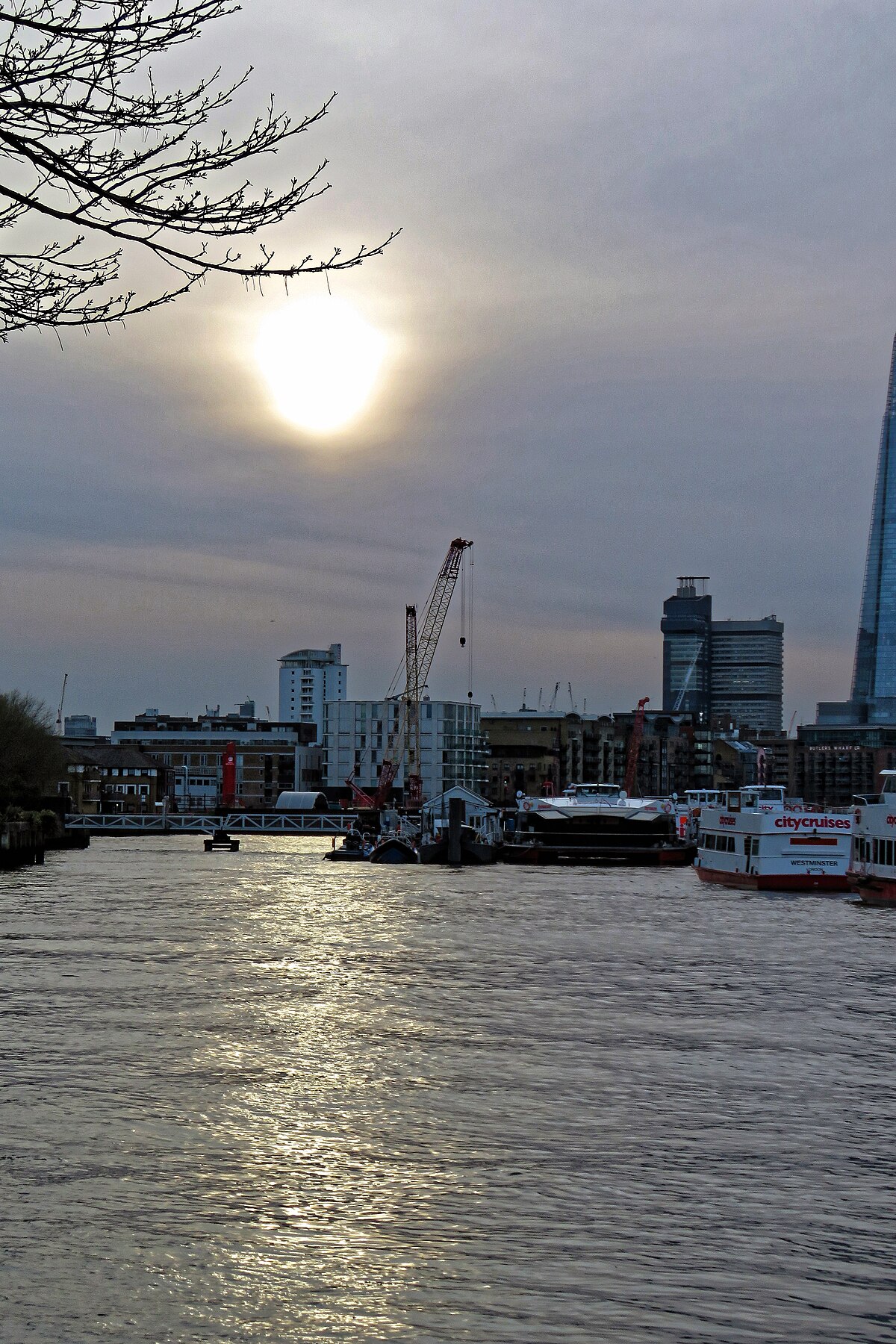
Still Water (The River Thames, for Example), produced in 1999, extended Horn's investigation of surface and depth. The work consists of large-scale photographs of the surface of the Thames, their dark, rippling waters annotated with small footnote numbers that correspond to texts printed on accompanying sheets. The texts range from factual observations about the river's history to meditations on drowning, suicide, and the seductive danger of water's surface. The work transforms the apparently simple act of looking at a body of water into a complex, vertiginous experience in which the viewer is drawn into the depths beneath the image's deceptively calm surface.
Horn's portrait work has continued to explore the theme of doubling and identity. This Is Me, This Is You (1998–2007) presents paired photographs of the same child taken at different moments, the small differences between the two images raising questions about what constitutes identity and whether the self is stable or perpetually in flux. a.k.a. (2008–09) presents paired portraits of individuals, often taken years apart, the temporal gap between the images revealing the slow, inexorable transformation wrought by time on a single face.
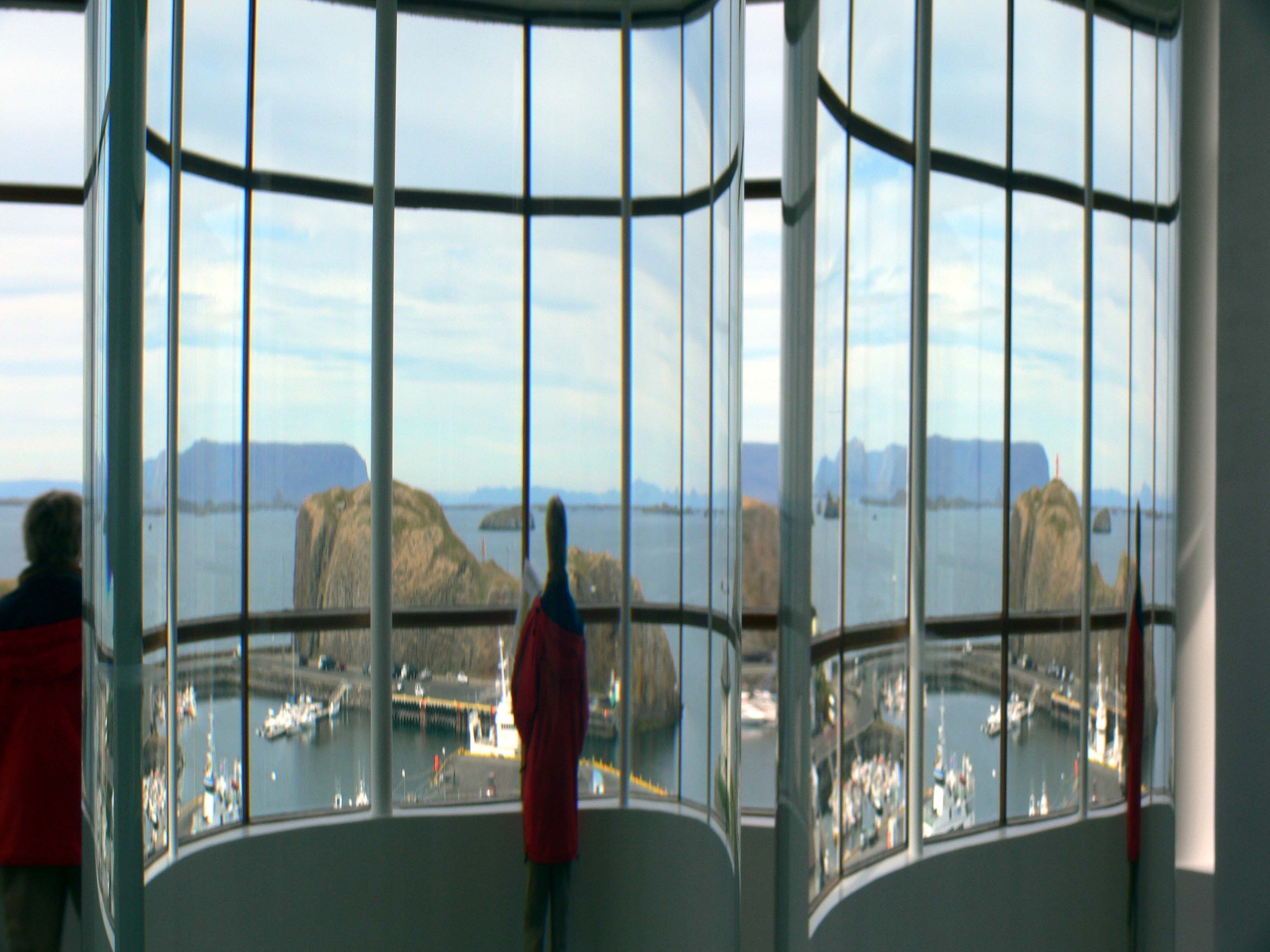
In 2007, Horn created Vatnasafn / Library of Water, a permanent installation in a former library in the Icelandic town of Stykkishólmur. The work consists of twenty-four glass columns filled with water collected from the glaciers surrounding Iceland, each column labelled with the name of the glacier from which its water was drawn. As Iceland's glaciers recede due to climate change, the installation becomes a memorial to vanishing landscapes, a library of water from glaciers that may no longer exist. The work embodies Horn's characteristic fusion of conceptual rigour, material beauty, and understated environmental urgency.
Horn's work has been exhibited at the Tate Modern, the Whitney Museum, the Centre Pompidou, and the Guggenheim, among many other institutions. Her artist books, which she considers integral to her practice rather than secondary to it, are prized for their design, their intellectual ambition, and their capacity to create a contemplative space in which photography, text, and the physical experience of the book converge. Her influence on contemporary art extends well beyond photography into questions of how we perceive identity, landscape, and the passage of time.