Robert Mapplethorpe was born in 1946 in Floral Park, a middle-class neighbourhood in Queens, New York, the third of six children in a Catholic family. He studied drawing, painting, and sculpture at the Pratt Institute in Brooklyn, where he absorbed the influence of Marcel Duchamp, Joseph Cornell, and the Pop artists, and where he first began to experiment with photography as an element of mixed-media assemblages. He did not initially conceive of himself as a photographer; the camera was one tool among many. It was only gradually, through the 1970s, that photography became the dominant medium through which he pursued his obsessive quest for formal perfection.
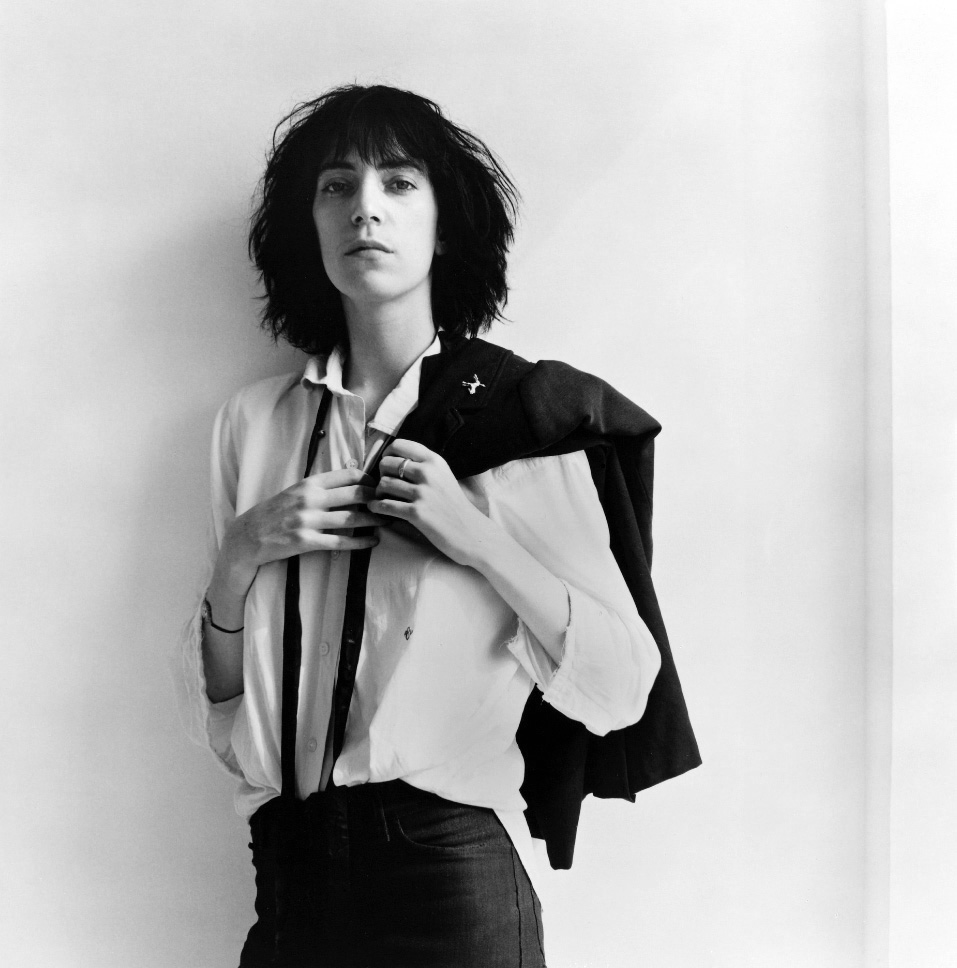
In 1967, Mapplethorpe met Patti Smith, the poet and musician who would become his closest friend and creative companion. They lived together at the Chelsea Hotel, sharing a life of intense artistic ambition and material poverty. Smith would later chronicle this period in her memoir Just Kids, describing their mutual devotion to art and their belief that beauty could be found in everything. Mapplethorpe's early work — Polaroids, collages, found-object assemblages — already displayed the obsession with symmetry, surface, and the erotics of form that would characterise his mature photographs.
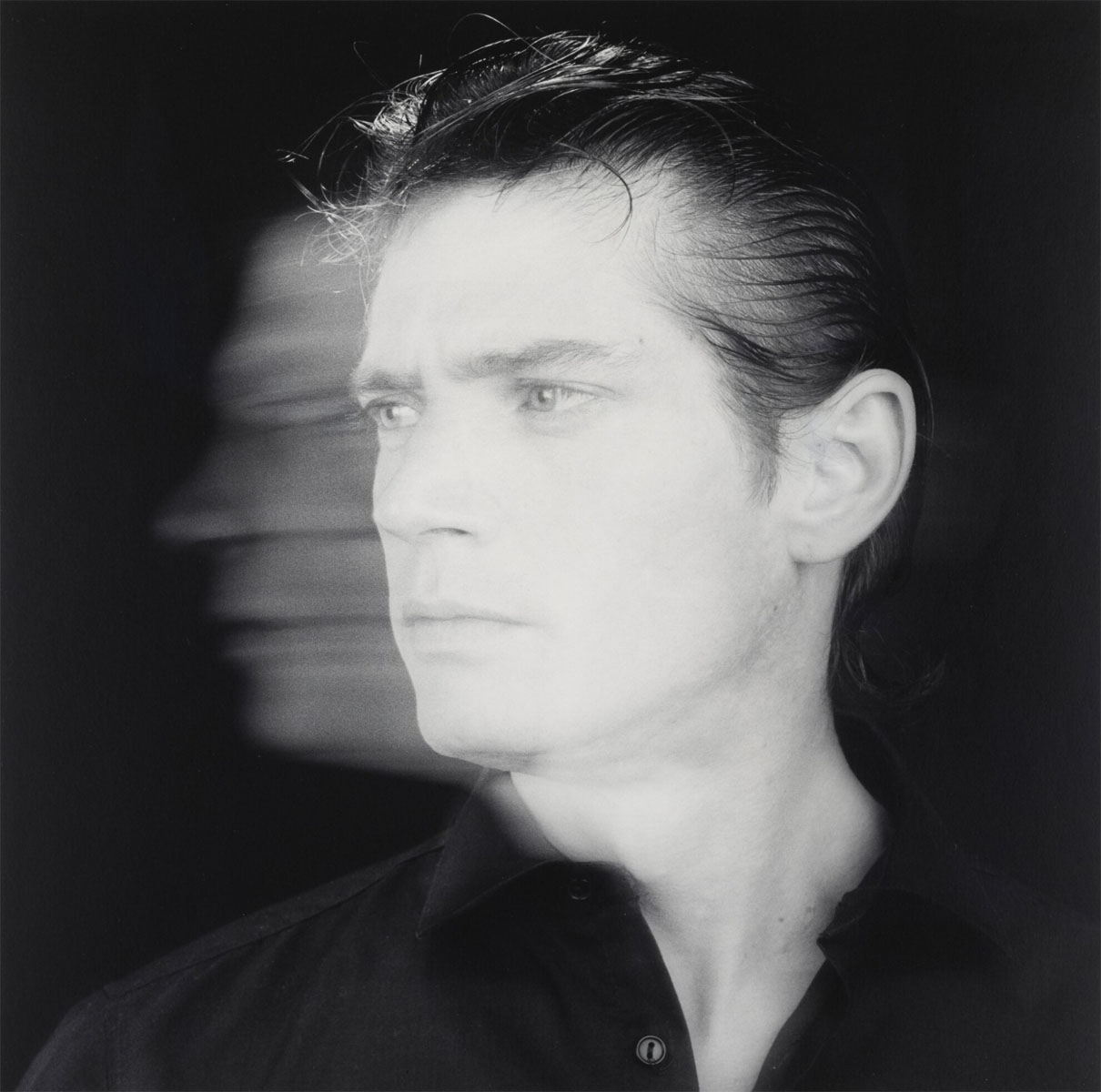
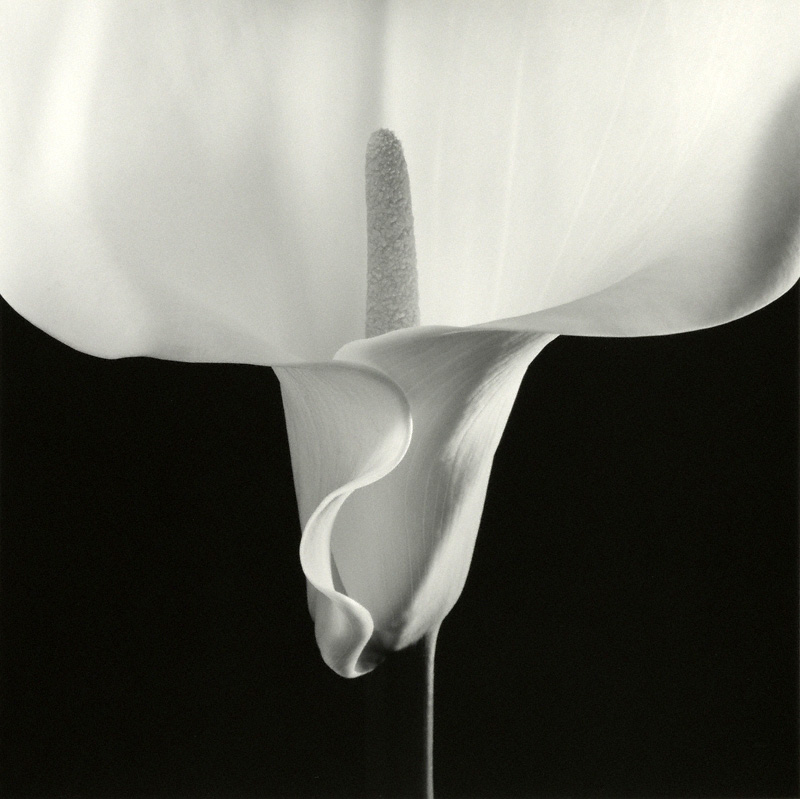
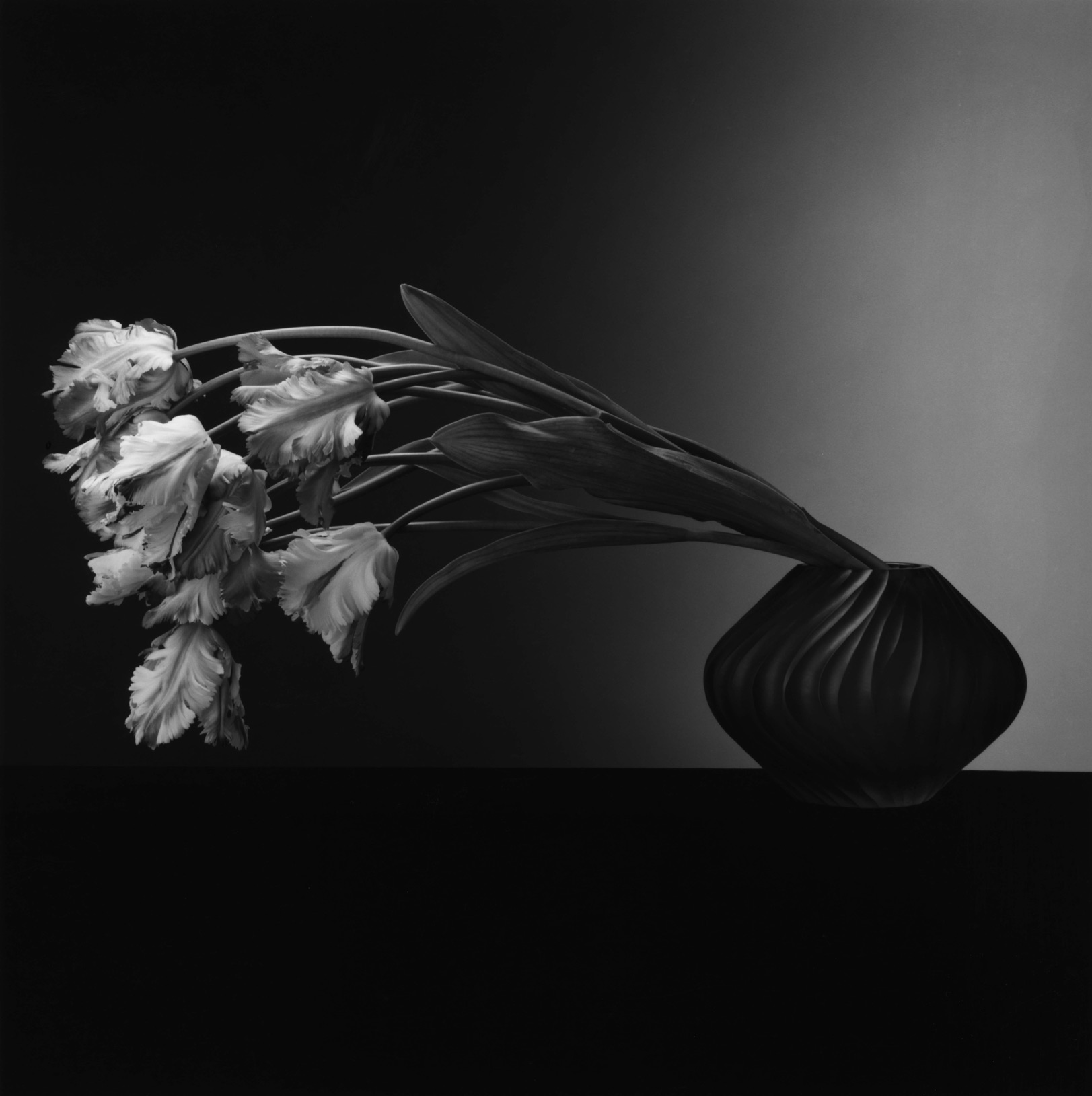
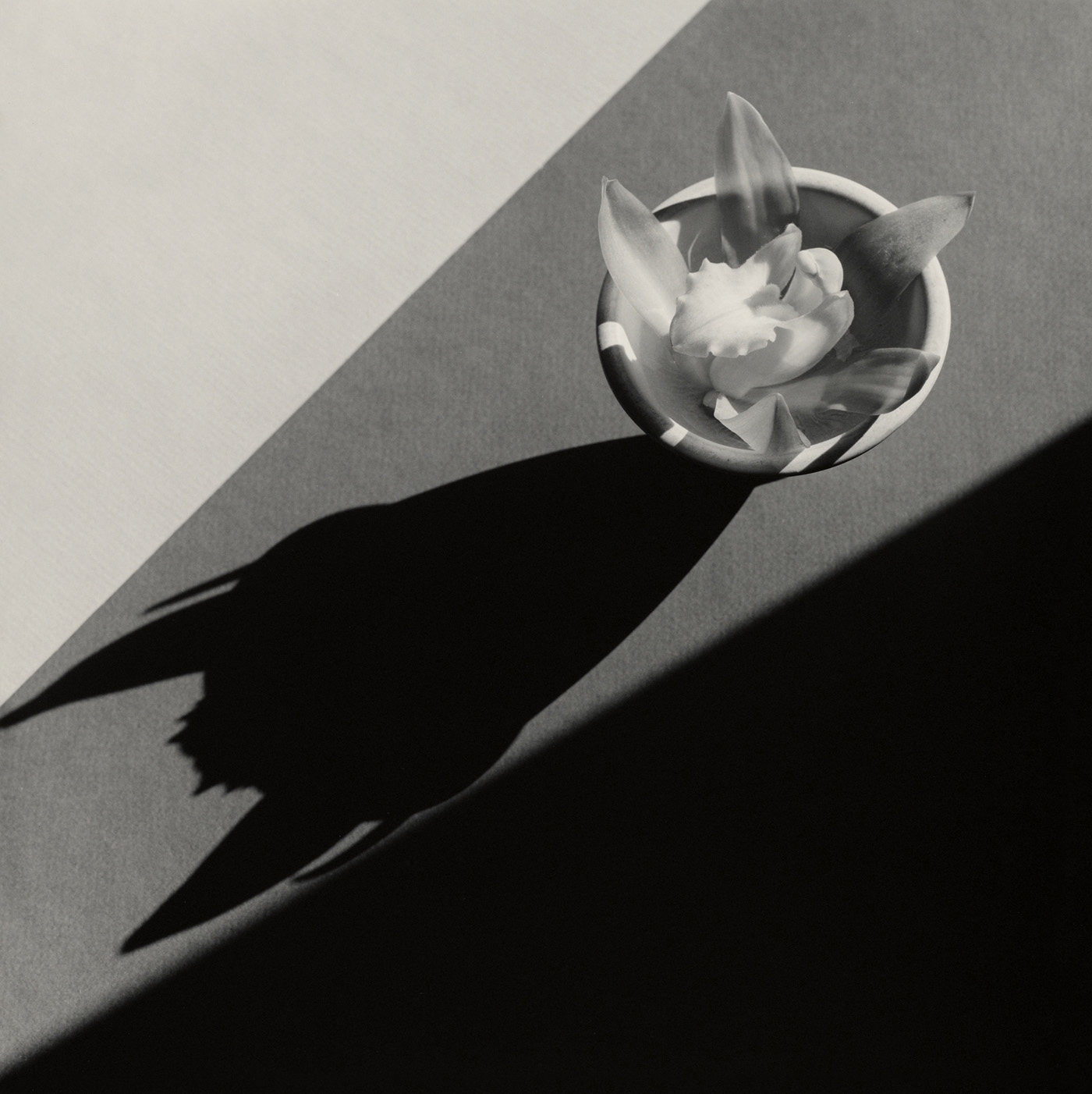
By the late 1970s, Mapplethorpe had turned exclusively to photography and had begun to develop the style that would make him famous and infamous in equal measure. Working almost exclusively in black and white, with meticulous attention to lighting and composition, he produced portraits, still lifes, and figure studies of extraordinary formal refinement. His flower photographs — orchids, calla lilies, tulips — were rendered with a sensuality and precision that transformed botanical subjects into objects of intense aesthetic and erotic contemplation. His portraits of artists, celebrities, and friends revealed a similar commitment to classical form: carefully lit, precisely composed, every shadow and highlight serving the overall design.
It was Mapplethorpe's photographs of the male body and of the New York leather and bondage subculture that generated the fiercest controversy and the most heated debate about the boundaries of art. These images applied the same classical formalism to subjects that mainstream culture considered obscene or transgressive. The tension between the refinement of the form and the provocative nature of the content was deliberate and central to Mapplethorpe's artistic project. He insisted that there was no distinction between his flower studies and his most explicit work; both were concerned with beauty, form, and the revelation of what he saw as the essential nature of his subjects.
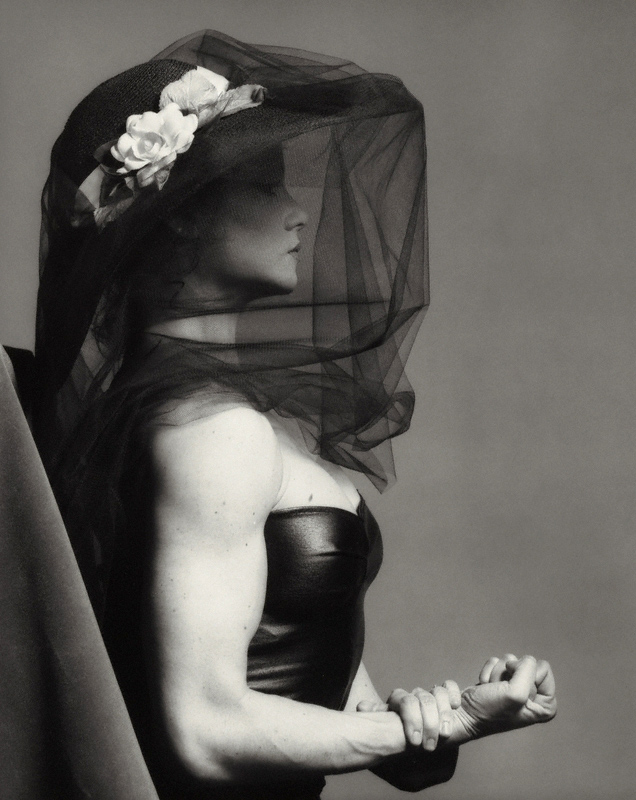
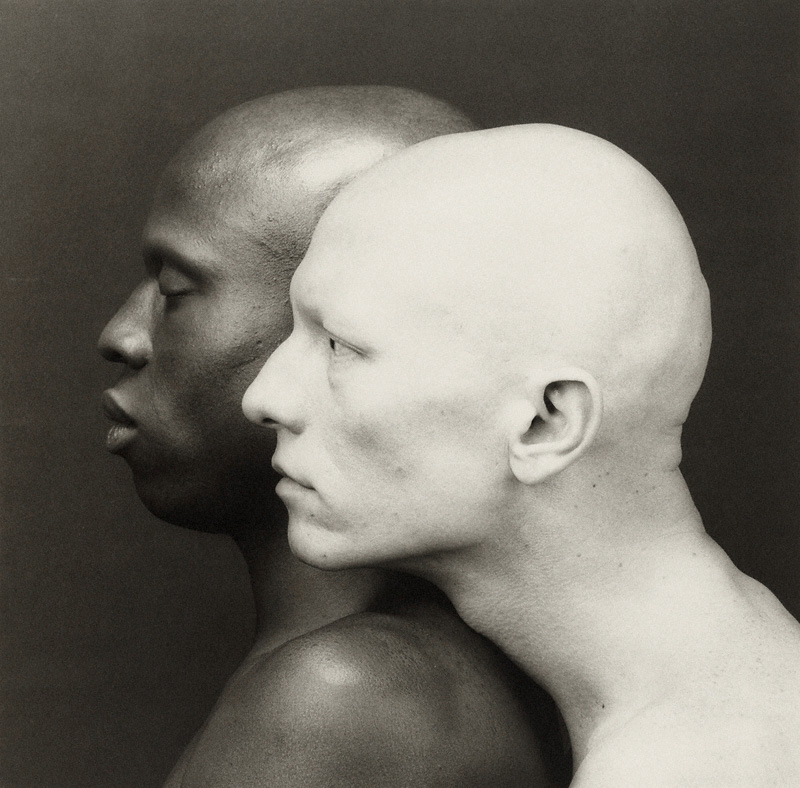
In the 1980s, Mapplethorpe achieved both critical acclaim and notoriety. His work was exhibited in major galleries and museums, collected by leading institutions, and featured in glossy publications. He produced celebrated portrait series of Lisa Lyon, the bodybuilder whose muscular form he photographed with the same classical attention he brought to all his subjects, and of Ken Moody and Robert Sherman, whose contrasting skin tones he composed into images of austere, sculptural beauty. He also continued to photograph flowers with increasing mastery, producing images whose perfection of form and delicacy of tonal range rivalled the finest platinum prints of Edward Weston.
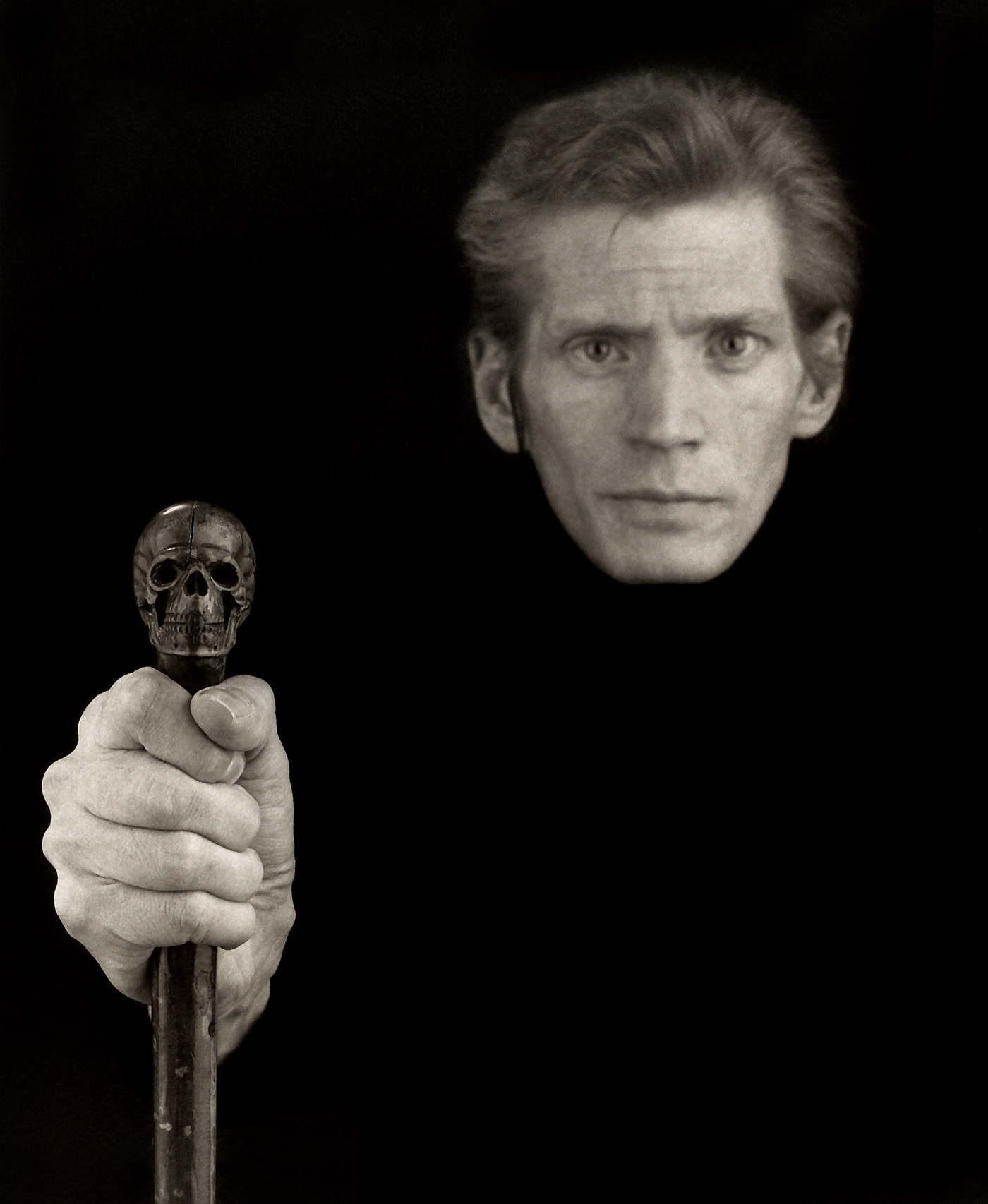
The culture wars that erupted around Mapplethorpe's work in 1989 and 1990, when a travelling retrospective called The Perfect Moment provoked congressional outrage and an obscenity trial in Cincinnati, became a defining episode in the American debate about art, censorship, and public funding. Mapplethorpe himself did not live to see the trial; he died of AIDS-related complications on March 9, 1989, at the age of forty-two. His final self-portrait, made shortly before his death, shows him gripping a cane topped with a skull, his face gaunt and haunted but his gaze unwavering — an image of defiance and mortality that stands as one of the great self-portraits in the history of photography.
Before his death, Mapplethorpe established the Robert Mapplethorpe Foundation to promote photography as a fine art and to fund medical research into AIDS and HIV infection. His legacy extends far beyond the controversies that surrounded him. He demonstrated that photography could achieve a level of formal perfection equal to any other visual art, and he insisted that beauty could be found in subjects that society preferred to keep hidden. His influence on contemporary art photography — on the elevation of the photograph to the status of a museum object, on the relationship between the beautiful and the transgressive — remains profound and enduring.