Robert Capa was born Endre Friedmann in Budapest in 1913, the son of a Jewish tailor. As a teenager he became involved in left-wing politics, and at seventeen, threatened with arrest by the authoritarian Hungarian government, he fled to Berlin. He enrolled at the Deutsche Hochschule für Politik and found work in a darkroom, beginning the photographic career that would make him the most celebrated war photographer in history. When the Nazis came to power in 1933, Friedmann fled again, this time to Paris, where he met Gerda Taro, a young German refugee who would become his partner in life and work. Together they invented the persona of Robert Capa — a fictitious, glamorous American photographer whose images commanded higher fees than those of an unknown Hungarian émigré.
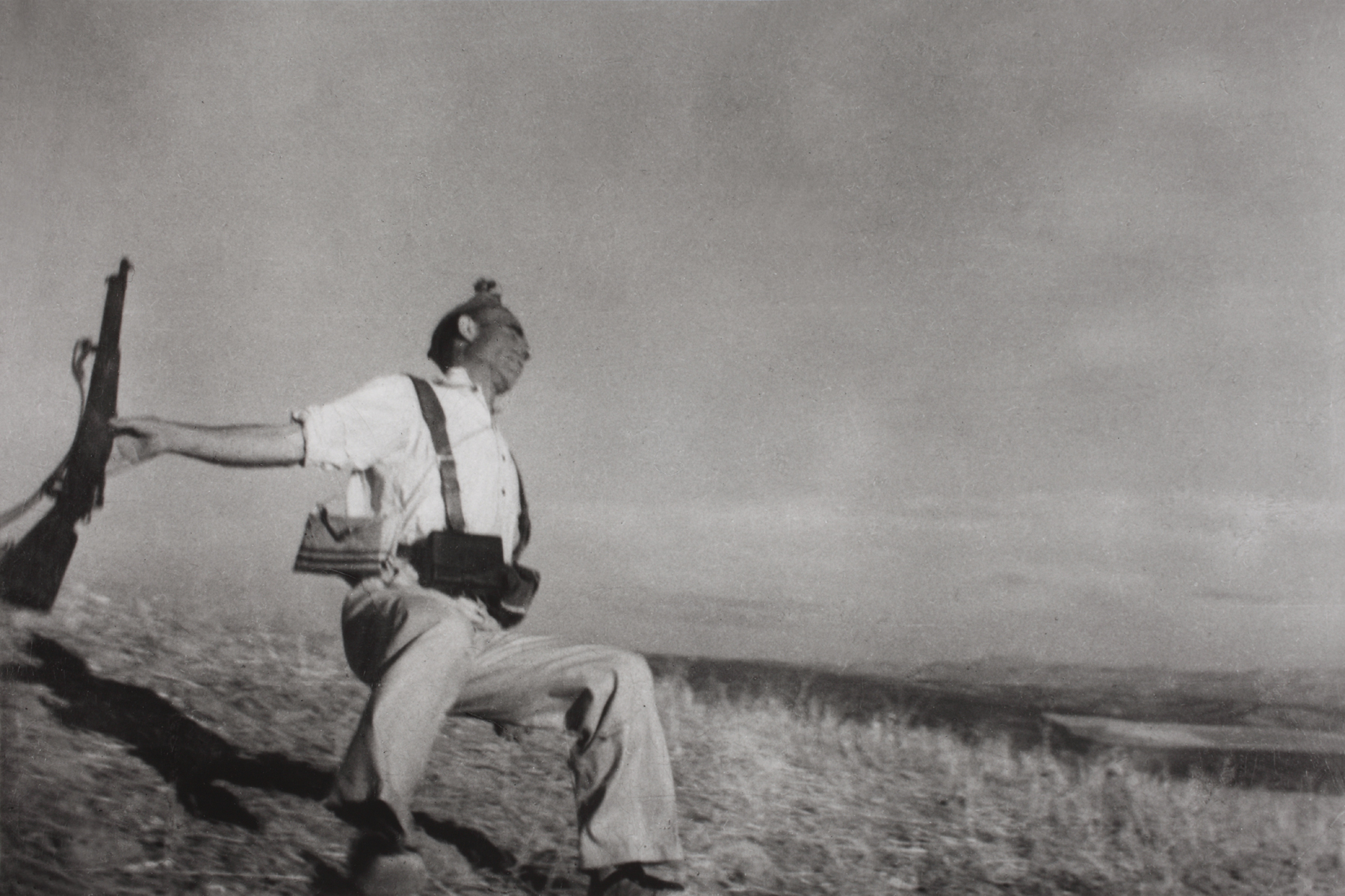
The Spanish Civil War, which began in 1936, was Capa's crucible. He and Taro travelled to Spain to document the Republican cause, and it was there that Capa produced the photograph that would define both his career and the genre of war photography: The Falling Soldier, an image purporting to show the instant of death of a Republican militiaman struck by a bullet on the Córdoba front. The photograph became one of the most famous and most debated images of the twentieth century. Its authenticity has been questioned repeatedly, but its power as an icon of war's violence and as a statement about the photographer's proximity to danger has never been in doubt.
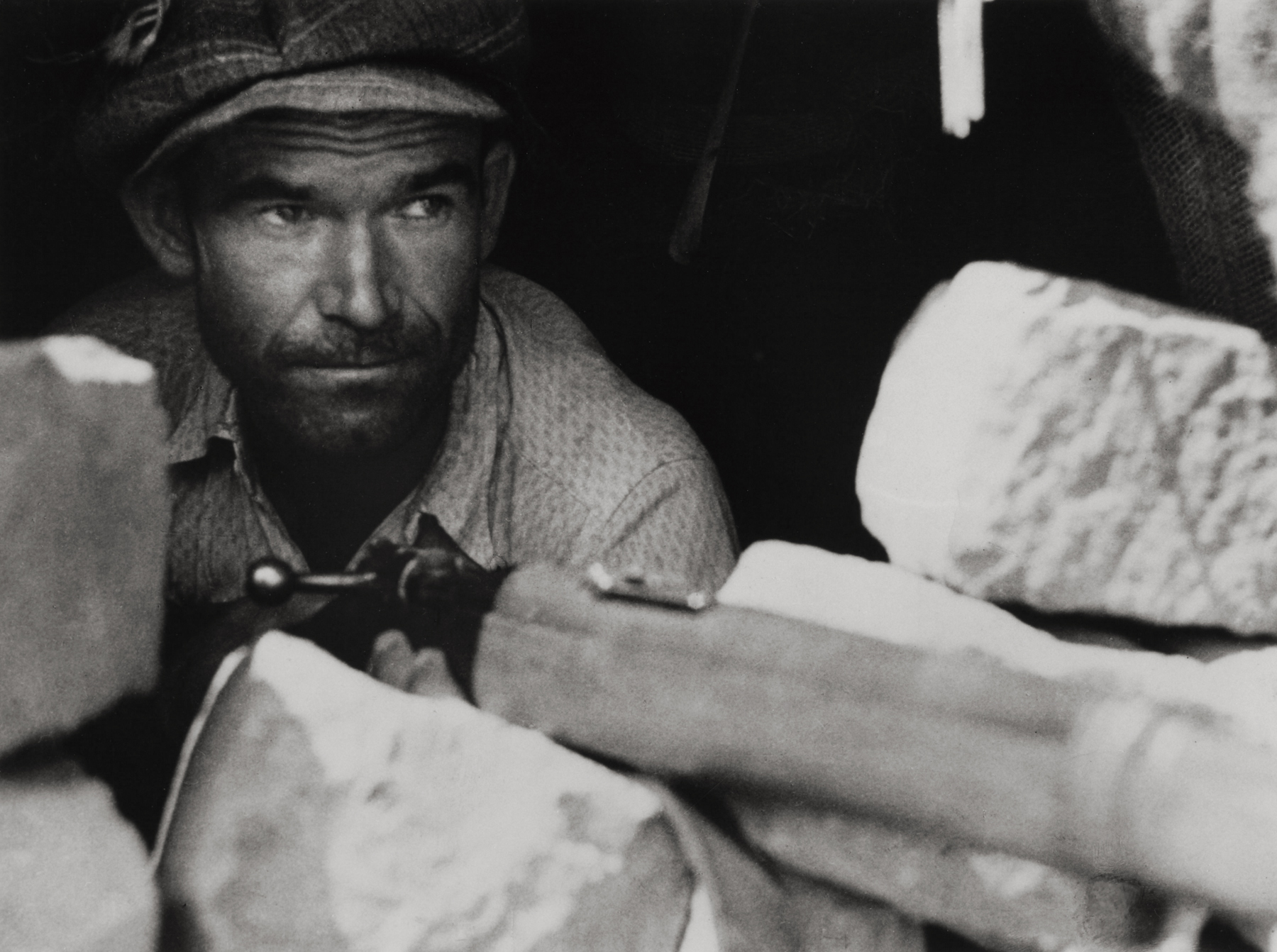
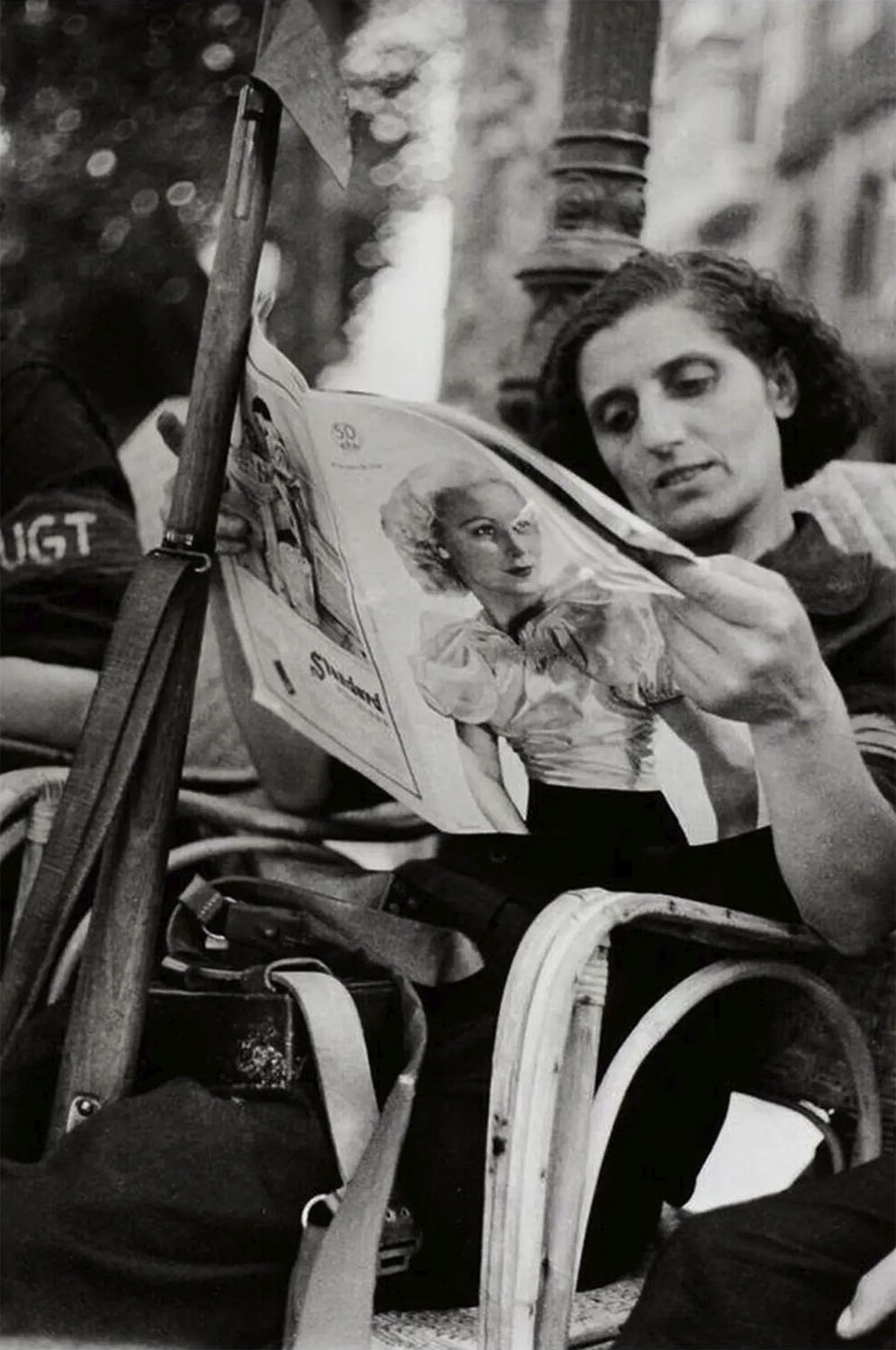
Taro was killed in Spain in 1937, crushed by a Republican tank during the Battle of Brunete. Her death devastated Capa and deepened the reckless courage that would characterise the rest of his career. He continued to photograph the Spanish conflict with an intensity and closeness that set a new standard for war reportage. His images were not those of a distant observer but of a participant, a man who placed himself in the same danger as the soldiers he accompanied and whose camera shook with the same fear and adrenaline.
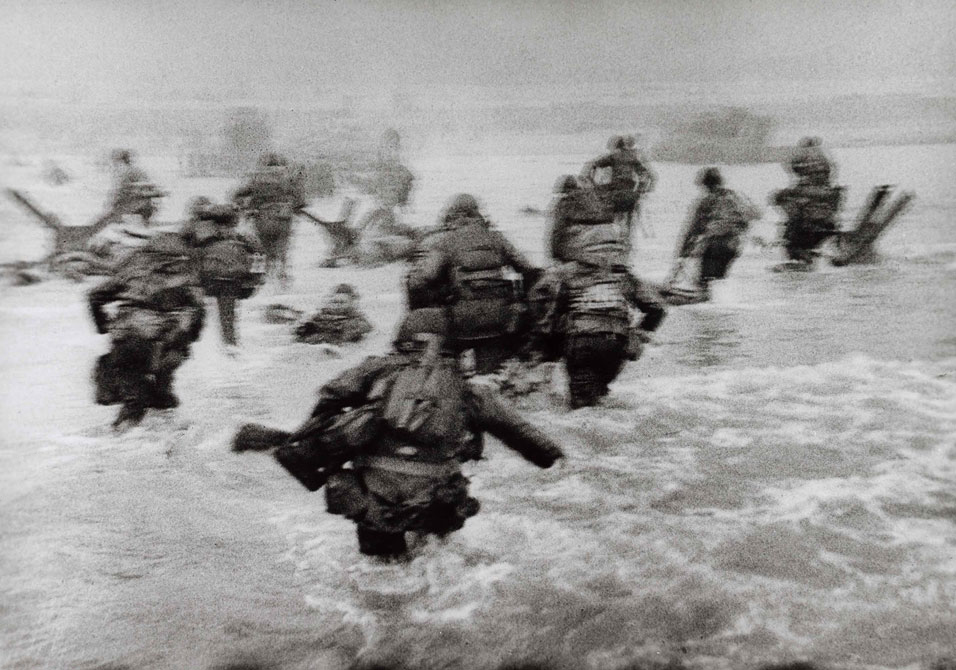
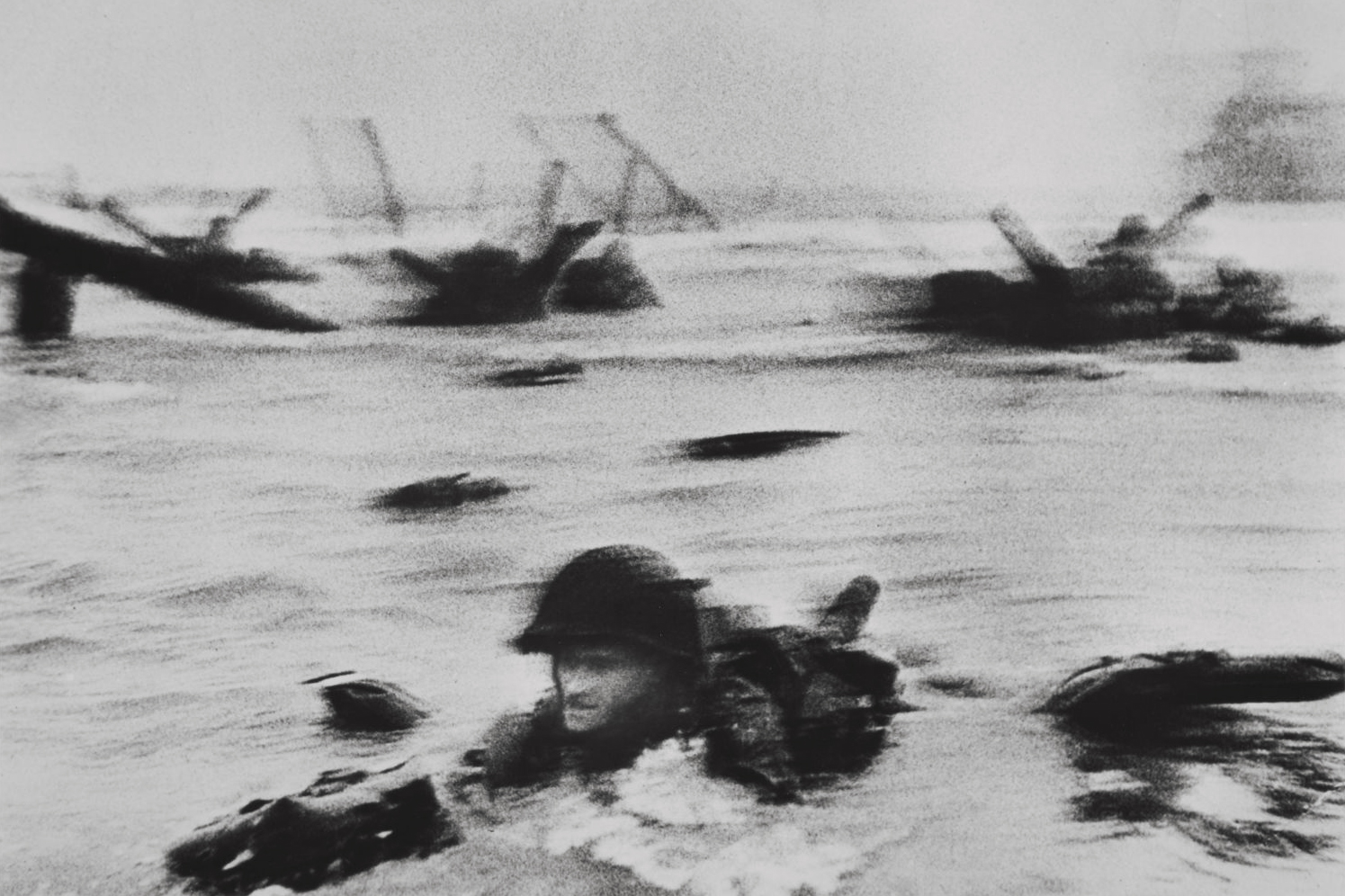
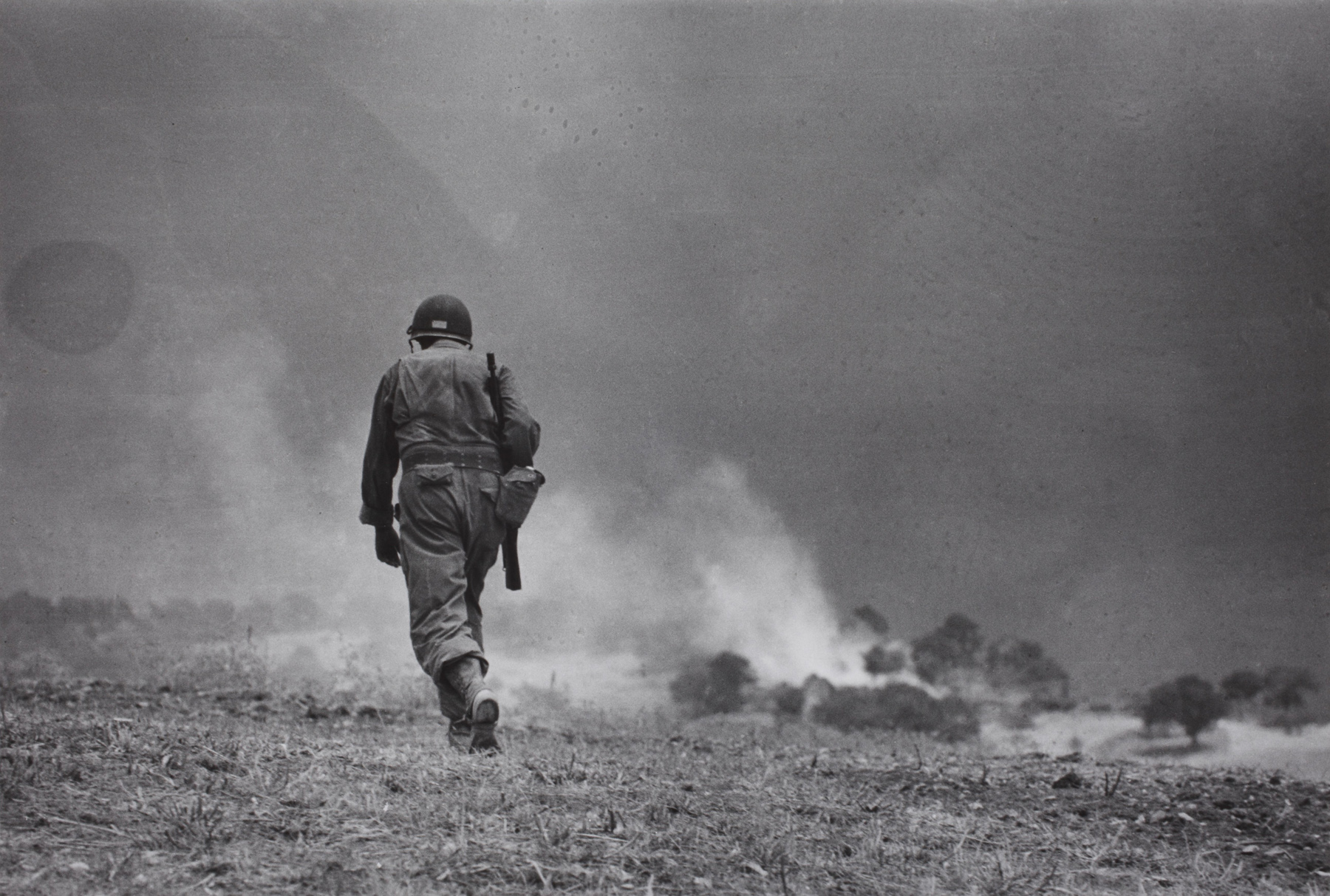
During the Second World War, Capa established himself as the pre-eminent combat photographer of the conflict. His most celebrated images came from D-Day, June 6, 1944, when he waded ashore with the first wave of American troops at Omaha Beach. Of the four rolls of film he shot that morning, all but eleven frames were destroyed in a darkroom accident. The surviving images — blurred, chaotic, imbued with the terror and confusion of the landing — became the defining visual record of the invasion and some of the most powerful war photographs ever made. Their technical imperfection, far from diminishing their impact, intensified it, placing the viewer inside the experience of combat as no technically flawless image could have done.
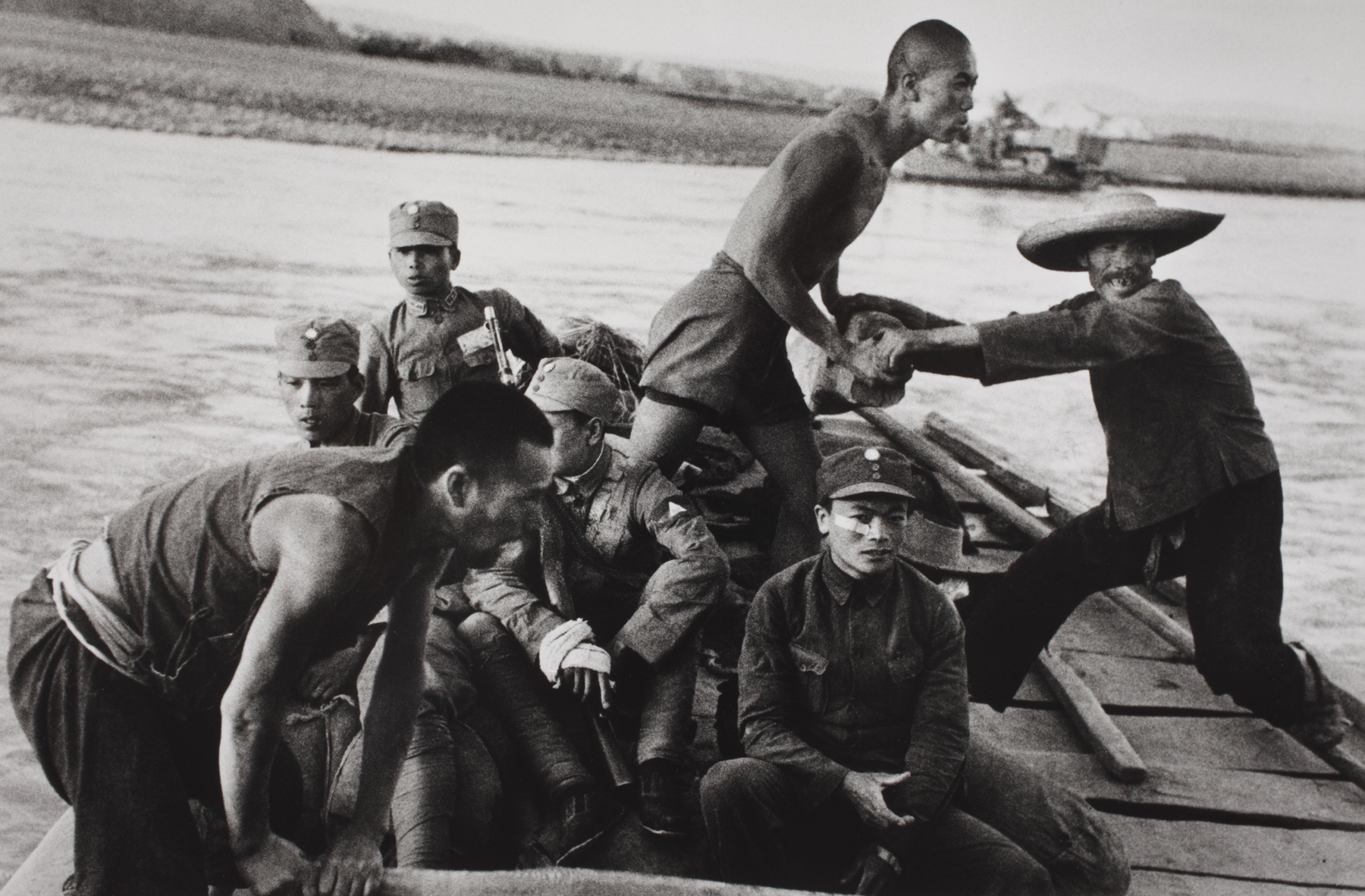
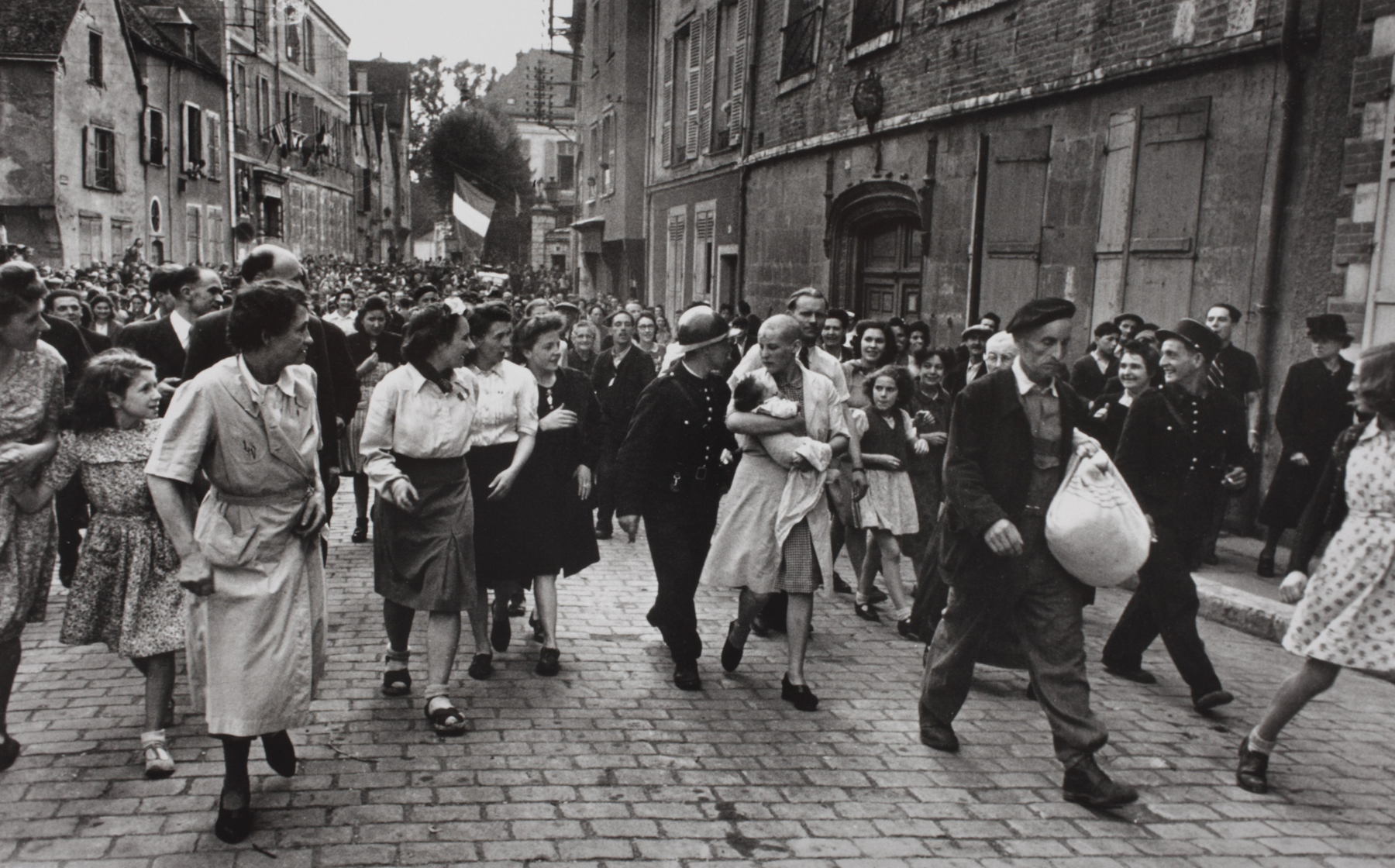
Capa also covered the liberation of Paris, the advance across Europe, and the final collapse of the Third Reich. His photographs of these events combined the urgency of journalism with a compositional intelligence and emotional sensitivity that elevated them beyond mere reportage. He photographed not only combat but the human consequences of war: refugees, wounded soldiers, the joy and grief of liberation, the casual cruelty of retribution against collaborators.
In 1947, Capa co-founded Magnum Photos with Henri Cartier-Bresson, David “Chim” Seymour, and George Rodger. The cooperative was revolutionary in its insistence that photographers retain ownership of their negatives and control over how their images were used — principles that transformed the economics and ethics of photojournalism. Capa served as Magnum's first president and its driving force, his charisma and entrepreneurial energy holding the fledgling organisation together through its difficult early years.
In the post-war years, Capa photographed in Israel during the 1948 Arab-Israeli War and produced more personal work, including his celebrated images of Picasso on the French Riviera. But he was restless without the intensity of conflict. In 1954, while covering the French colonial war in Indochina for Life magazine, Capa stepped on a landmine near Thai Binh in Vietnam and was killed. He was forty years old. His death confirmed the terrible logic of his most famous dictum and left the world of photojournalism without its most charismatic and courageous practitioner.