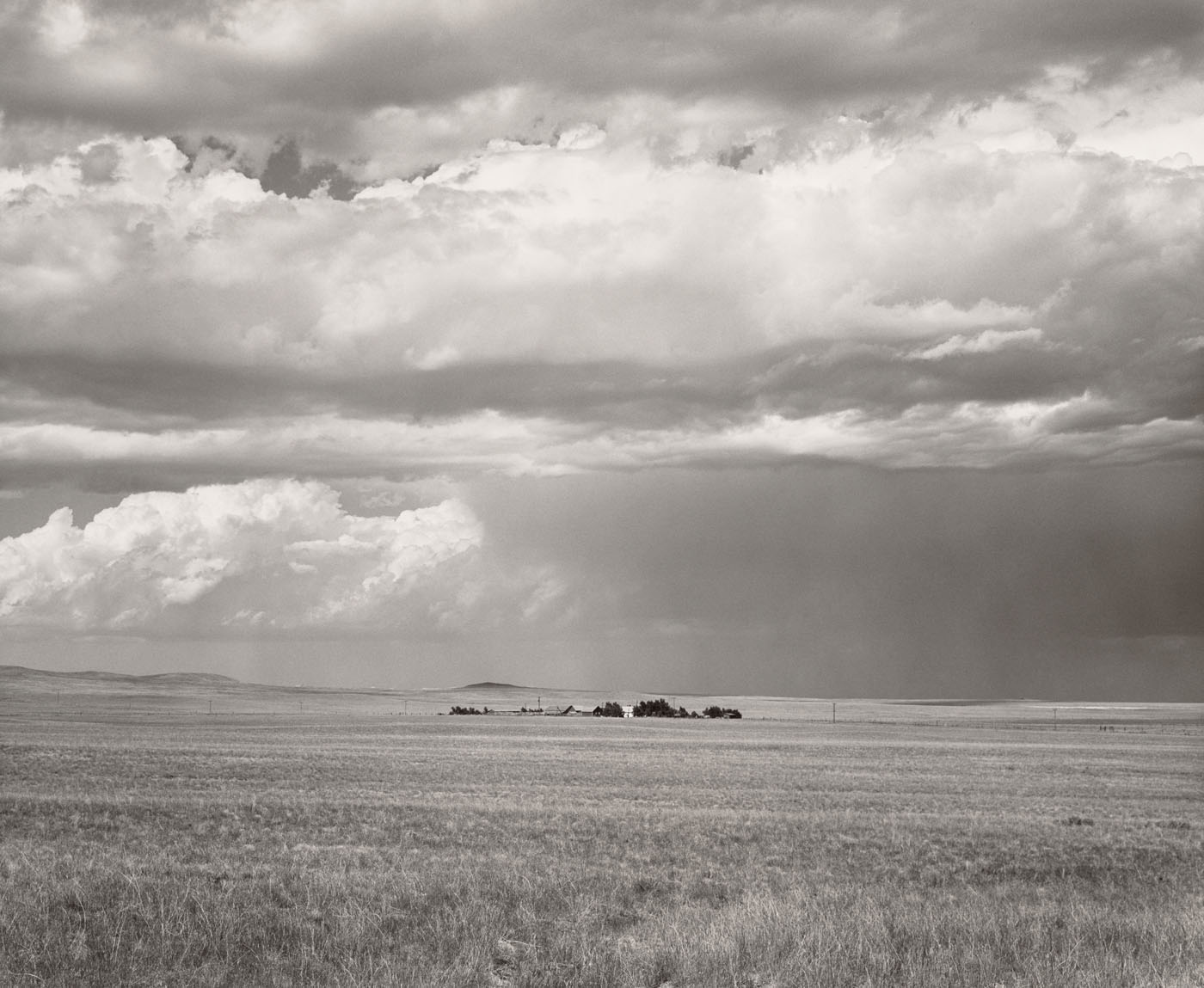
Robert Adams was born in Orange, New Jersey, in 1937, and moved with his family to Colorado when he was a boy. The landscapes of the American West — the immense skies, the mountains, the plains that seemed to promise limitless space and possibility — shaped his sensibility from childhood. He studied English literature at the University of Redlands in California and earned a PhD from the University of Southern California, writing his dissertation on the novels of Joseph Conrad. He taught English for several years before turning to photography in the mid-1960s, a decision prompted by his growing alarm at the transformation of the Colorado landscape he loved into an expanse of suburban development, shopping centres, and tract housing.
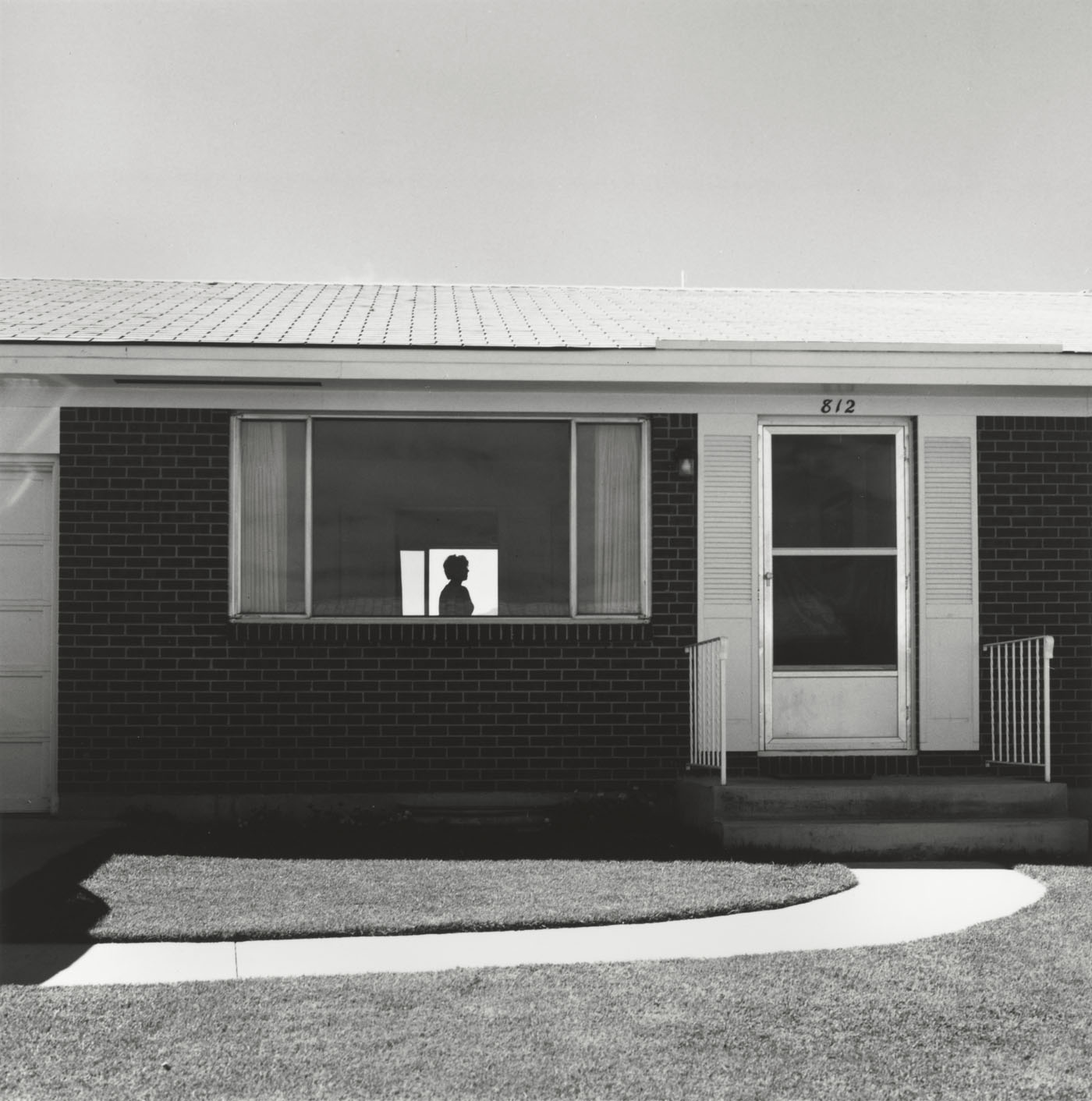
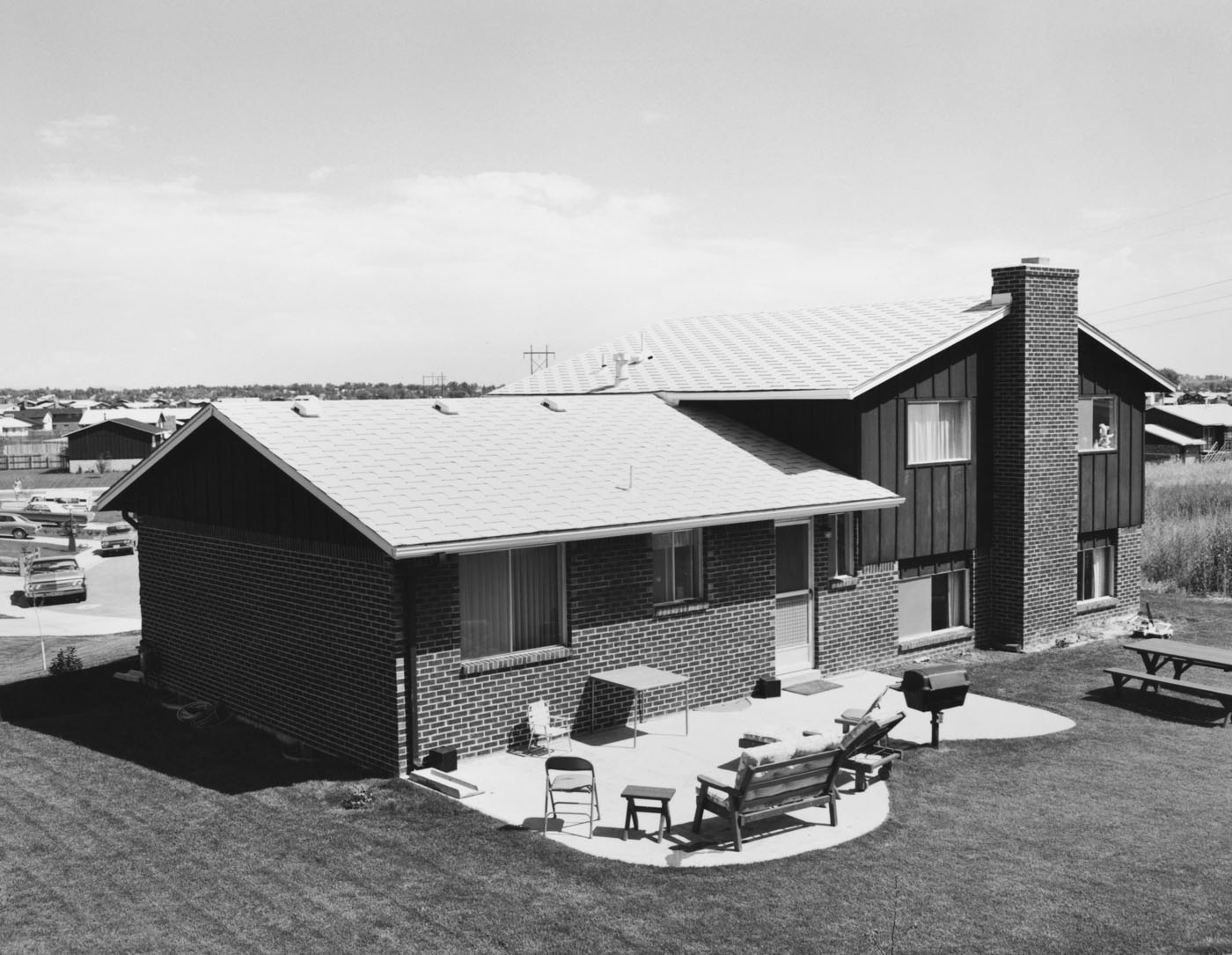
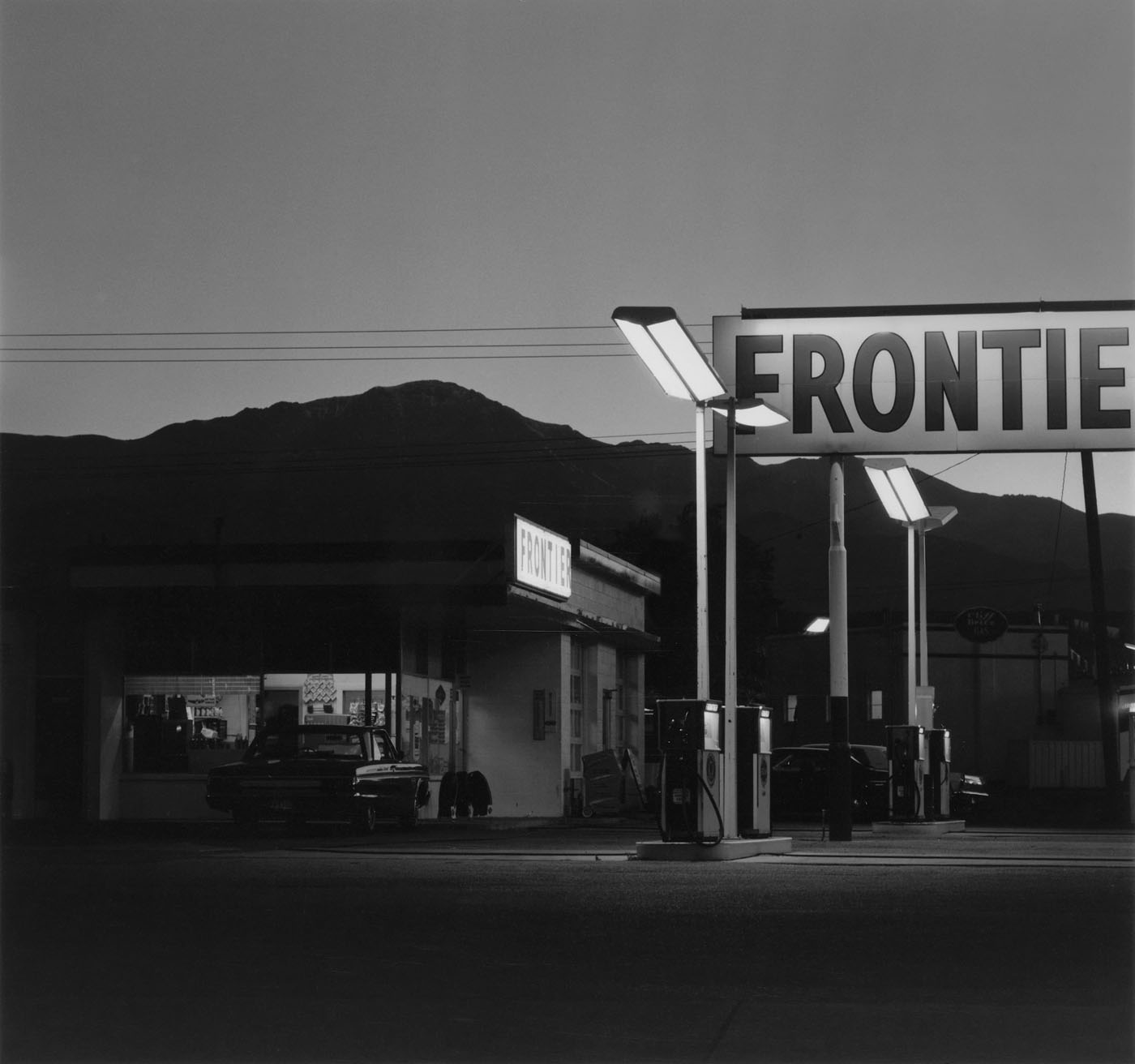
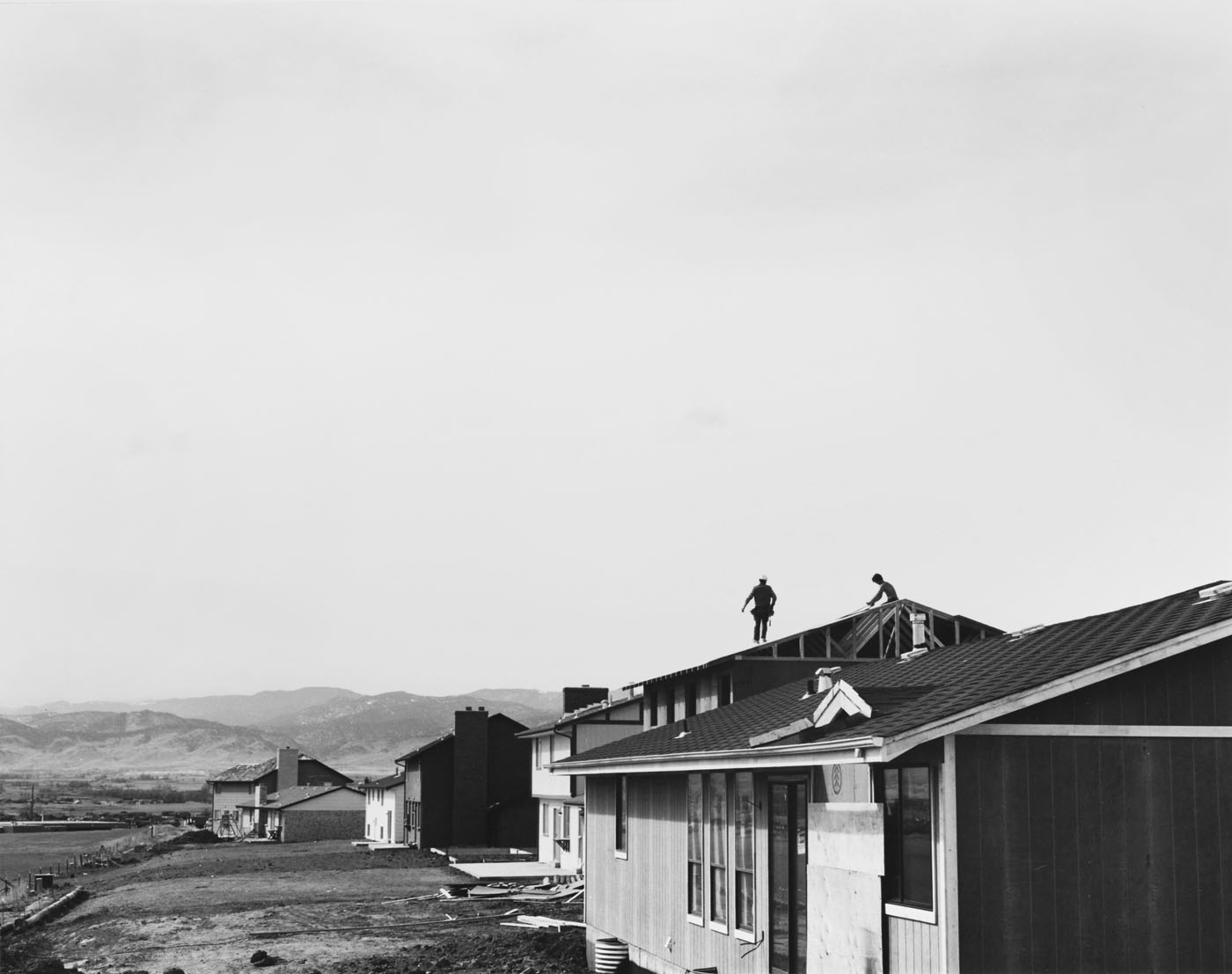
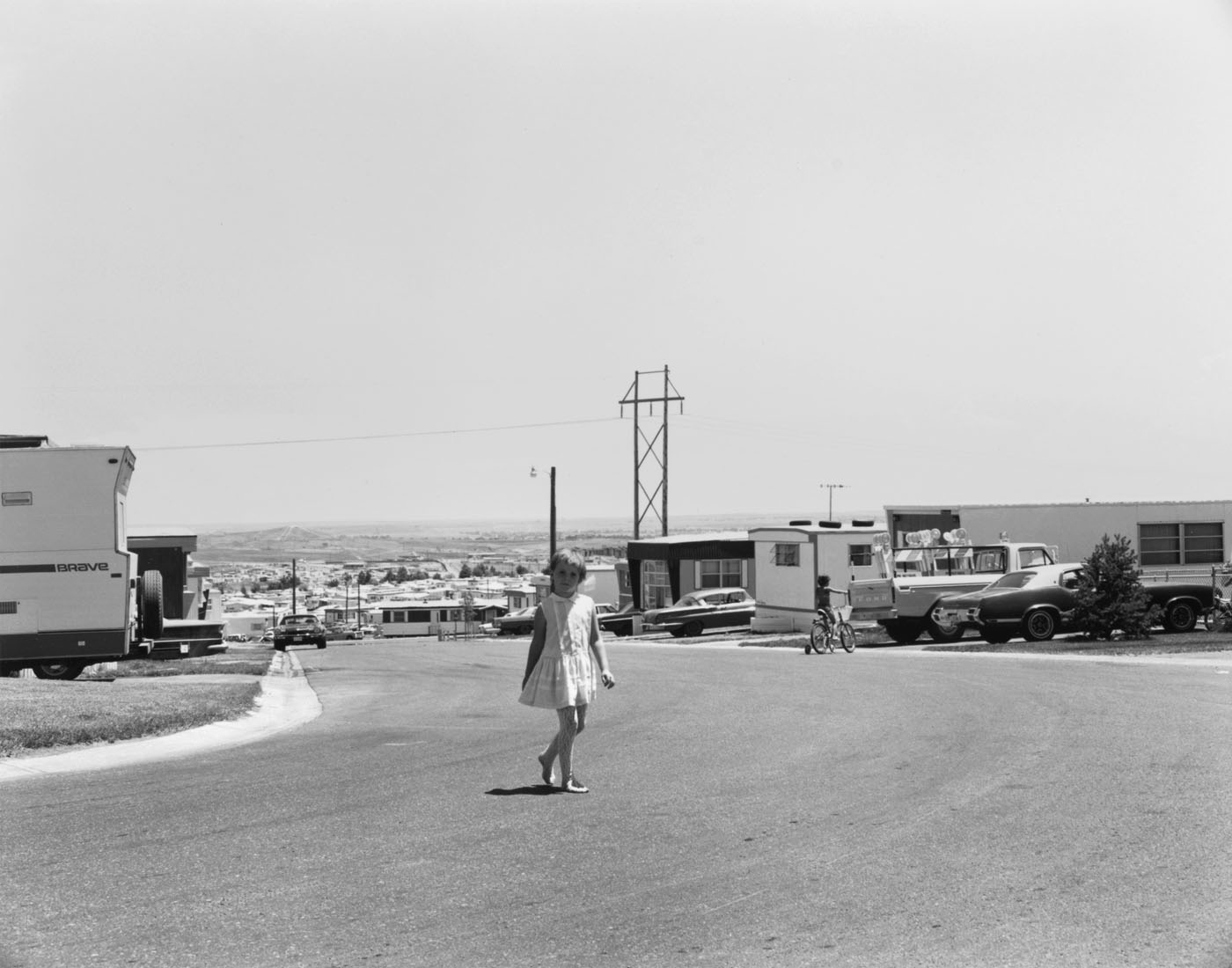
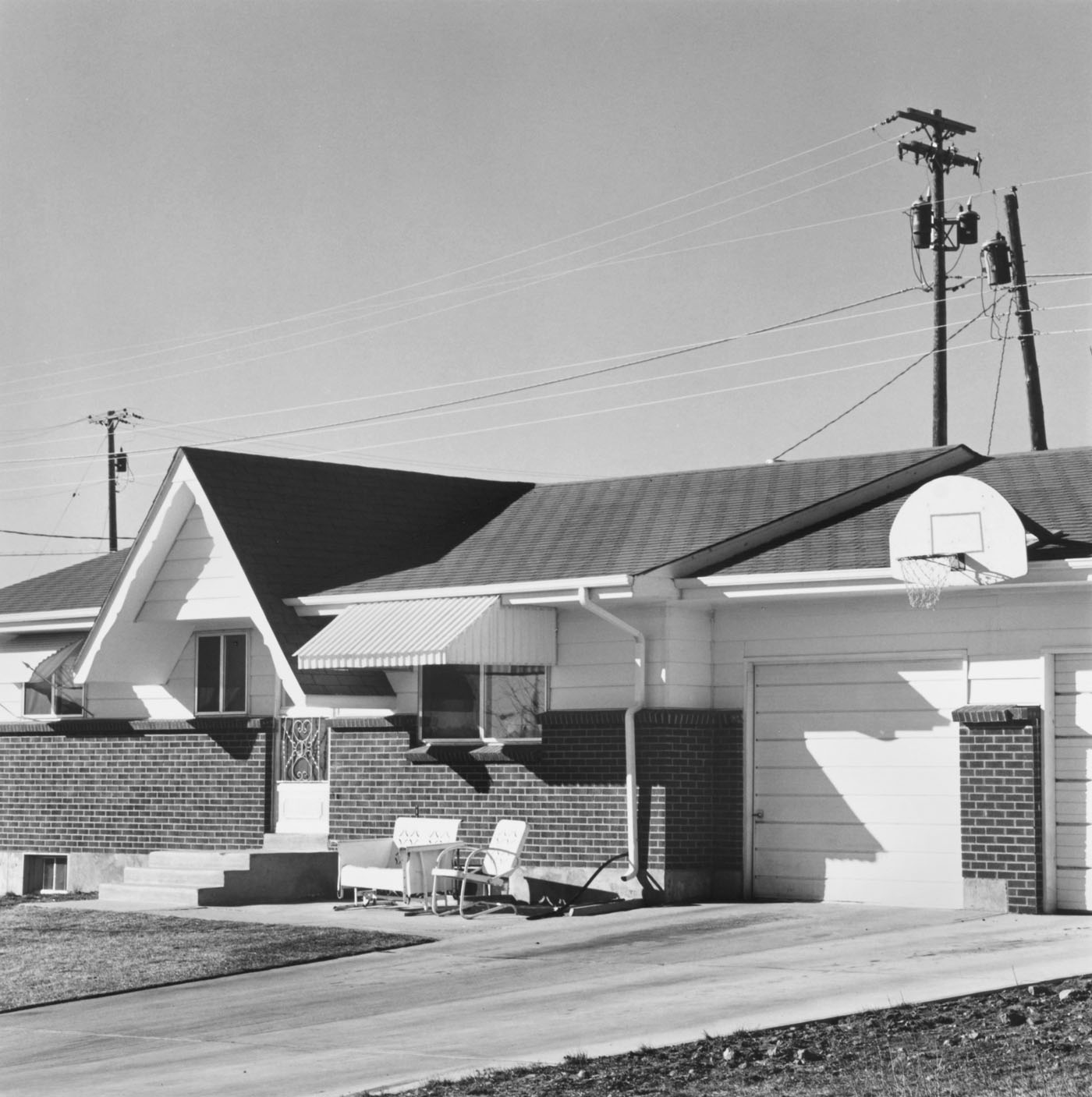
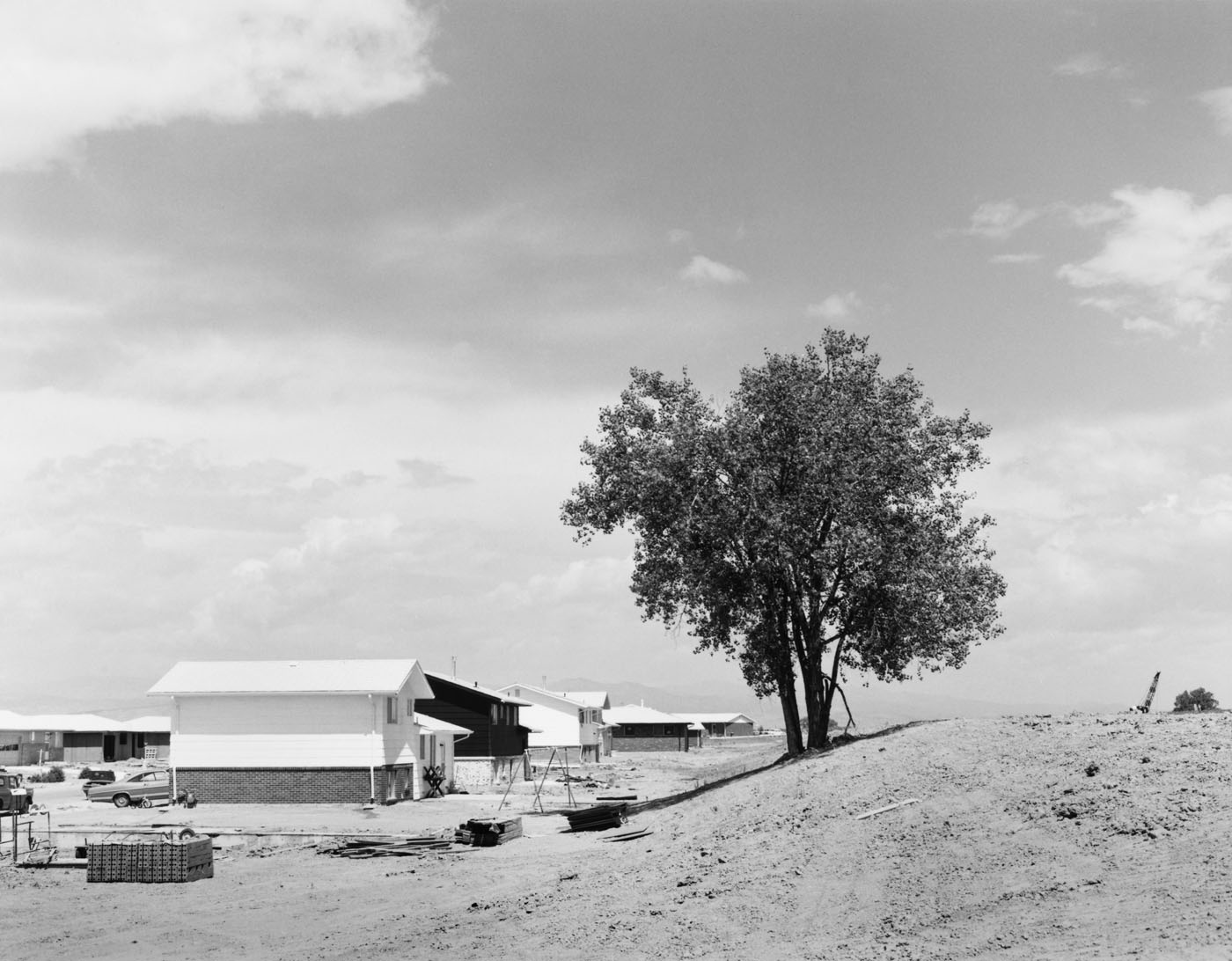
Adams's early photographs documented the front range of the Rocky Mountains, the corridor from Denver to Colorado Springs that was undergoing explosive suburban growth during the 1960s and 1970s. Where a conventional landscape photographer might have turned away from the tract houses and parking lots to find unspoiled vistas, Adams pointed his camera directly at the collision between development and open land. His images showed new houses crowding against the prairie, trailer parks dwarfed by the mountains behind them, and empty lots where the remnants of agriculture gave way to concrete. The photographs were made in black and white, with a luminosity and precision of light that gave even the most dispiriting scenes a strange, austere beauty.
This work was gathered in The New West (1974), the book that established Adams as one of the most important landscape photographers of his generation. The following year, his work was included in the landmark exhibition New Topographics: Photographs of a Man-Altered Landscape at the George Eastman House in Rochester, alongside Lewis Baltz, Stephen Shore, the Bechers, and others. The show is now recognised as one of the most influential photography exhibitions of the twentieth century, marking a decisive shift away from the romantic, wilderness-oriented tradition of Ansel Adams toward a new engagement with the ordinary, the suburban, and the constructed environment.
What distinguished Robert Adams from some of his New Topographics colleagues was the moral weight and emotional depth he brought to his images. His photographs were never merely cool or ironic; they were suffused with a genuine grief for what was being lost and a stubborn hope that beauty might persist even in damaged landscapes. He wrote eloquently about photography, producing several books of essays — including Beauty in Photography (1981) and Why People Photograph (1994) — that articulated a philosophy of the medium grounded in the belief that art must confront both the world's beauty and its destruction, and that to do one without the other is a form of dishonesty.
In the 1980s and 1990s, Adams turned his attention to the forests of the Pacific Northwest, where the timber industry was clear-cutting old-growth forest on an industrial scale. The resulting photographs, gathered in books including Turning Back (1991) and To Make It Home (1989), are among the most powerful environmental documents in the history of photography. They show hillsides stripped of trees, the earth scarred and exposed, stumps standing in devastated clearings like monuments to destruction. Yet even in these images of ecological catastrophe, Adams found moments of light and grace — a shaft of sun breaking through cloud, a single young tree growing from a stump — that insisted on the possibility of renewal.
Adams's later work has included photographs of the Oregon coast, studies of domestic life and gardens, and meditations on light itself. His images of the Pacific Ocean, gathered in Sea Stories (2007), represent some of his most contemplative work, distilling the vastness of landscape into compositions of extraordinary simplicity and luminance. He has received the Hasselblad Foundation International Award, the Deutsche Börse Photography Foundation Prize, and a MacArthur Fellowship, among many other honours.
Throughout more than five decades of work, Adams has maintained a consistent vision: that the photographer's task is to bear witness to the world as it is, to find beauty where it persists and to mourn where it has been destroyed, and to do so with a clarity and honesty that honours both the subject and the viewer. His photographs and his writings together constitute one of the most sustained and morally serious engagements with landscape in the history of the medium, a body of work that insists we look at what we have done to the places we inhabit and asks whether we might yet learn to do better.