Richard Kalvar was born in New York City in 1944 and grew up with an instinctive sense of the comedy embedded in human behaviour. He studied English literature at Cornell University, where he developed the literary sensibility — the ear for irony, the eye for the telling detail — that would come to distinguish his photographs from those of his peers. After graduating, he worked briefly as an assistant to the French photographer André Kertész, an apprenticeship that introduced him to the tradition of poetic street photography and confirmed his vocation. Kertész's ability to find visual wit and emotional resonance in the geometry of everyday life left a permanent mark on Kalvar's sensibility.
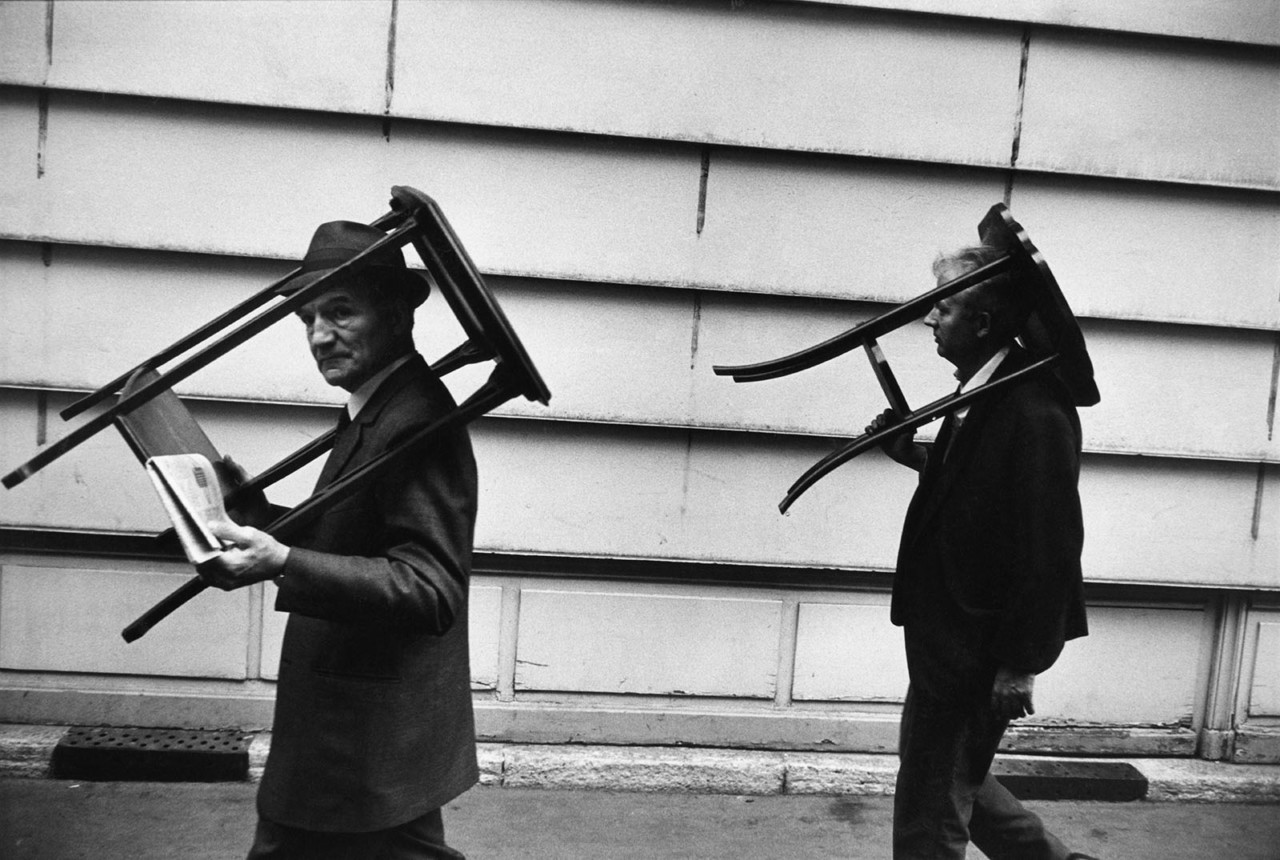
In the late 1960s, Kalvar moved to Paris, the city that would become his permanent home and his primary subject. He was drawn to the tradition of French street photography — to Henri Cartier-Bresson, to Robert Doisneau, to the idea that the street was a theatre in which the human comedy played out its endless variations. But where Cartier-Bresson sought the decisive moment of geometric perfection, and Doisneau cultivated a warm, romantic humanism, Kalvar developed a vision that was darker, stranger, and more genuinely funny. His photographs catch people in moments of absurdity, confusion, vulnerability, and unconscious grace, revealing the surreal undercurrents that run beneath the surface of the ordinary.
Kalvar joined Magnum Photos in 1975, becoming a full member of the cooperative whose standards of photographic excellence and editorial independence aligned with his own ambitions. Within Magnum, he occupied a distinctive position: less overtly political than some of his colleagues, less concerned with grand events than with the small, unnoticed dramas of daily life. His work was closer in spirit to literature than to journalism — closer to Beckett or Ionesco than to the front page. He served as president of Magnum from 1993 to 1995, a role that testified to the respect his colleagues held for both his artistic vision and his judgment.
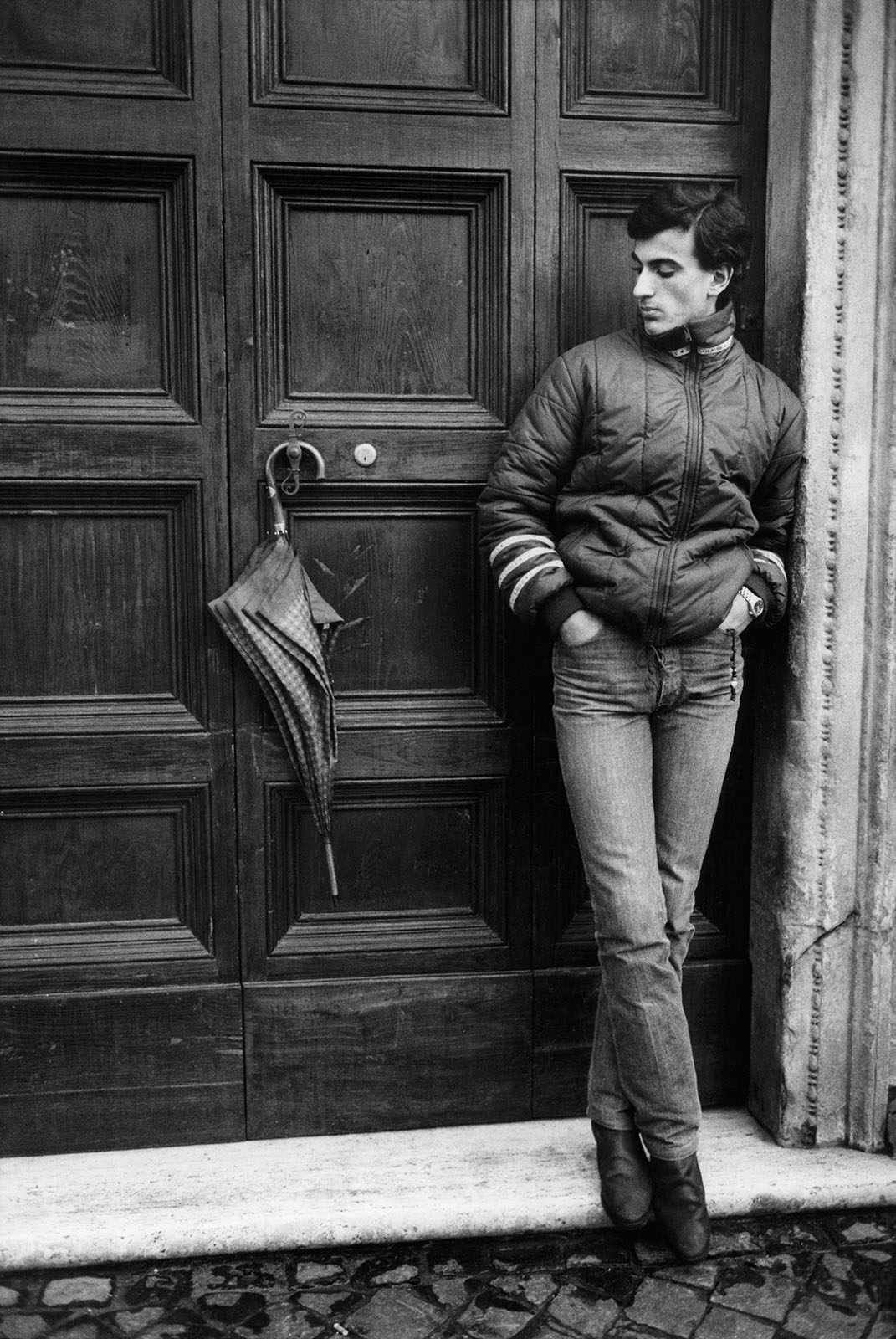
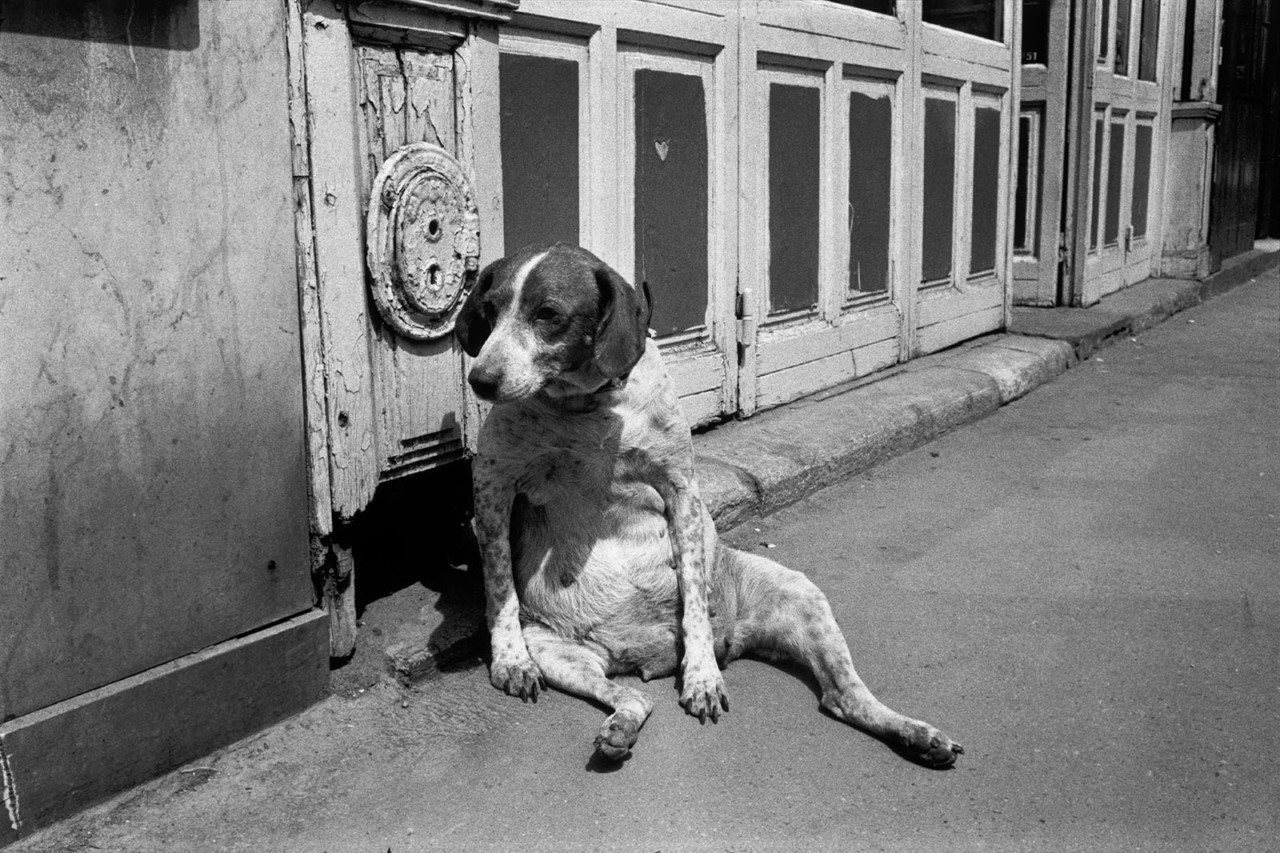
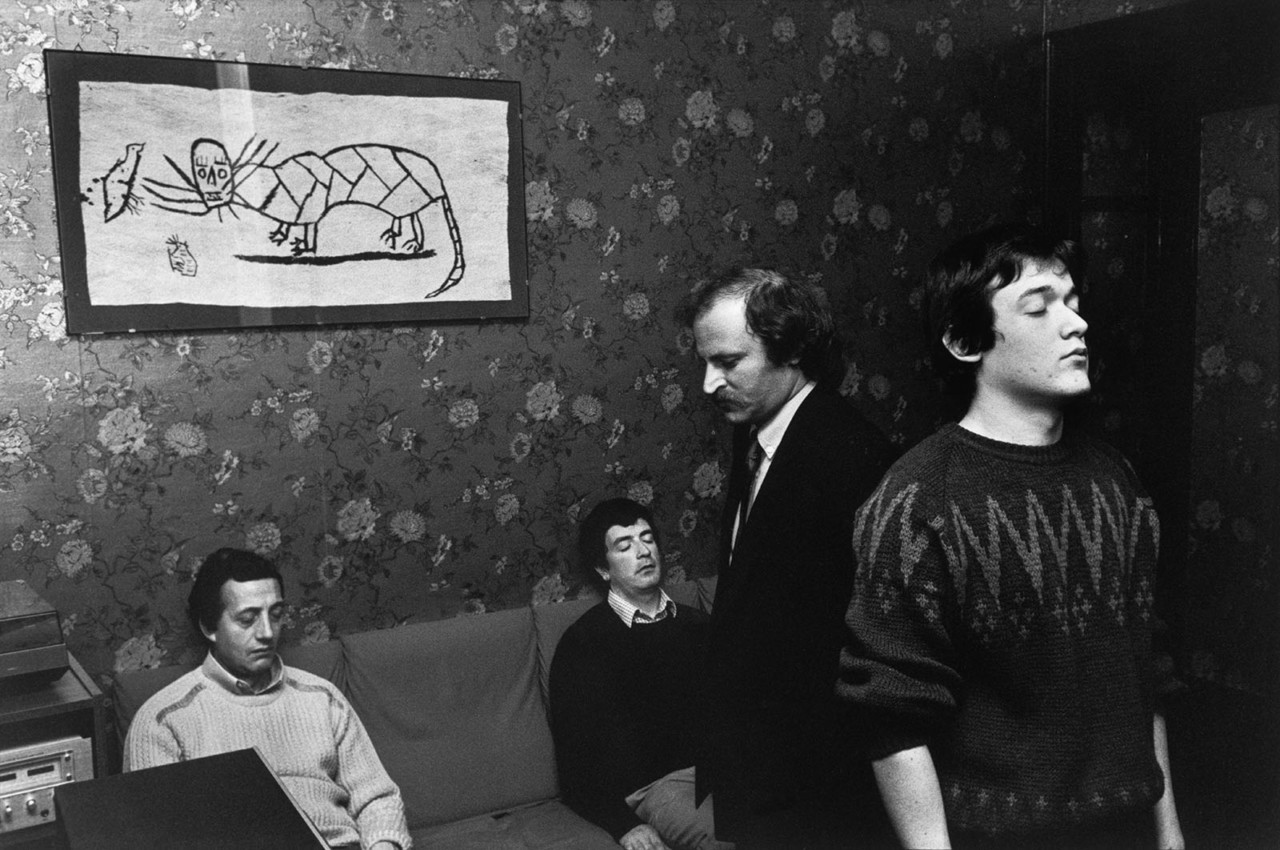
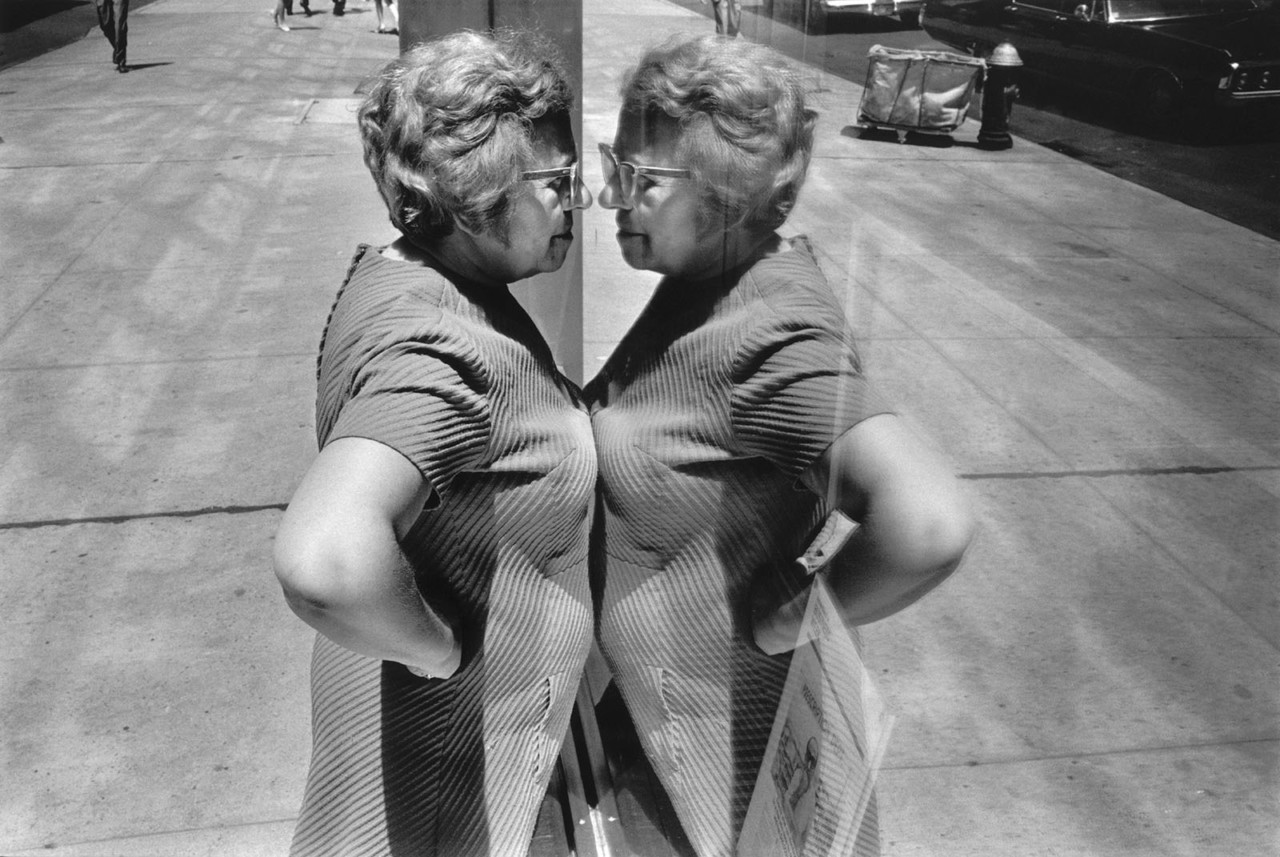
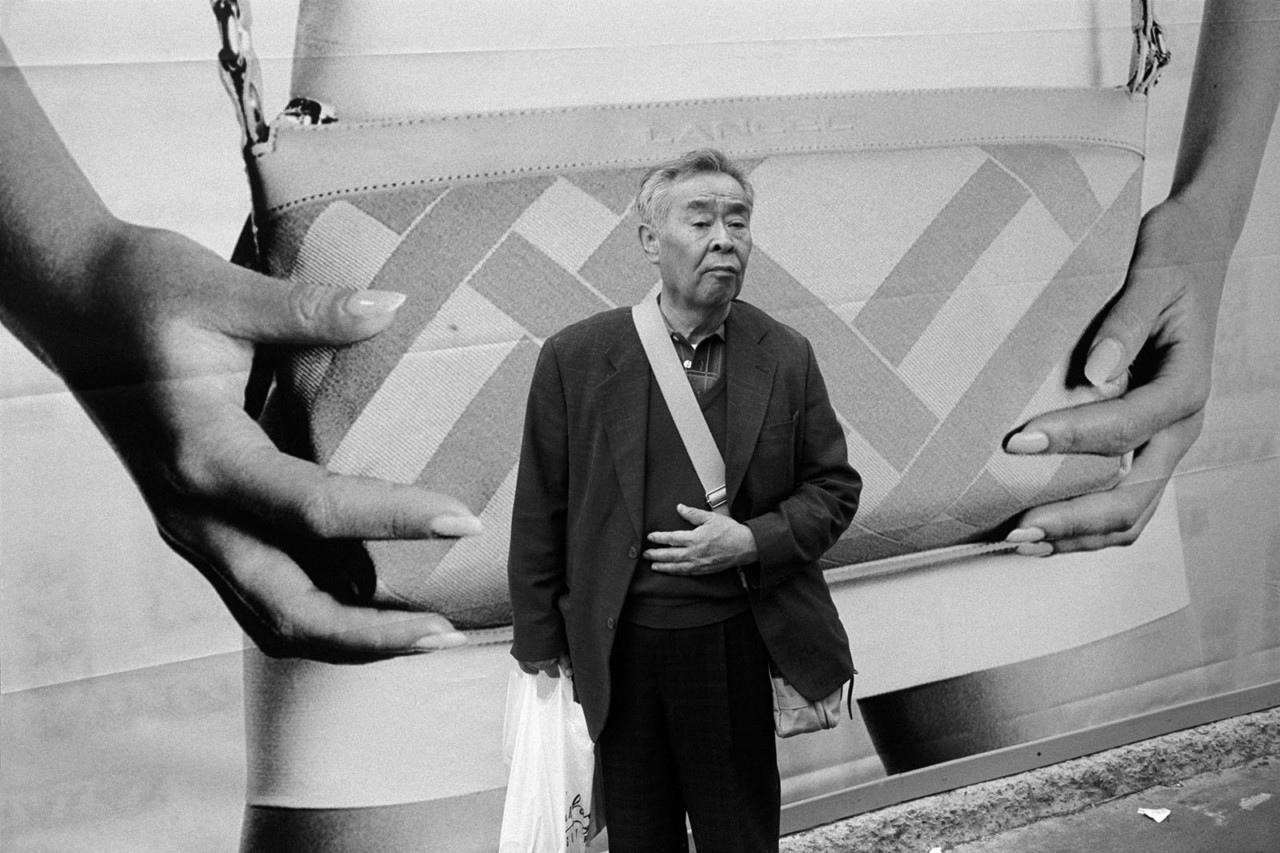
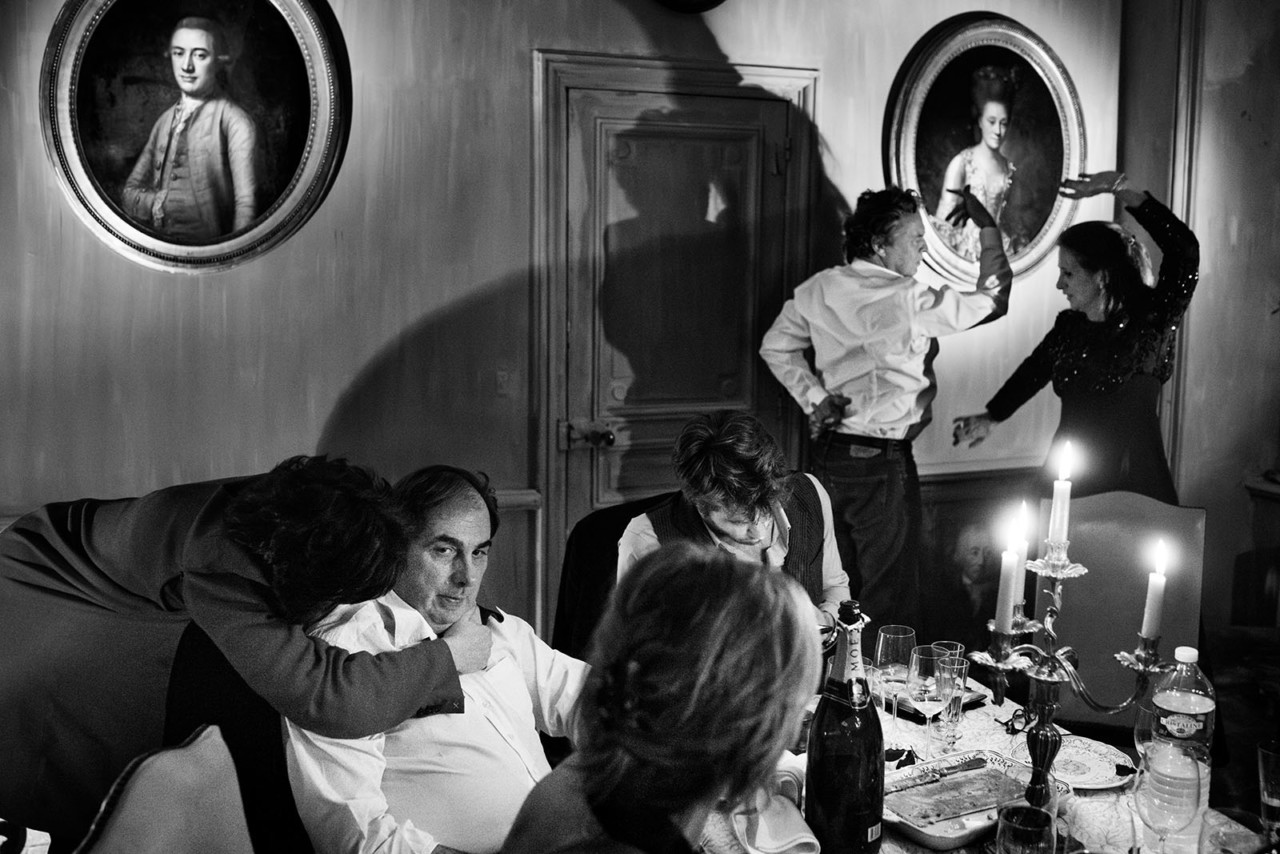
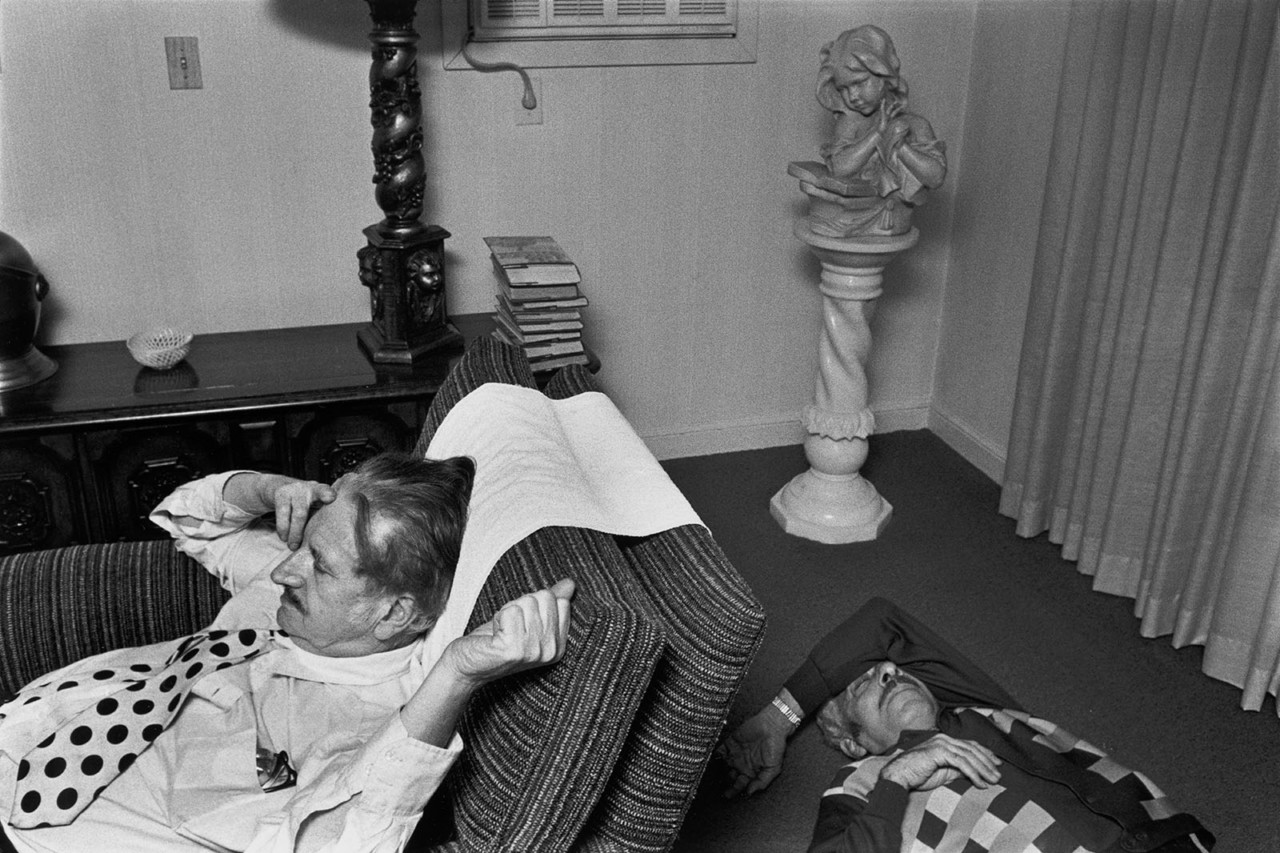
Kalvar's photographs are characterised by their impeccable timing, their compositional intelligence, and their refusal to explain themselves. A man wrestles with a pigeon in a Parisian park; a boy reaches for a hat that seems to float just beyond his grasp; a nun passes a mannequin in a shop window and the resemblance between the two is startling and comic. The images exist in a space between observation and invention, between documentary and fiction. They record real moments, but the moments they choose to record feel scripted, as if life itself were staging small theatrical performances for the photographer's benefit.
His principal subjects have been Paris, Rome, and New York — cities dense enough with human activity to provide the raw material for his visual comedy. In Italy, he found a culture of public theatricality and physical expressiveness that suited his eye perfectly; in Paris, the formal geometry of the streets and parks provided stages for his compositions; in New York, the speed and intensity of the city generated the collisions and coincidences that fuel his best work. His photographs of all three cities share a consistent vision: they see the world as a place of infinite strangeness, where the gap between intention and outcome, between dignity and absurdity, is always ready to be exploited by a photographer alert enough to notice.
Kalvar has published several photobooks, including Earthlings (2007), a career retrospective that gathered decades of work into a sequence that demonstrated the remarkable consistency and depth of his vision. The book revealed Kalvar as one of the most original and underappreciated street photographers of his generation, an artist whose work rewards repeated viewing with discoveries that are by turns hilarious, poignant, and unsettling. His influence on contemporary street photography is significant, though his sensibility — literary, ironic, profoundly humane — remains difficult to imitate.