Red Saunders was born in London in 1945, into the post-war atmosphere of reconstruction and political hope that would shape his lifelong commitment to radical politics and popular culture. He came of age in the 1960s, absorbing the energies of the counterculture, and established himself as a photographer working across music, theatre, and editorial commissions. For decades he was known primarily as a commercial and editorial photographer, his work appearing in magazines and on album covers, his portraits of musicians and actors marked by a theatrical sensibility and a flair for dramatic lighting that drew as much from painting as from photography.
In the late 1970s, Saunders co-founded Rock Against Racism, the grassroots movement that mobilised musicians, artists, and young people against the rise of the National Front and racial hatred in Britain. The initiative, which culminated in a legendary carnival in Victoria Park in 1978 featuring The Clash and other bands, demonstrated Saunders's conviction that culture could be a vehicle for political change. This fusion of artistic ambition and radical commitment would eventually find its fullest expression not in music or activism but in photography.
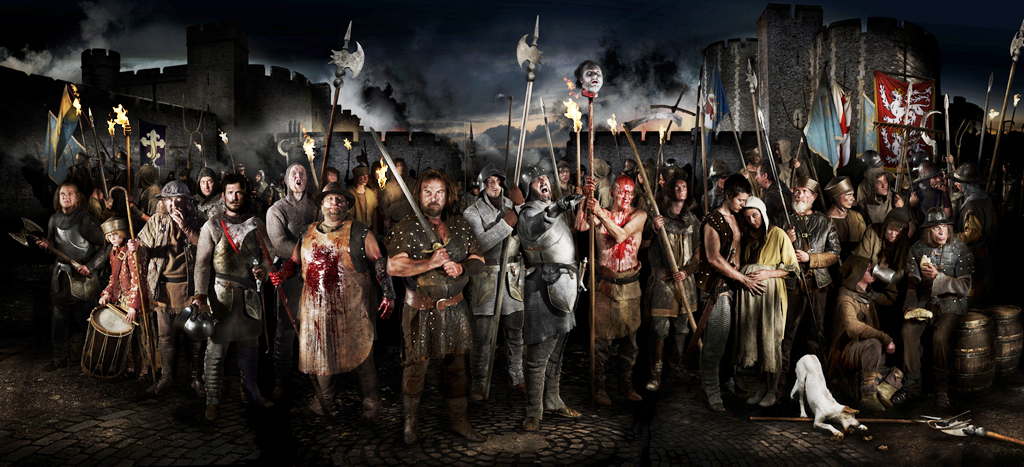
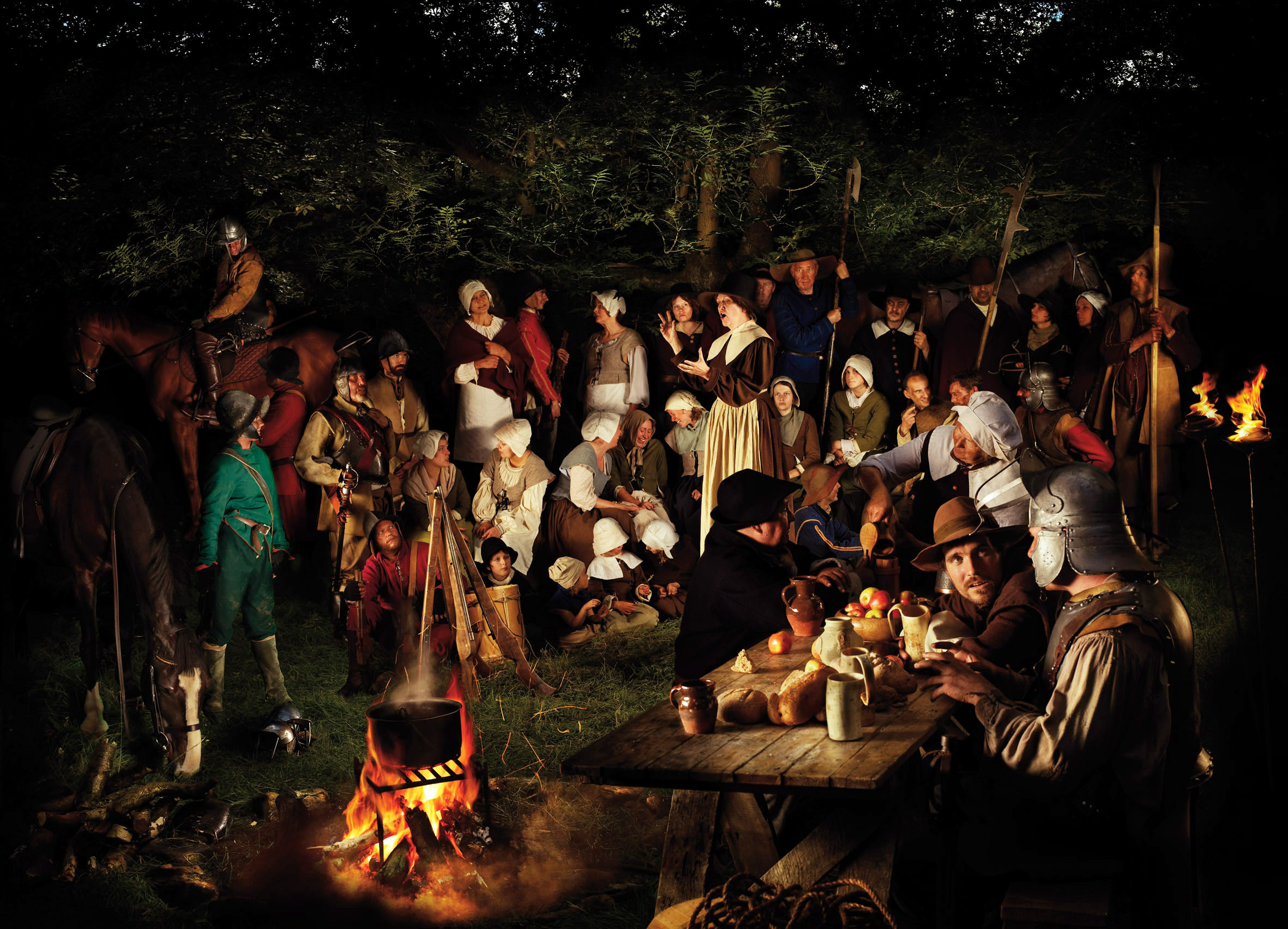
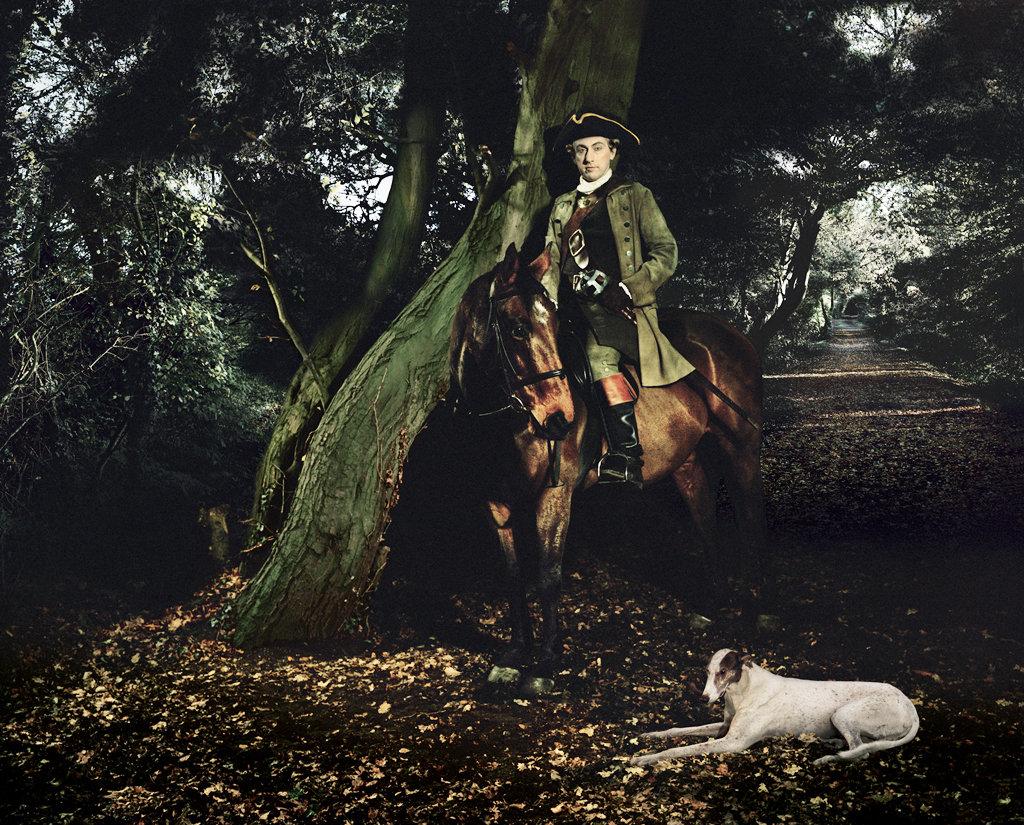
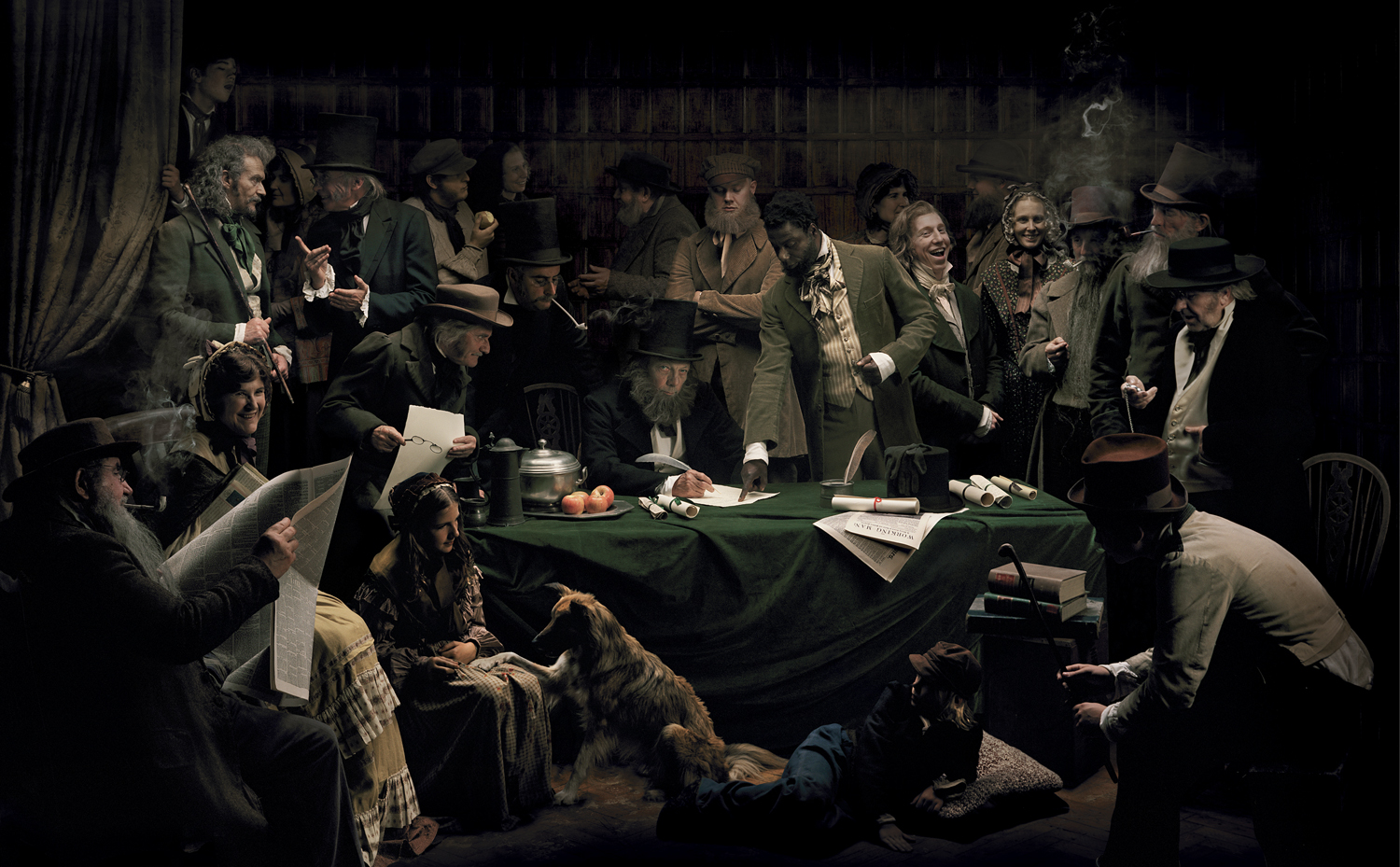
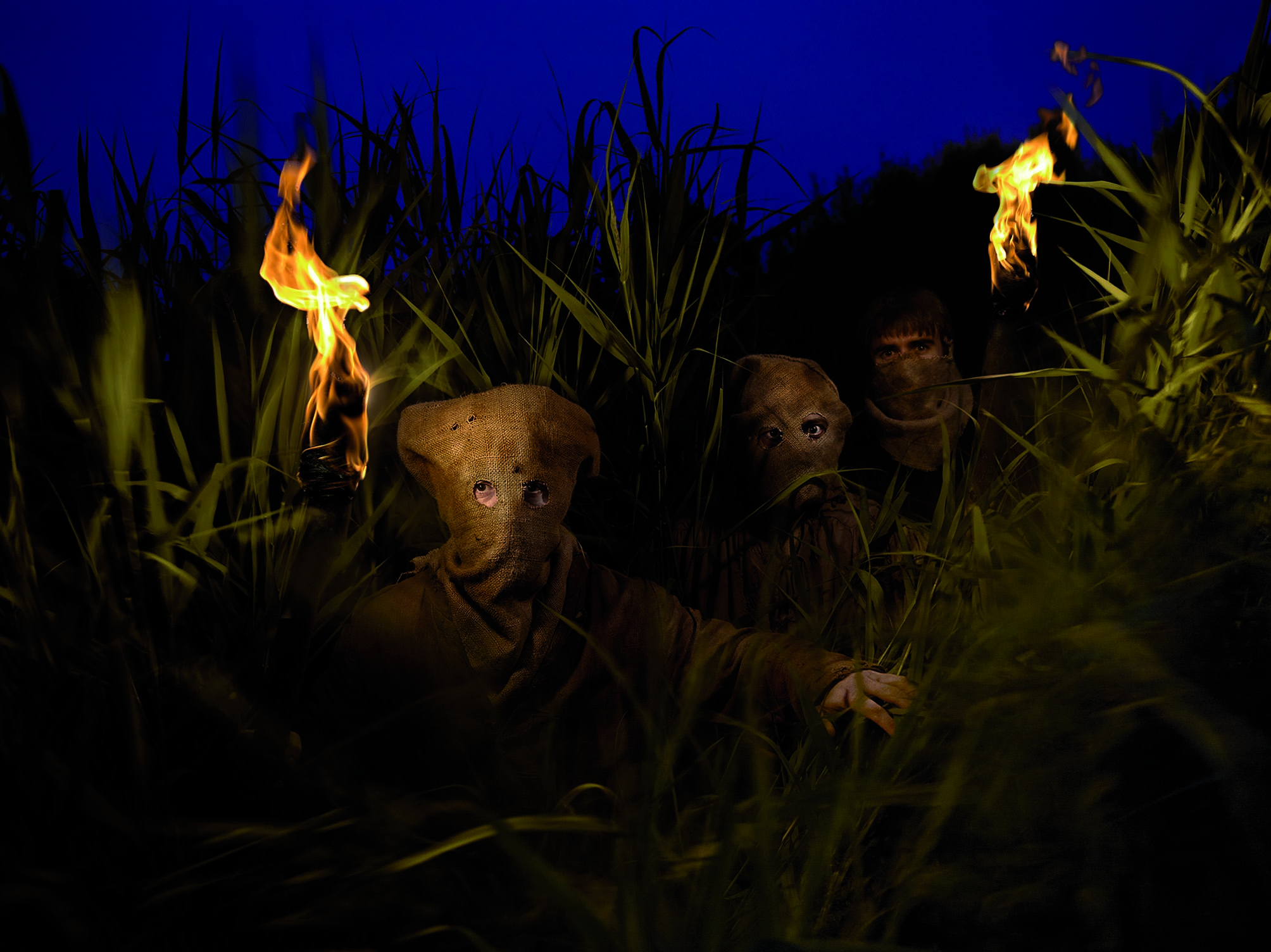
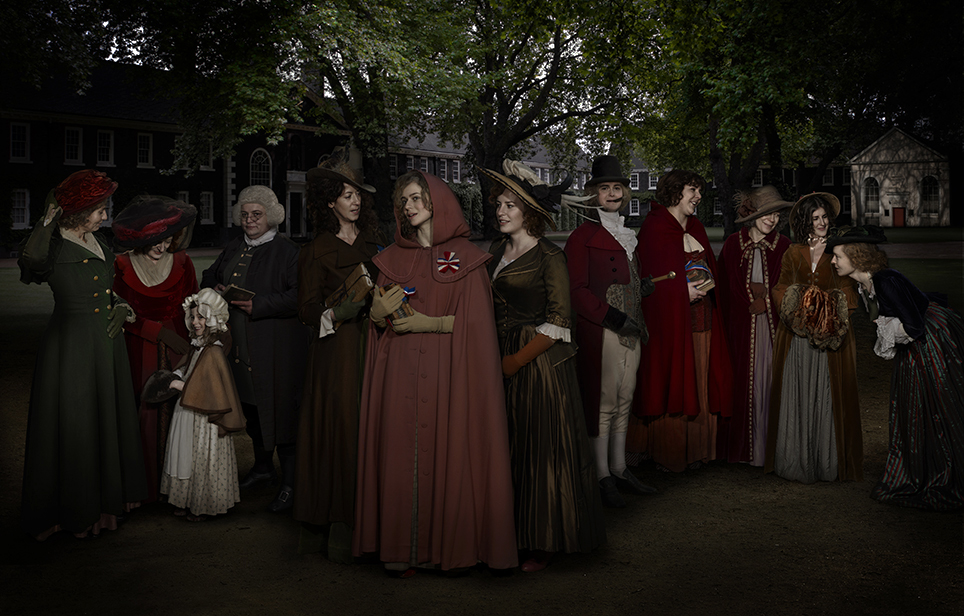
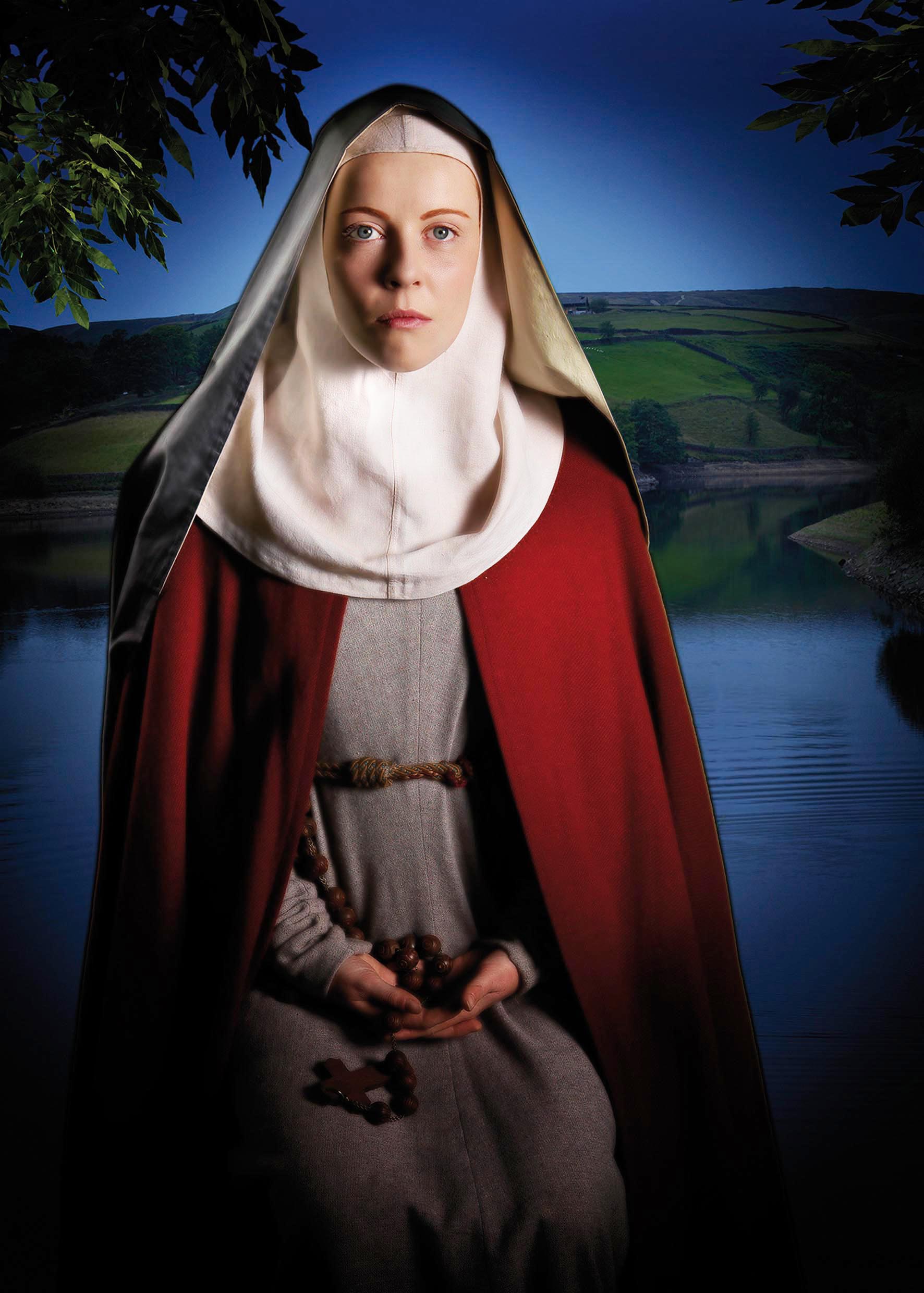
The project that transformed Saunders's reputation is Hidden, an ongoing series of monumental photographic tableaux that restage key moments from British radical history. Begun in the early 2000s, the series takes as its subject the uprisings, protests, debates, and acts of resistance that have been marginalised or suppressed in conventional historical narratives. Each image is produced on the scale of a major theatrical production, involving hundreds of volunteer participants, period costumes, carefully researched settings, and the kind of meticulous staging one associates with cinema or the grand history paintings of the nineteenth century.
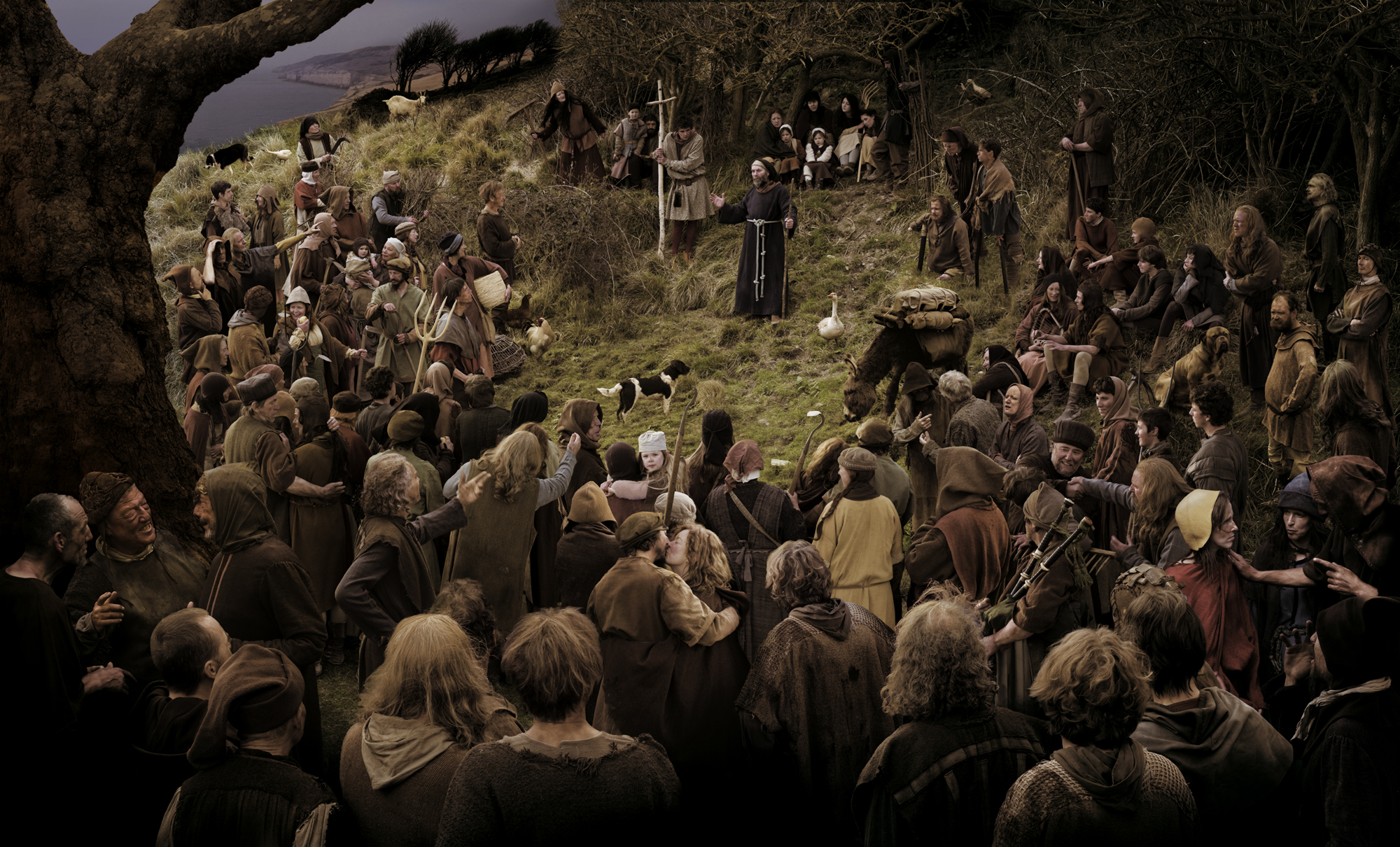
The first major tableau depicted the Peasants' Revolt of 1381, when tens of thousands of English labourers marched on London to demand an end to serfdom and unjust taxation. Saunders marshalled hundreds of participants, dressed them in period costume, and photographed the scene with the dramatic lighting and compositional ambition of a Caravaggio or a Delacroix. The resulting image was not a historical illustration but a work of art that demanded the viewer take seriously a moment of popular rebellion that school textbooks typically dismissed in a paragraph.
Subsequent tableaux have addressed the Putney Debates of 1647, where soldiers and officers in Cromwell's New Model Army argued about the nature of democracy and the right to vote; the Diggers, the radical communists who occupied common land in 1649; the Tolpuddle Martyrs, the agricultural labourers transported to Australia for forming a trade union in 1834; and the Chartists, whose mass movement for democratic reform in the 1830s and 1840s laid the groundwork for modern democracy. Each image recovers a moment of collective courage and reimagines it with the visual grandeur typically reserved for the victories of kings and generals.
What distinguishes Saunders's work from conventional historical re-enactment is the seriousness of its artistic ambition and the depth of its political commitment. The images are not nostalgic or sentimental. They are composed with the formal rigour of the Old Masters, lit with cinematic precision, and printed at a scale that commands the wall space of galleries and public buildings. The volunteers who populate the tableaux are ordinary people — trade unionists, community activists, students, pensioners — whose participation in the making of the image mirrors the collective action they are helping to depict.
The Hidden project has been exhibited across Britain and internationally, and has been championed by historians, trade unions, and cultural institutions as a vital contribution to the recovery of popular memory. Saunders continues to produce new tableaux, each one requiring months of research, planning, and logistical coordination. His work stands as a singular achievement in contemporary photography: images that are simultaneously works of fine art, acts of political education, and celebrations of the collective spirit that has driven every movement for justice and democracy in British history.