Raphaël Dallaporta was born in Paris in 1980 and grew up in a cultural environment that encouraged both scientific curiosity and artistic ambition. He studied at the École Nationale Supérieure Louis-Lumière, one of France's most rigorous institutions for photographic education, where he developed the technical mastery that would become a hallmark of his practice. From his earliest work, Dallaporta demonstrated an unusual capacity to look at objects of extreme violence or historical weight with the dispassionate clarity of a laboratory technician, producing images that are simultaneously beautiful and deeply disturbing in their refusal to sentimentalise their subjects.
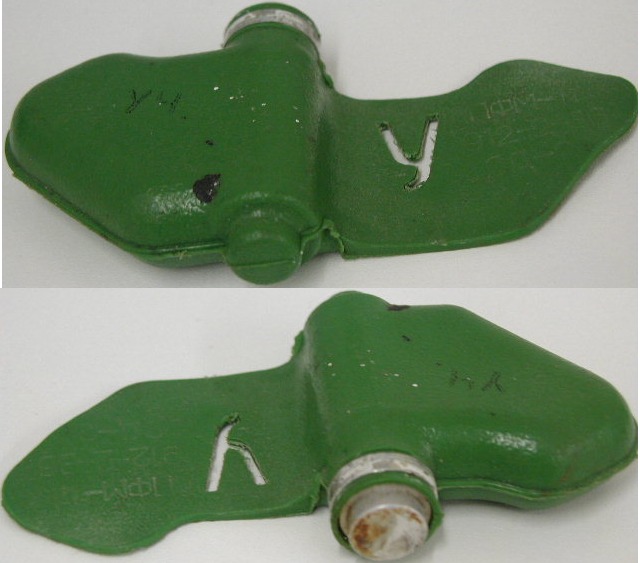
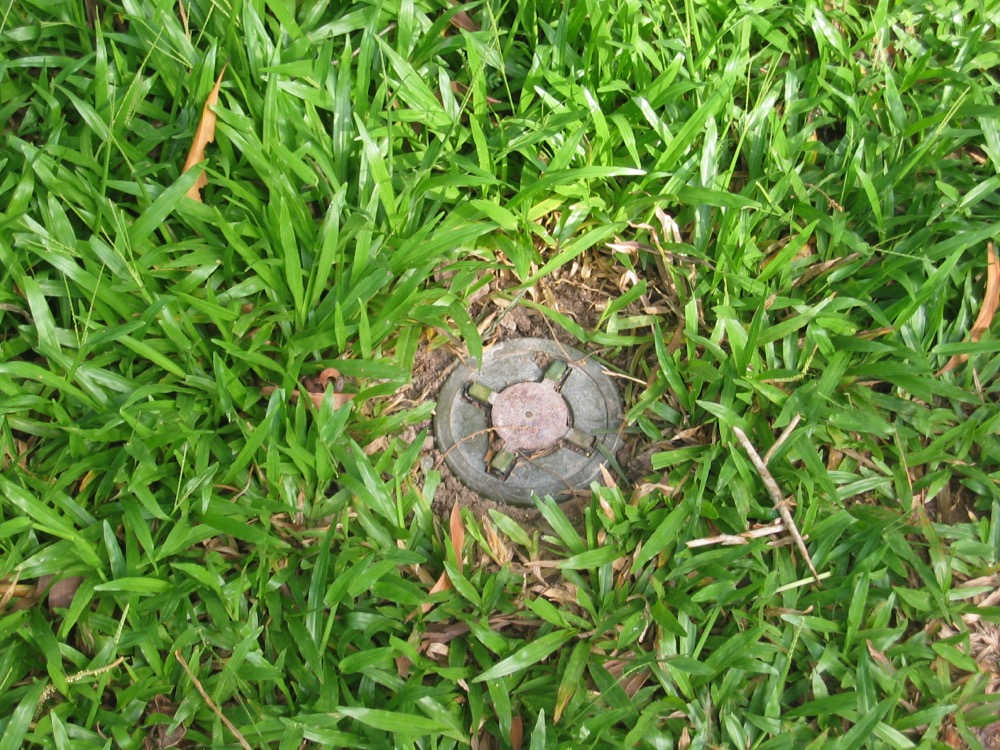
His breakthrough came in 2004 with Antipersonnel, a series that would establish his international reputation and define the conceptual territory he has continued to explore ever since. Working in collaboration with Handicap International, Dallaporta photographed landmines and cluster munitions against plain white backgrounds, treating these instruments of maiming and death with the formal attention one might give to objects of design or natural specimens. The mines were lit with exquisite care, their surfaces rendered in extraordinary detail, their forms revealed as exercises in lethal engineering. The series drew its unsettling power from the tension between the aesthetic refinement of the photographs and the horrific purpose of the objects they depicted.
This strategy of forensic detachment has remained central to Dallaporta's method. In Domestic Slavery (2006), he turned his camera to the Parisian apartments where modern-day domestic workers are held in conditions of servitude, photographing the spaces with a clinical neutrality that allowed the evidence of confinement and exploitation to speak for itself. The images showed unremarkable interiors — mattresses on floors, barred windows, tiny rooms — whose ordinariness made them all the more chilling. Where a photojournalist might have sought emotional impact through images of the victims themselves, Dallaporta chose to document only the spaces, trusting the viewer to understand what these rooms contained.
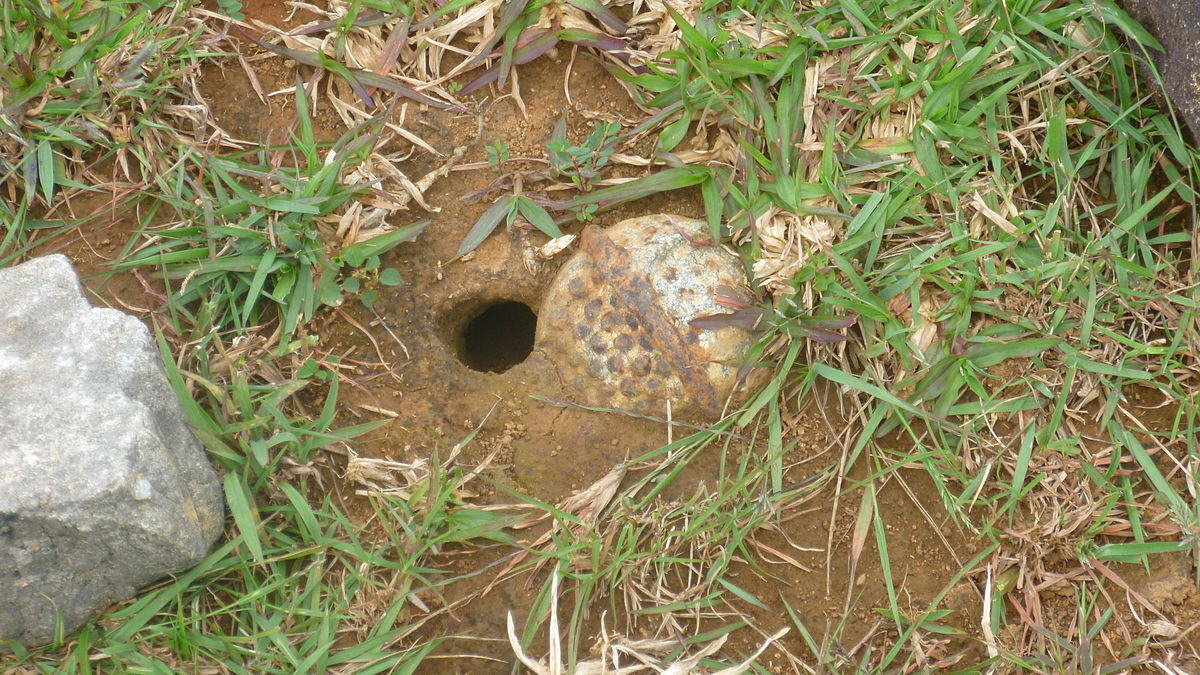
In 2008, he extended the approach of Antipersonnel with Fragmentation, a study of cluster munitions that again employed the visual language of scientific cataloguing to reveal the geometry of weapons designed to scatter death over wide areas. The submunitions were photographed with the same pristine clarity, their bright colours and compact forms belying their capacity for destruction. The work coincided with the international campaign to ban cluster munitions and was exhibited in the context of advocacy as well as art, demonstrating Dallaporta's belief that rigorous aesthetics and political engagement need not be mutually exclusive.
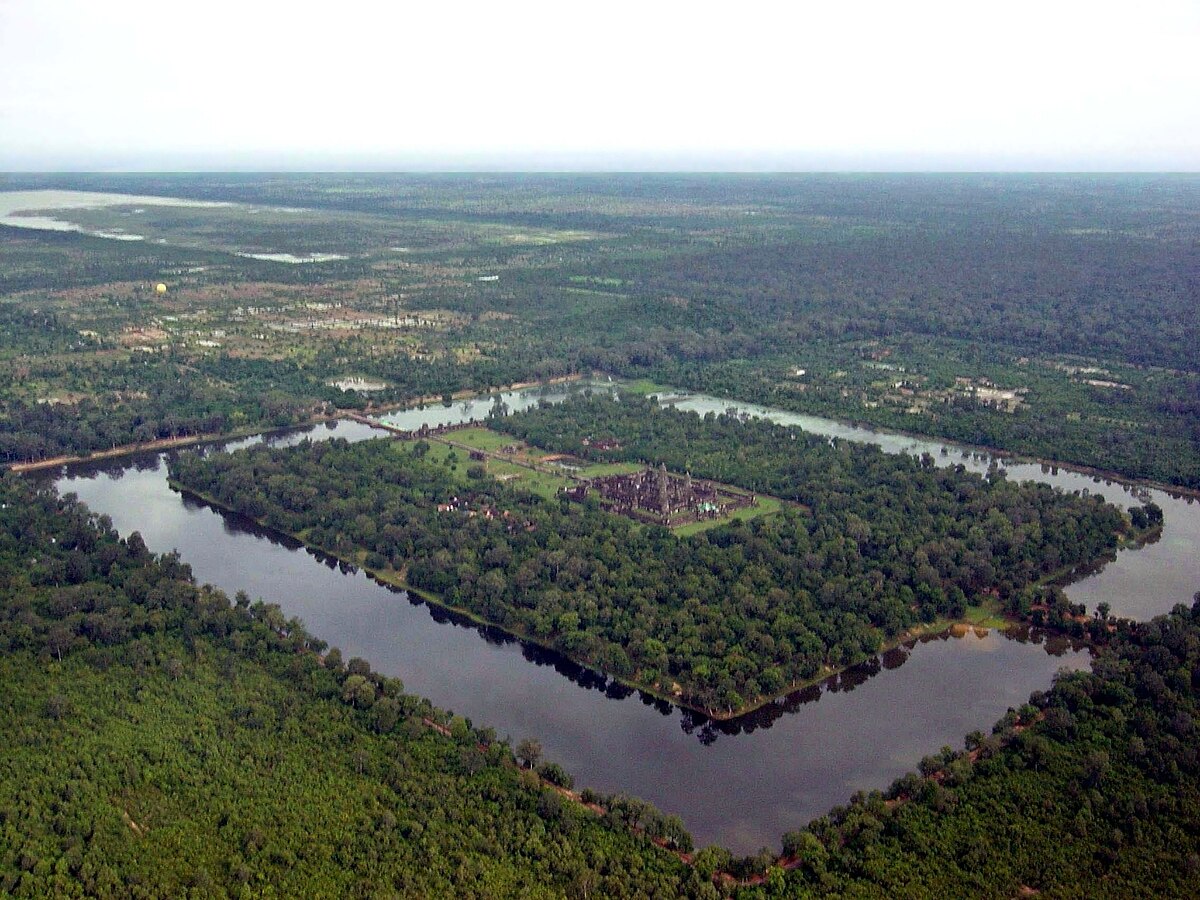
Dallaporta's work has increasingly engaged with questions of technology, archaeology, and the limits of visual representation. In Ruins (2011), he employed LIDAR scanning technology to create aerial images of the temples of Angkor in Cambodia, producing views of the archaeological site that no human eye had seen before. The resulting images, hovering between map and photograph, between scientific data and artistic composition, revealed the hidden geometries of ancient structures buried beneath centuries of jungle growth. The project exemplified Dallaporta's fascination with technologies that extend human vision beyond its natural capacities.
His project Inside the Caves (2015) continued this trajectory, using advanced imaging techniques to document the prehistoric cave paintings of Chauvet in southern France. Denied physical access to the fragile cave environment, Dallaporta worked with the data produced by scientific surveys, transforming measurements and scans into images that attempted to convey the awe and mystery of thirty-thousand-year-old art. The project raised profound questions about the relationship between original artefact and technological reproduction, between the experience of presence and the mediation of the machine.
Throughout his career, Dallaporta has maintained a productive dialogue between the traditions of documentary photography, scientific imaging, and contemporary art. His work has been exhibited at institutions including the Musée du Quai Branly, the Musée Nicéphore Niépce, and numerous international festivals. He has received the Niépce Prize and the ICP Infinity Award, recognitions that reflect the breadth of his practice across photographic disciplines. His images compel the viewer to confront the distance between seeing and understanding, between the beauty of a surface and the reality it conceals.