Philip Jones Griffiths was born in 1936 in Rhuddlan, a small town in Denbighshire, North Wales, the son of a local government official. He grew up speaking Welsh, absorbing the values of a tight-knit community that prized education, nonconformist religion, and a deep suspicion of imperial authority — values that would prove remarkably durable when tested against the realities of war. He studied pharmacy at the Liverpool College of Pharmacy, qualifying as a pharmacist in 1958, but photography had already claimed his attention. He had begun shooting for the Manchester Guardian while still a student, and by the early 1960s he had abandoned pharmacy entirely to work as a freelance photojournalist, first in London and then across the developing world.
His early assignments took him to Algeria during its war of independence from France, and to conflicts across Africa and the Middle East. He was a meticulous observer with an instinct for the image that revealed not merely the surface of events but their underlying moral structure. In 1962, he began working with Magnum Photos, initially as a contributor and later as a full member, joining an agency whose founding principles of independence, rigour, and humanitarian commitment were entirely congenial to his own convictions.
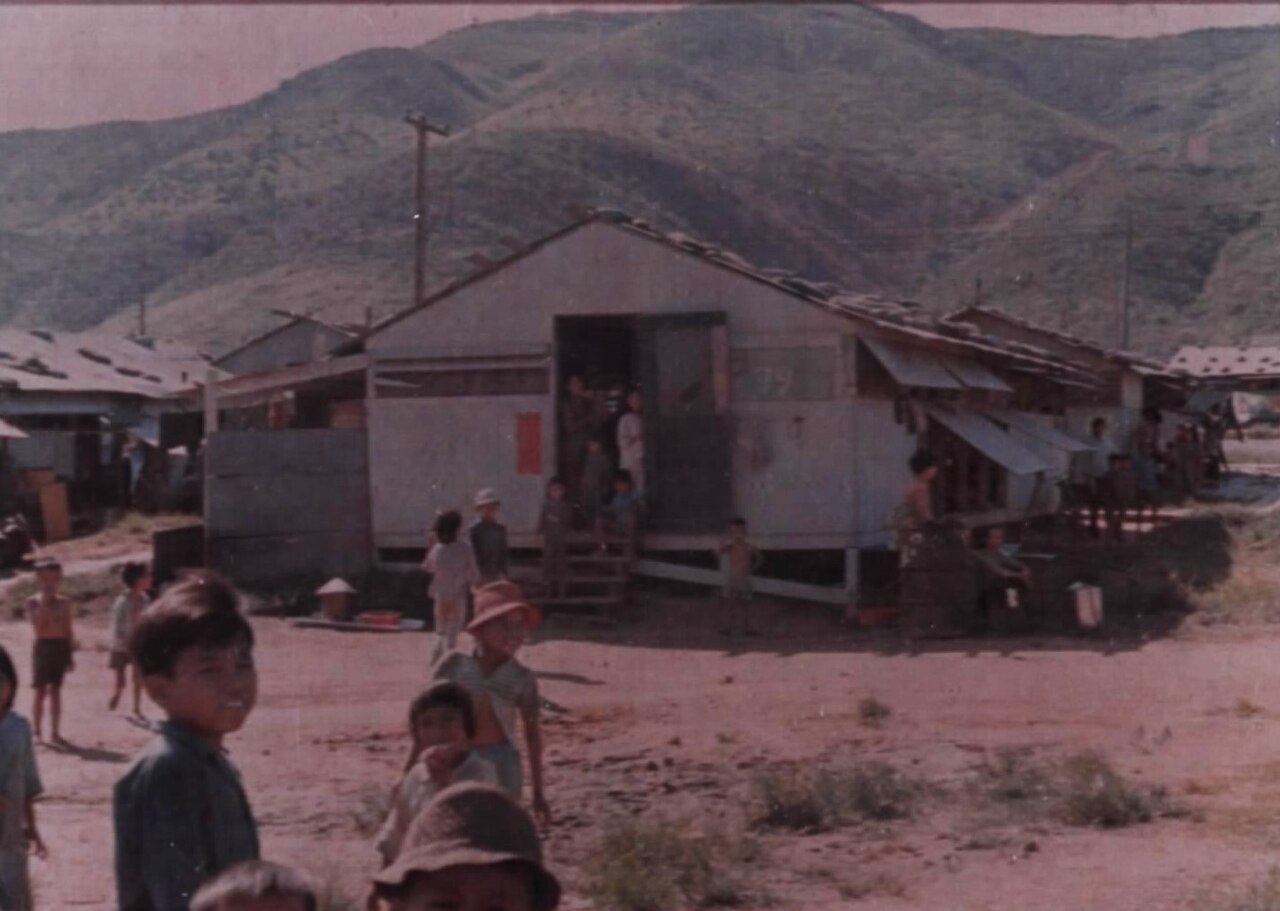
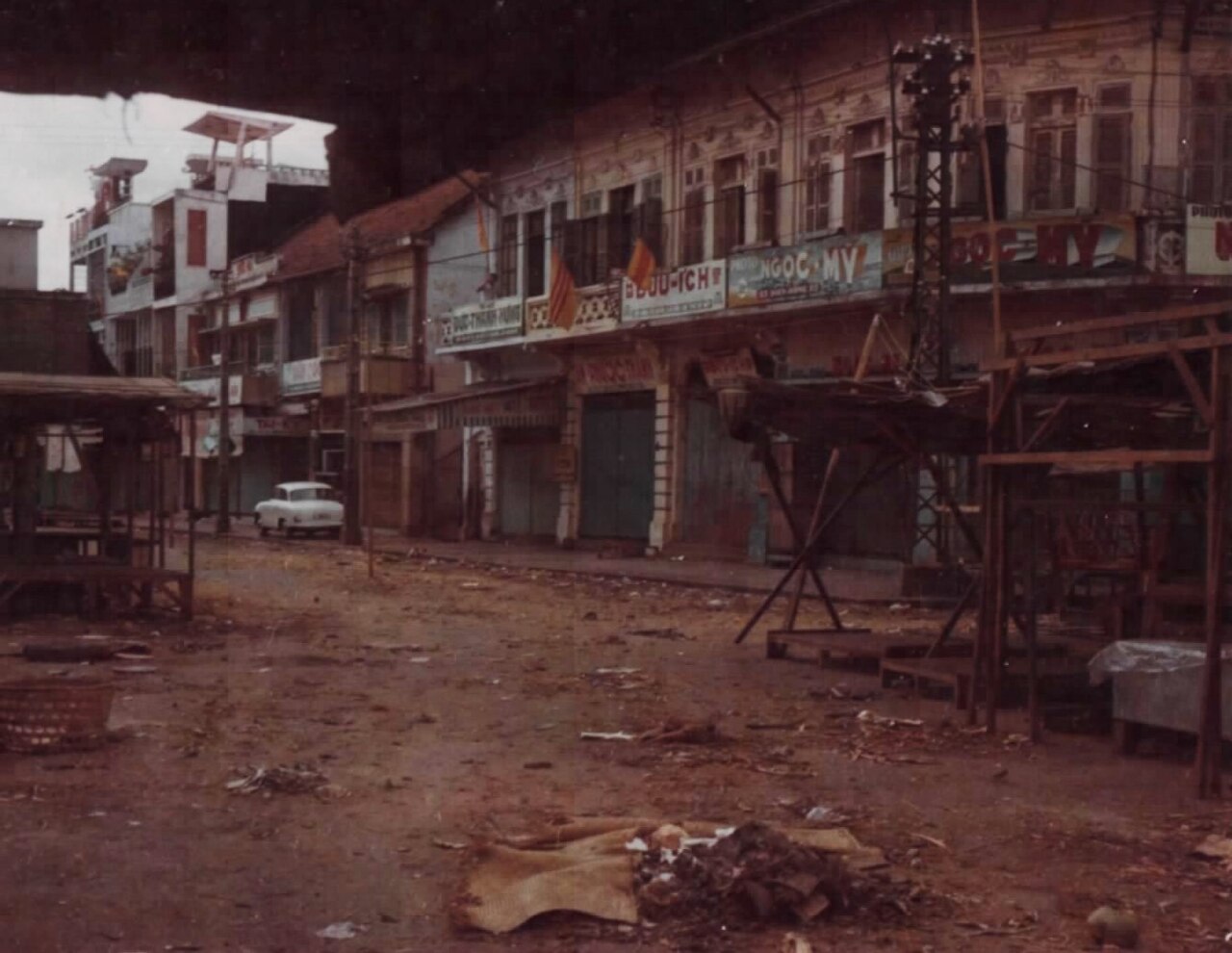
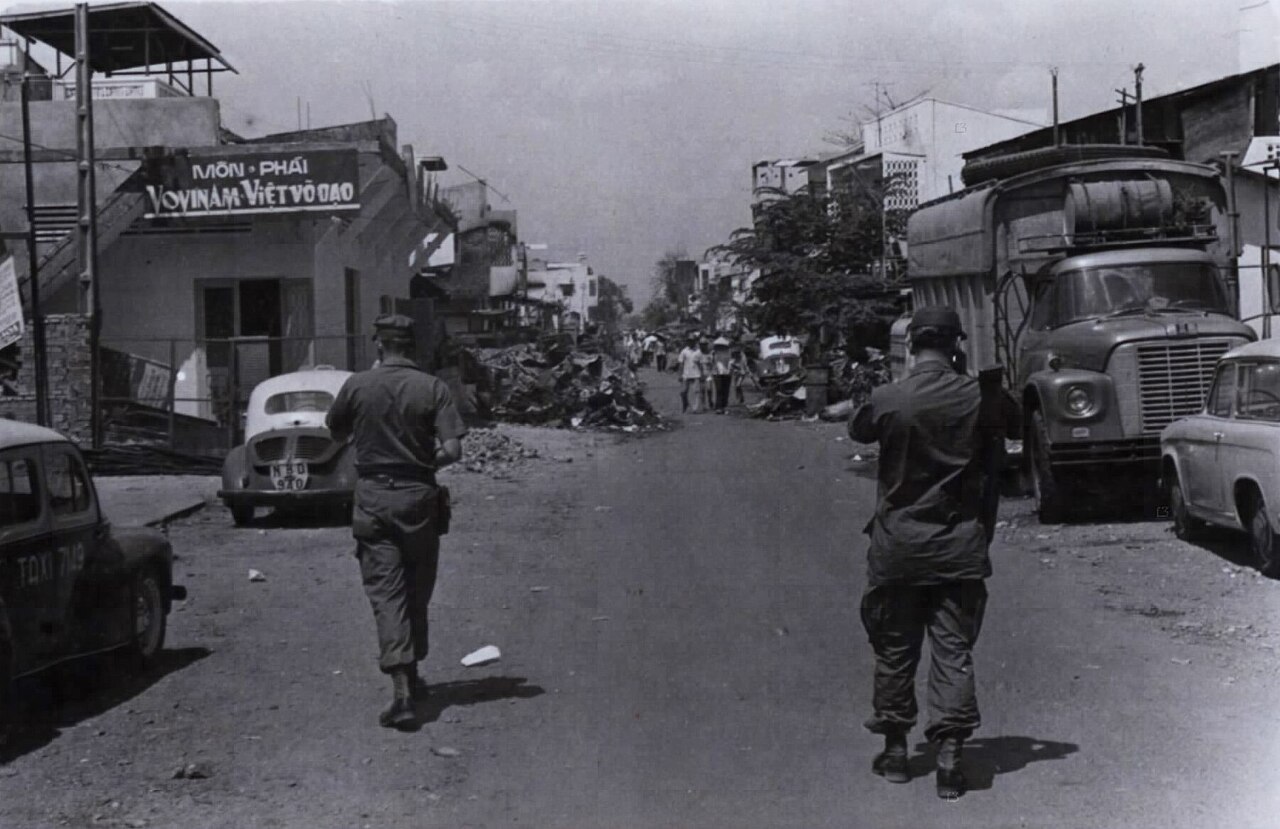
In 1966, Jones Griffiths arrived in Vietnam, and the course of his life and career was irrevocably altered. Over the next five years, he would spend more time in the field than almost any other Western photographer, embedding himself not with American military units — though he photographed them too — but with the Vietnamese civilians whose lives were being destroyed by the war. His approach was radically different from the action-oriented coverage favoured by most news photographers. Jones Griffiths was less interested in the spectacle of combat than in its consequences: the displaced families, the burnt villages, the children maimed by ordnance, the slow erosion of a culture under the pressure of occupation and bombardment.
The result was Vietnam Inc., published in 1971, a book that is widely regarded as the most important photographic document of the Vietnam War and one of the most powerful anti-war publications in the history of photography. The book combined Jones Griffiths's photographs with his own extended captions and commentary, building a systematic indictment of the war that addressed not only its human cost but its strategic futility and moral corruption. The images were devastating — Vietnamese civilians caught in crossfire, American soldiers oblivious to the destruction around them, the grotesque juxtaposition of military hardware and peasant agriculture — but their power lay not in shock alone but in their cumulative argument, their insistence that the war was not merely tragic but wrong.
Vietnam Inc. is said to have influenced Senator William Fulbright and other American politicians in their opposition to the war, and it was reportedly banned by the South Vietnamese government. More importantly for the history of photography, it established a model for the engaged photographic book — a work in which images and text combine to make a sustained moral and political argument — that influenced every subsequent generation of war photographers.
After Vietnam, Jones Griffiths continued to work across Asia, covering conflicts in Cambodia, Thailand, and elsewhere, always with the same commitment to documenting the experience of civilians rather than the operations of armies. He served as president of Magnum Photos from 1980 to 1985, using the position to defend the agency's commitment to long-form documentary work at a time when the economics of photojournalism were shifting rapidly toward the superficial and the instantaneous.
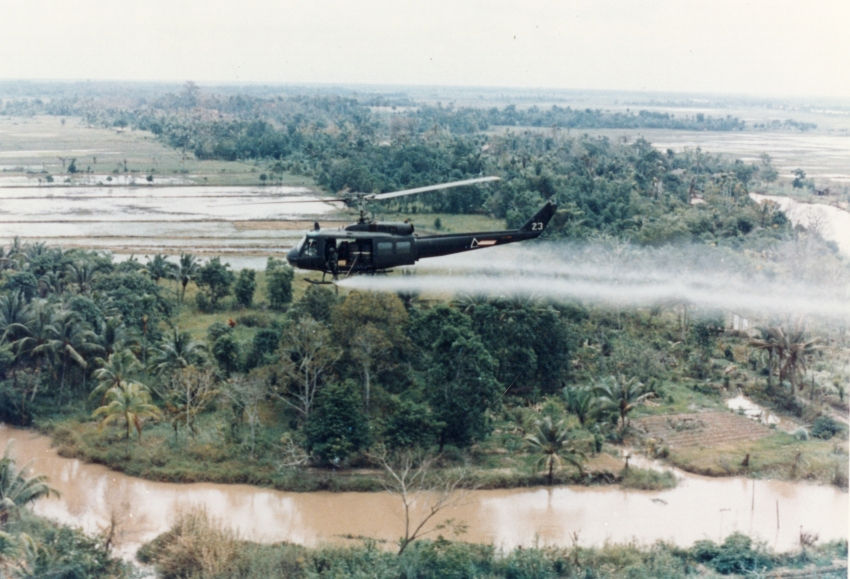
In his later years, Jones Griffiths returned to Vietnam repeatedly, documenting the continuing effects of Agent Orange on the Vietnamese population — the birth defects, the cancers, the contaminated landscapes — and publishing the results in Agent Orange: Collateral Damage in Vietnam (2003) and Vietnam at Peace (2005). These books extended the moral argument of Vietnam Inc. into the present, insisting that the consequences of the war had not ended with the fall of Saigon but continued to ravage the lives of those who had survived it.
Philip Jones Griffiths died in London in 2008, of cancer. His legacy is immense. He demonstrated that photojournalism at its best is not a neutral recording of events but an act of moral witness, and that the photographer has a responsibility not merely to show the world but to argue for its improvement. His work is held in the collections of the National Museum Wales, the Victoria and Albert Museum, and institutions worldwide, and the Philip Jones Griffiths Foundation continues to support documentary photography in his name.