Peter Hujar was born in 1934 in Trenton, New Jersey, into circumstances that could scarcely have been less promising for a future artist. His mother was unable to care for him, and he was raised largely by his maternal grandparents on a farm in rural New Jersey. The isolation of his childhood, combined with an early awareness of his own homosexuality in an era of pervasive homophobia, gave Hujar a profound identification with outsiders that would animate his entire body of work. He moved to New York City as a young man, studied at the School of Industrial Art, and began working as a commercial photographer while quietly developing a personal practice that was entirely his own. By the early 1960s, he had established himself in the creative ferment of downtown Manhattan, becoming a central figure in a community of artists, writers, performers, and misfits that would come to define the cultural landscape of the city.
Hujar's portraiture was distinguished from the very beginning by a quality that is difficult to name but impossible to miss: an absolute refusal of pretence. His subjects — who ranged from Susan Sontag to anonymous hustlers, from drag queens to farm animals — are presented with a directness and tenderness that strips away social performance and reveals something essential about the human (or animal) being before the camera. Hujar's technical mastery was formidable — his prints possess a tonal range and luminosity that place them among the finest in the history of the medium — but his technique was always in the service of emotional truth rather than aesthetic display.
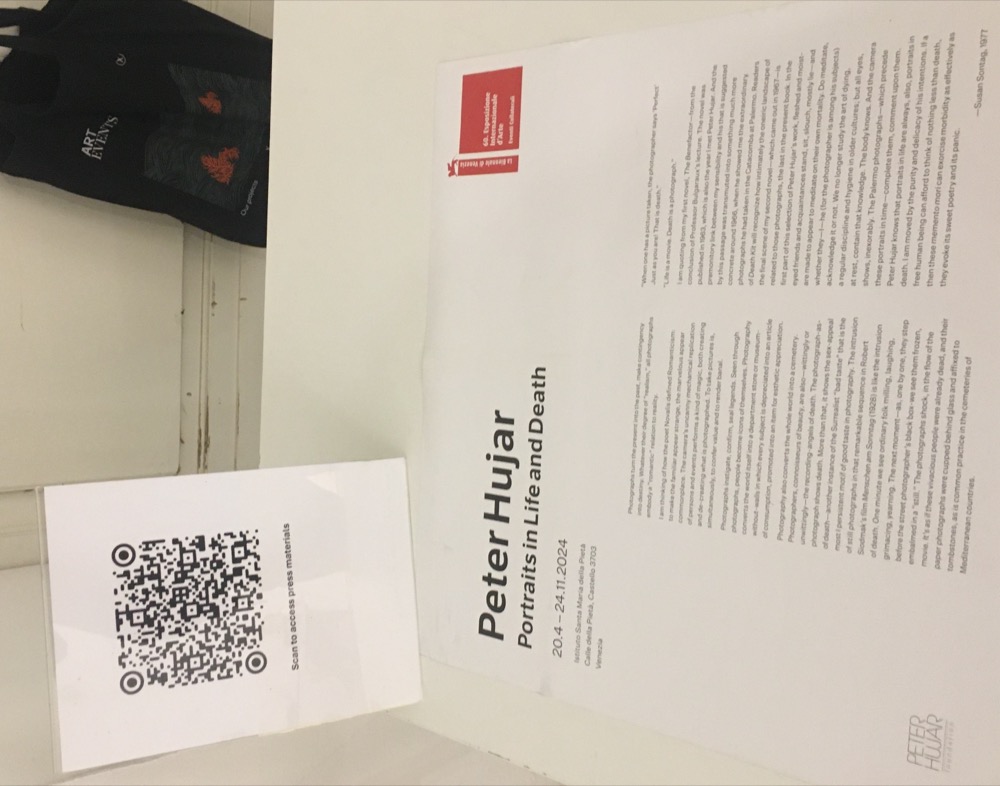
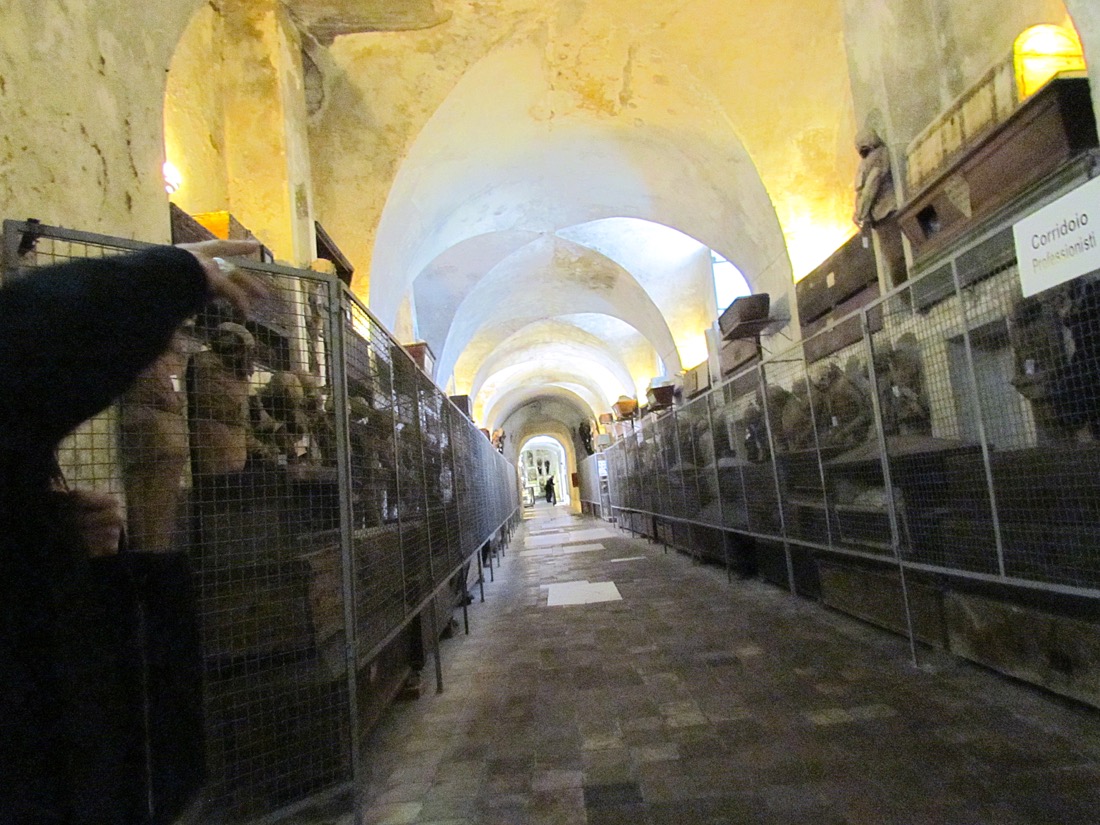
In 1976, Hujar published his only book during his lifetime, Portraits in Life and Death, with an introduction by Susan Sontag. The book juxtaposed portraits of his living contemporaries — artists, friends, lovers — with photographs of the mummified dead in the Capuchin Catacombs of Palermo, Sicily. The pairing was characteristically audacious: by placing images of the living alongside images of the dead, Hujar insisted on the continuity between life and death, the fragility of the body, and the photograph's unique capacity to preserve a trace of the living being after it has gone. The book received respectful reviews but modest sales, and Hujar was bitterly disappointed by its reception.
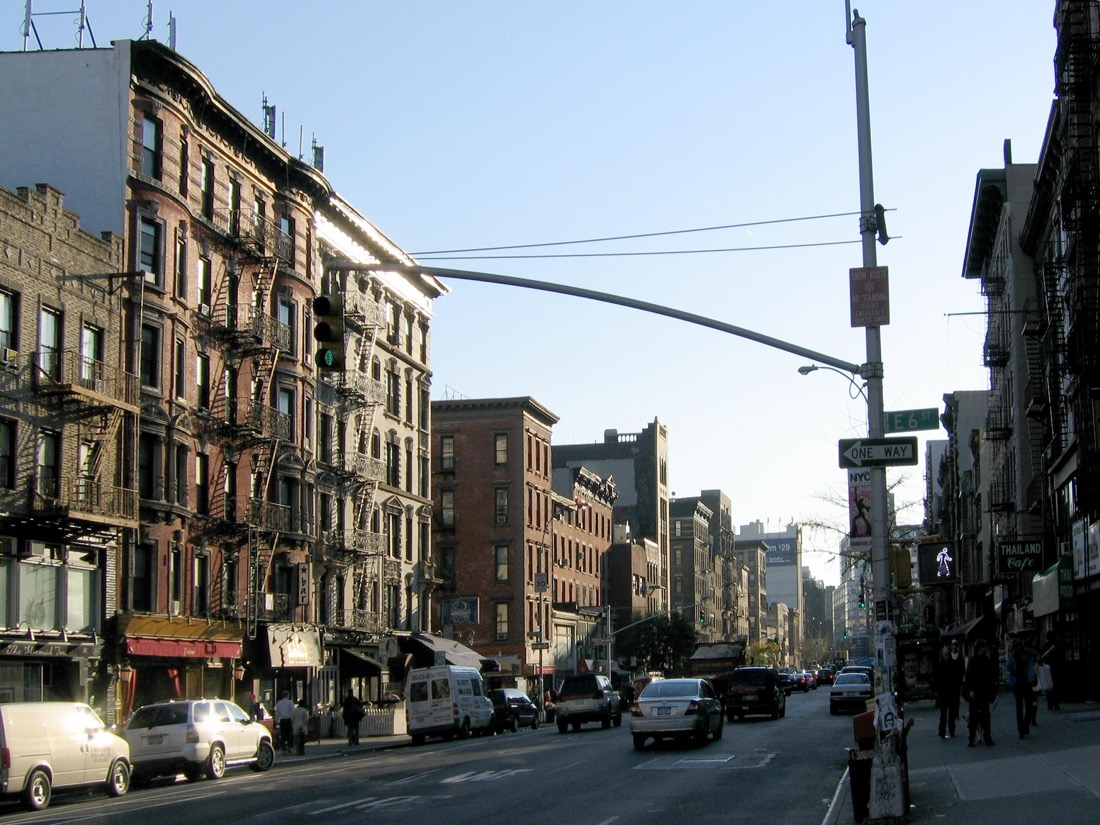
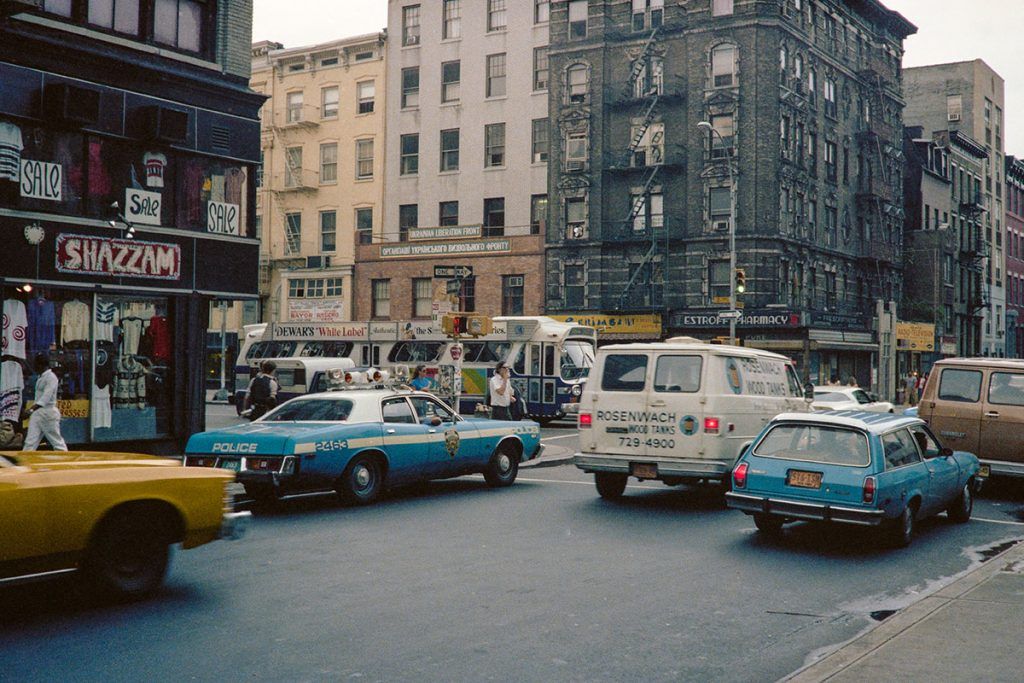
Through the late 1970s and 1980s, Hujar continued to photograph with extraordinary productivity from his loft on Second Avenue in the East Village, creating a body of work that constituted nothing less than a group portrait of Downtown New York in its most creatively fertile period. He photographed Andy Warhol, William Burroughs, John Waters, Fran Lebowitz, Ethyl Eichelberger, and dozens of other figures from the worlds of art, film, literature, and performance. He also photographed the city's gay subculture with a frankness and lack of shame that was radical for its time, documenting drag balls, leather bars, and the Christopher Street piers where young queer people gathered.
Hujar's relationship with the artist David Wojnarowicz, who became his lover and protégé in the early 1980s, was one of the most significant artistic partnerships of the period. Hujar photographed Wojnarowicz repeatedly, and Wojnarowicz in turn was profoundly influenced by Hujar's uncompromising commitment to emotional honesty in art. When Hujar fell ill with AIDS-related complications, Wojnarowicz cared for him and later photographed him on his deathbed in a series of images that became among the most powerful visual documents of the AIDS crisis.
Peter Hujar died of AIDS-related pneumonia on 26 November 1987, at the age of fifty-three. His death came at a moment when the AIDS epidemic was devastating the very community he had spent his career documenting, and his loss was felt with particular keenness by those who understood that his photographs constituted an irreplaceable record of a world that was vanishing. At the time of his death, Hujar was far from famous. He had never achieved the commercial success or institutional recognition enjoyed by many of his contemporaries, and his perfectionism and difficult temperament had often alienated potential supporters.
The decades since his death have brought a dramatic reassessment. Major retrospectives at the Morgan Library & Museum, Fundación MAPFRE in Madrid, and Jeu de Paume in Paris have revealed the full scope and depth of his achievement. His work is now held in the collections of the Museum of Modern Art, the Whitney Museum of American Art, the Metropolitan Museum of Art, and institutions worldwide. Critics and curators have come to recognise Hujar as one of the greatest portrait photographers of the twentieth century, an artist whose commitment to emotional truth and formal beauty produced a body of work of enduring power and relevance.