Paul Seawright was born in 1965 in Belfast, Northern Ireland, at the very beginning of the period that would come to be known as the Troubles. He grew up in a working-class Protestant community on the north side of the city, in streets where the daily texture of life was shaped by sectarian division, military checkpoints, and the ever-present possibility of violence. Unlike many photographers who arrive in conflict zones as outsiders, Seawright was formed by the conflict itself, and this gave his work from the very beginning an insider's knowledge of the codes, symbols, and silences through which political violence inscribes itself upon ordinary landscapes. He studied photography at the West Surrey College of Art and Design and later at the University of Ulster, where he began to develop the distinctive approach that would define his career: a method of photographing the aftermath of violence rather than the violence itself, of reading the landscape as a text in which acts of brutality leave traces that are visible only to those who know how to look.
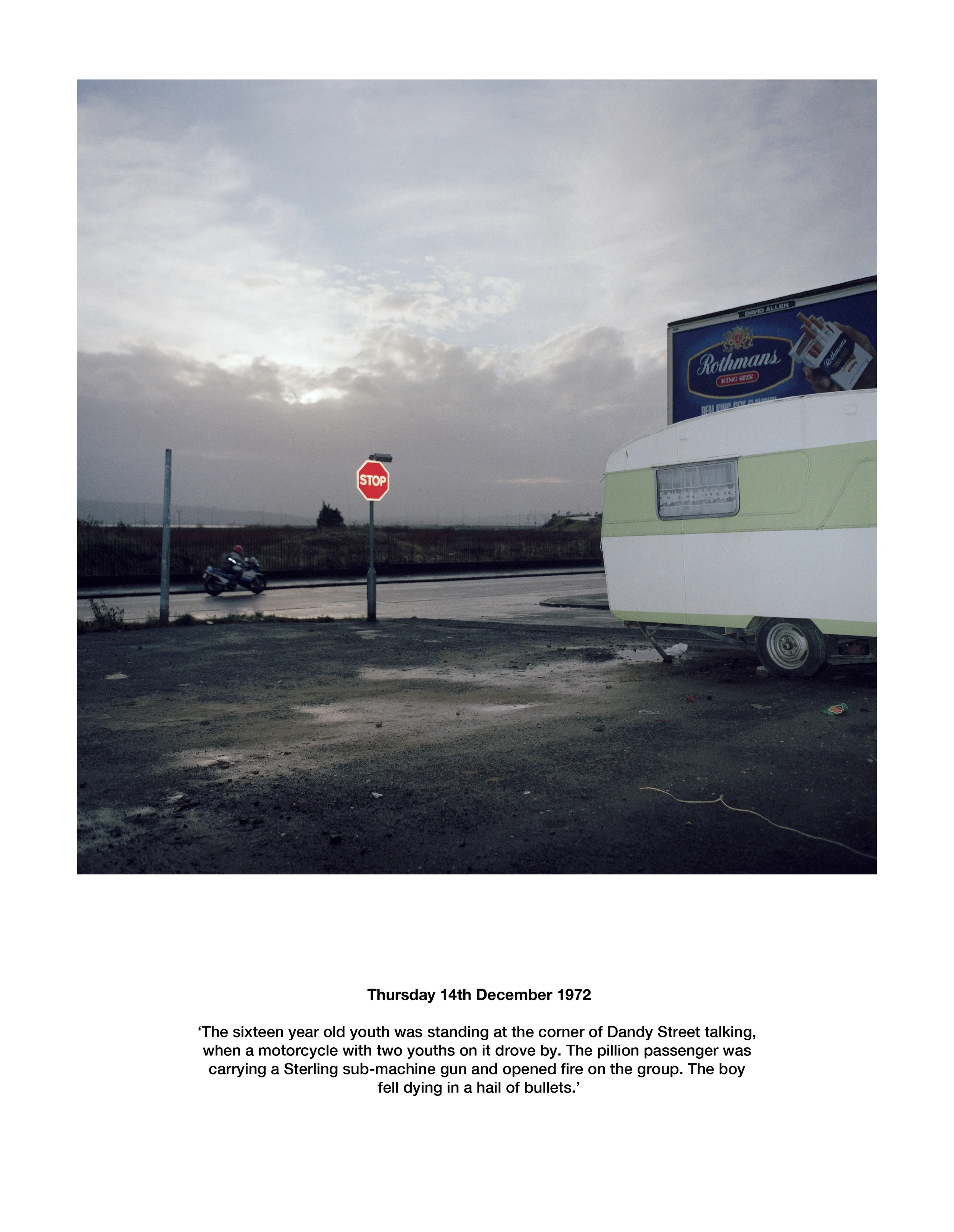
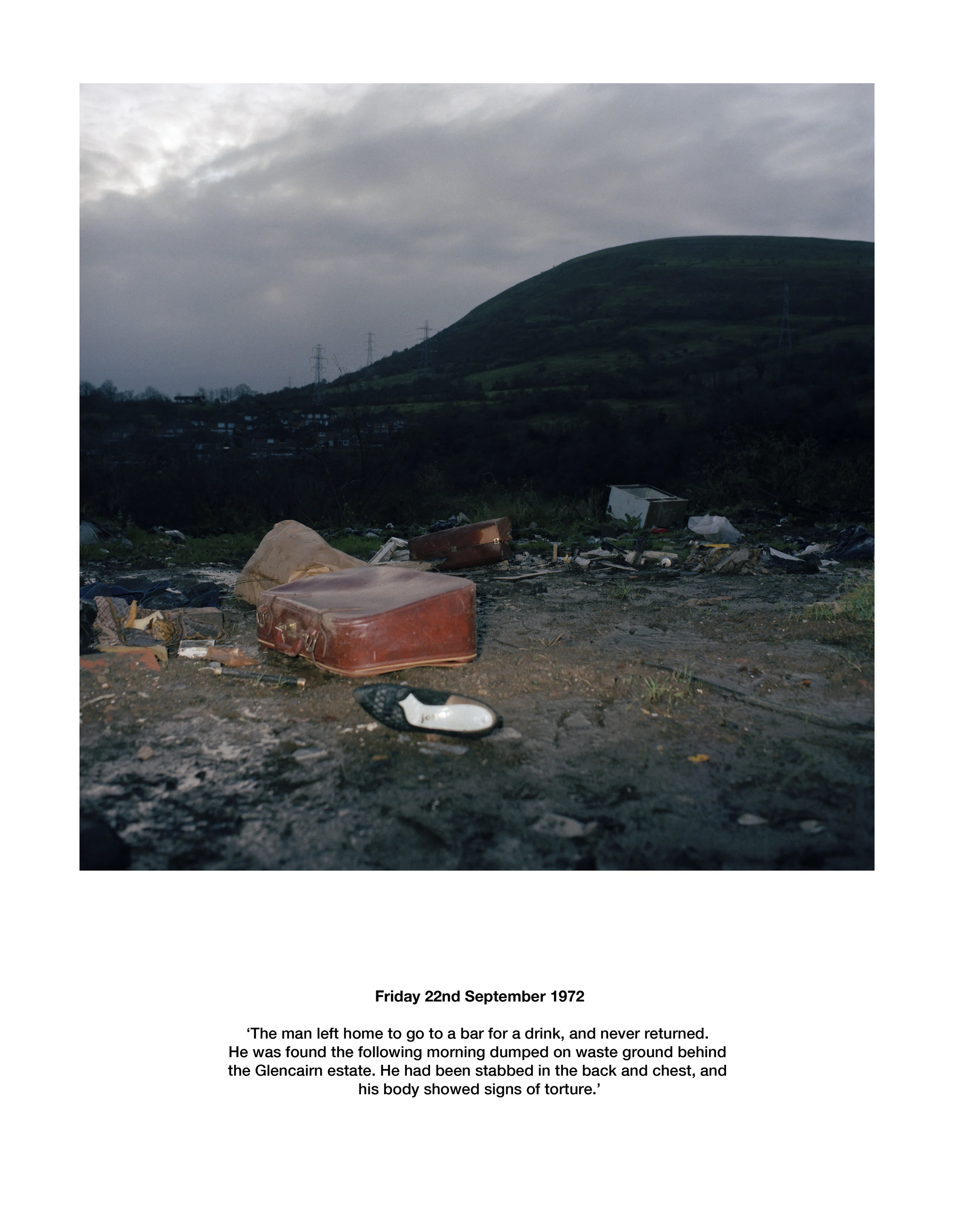
His first major body of work, Sectarian Murder, completed in 1988, established this approach with devastating clarity. Seawright returned to the sites of sectarian killings in Belfast, guided by newspaper reports that described the locations in sparse, clinical language — a back alley, a doorway, a patch of waste ground. He photographed these places not as scenes of crime but as ordinary urban spaces that happened to be haunted by the memory of violence. The images are calm, composed, almost beautiful in their attention to light and surface, and this dissonance between aesthetic pleasure and moral horror is precisely the point. Seawright's work asks us to consider how violence becomes normalised, how a community can walk past the site of a murder day after day and register nothing unusual in the landscape.
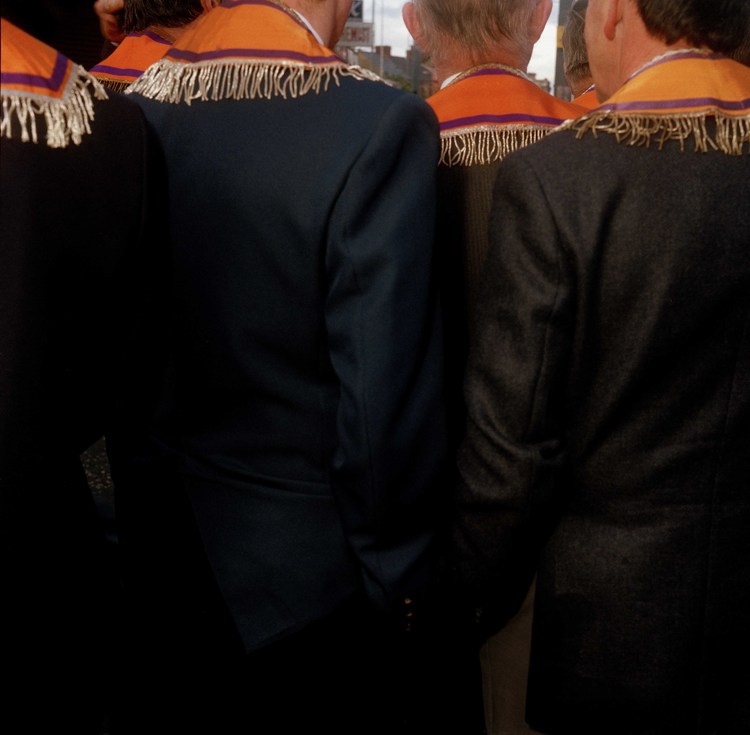
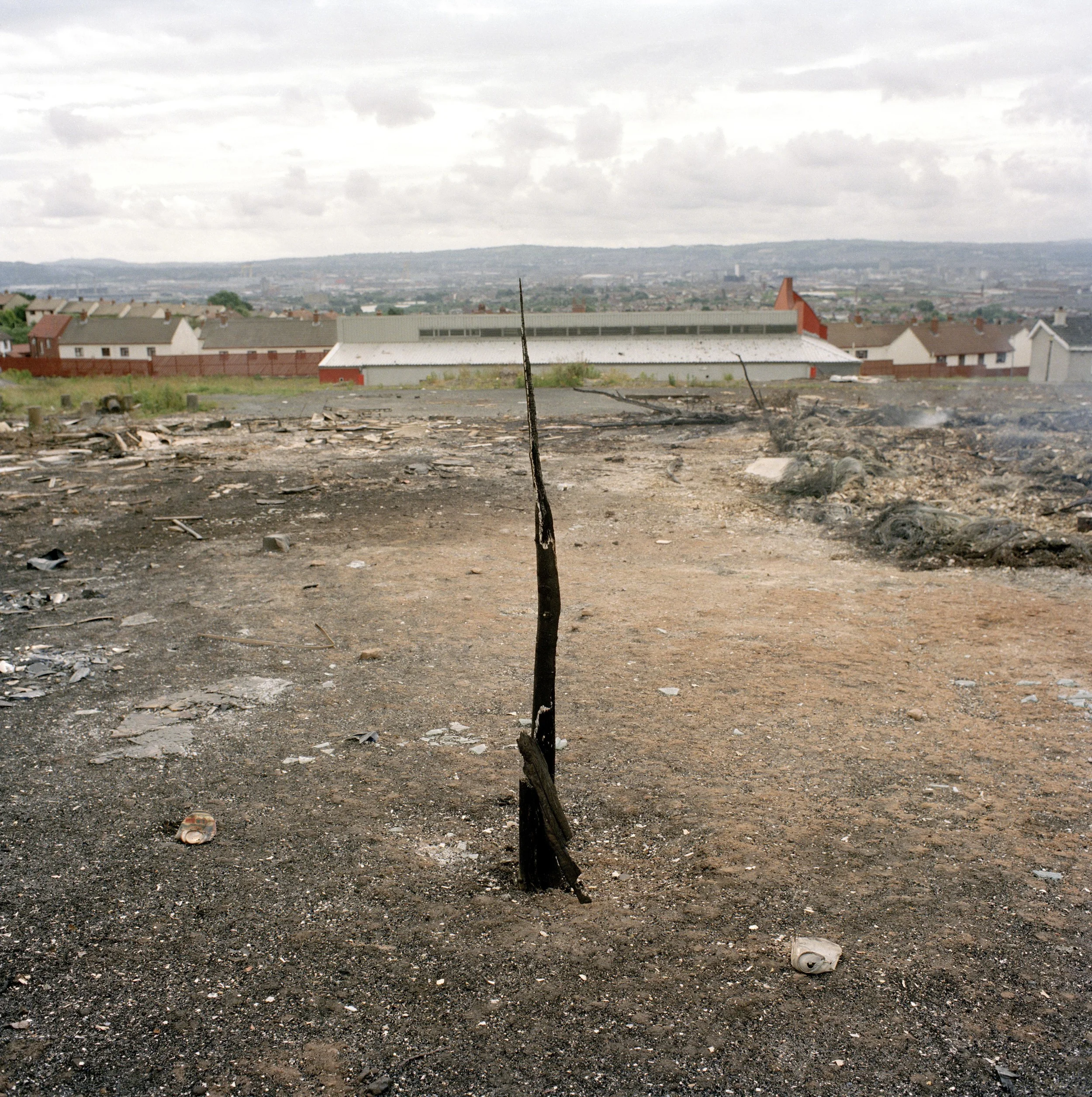
Through the 1990s, Seawright continued to explore the visual culture of the Northern Irish conflict with projects including work on the Orange Order and the series Fires, which documented the bonfires lit on the eleventh night of July in loyalist communities. These works extended his investigation of the ways in which political and cultural identity are performed through ritual, landscape, and the marking of territory. The photographs avoid the easy symbolism of photojournalism, offering instead a more nuanced and ambiguous reading of a conflict that defied simple narratives of right and wrong.
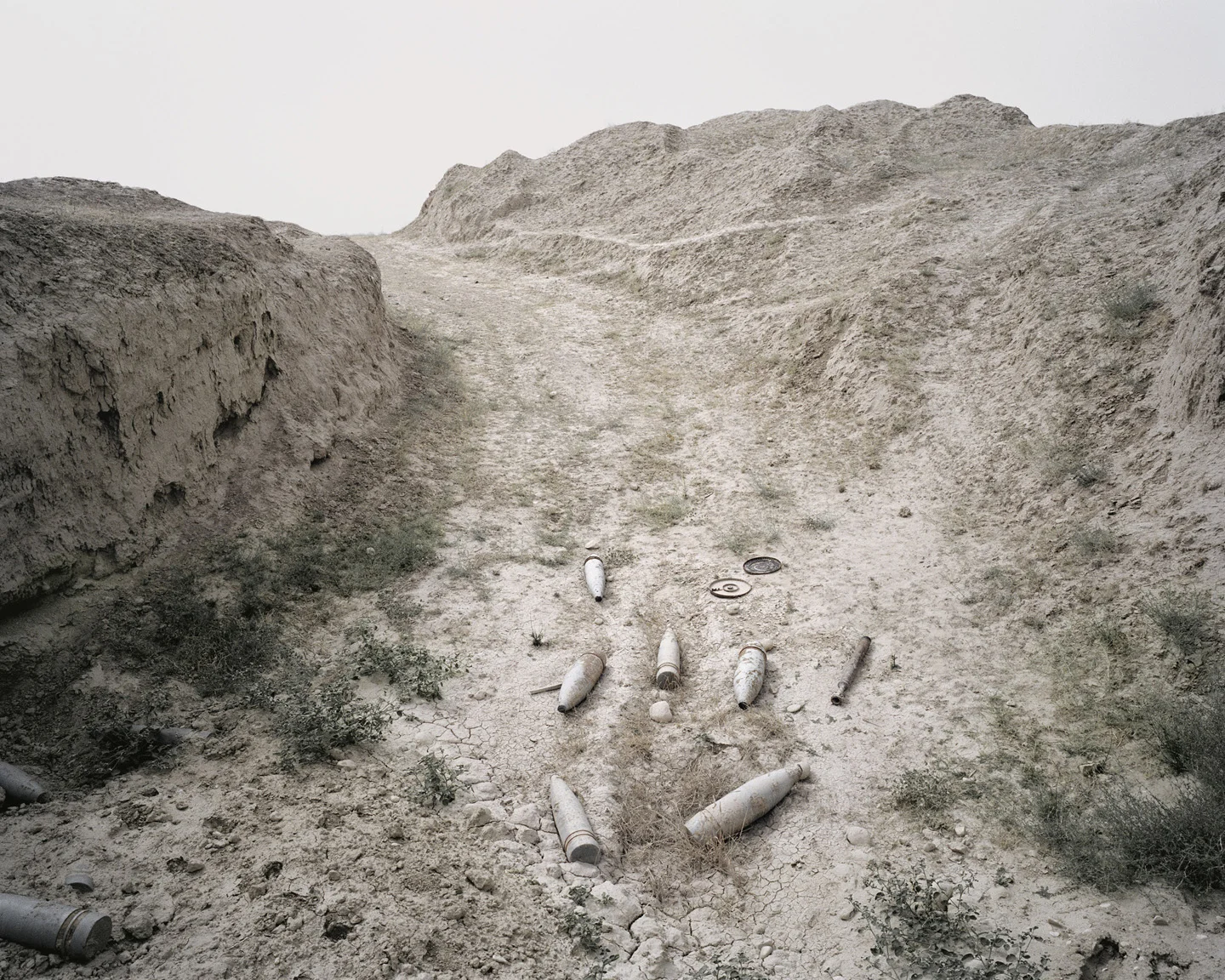
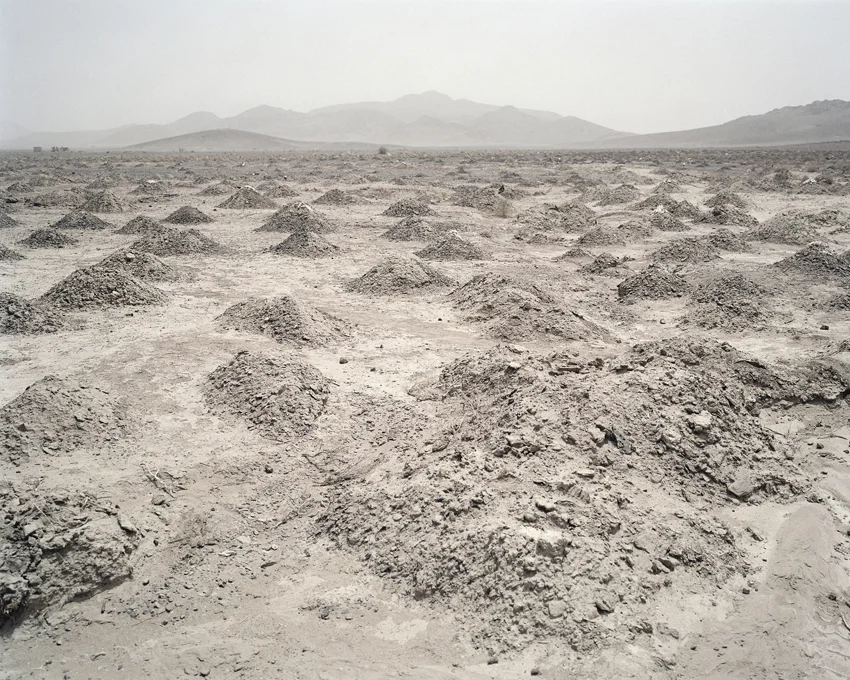
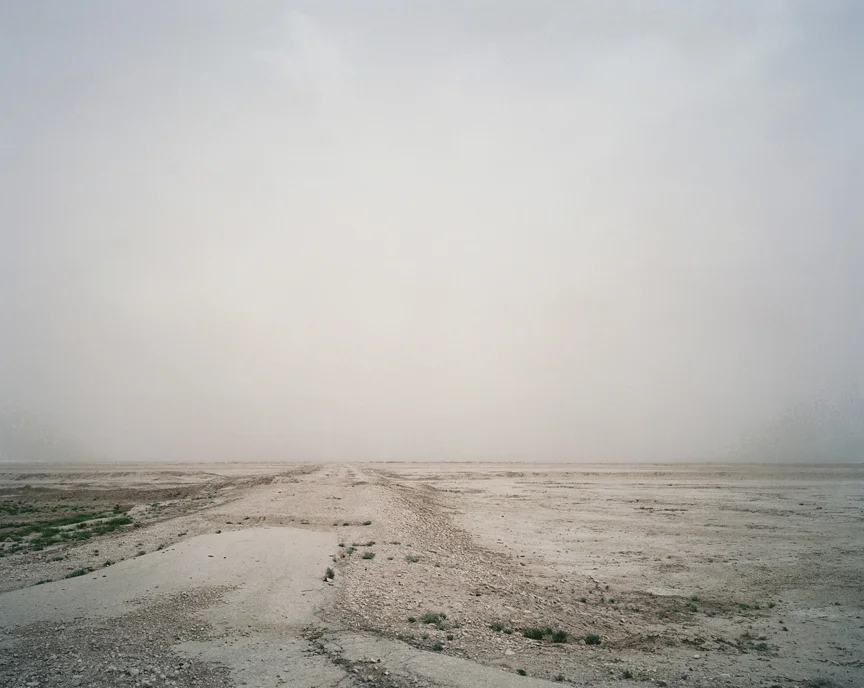
The most significant turning point in Seawright's career came in 2002, when he was commissioned by the Imperial War Museum to travel to Afghanistan in the aftermath of the allied military campaign. The resulting series, Hidden, is widely regarded as one of the defining bodies of work in contemporary conflict photography. Seawright photographed the Afghan landscape — desert terrain, ruined buildings, minefields marked with painted stones — with the same forensic attention he had brought to the streets of Belfast. The images are luminous, precise, and deeply unsettling: beautiful landscapes in which death is literally hidden beneath the surface, in the form of unexploded ordnance and anti-personnel mines. The work draws an implicit parallel between the landscapes of Northern Ireland and Afghanistan, suggesting that the experience of living in a place where the ground itself is dangerous is a universal condition of conflict.
In Invisible Cities, begun in 2008, Seawright turned his attention to the rapidly developing urban landscapes of the Middle East, particularly the Gulf states, where cities were being constructed at extraordinary speed in the desert. The photographs show construction sites, unfinished buildings, and empty roads that seem to belong to no particular time or place — spaces that are at once hypermodern and eerily desolate. The series extended Seawright's long-standing interest in the relationship between landscape and power, exploring how capital and ambition reshape the physical world.
Seawright has held academic positions at several institutions and served as Professor of Photography and Head of Belfast School of Art at Ulster University. His commitment to photographic education reflects a belief that photography's capacity to engage with political and social questions depends on the rigour and intellectual ambition of its practitioners. He has mentored a generation of younger photographers working at the intersection of documentary and fine art.
Throughout his career, Paul Seawright has refused the conventions of war photography — the dramatic image, the suffering body, the decisive moment of crisis. Instead, he has developed a practice that is closer to archaeology than to journalism, excavating the traces of violence from landscapes that might otherwise appear unremarkable. His work insists that the most important thing about conflict is not the spectacle of its occurrence but the long, quiet aftermath in which communities must learn to live with what has happened. This is photography as a form of bearing witness, not to the event itself, but to the enduring presence of its memory in the places where ordinary life continues.