Patrick Zachmann was born in 1955 in Choisy-le-Roi, a suburb south of Paris, into a family whose Jewish heritage had been obscured by the traumas of the Second World War. His grandparents had survived the Holocaust, but the family seldom spoke of their origins, and Zachmann grew up in an atmosphere of deliberate forgetting. This silence surrounding his own identity would become the animating force of his entire photographic career. From his earliest projects, Zachmann was drawn not to the surfaces of events but to the deeper currents of belonging and displacement, memory and erasure, that run beneath the visible world. He picked up a camera in the mid-1970s, studying at the school of graphic arts in Paris, and quickly understood that photography could be a tool not merely for recording the external world but for excavating the interior landscapes of communities and individuals struggling to define who they are.
His first major body of work, Enquête d'identité, begun in the early 1980s, was an explicit investigation into the meaning of Jewish identity in contemporary France. Zachmann photographed synagogues and family gatherings, survivors and their descendants, secular Jews and Orthodox communities, building a mosaic of images that refused to reduce Jewishness to any single definition. The project was deeply personal — an attempt to recover the history his own family had suppressed — and it established the method that would characterise all his subsequent work: long-term immersion, emotional intimacy with his subjects, and a willingness to let the work unfold over years rather than weeks.
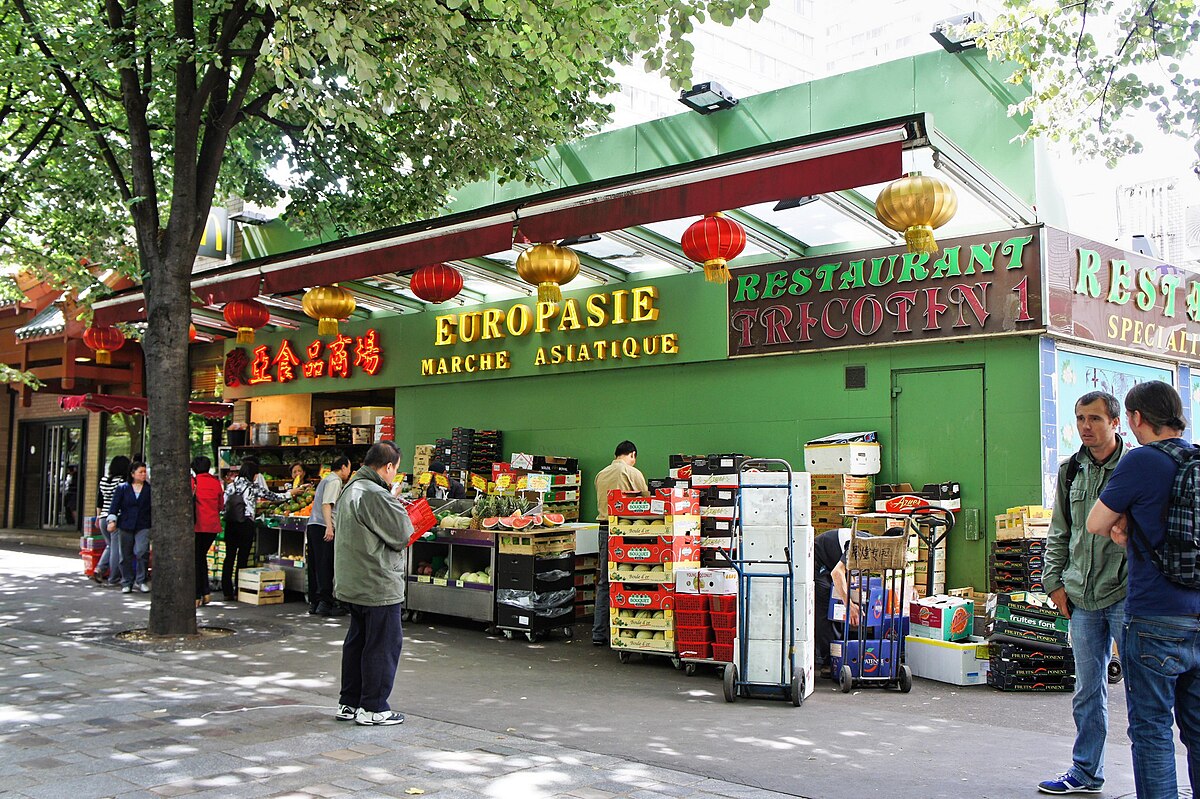
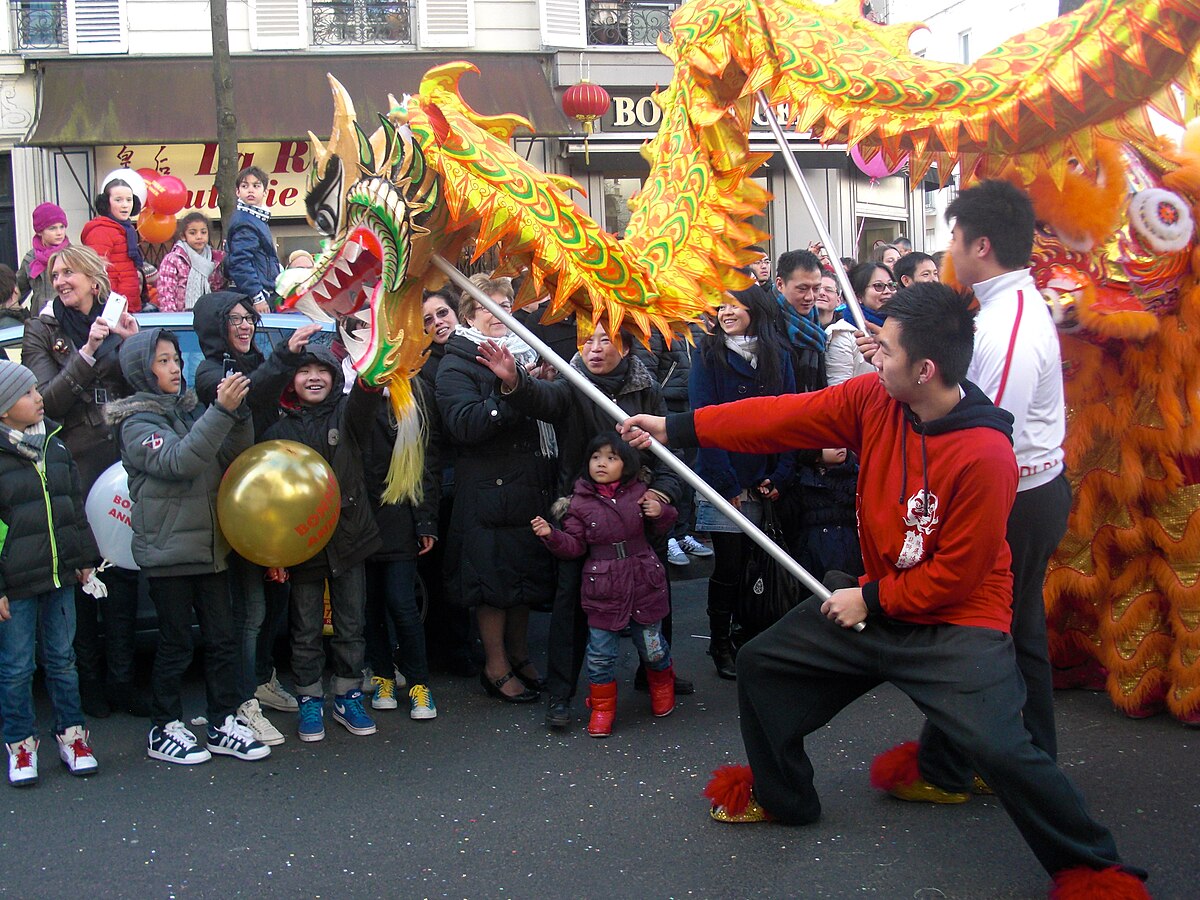
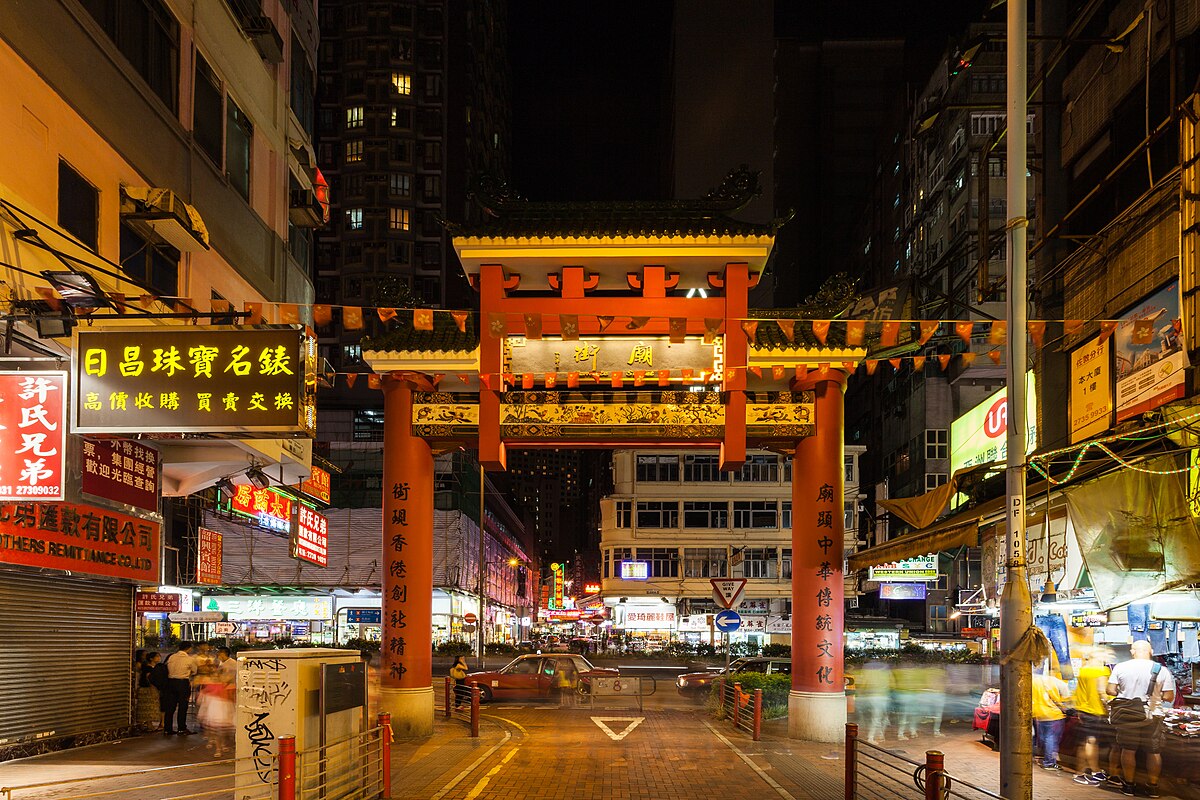
In 1982, Zachmann began what would become perhaps his most ambitious undertaking: a decades-long photographic exploration of the Chinese diaspora. The project started in the Chinatown district of Paris, where Zachmann spent months building relationships within the community before even raising his camera. He was fascinated by the way Chinese immigrants maintained their cultural identity while adapting to life in France, and by the tension between tradition and assimilation that defined their experience. From Paris, the project expanded outward — to Hong Kong, mainland China, Southeast Asia, and Chinese communities scattered across the globe. Zachmann titled the resulting book W. ou l'œil d'un long-nez, the last phrase being Chinese slang for a foreigner, an acknowledgment that he was always an outsider looking in, yet one who had earned a measure of trust through patience and genuine curiosity.
Zachmann was in Beijing in June 1989 when the student protests in Tiananmen Square reached their climax and were crushed by the Chinese military. His photographs from those days are among the most haunting images of the event — not the iconic scenes of tanks and barricades, but quieter, more ambiguous moments: students huddled in doorways, faces caught between defiance and terror, the eerie calm of streets in the immediate aftermath. These images exemplified Zachmann's approach to conflict photography, which always privileged human complexity over spectacle.
In 1985, Zachmann became a member of Magnum Photos, the legendary cooperative agency founded by Robert Capa, Henri Cartier-Bresson, David Seymour, and George Rodger. His membership placed him within a tradition of humanist documentary photography, and he has upheld that tradition while pushing it in deeply personal directions. Unlike many Magnum photographers who move from assignment to assignment across the globe, Zachmann has tended to return obsessively to the same themes and communities, deepening his understanding with each visit. His work is less reportage than sustained meditation.
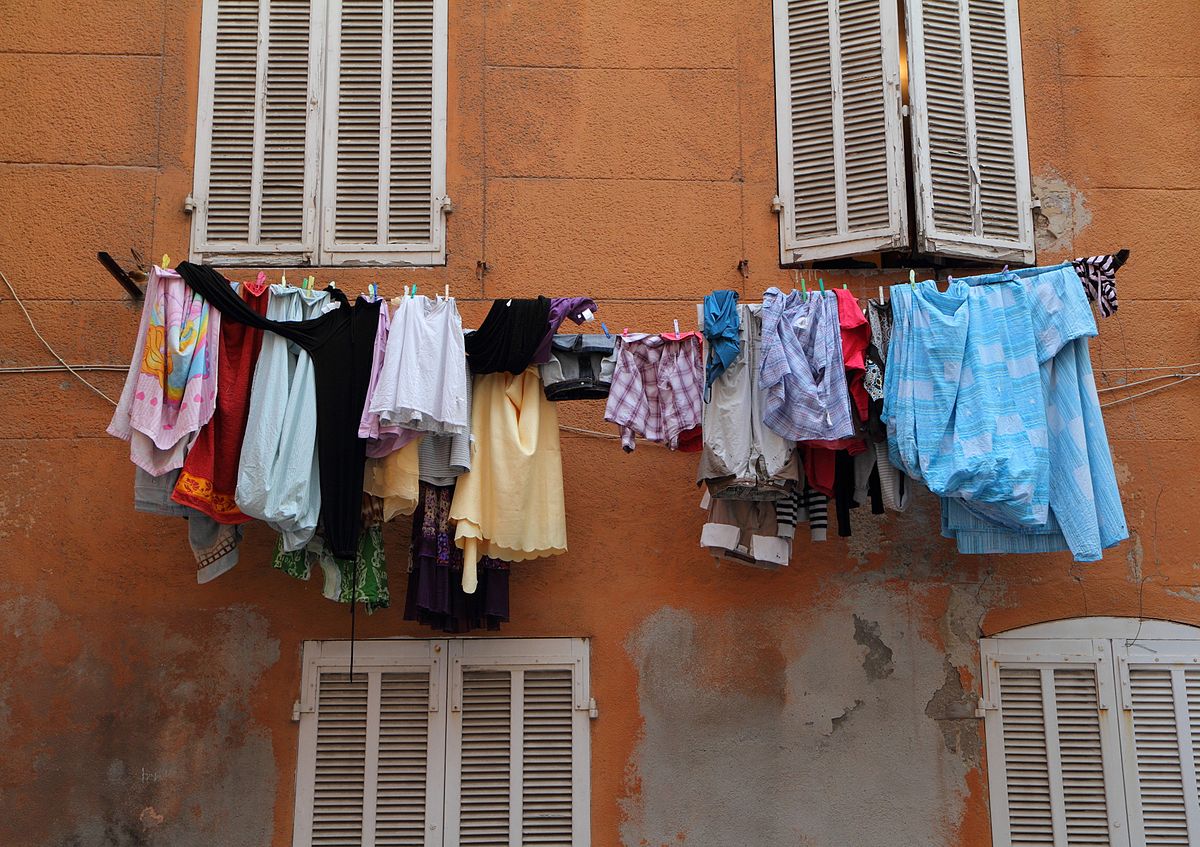
From the late 2000s onward, Zachmann turned his attention closer to home, producing Ma proche banlieue and later Mare Mater, extended studies of the multiethnic neighbourhoods of Marseille, the port city where immigrant communities from North Africa, sub-Saharan Africa, and the Middle East have created a vibrant but often marginalised urban culture. In these projects, Zachmann brought the same patience and emotional intelligence he had applied to the Chinese diaspora, photographing young people navigating the space between their parents' traditions and the secular, sometimes hostile, world of contemporary France.
Zachmann has also worked extensively in film, producing several documentary features that complement his photographic projects. His film Allers-Retours: Journal d'un photographe traces his own journey through the Chinese communities he had been photographing for two decades, blending autobiography with cultural observation. The integration of film and still photography reflects Zachmann's conviction that some stories require multiple registers to be fully told.
Throughout his career, Patrick Zachmann has resisted the temptation to reduce his subjects to symbols or types. His photographs insist on the individuality of every face, the specificity of every gesture, even as they speak to universal themes of exile, memory, and the search for belonging. His is a photography of empathy and persistence, built not on the decisive moment but on the slow accumulation of trust, understanding, and shared experience. In an era of instantaneous images and disposable narratives, Zachmann's commitment to the long view stands as a quiet rebuke and an enduring example.