Nicholas Nixon was born in Detroit, Michigan, in 1947 and grew up in a middle-class family in the suburbs. He studied American literature at the University of Michigan before turning to photography, earning his MFA from the University of New Mexico in 1974 under the tutelage of Beaumont Newhall. It was there that Nixon committed himself to the 8x10 large-format view camera, an instrument that would define his practice for the next five decades. The view camera's extraordinary resolution and its demand for deliberation — each exposure requiring careful composition, precise focusing, and the cooperation of the subject — suited Nixon's temperament perfectly: patient, attentive, and drawn to the kind of sustained human encounter that snapshot photography cannot achieve.
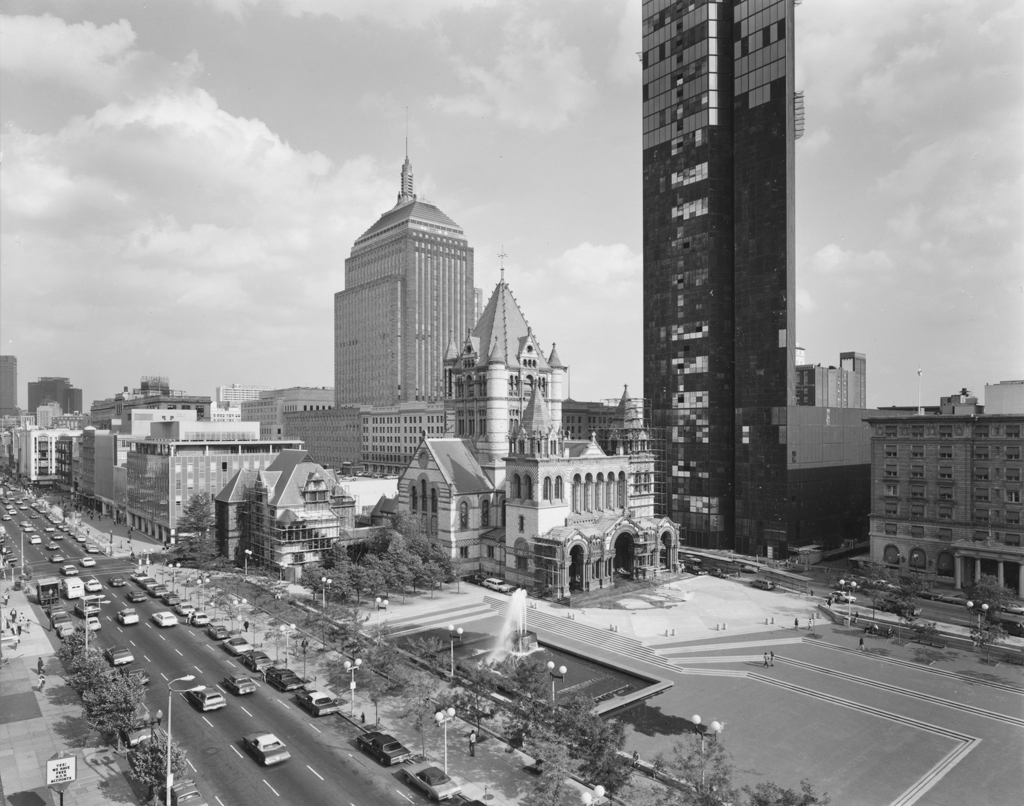
In 1975, Nixon was included in the landmark exhibition New Topographics: Photographs of a Man-Altered Landscape at the George Eastman Museum in Rochester, New York. His contribution consisted of views of urban landscapes photographed from elevated vantage points, showing the interplay of architecture and open space in the American city. But while the New Topographics exhibition would prove enormously influential in the development of landscape photography, Nixon himself would move decisively away from landscape and toward the human subject, producing work of an intimacy and emotional directness that set him apart from the cooler, more conceptual tendencies of his contemporaries.
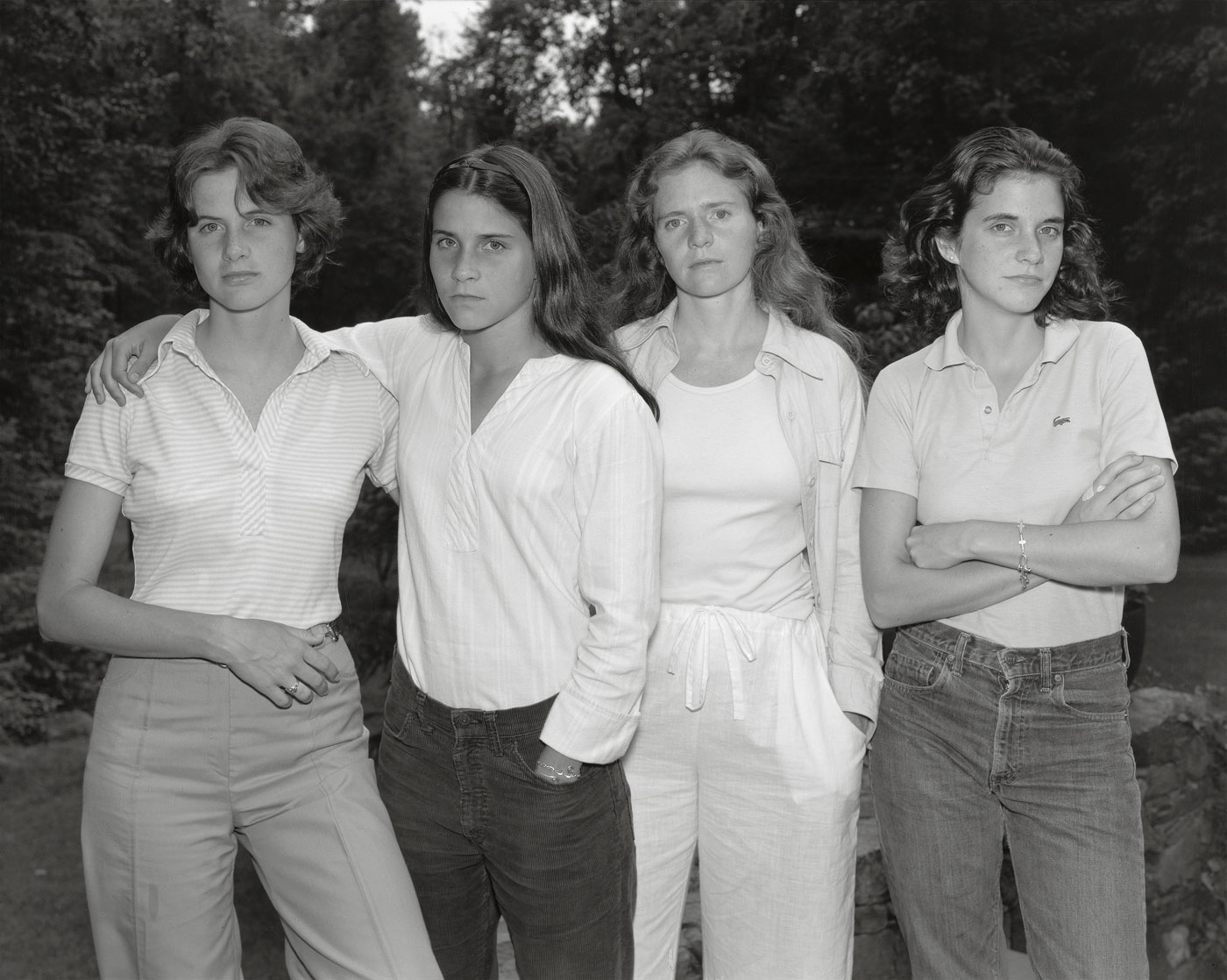
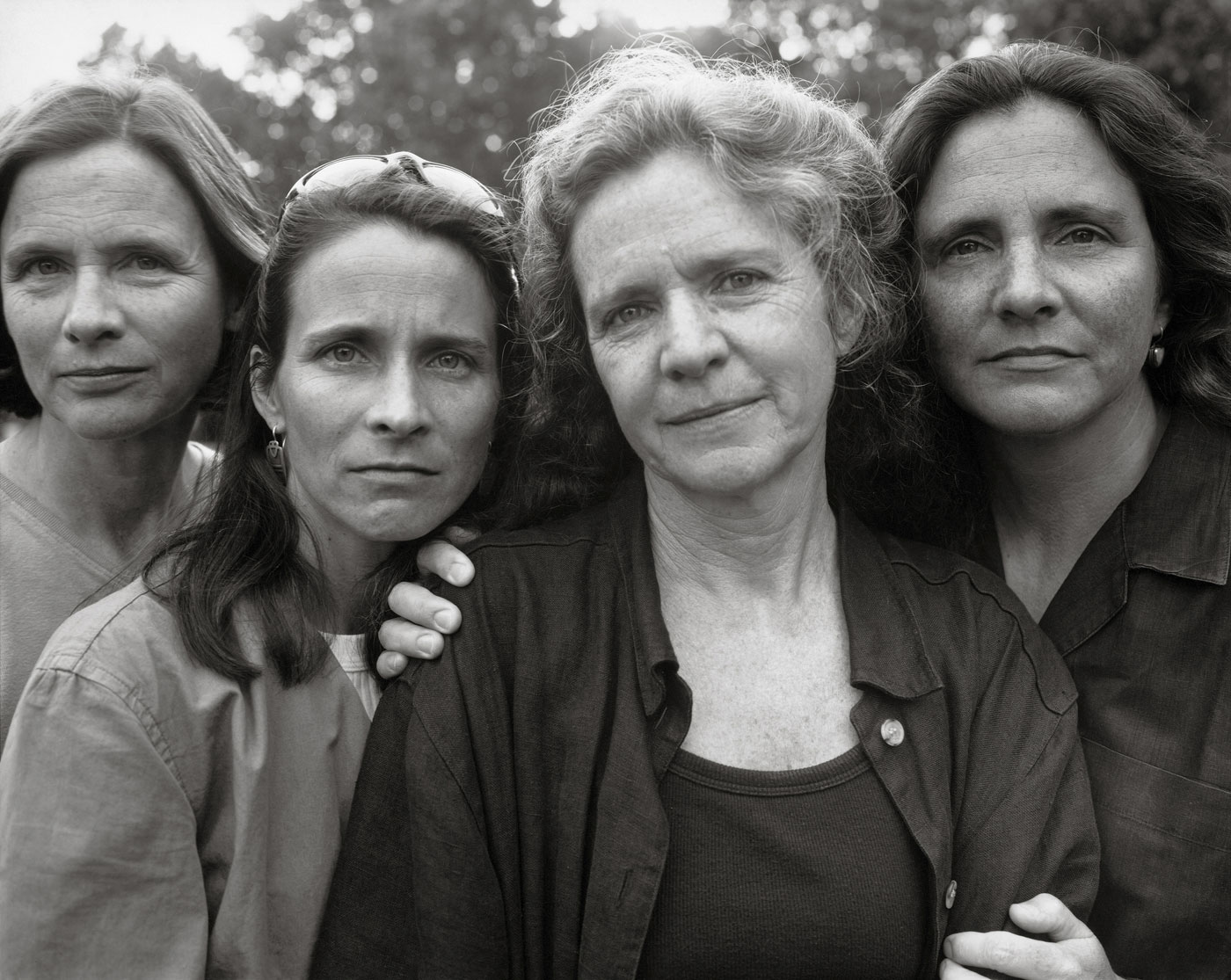
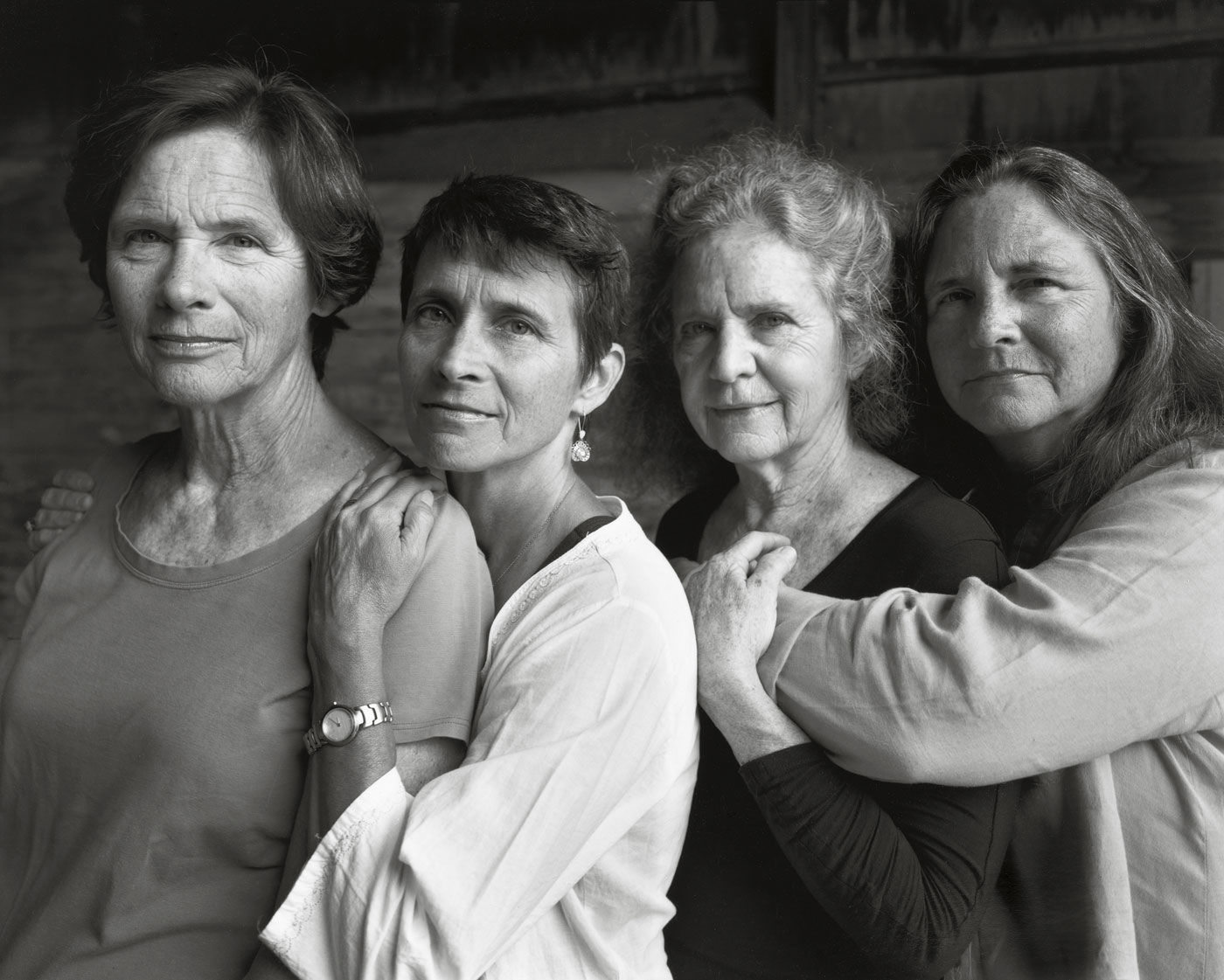
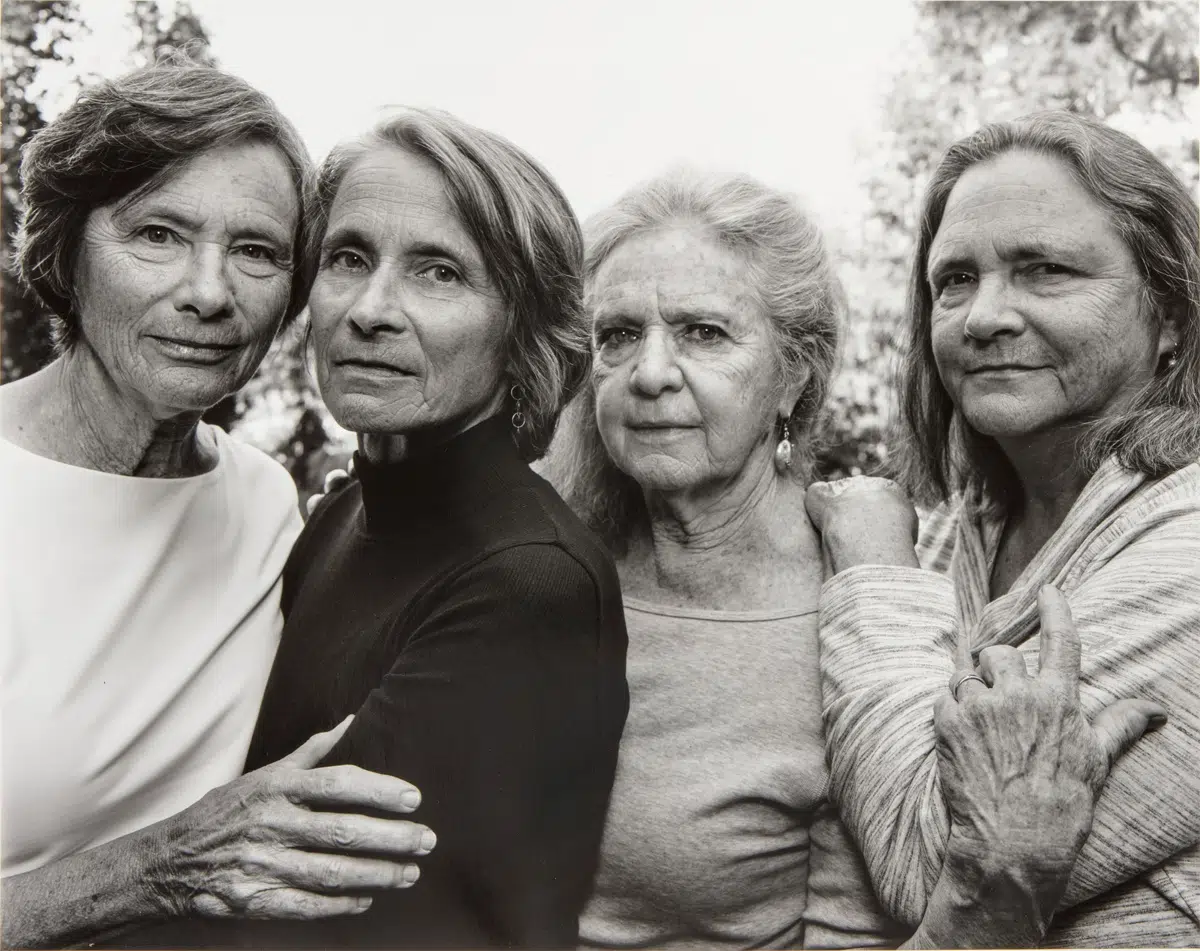
That same year, 1975, Nixon made the first photograph in what would become the most celebrated serial project in the history of the medium: The Brown Sisters. Each year, he photographed his wife Bebe and her three sisters, always in the same order from left to right, always in black and white, always with the 8x10 camera. The project has continued annually without interruption for nearly fifty years, and the resulting sequence of portraits constitutes an extraordinary document of time's passage. The four women age before our eyes — from their twenties through their sixties and beyond — and the accumulation of yearly images creates a meditation on mortality, family, and the relentless forward motion of life that is without parallel in photography.
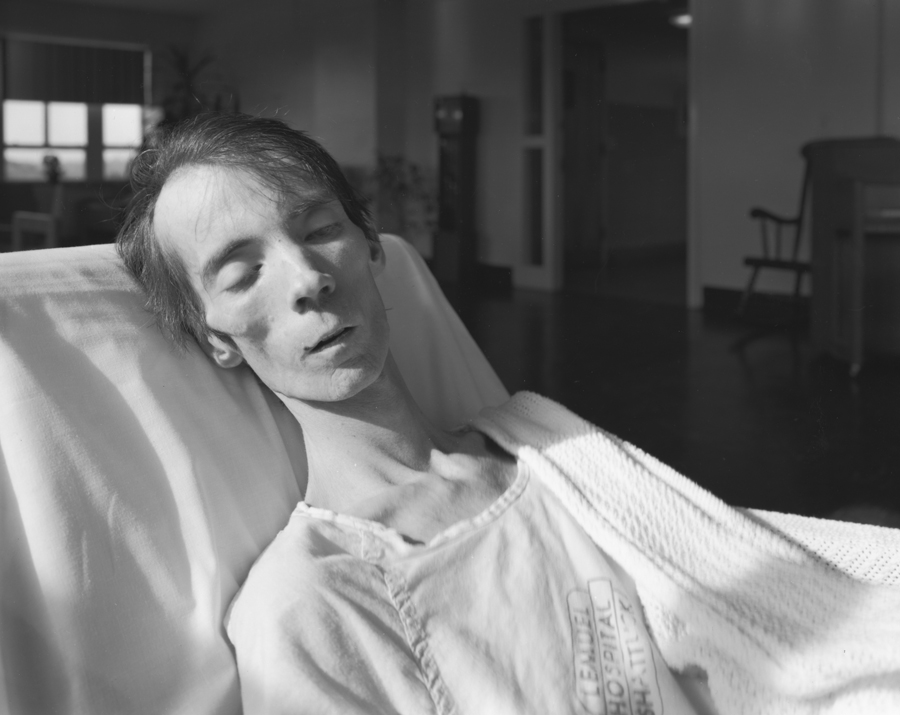
In the mid-1980s, Nixon began another body of work that would prove equally remarkable and considerably more harrowing. He spent several years photographing people living with AIDS in Boston, working with patients at a hospice and in their homes as they endured the ravages of a disease that was then invariably fatal. The resulting images, published as People with AIDS in 1991, are among the most powerful and controversial photographs of the epidemic. Shot in the unsparing detail of the 8x10 format, they show the physical deterioration of young men and women with a directness that some critics found exploitative and others recognised as an act of extraordinary witness and compassion.
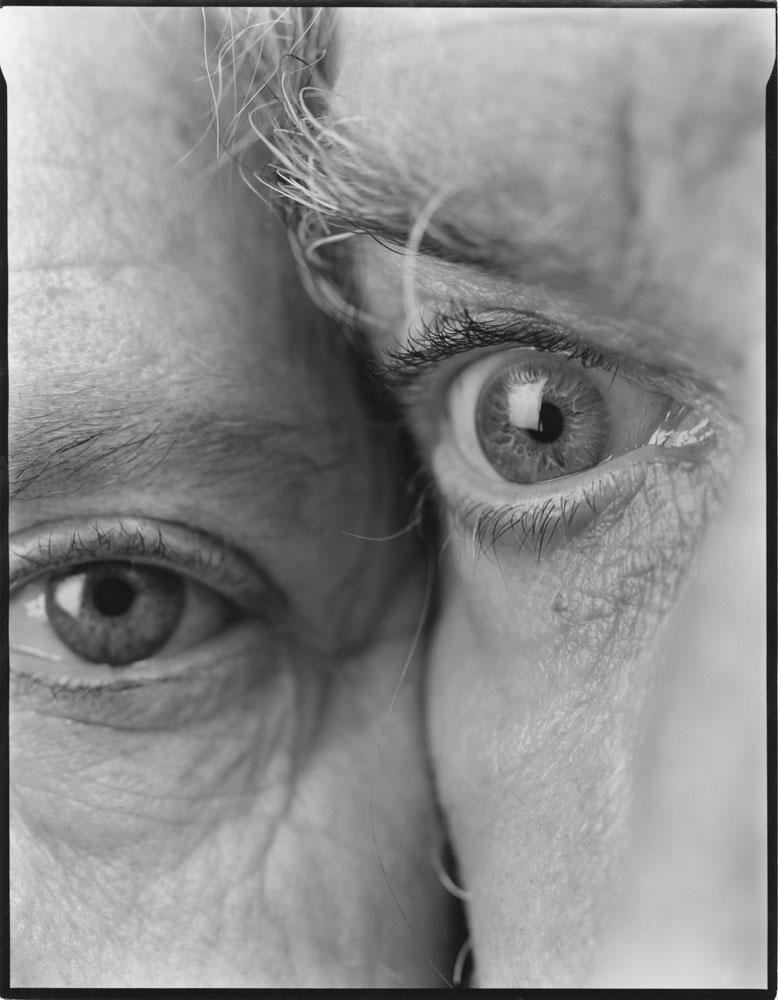
Nixon's engagement with the human body extended into other domains. His photographs of the elderly residents of nursing homes, made over many years, brought the same combination of technical precision and emotional empathy to subjects whom mainstream culture renders invisible. These images of wrinkled hands, weathered faces, and fragile bodies are tender without being sentimental, dignified without being evasive, and they constitute one of the most sustained photographic engagements with old age in the history of the medium.
Throughout his career, Nixon also produced an extensive body of work documenting his own family — his wife Bebe, his children Sam and Clementine, and their domestic life in Cambridge, Massachusetts. These images, often made in the intimate spaces of the home — bedrooms, bathrooms, the backyard — have a warmth and physicality that is rare in art photography. Nixon photographs his family with the same 8x10 camera he uses for all his work, and the combination of the format's clinical precision with the subject's intimate familiarity produces images of startling emotional power.
Nixon taught at the Massachusetts College of Art and Design in Boston from 1975 until his retirement, influencing generations of students through his commitment to the view camera and his insistence on the primacy of human connection in photography. His work has been exhibited at major institutions worldwide, including the Museum of Modern Art in New York, the Museum of Fine Arts in Boston, and the Fraenkel Gallery in San Francisco, which has represented him for decades.
What unites all of Nixon's work — the Brown Sisters portraits, the AIDS photographs, the images of the elderly, the family pictures — is its unflinching attention to the passage of time and its effects on the human body and the human spirit. Nixon does not look away from ageing, illness, or death; neither does he aestheticise suffering or sentimentalise endurance. His camera records what is there with a precision that is simultaneously clinical and deeply compassionate, and the cumulative effect of his life's work is a meditation on mortality that is among the most profound in all of contemporary art.