Nan Goldin picked up a camera at the age of fifteen and never put it down. Born Nancy Goldin in Washington, D.C., in 1953, she was raised in a comfortable suburban household whose outward respectability concealed a private tragedy that would shape everything she made. Her older sister Barbara committed suicide at the age of eighteen, when Nan was eleven. The loss left an indelible mark: a determination to bear witness to the lives of those around her, to create a visual record that no one could deny or revise. Photography became, for Goldin, an act of resistance against silence.
She began photographing seriously in Boston in the early 1970s, initially documenting the drag queen community that became her chosen family. These early portraits, often taken with available light and a direct, unaffected intimacy, established the core of her practice: an approach to photography that dissolved the boundary between the photographer and her subjects, between art and autobiography. There was no aesthetic distance. The camera was not a shield but a means of participation in the lives being recorded.
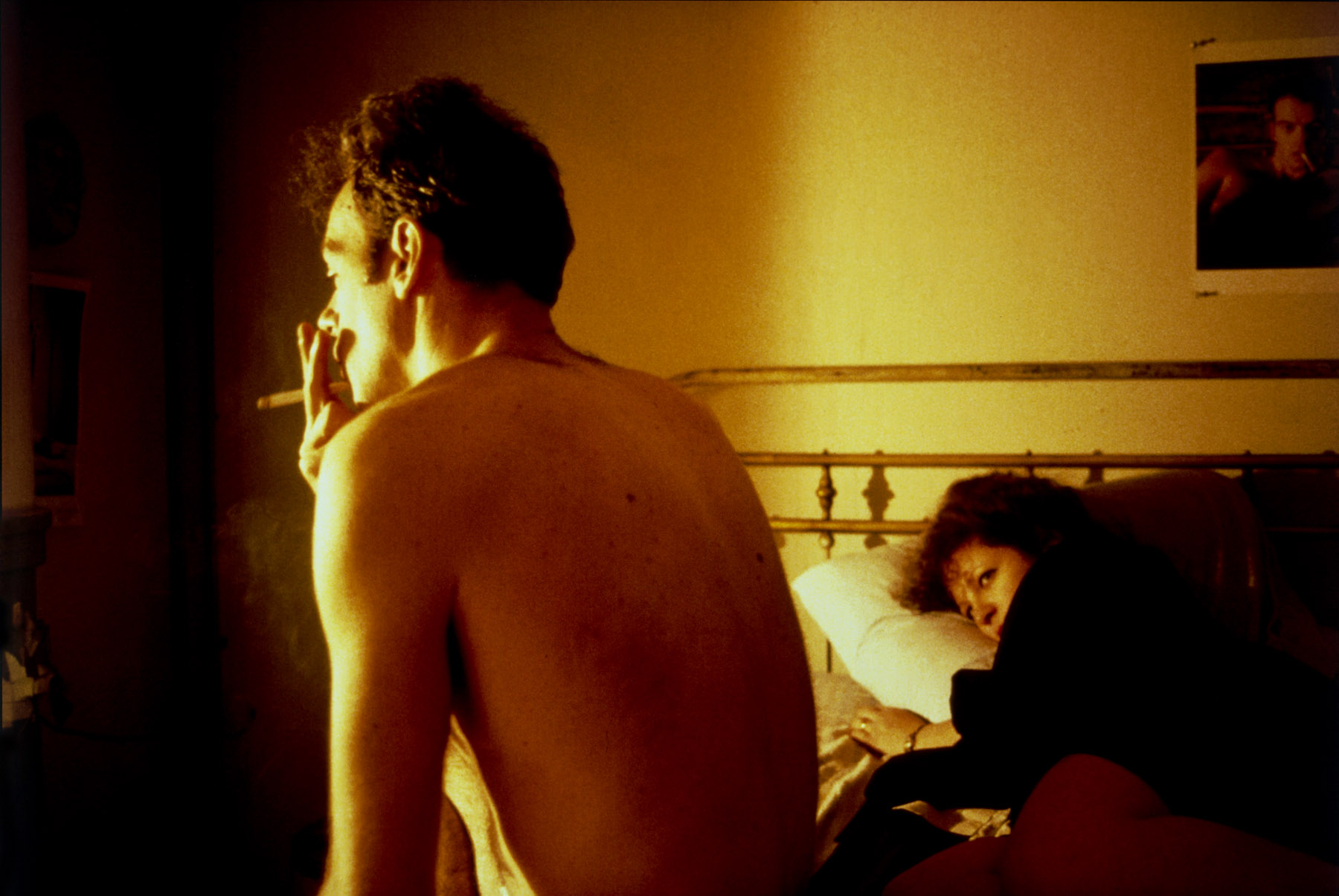
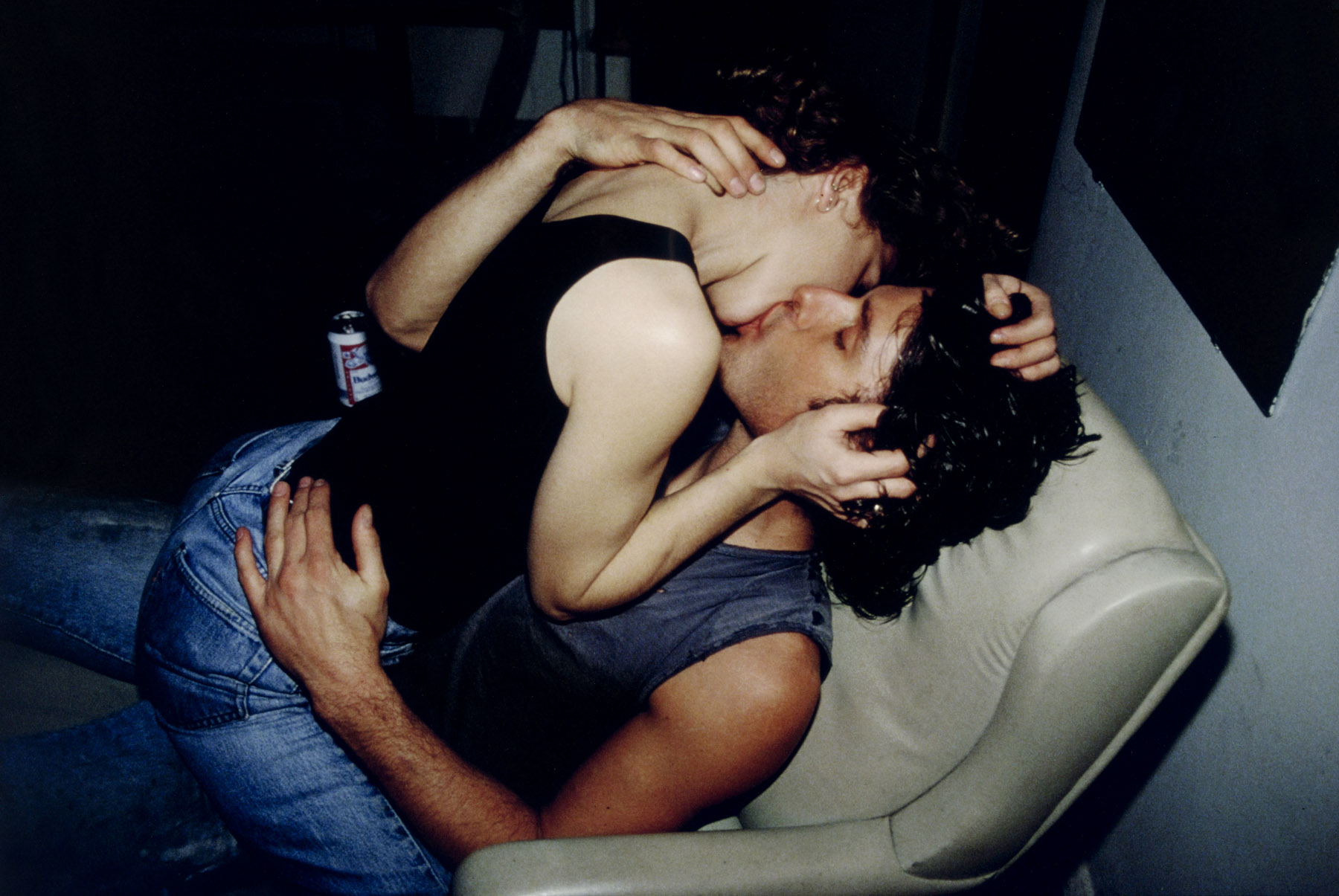
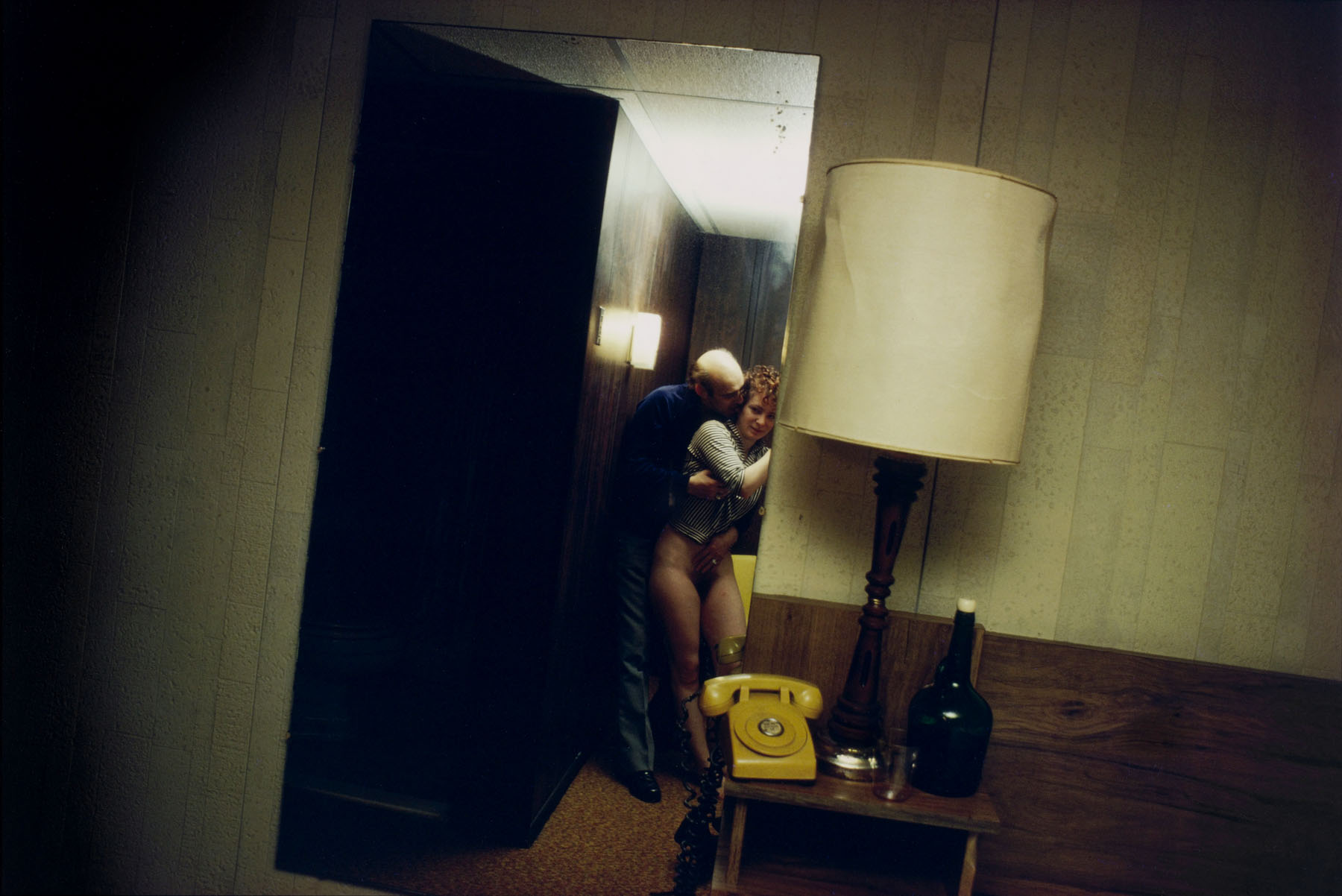
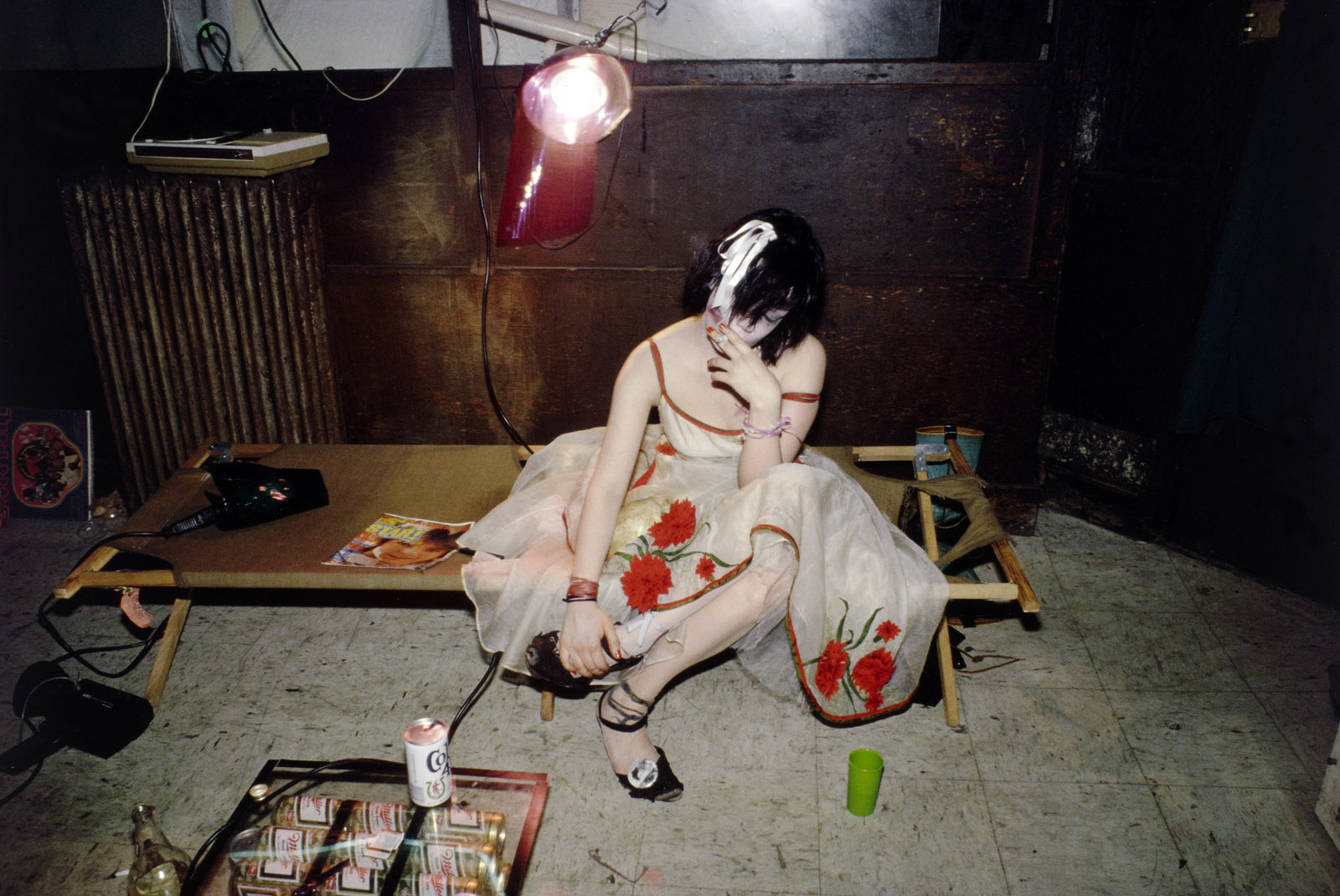
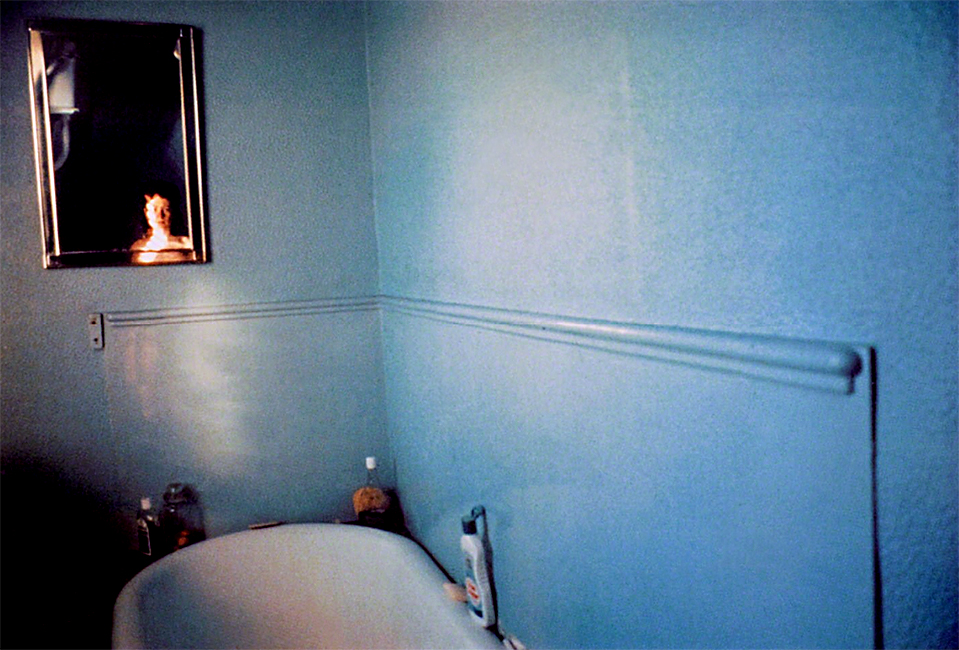
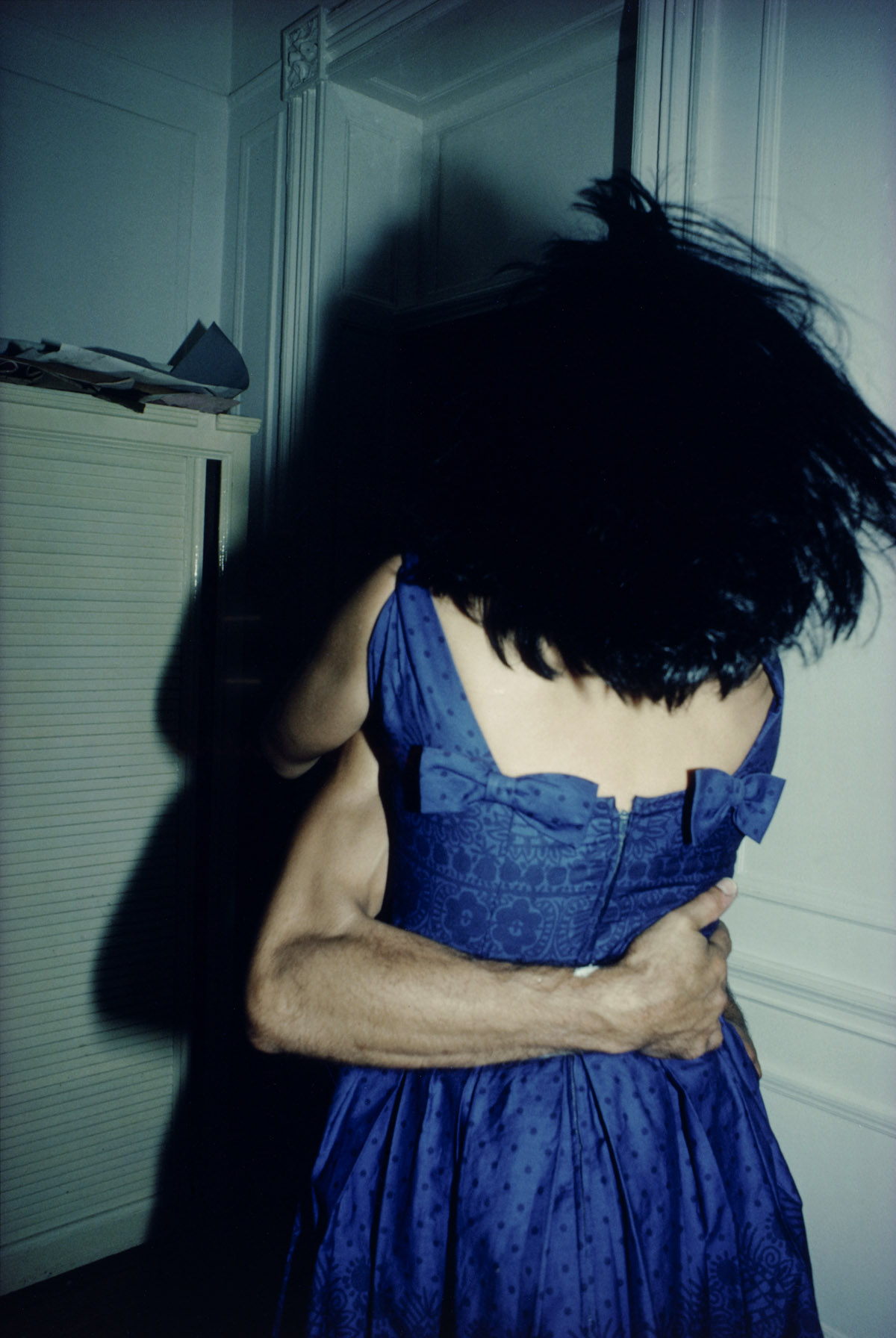
In 1978, Goldin moved to New York City and immersed herself in the downtown scene centred around the Bowery, the Mudd Club, and the bars and apartments of the Lower East Side. She photographed her friends and lovers constantly: getting dressed, getting high, making love, fighting, sleeping, waking. The images accumulated into a sprawling visual diary of a community living on the margins, bound together by desire, drugs, and an intensity of feeling that refused every middle-class convention. The work was raw, flash-lit, and uncompromising. It looked nothing like art photography was supposed to look.
In 1981, Goldin began presenting these photographs as a slideshow set to music, projected in the same bars and clubs where the pictures had been taken. The piece grew and evolved over the following years, incorporating new images and shedding old ones as friends moved on, fell ill, or died. It was given its title, The Ballad of Sexual Dependency, after a Brecht and Weill song. When Aperture published it as a book in 1986, it immediately became one of the most important photographic publications of the decade. The book's impact was seismic. It offered an unflinching, deeply personal account of love, addiction, gender, sexuality, and loss that felt unprecedented in the history of the medium.
The AIDS crisis devastated Goldin's community through the late 1980s and 1990s. She photographed her friends as they sickened and died, creating images of unbearable tenderness and grief. The work of this period, including the series devoted to her friend Cookie Mueller and Cookie's husband Vittorio Scarpati, ranks among the most powerful visual testimonies to the epidemic. Goldin refused to look away. The camera bore witness when society at large was content to pretend the crisis was not happening.
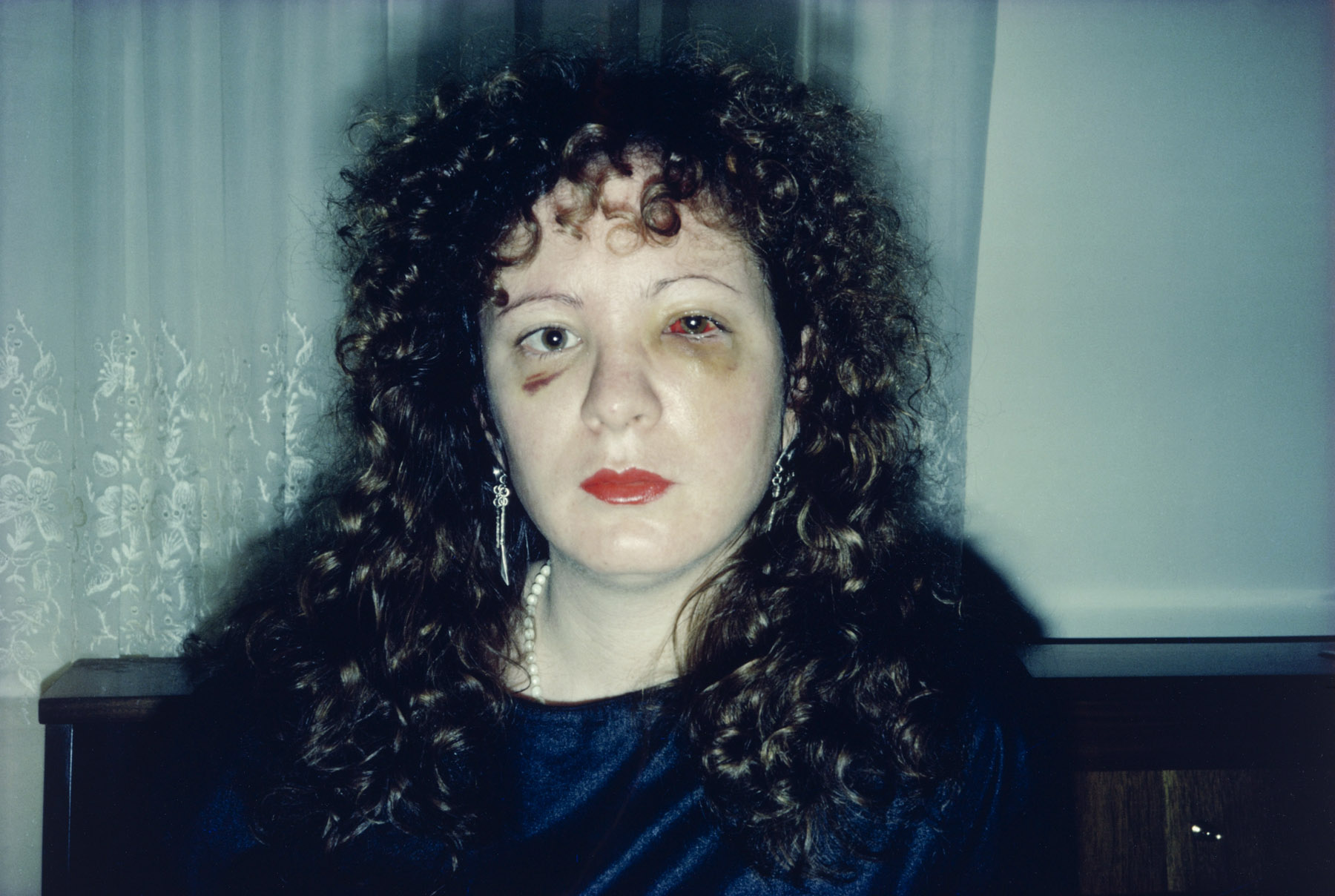
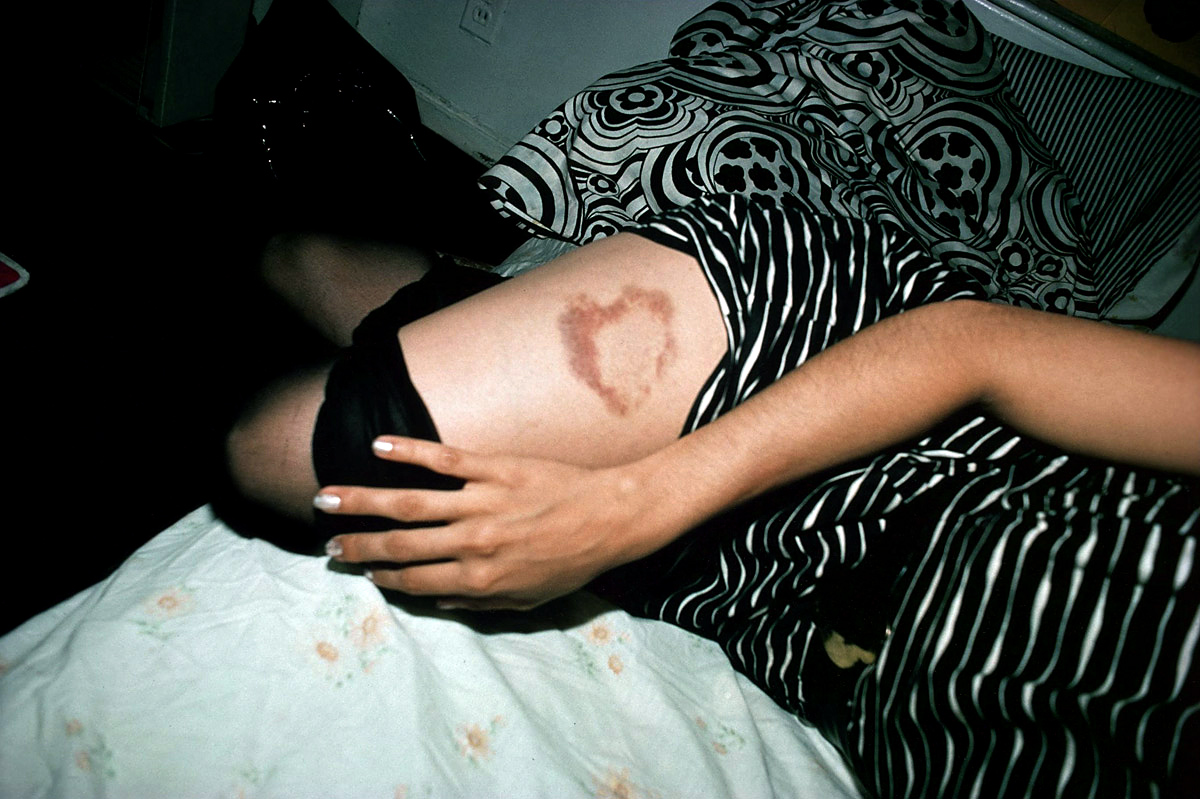
Goldin's own struggles with addiction and recovery became another thread in her work. Her photograph Nan One Month After Being Battered, a self-portrait taken in 1984 after she was beaten by her then-boyfriend, remains one of the most famous and harrowing images in contemporary photography. It is a picture of defiance as much as of damage, the photographer refusing to hide the evidence of violence done to her. That same unflinching self-exposure runs through all of her practice, making her one of the most confessional artists in any medium.
In the twenty-first century, Goldin has continued to produce deeply personal work while also becoming one of the art world's most prominent activists. Her campaign against the Sackler family and their role in the opioid crisis, conducted through her organisation P.A.I.N. (Prescription Addiction Intervention Now), led major museums including the Louvre, the Tate, and the Guggenheim to refuse Sackler donations and remove the family's name from their galleries. The documentary All the Beauty and the Bloodshed, directed by Laura Poitras, told the story of her life and activism and won the Golden Lion at the Venice Film Festival in 2022.
Goldin's influence on subsequent generations of photographers and artists is immeasurable. She did not invent the personal snapshot as art, but she gave it a depth, an emotional range, and a moral seriousness that transformed the medium. Her work insists that the lives of the marginalised, the addicted, the queer, and the dying are worthy of the same attention and beauty that art has historically reserved for the powerful. In doing so, she expanded the boundaries of what photography could be and what it was for.