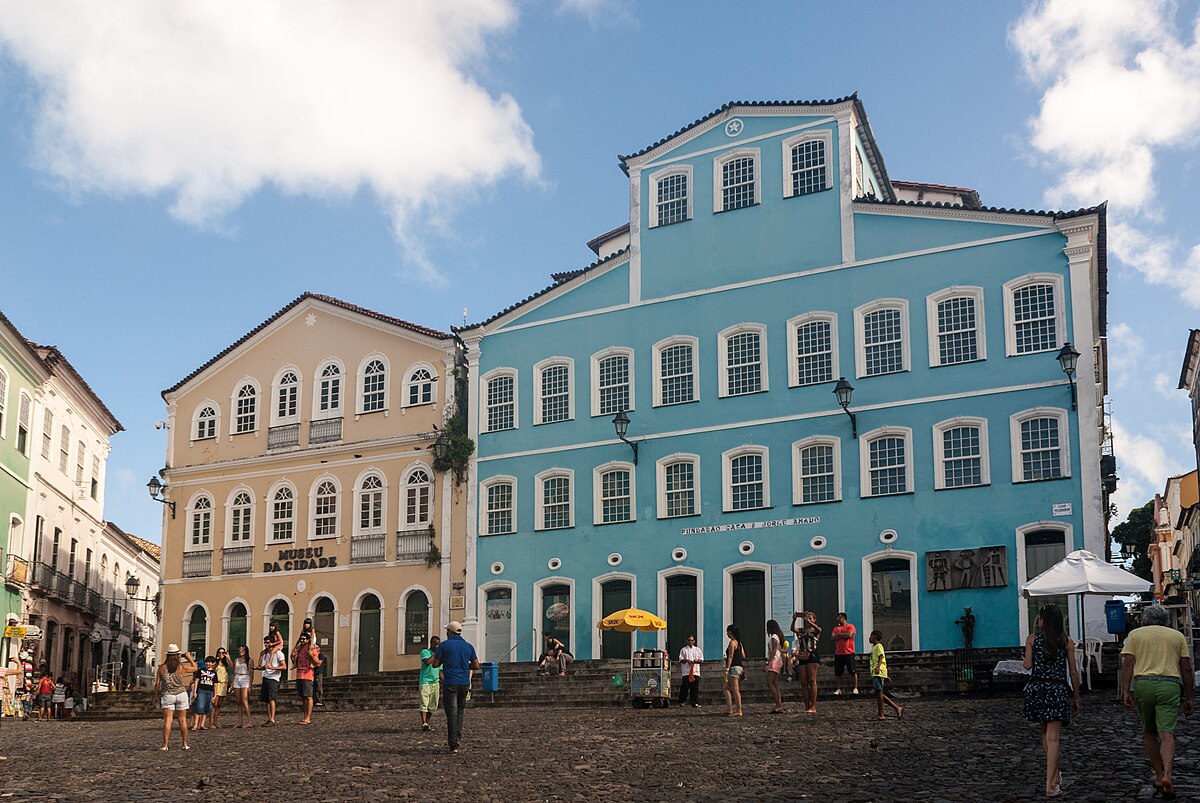
Maciel, Pelourinho
From Dulce Sudor Amargo, 1985
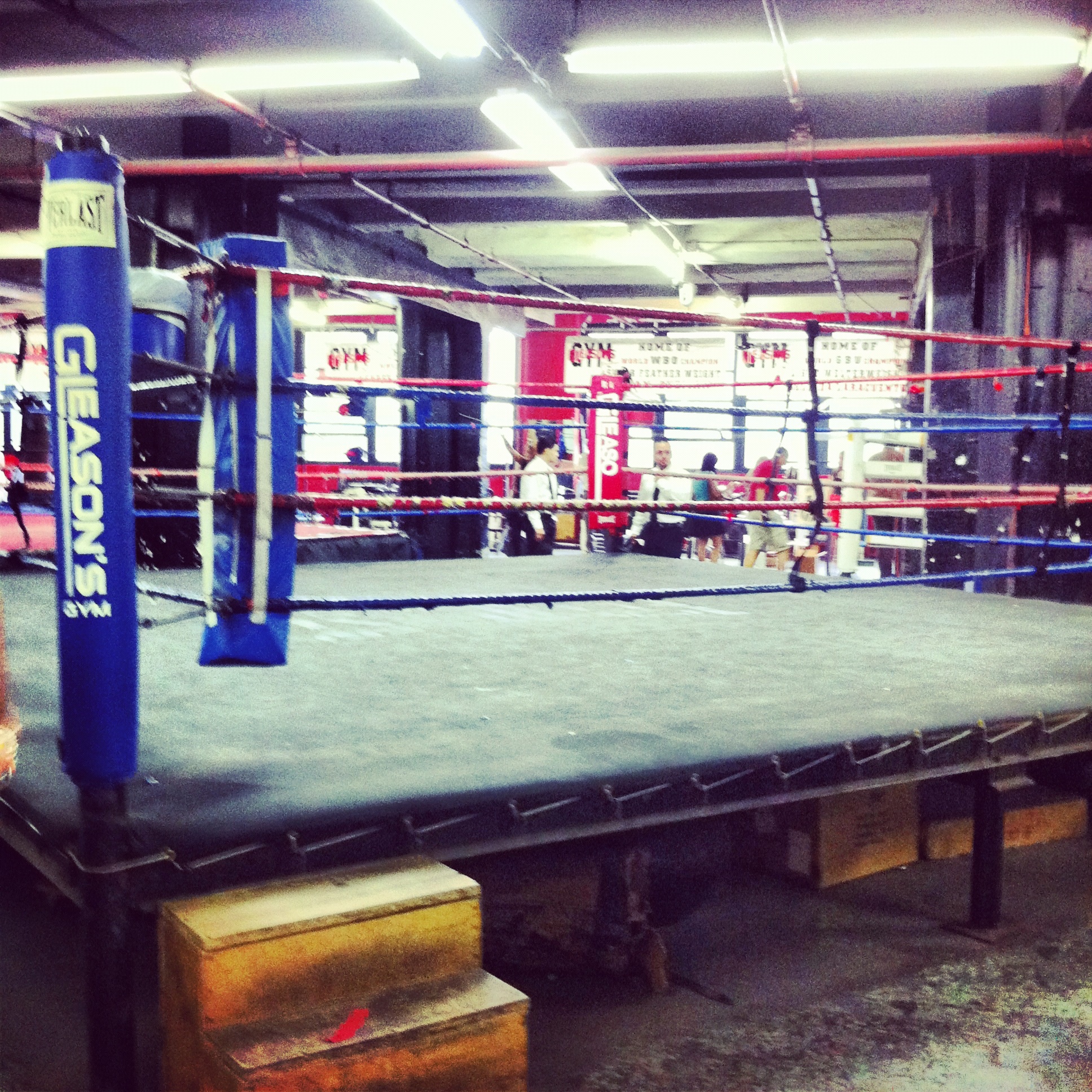
Boxer at Rest, Salvador
From Academia de Boxe, 1993
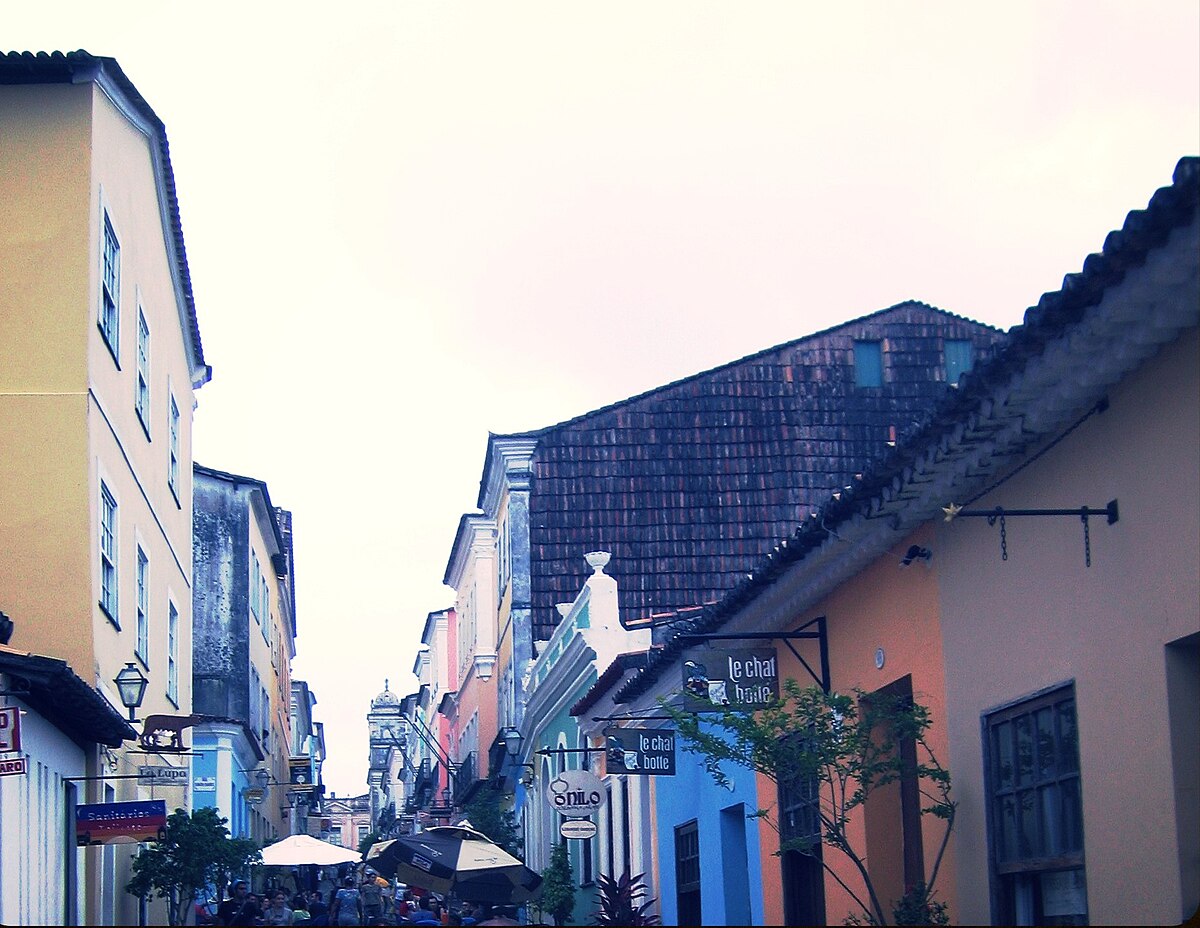
Red Wall, Bahia
1979
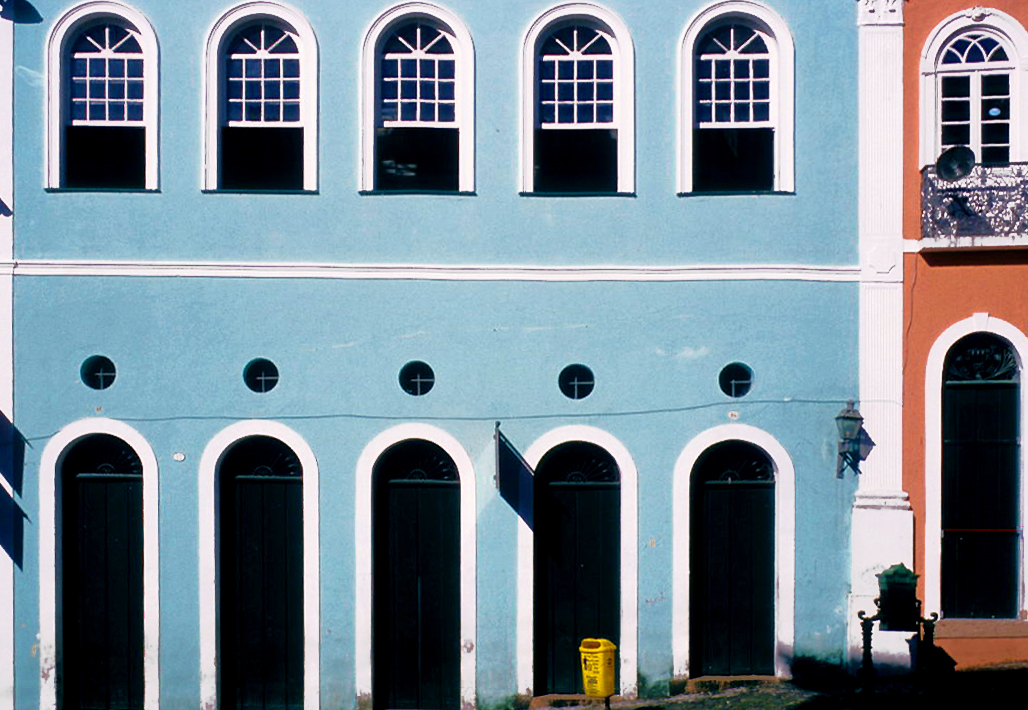
Prostitute at Window
From Dulce Sudor Amargo, 1985
A Brazilian photographer, painter, and filmmaker whose saturated, visceral images of marginalised communities, boxing rings, and urban decay have made him one of the most distinctive visual artists to emerge from Latin America, fusing documentary urgency with the sensibility of a painter.
Born 1946, Las Palmas de Gran Canaria, Spain — Brazilian
Maciel, Pelourinho
From Dulce Sudor Amargo, 1985
Boxer at Rest, Salvador
From Academia de Boxe, 1993
Red Wall, Bahia
1979
Prostitute at Window
From Dulce Sudor Amargo, 1985
Miguel Rio Branco was born in 1946 in Las Palmas de Gran Canaria, in the Canary Islands, to Brazilian diplomatic parents. His childhood was itinerant: he grew up in Portugal, Brazil, Switzerland, and the United States, an experience of constant displacement that gave him an outsider's perspective on every place he inhabited. He studied at the New York Institute of Photography and the Escola Superior de Desenho Industrial in Rio de Janeiro, training both as a painter and as a photographer. This dual formation is crucial to understanding his work, which has always existed at the intersection of documentary photography and painterly abstraction.
Rio Branco's early photographic work in the 1970s focused on the rural communities of northeastern Brazil, but it was his extended engagement with the Pelourinho district of Salvador, Bahia, that produced his most celebrated body of work. Pelourinho, the historic centre of Salvador, was at that time a zone of extreme poverty, prostitution, and social abandonment — a crumbling colonial quarter whose magnificent but decaying architecture housed some of the most marginalised people in Brazil. Rio Branco spent years photographing the district's inhabitants, its peeling walls, its interiors of faded grandeur, and its streets where beauty and degradation coexisted in a state of constant, volatile tension.
The resulting body of work, published as Dulce Sudor Amargo (Sweet Bitter Sweat) in 1985, is one of the landmarks of Latin American photography. The images are characterised by their extraordinary use of colour: deep reds, ochres, and earth tones that seem to emanate from the walls and flesh of the Pelourinho itself. Rio Branco's palette is not naturalistic; it is heightened, saturated, and intensely physical, more akin to the colour of Caravaggio or Francis Bacon than to conventional photographic colour. The images convey a world of sensory overload — heat, sweat, desire, exhaustion — in which the human body and its architectural surroundings seem to be made of the same decaying, vivid substance.
In 1980, Rio Branco became an associate member of Magnum Photos, one of the few Latin American photographers to join the agency. His association with Magnum introduced his work to an international audience, though his approach was always at odds with the classical photojournalistic traditions that Magnum represented. Where most Magnum photographers worked in black and white and valued the decisive moment, Rio Branco worked in saturated colour and valued accumulation, juxtaposition, and the slow construction of atmosphere. His was a cinema of stills rather than a journalism of instants.
In the early 1990s, Rio Branco produced Academia de Boxe, a series documenting a boxing academy in Salvador. The images of fighters training, resting, and competing are among his most powerful: bodies glistening with sweat, caught in poses of extreme exertion or exhaustion, photographed in the dim, reddish light of the gymnasium. The boxing series extends Rio Branco's central preoccupation with the human body as a site of beauty, violence, and vulnerability, and it demonstrates his exceptional ability to find in the most physically immediate subjects a quality of pictorial grandeur.
Rio Branco's work has increasingly moved beyond the single photographic image into installation, diptych, and multimedia presentation. His exhibitions often combine photographs, film projections, and paintings in immersive environments that surround the viewer with colour and imagery. Silent Book (1997), perhaps his most ambitious publication, uses diptychs and sequences of images to create a visual narrative that operates through association, rhythm, and chromatic resonance rather than through linear storytelling. It is a book that must be experienced rather than merely read.
His films, including Nada Levarei Quando Morrer, Aqueles que Mim Devem Cobraréi no Inferno (1982), extend the visual strategies of his photography into the moving image, creating works of extraordinary sensory intensity that document the lives of the Pelourinho's inhabitants with the same unflinching closeness and chromatic boldness as his still images.
Rio Branco's influence on contemporary photography, particularly in Latin America, has been profound. He demonstrated that colour photography could be as serious, as complex, and as emotionally powerful as the black-and-white tradition that had dominated art photography for most of the twentieth century. His work has been exhibited at institutions including the Centre Pompidou, the Museum of Modern Art in New York, the São Paulo Museum of Modern Art, and the Maison Européenne de la Photographie in Paris. He continues to work from his base in Rio de Janeiro, painting, photographing, and creating installations that push the boundaries between documentary and art.
I photograph the way a painter paints. Colour is not decoration; it is the subject itself. The red of a wall and the red of blood are the same thing to me. Miguel Rio Branco
A landmark of Latin American photography documenting the Pelourinho district of Salvador, Bahia, where prostitution, poverty, and crumbling colonial beauty coexist in images of extraordinary chromatic intensity and physical immediacy.
A visceral series documenting a boxing academy in Salvador, where fighters train and compete in dim, reddish light. The images transform athletic bodies into studies of vulnerability, endurance, and pictorial grandeur.
An ambitious publication using diptychs and image sequences to create a visual narrative of association and chromatic resonance rather than linear storytelling, pushing the photobook form toward pure sensory experience.
Born in Las Palmas de Gran Canaria to Brazilian diplomatic parents. Grows up across Portugal, Brazil, Switzerland, and the United States.
Studies at the New York Institute of Photography. Begins developing his dual practice as painter and photographer.
Begins extended engagement with the Pelourinho district of Salvador, Bahia, photographing its inhabitants and crumbling colonial architecture.
Becomes an associate member of Magnum Photos, introducing his work to an international audience.
Dulce Sudor Amargo published, establishing him as one of the most distinctive photographers in Latin America.
Produces Academia de Boxe, documenting a boxing academy in Salvador with images of extraordinary physical immediacy.
Silent Book published, pushing the photobook form toward new possibilities of visual association and chromatic narrative.
Major retrospective exhibitions at the Centre Pompidou, Paris, and the São Paulo Museum of Modern Art cement his international reputation.
Continues to work from Rio de Janeiro, creating immersive installations that combine photography, film, and painting.
Interested in discussing photography, collaboration, or just want to say hello? I’d love to hear from you.
Contact →