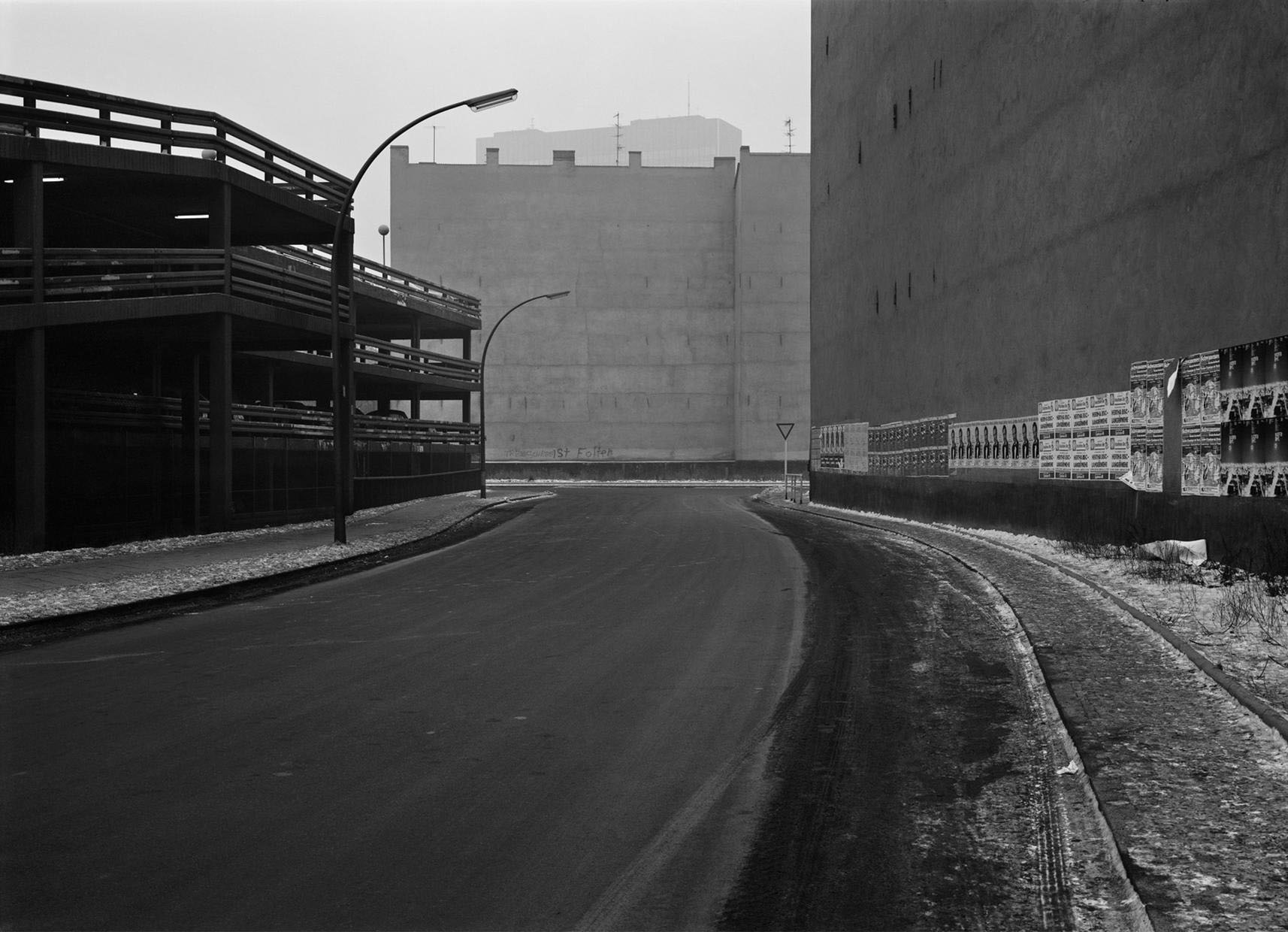
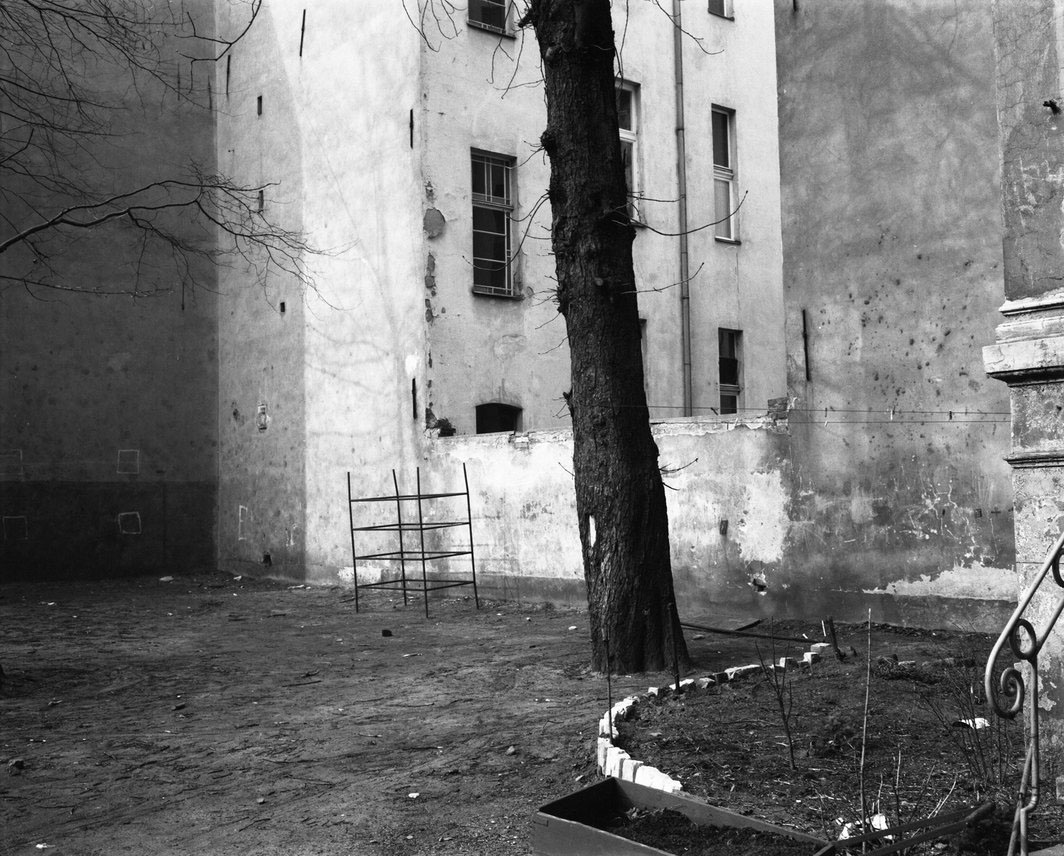
Michael Schmidt was born in Berlin in 1945, in the final months of the Second World War, into a city that was being reduced to rubble by Allied bombing. He grew up in West Berlin, in the shadow of the Wall that divided the city from 1961 onwards, and it is impossible to understand his photography without understanding the peculiar psychological atmosphere of that divided, encircled, haunted place. Berlin was not merely his subject; it was his condition. He photographed it obsessively for four decades, and in doing so he created one of the most sustained and uncompromising photographic portraits of any city in the history of the medium.
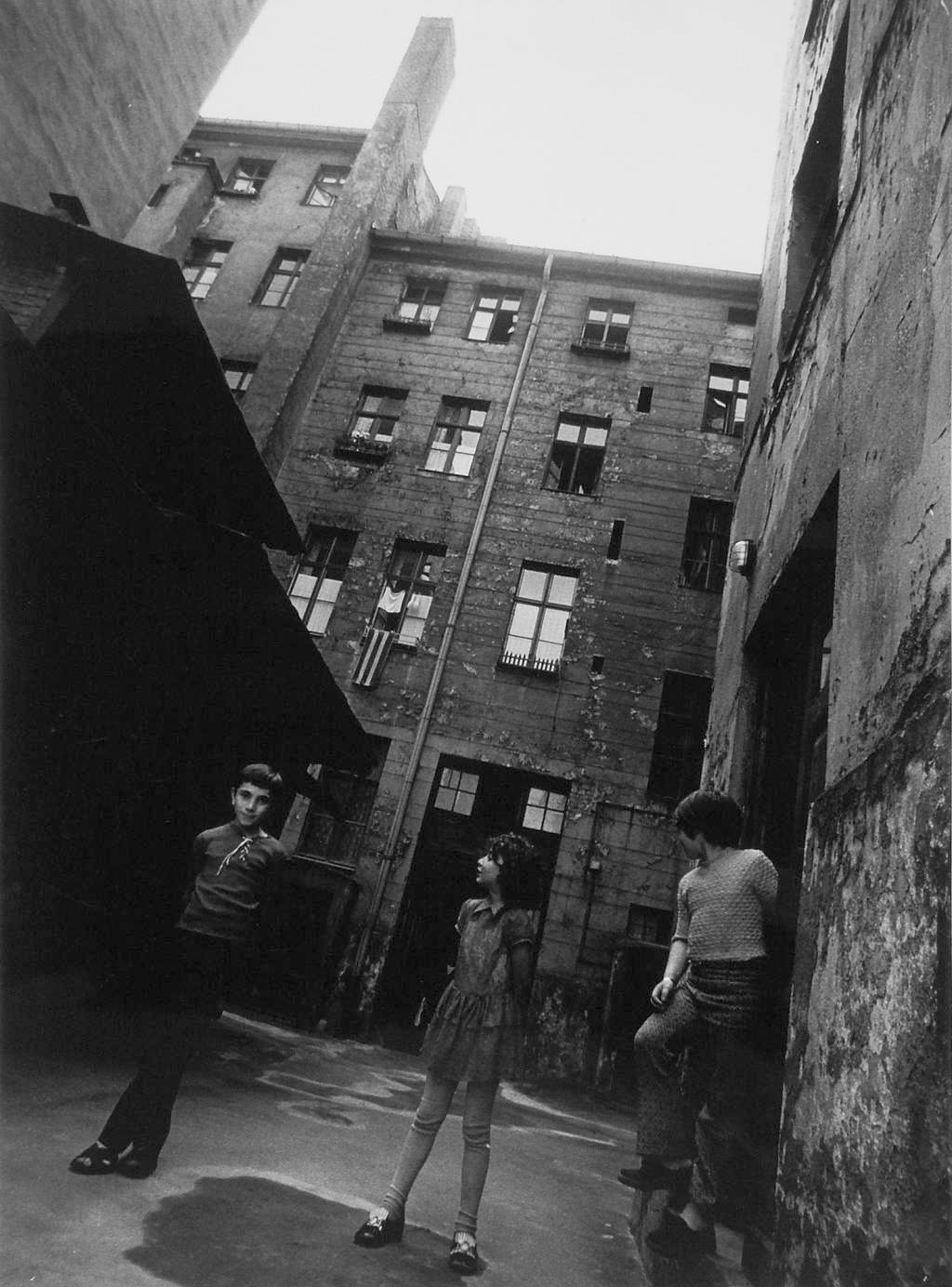
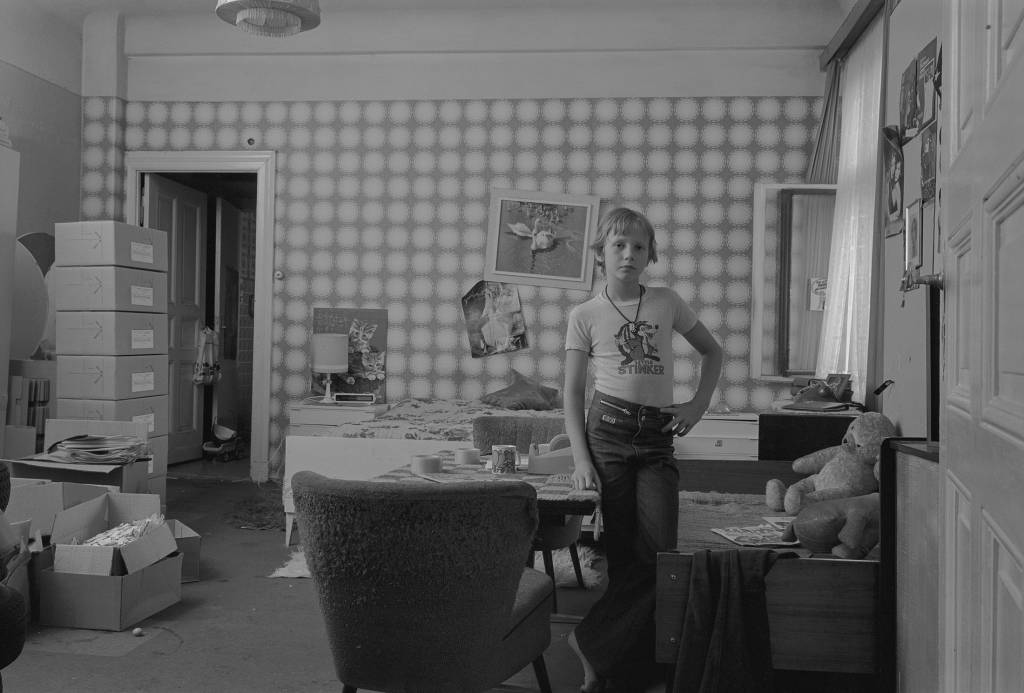
Schmidt came to photography relatively late. He worked as a policeman in West Berlin before enrolling in photography courses in the early 1970s. His first significant body of work, Berlin-Kreuzberg (1973), documented the working-class neighbourhood where he lived, using a direct, unsentimental style that owed something to the tradition of August Sander and the German documentary school. The images are rigorous and spare: facades of apartment blocks, street corners, portraits of residents, all rendered in a palette of greys that would become his signature.
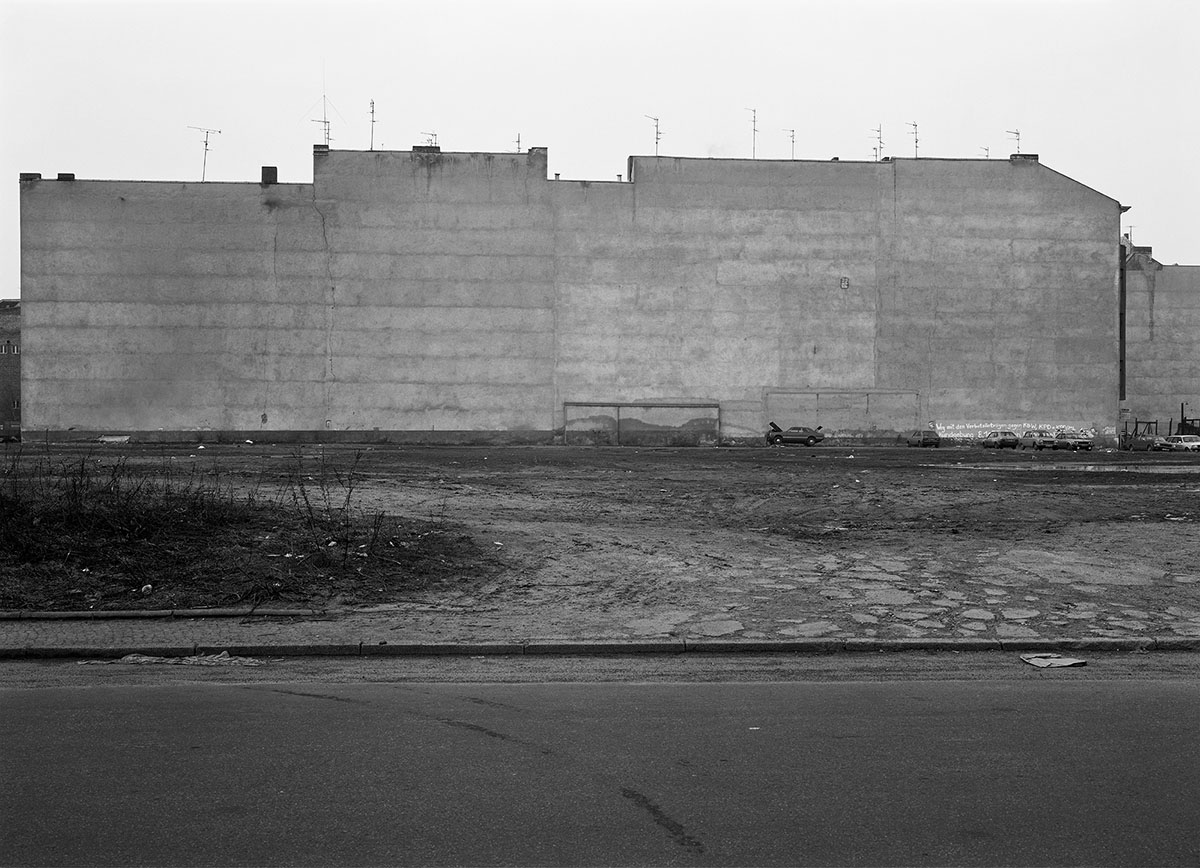
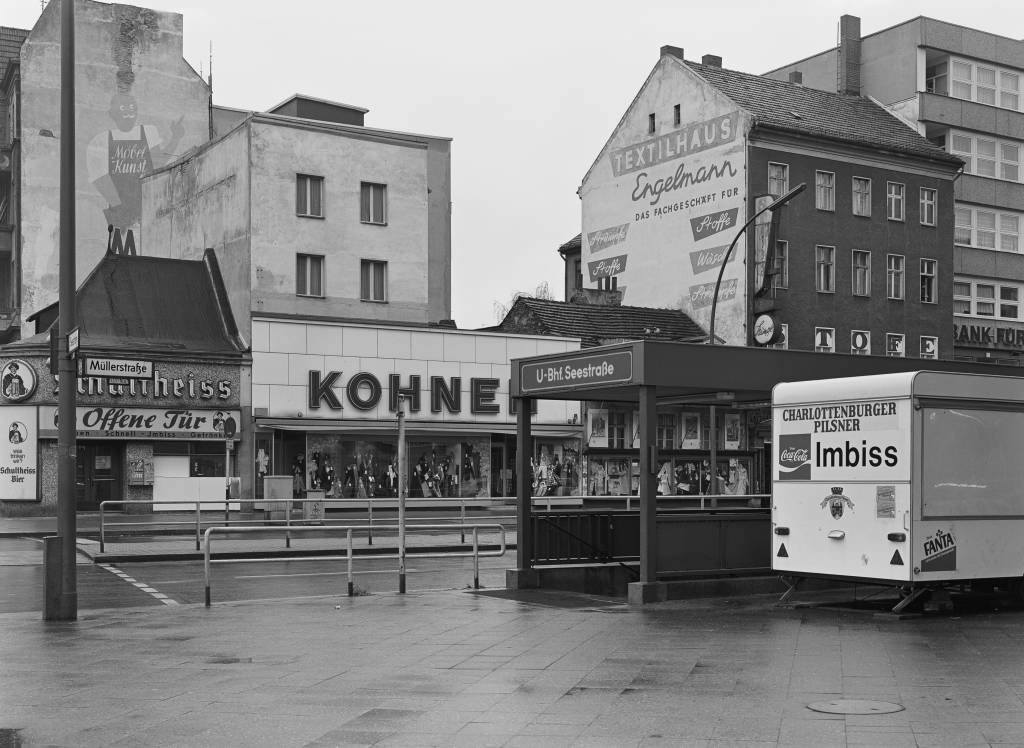
Through the 1970s and early 1980s, Schmidt continued to photograph Berlin with an intensity that bordered on compulsion. Berlin-Wedding (1978) and Berlin nach 45 (1980) extended his investigation of the city, moving from individual neighbourhoods to a broader engagement with Berlin's post-war architecture, its scars, its provisional quality, and the strange beauty of its austerity. These books established Schmidt as a major figure in German photography, though his reputation remained largely confined to the German-speaking world.
The work that brought Schmidt international recognition was Waffenruhe (Ceasefire), published in 1987. It is, by any measure, one of the most extraordinary photobooks of the twentieth century. The images — fragments of bodies, blurred faces, desolate urban landscapes, details of skin and concrete rendered in an almost identical range of greys — are sequenced with a ruthless formal intelligence that makes the book feel less like a collection of photographs than like a single, continuous visual experience. The title, which translates as ceasefire or truce, suggests a state of suspended hostility, and this is precisely the atmosphere the book conveys: a world in which violence is not present but palpable, in which the surfaces of things — walls, flesh, sky — seem to vibrate with suppressed tension.
Waffenruhe was immediately recognised as a landmark. It drew comparisons to the work of Robert Frank and William Klein for its radical approach to sequencing and its refusal of conventional documentary legibility, but Schmidt's vision was darker and more hermetic than either. The book's influence on subsequent European photography has been profound: the grey, affectless aesthetic that became dominant in German art photography in the 1990s and 2000s owes a significant debt to Schmidt's example.
After the fall of the Berlin Wall in 1989, Schmidt produced Ein-heit (Unity, 1996), a meditation on German reunification that refuses every cliché of triumphalism or celebration. The images juxtapose fragments of East and West, old and new, historical and contemporary, in a sequence that suggests not wholeness but fracture — the illusion of unity masking deeper divisions that reunification could not heal. It is a profoundly sceptical work, and it remains one of the most intelligent photographic responses to the events of 1989.
Schmidt's final major work, Lebensmittel (Foodstuffs, 2012), expanded his field of vision beyond Berlin to examine the global food industry. Photographing farms, factories, supermarkets, and the industrialised landscapes of food production, Schmidt created a book of devastating visual intelligence that makes the familiar world of everyday consumption seem suddenly strange and troubling. The grey palette remains, as does the fragmentary, elliptical sequencing, but the subject matter represents a significant expansion of his concerns.
Schmidt was also a profoundly important teacher and institution-builder. In 1976, he founded the photography workshop at the Volkshochschule Kreuzberg in Berlin, which became one of the most influential centres of photographic education in Germany. His students included many photographers who went on to significant careers, and his pedagogical approach — rigorous, demanding, and deeply committed to the photobook as an art form — helped shape the distinctive character of Berlin photography for a generation. He died in Berlin on 24 May 2014.