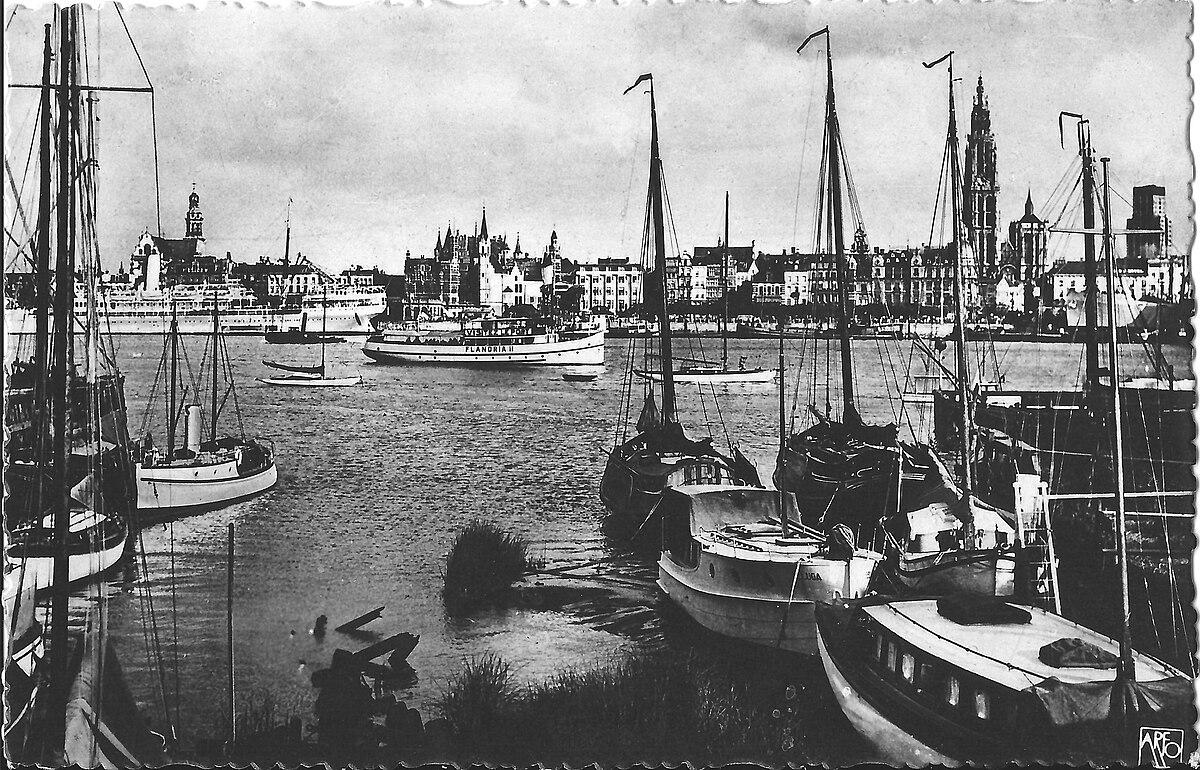
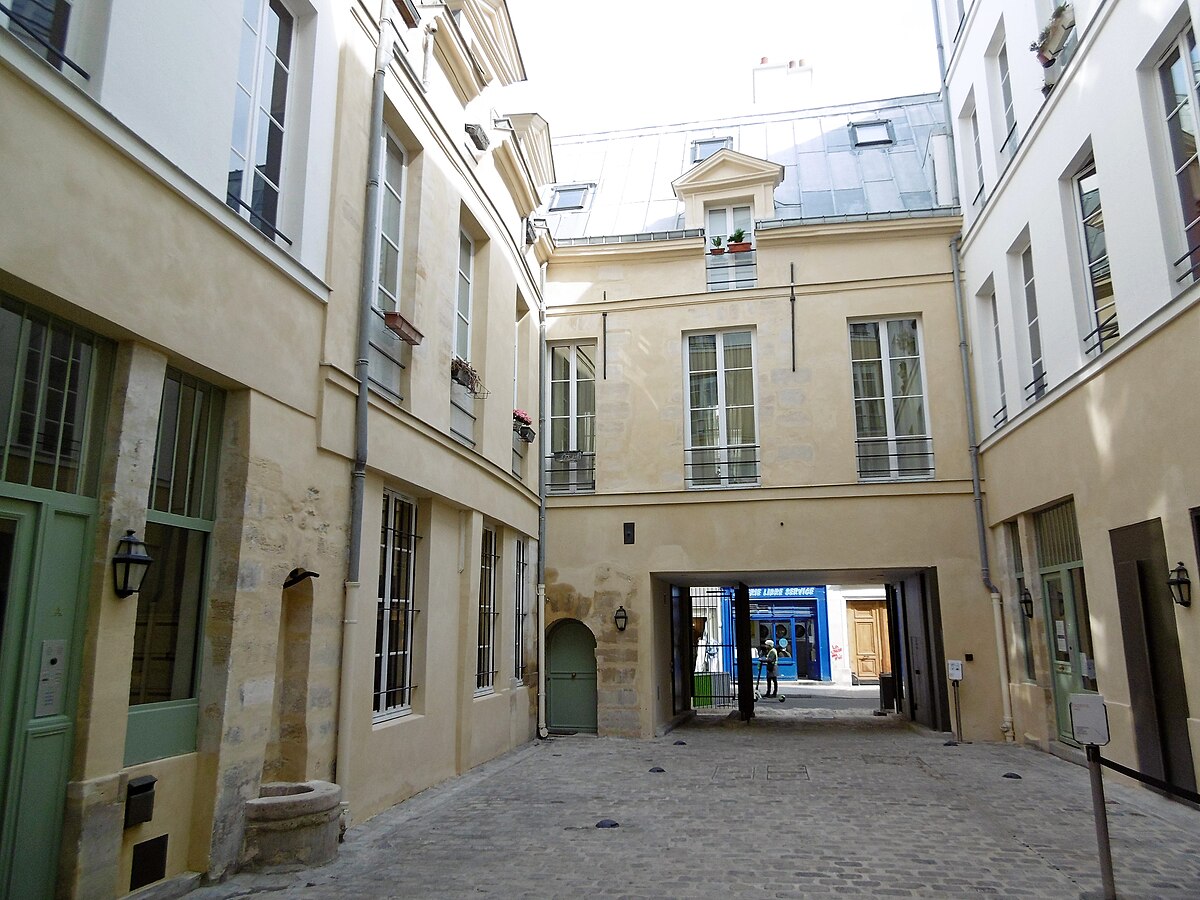
Martine Franck was born in Antwerp, Belgium, in 1938, into a cultured and cosmopolitan family. She grew up partly in Belgium and partly in England, where she attended school, before studying art history at the University of Madrid and the École du Louvre in Paris. Her early studies immersed her in the visual traditions of European painting, and this art-historical training would inform the compositional elegance and sensitivity to light that distinguished her photography throughout her career. She first picked up a camera during a trip to the Far East in the early 1960s, and the experience proved transformative.
Returning to Paris, Franck began working as a photographer in earnest, initially assisting Eliot Elisofon at Life magazine and then Gjon Mili at Time-Life. In 1966, she became a member of the Vu photography agency, and in 1970 she co-founded the Viva agency with a group of like-minded photographers committed to a more personal and socially engaged approach to photojournalism. Her work from this period reflects the political ferment of the late 1960s and 1970s: demonstrations, cultural events, and the daily texture of life in a France undergoing rapid social transformation.
In 1970, Franck married Henri Cartier-Bresson, the co-founder of Magnum Photos and arguably the most celebrated photographer of the twentieth century. The marriage might have overshadowed a lesser artist, but Franck maintained her own distinctive vision throughout their four decades together. Her style shared something of Cartier-Bresson's commitment to the decisive moment and to formal perfection, but it was gentler, more contemplative, and more explicitly concerned with social issues than his work. She brought a warmth and an emotional directness to her photographs that gave them a quality quite distinct from her husband's more cerebral approach.
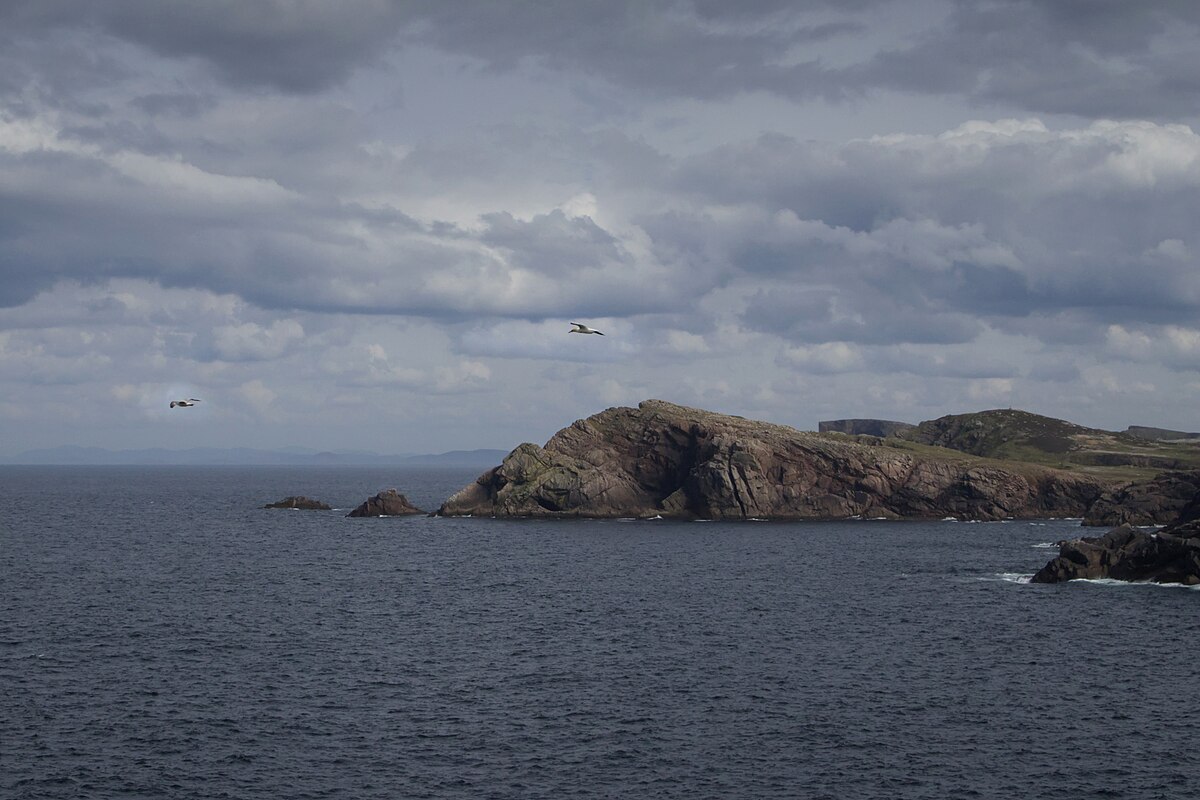
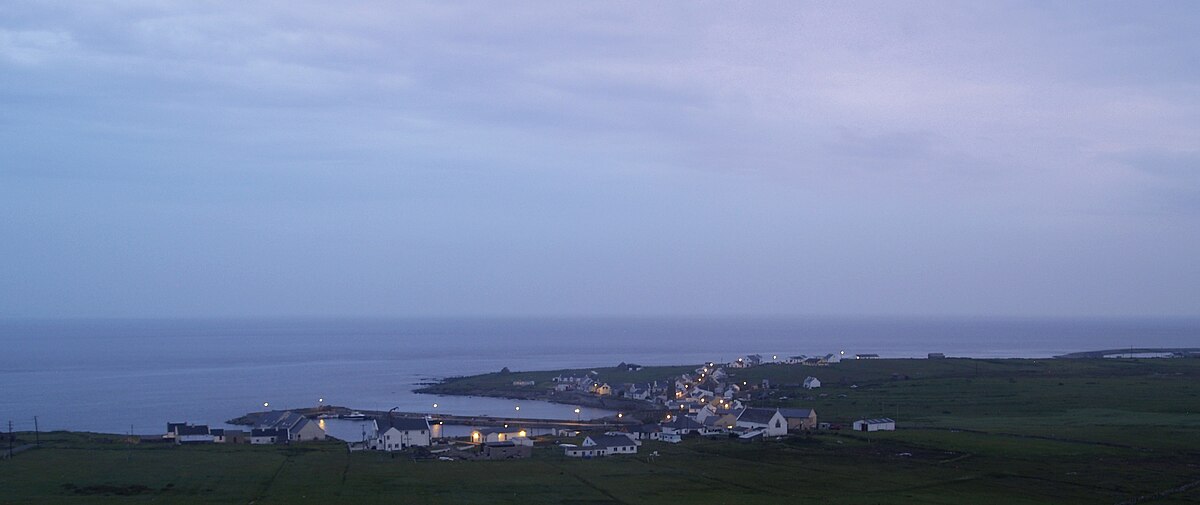
Franck became a full member of Magnum Photos in 1983, and her association with the agency endured for the rest of her career. Her Magnum work spanned an enormous range of subjects: landscapes in Ireland, Nepal, and Tory Island; portraits of artists including Marc Chagall, Balthus, and Jean-Paul Sartre; documentation of Buddhist monasteries in Asia; and extended projects on marginalised communities in France, including the elderly and isolated people supported by the charitable organisation Les Petits Frères des Pauvres.
Her work with Les Petits Frères des Pauvres, which spanned more than two decades, represents one of the most sustained photographic engagements with old age and loneliness in the history of the medium. Franck photographed the organisation's elderly residents with unfailing dignity, creating portraits that acknowledge the physical realities of ageing without reducing their subjects to objects of pity. The images are characterised by their tenderness, their attention to the small gestures and quiet moments that constitute daily life, and their refusal to look away from vulnerability.
Franck was also a gifted landscape photographer, and her images of the Irish coast, the landscapes of Nepal, and the gardens of France possess a quality of stillness and clarity that owes much to her art-historical training. She had an exceptional eye for the interplay of light and geometry, for the way a shadow could divide a wall into zones of meaning, or a reflection could double and transform a scene. Her famous photograph of a swimming pool in Le Brusc, with its geometric precision and playful ambiguity, demonstrates this gift at its most refined.
After Cartier-Bresson's death in 2004, Franck devoted much of her energy to establishing and running the Henri Cartier-Bresson Foundation in Paris, which she had co-founded with her husband in 2003 to preserve his archive and promote photography as an art form. The foundation became an important institution in the Parisian cultural landscape, and Franck's stewardship of it was widely admired.
Martine Franck died in Paris on 16 August 2012. Her legacy is that of a photographer who combined formal elegance with genuine social commitment, who made images of great beauty without sacrificing emotional or ethical depth, and who demonstrated that compassion and aesthetic rigour are not merely compatible but inseparable. Her work stands as a quiet rebuke to the notion that engaged photography must be rough, unfinished, or aesthetically compromised.