Mark Neville was born in London in 1966 and studied at the Royal College of Art and Goldsmiths, University of London, where he developed the socially engaged photographic practice that would distinguish his career. Unlike photographers who observe communities from the outside and exhibit the resulting images in galleries far removed from the lives they depict, Neville embeds himself in the places he photographs, often for months or years at a time, and makes the return of the finished work to its subjects an integral part of the project. His photographs are not extracted from communities but created in collaboration with them, and the books and prints he produces are distributed to the people depicted before they are shown in any art-world context.
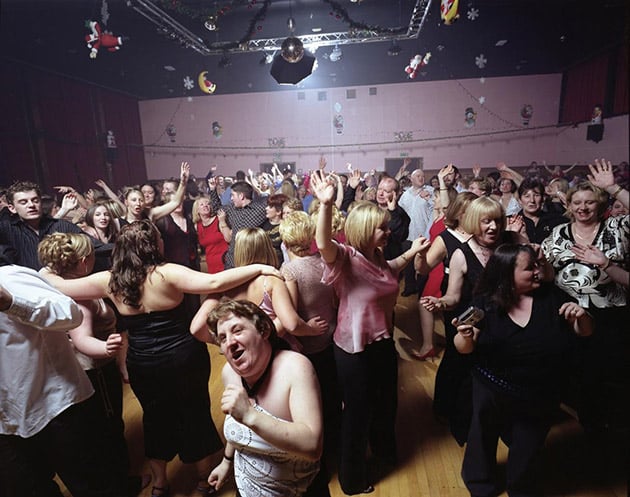
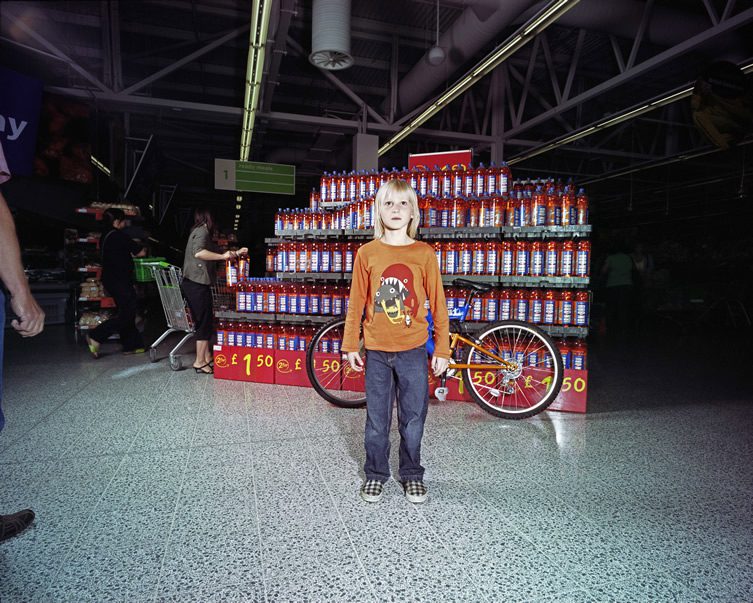
This approach was first fully realised in Fancy Pictures, Neville's landmark project in Port Glasgow, a town on the Clyde that had been devastated by the decline of the shipbuilding industry. Neville lived in Port Glasgow for an extended period between 2004 and 2007, photographing the town's residents, streets, interiors, and landscapes with a large-format camera and a pictorial quality that deliberately recalled the tradition of Dutch genre painting. The resulting book was produced to the highest standards of photographic printing and distributed free to every household in the town — some nine thousand copies — before any gallery exhibition took place.
The gesture was significant not merely as an act of generosity but as a philosophical statement about the purpose and audience of documentary photography. Neville argues that the conventional gallery-to-book pipeline of art photography serves the interests of collectors, curators, and the art market but does little for the communities that provide the raw material of the images. By reversing this order — by giving the work first to its subjects — he challenges the extractive dynamics that have troubled documentary photography since its inception.
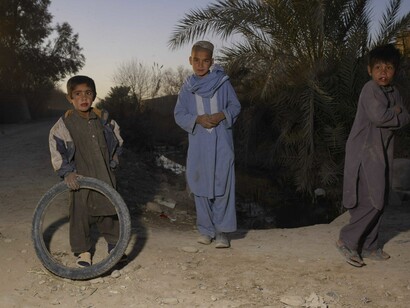
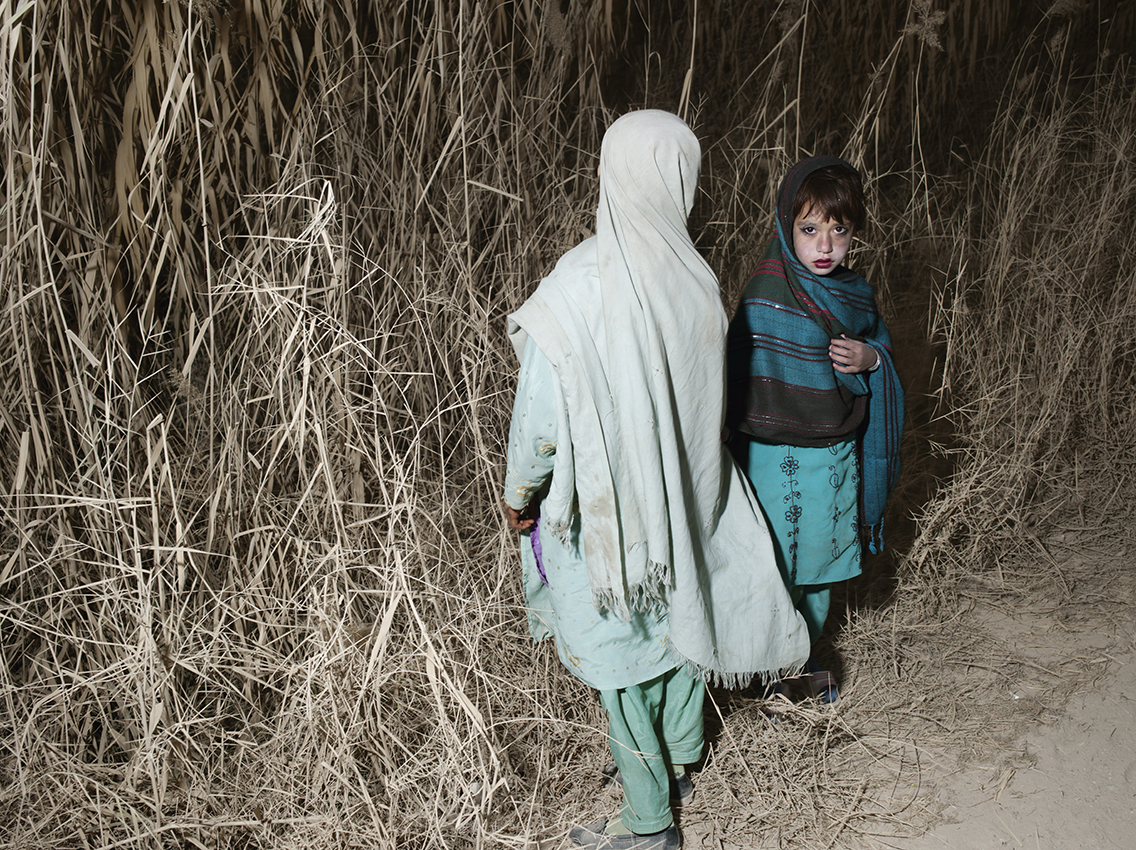
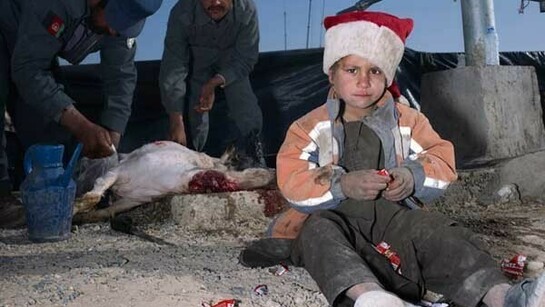
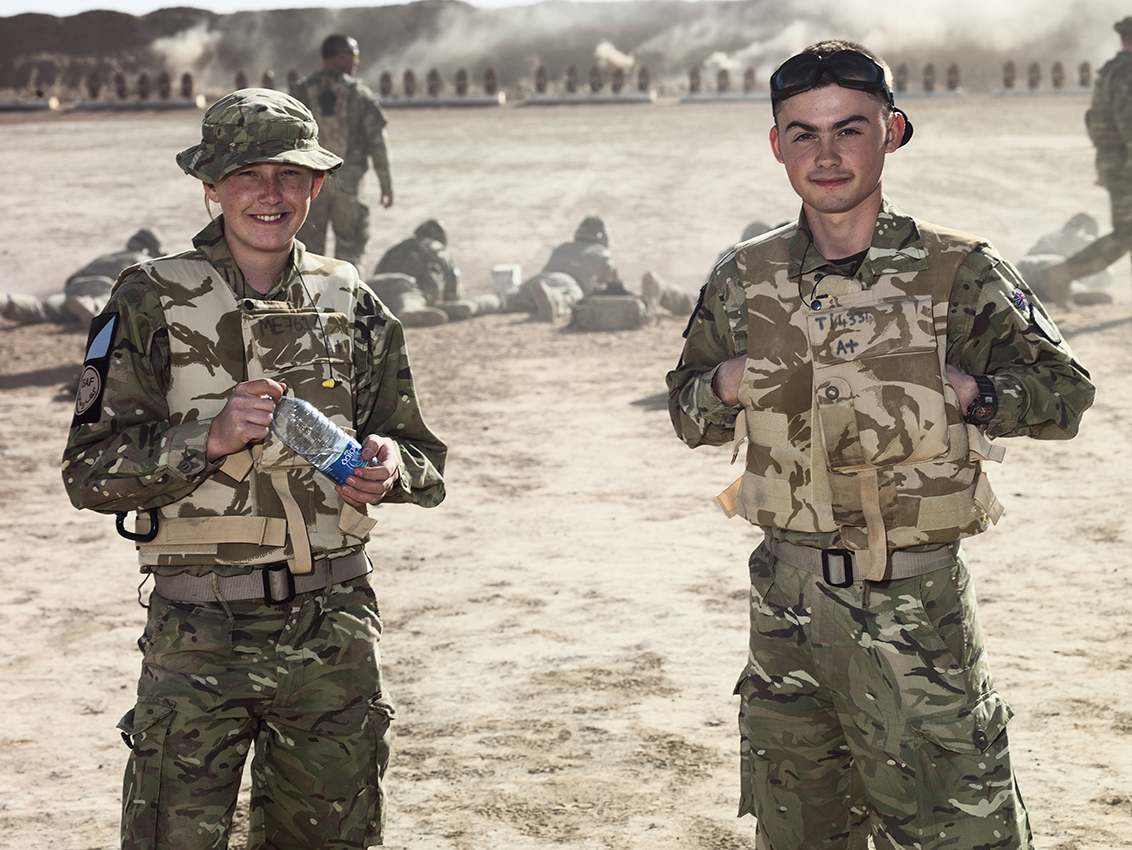
In 2010 and 2011, Neville was embedded with the 1st Battalion The Duke of Lancaster's Regiment in Helmand Province, Afghanistan, as part of a project that would become Battle Against Stigma. His remit was extraordinary: he was commissioned by the regiment's commanding officer to produce a photographic book that would help soldiers and their families recognise the symptoms of post-traumatic stress disorder. The resulting publication was distributed to every soldier in the battalion and their families, functioning not as an art object but as a tool for mental health awareness — a book that might literally save lives.
Neville's work in Afghanistan demonstrated his ability to operate in conditions of extreme difficulty while maintaining the visual quality and emotional complexity of his photographs. His images of soldiers at rest, on patrol, and in the aftermath of firefights possess a quietness and compositional rigour that distinguish them from the adrenaline-fuelled images of conventional war photography. They show war not as spectacle but as a condition of daily life, with all the boredom, anxiety, tenderness, and exhaustion that such a condition entails.
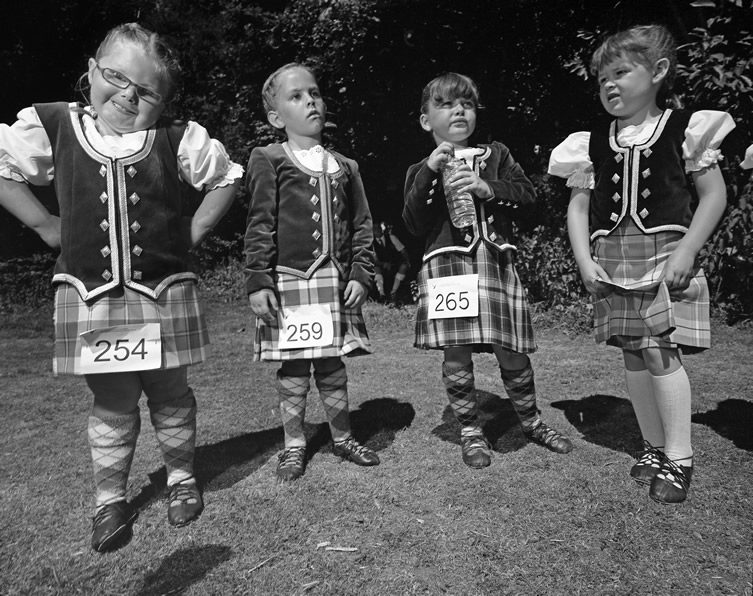
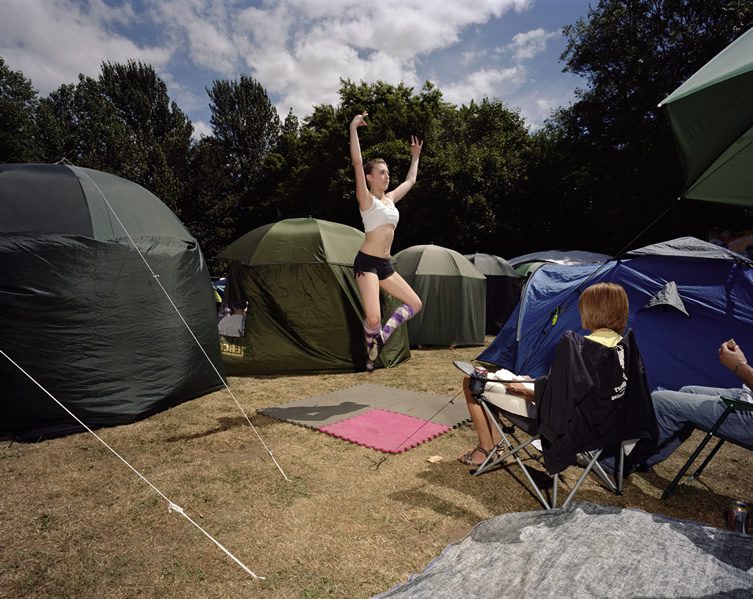
Subsequent projects have taken Neville to the Scottish Highlands for Deeds Not Words, a study of crofting communities and rural depopulation, and to various locations in the United Kingdom and beyond. His work has been exhibited at institutions including the Imperial War Museum, Barbican Art Gallery, Tate Britain, and the Venice Biennale. He has received numerous awards, including the Deutsche Börse Photography Foundation Prize nomination and the Rencontres d'Arles author book award.
Throughout his career, Neville has insisted that the aesthetic and the ethical dimensions of photography cannot be separated. His pictures are beautiful — carefully composed, printed with meticulous attention to tone and detail, and displayed with all the seriousness of fine art — but their beauty is always in the service of a social purpose. He rejects the notion that art and activism are incompatible, arguing instead that the most effective social photography is also the most visually compelling. In this he has few peers, and his influence on a younger generation of socially engaged photographers continues to grow.