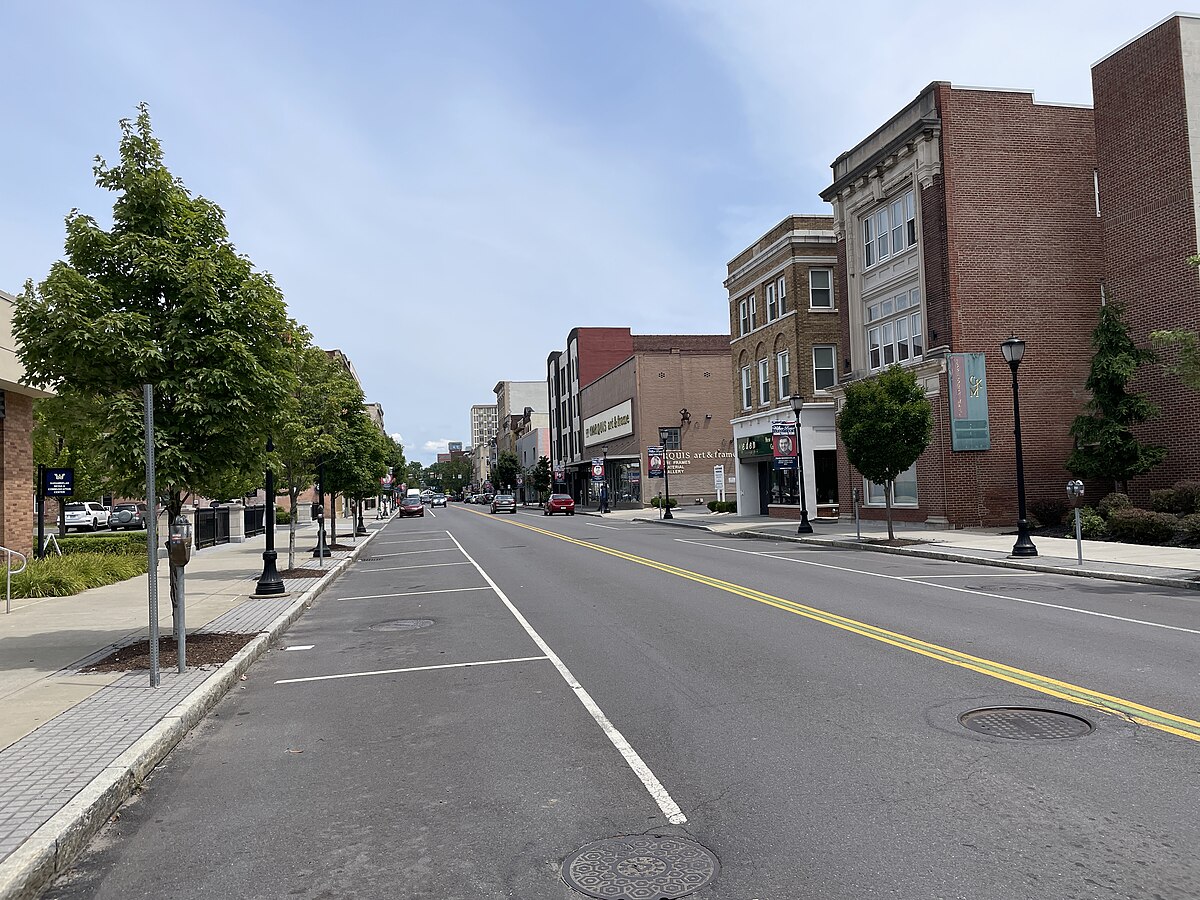
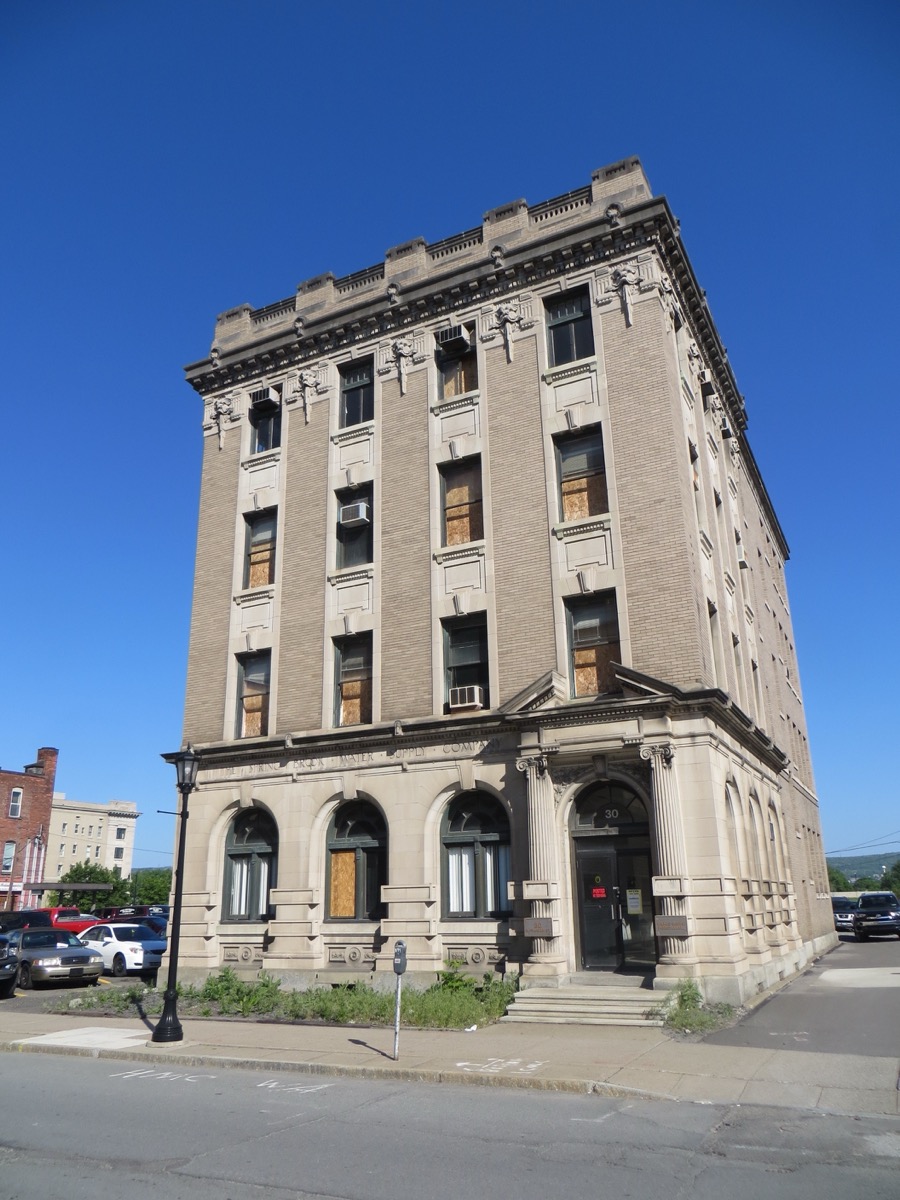
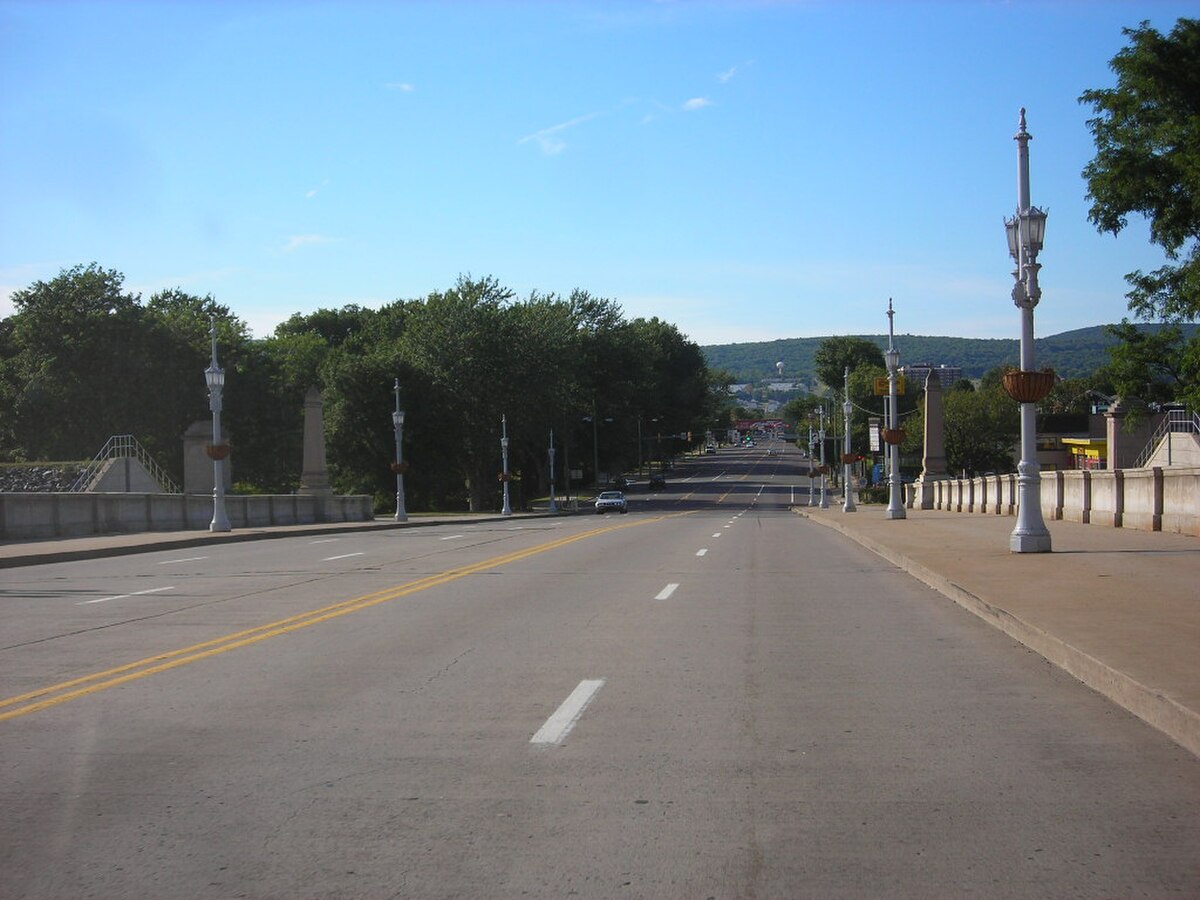
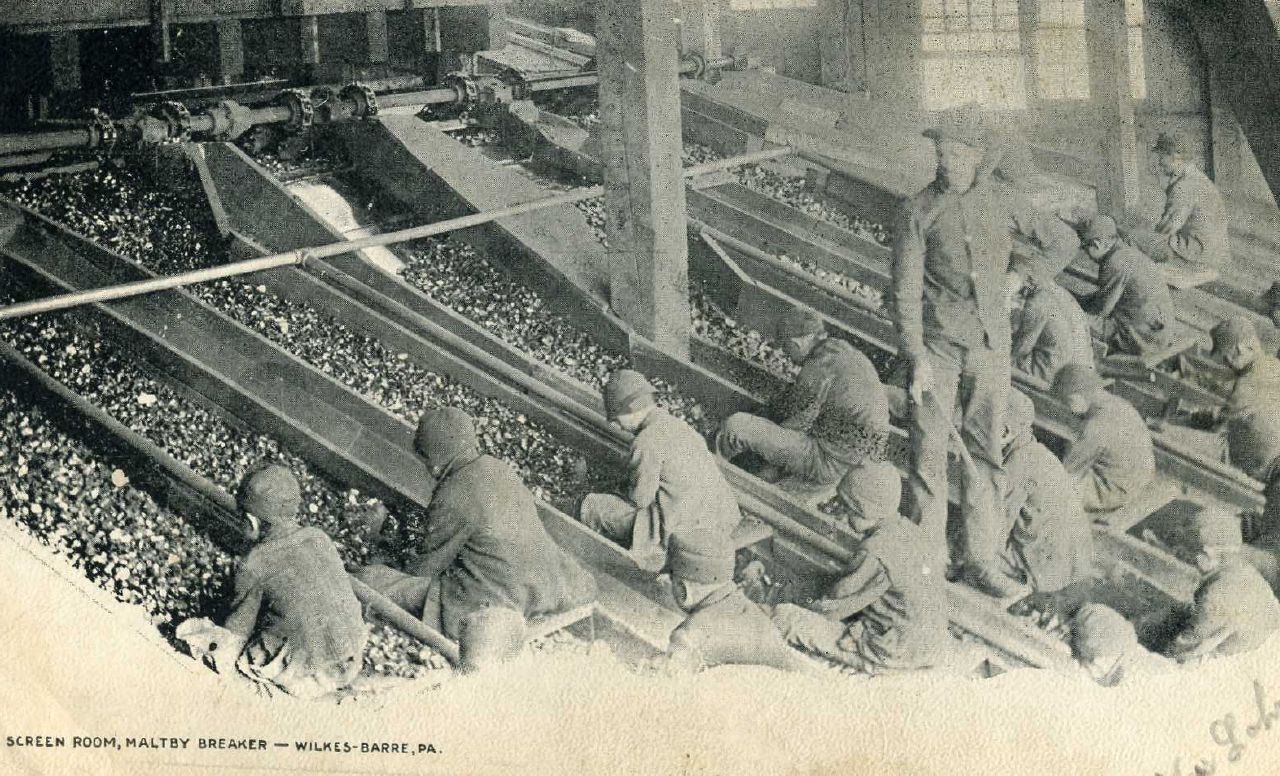
Mark Cohen was born in 1943 in Wilkes-Barre, Pennsylvania, a small industrial city in the coal-mining region of the northeastern part of the state. He has lived and worked there for virtually his entire life, a fact that distinguishes him from nearly every other photographer of comparable stature. While his contemporaries roamed the world in search of subjects, Cohen found an inexhaustible visual universe within the few square miles of his hometown — its cracked sidewalks, rusting fences, weedy vacant lots, and above all its people: children playing, teenagers loitering, workers moving through the unremarkable landscape of a declining American city.
Cohen began photographing seriously in the mid-1960s, initially working in a more conventional documentary mode. But by the early 1970s he had developed the radical approach that would define his career. Armed with a wide-angle lens and an on-camera flash, he began photographing strangers at extremely close range — sometimes within inches of their bodies — often without their knowledge or consent. The flash, fired in daylight, produced a harsh, forensic illumination that stripped away the soft ambient light of ordinary seeing and revealed textures, surfaces, and details with an almost violent clarity. The wide-angle lens distorted proportions and exaggerated the sense of proximity, creating images that felt less like photographs than like physical collisions between the camera and its subjects.
The results were startling. Cohen's photographs of the 1970s are populated by disembodied hands, isolated limbs, fragments of clothing, close-ups of skin and hair and fabric that dissolve the human body into a catalogue of textures and forms. Heads are cropped out of the frame; feet occupy the centre of the image; a child's belly fills the picture plane like an abstract composition. These are not portraits in any conventional sense. They are encounters — abrupt, uninvited, sometimes unsettling — that capture the shock of physical proximity in a culture that guards its personal space with fierce vigilance.
Cohen's work was championed early by Lee Friedlander, who recommended him to the gallerist and curator Thomas Barrow, and by the curator John Szarkowski at the Museum of Modern Art, who included Cohen's work in several important exhibitions in the 1970s. Szarkowski recognised in Cohen's photographs a new and radical extension of the street photography tradition, one that pushed the genre's inherent aggression and voyeurism to an extreme that made the work of Garry Winogrand or Bruce Gilden seem almost genteel by comparison.
Despite this early institutional recognition, Cohen remained a relatively marginal figure in the history of photography for decades. His decision to stay in Wilkes-Barre, far from the galleries and magazines of New York, contributed to a certain obscurity. So did the difficulty of his images, which resisted the narrative satisfactions of conventional street photography and offered no easy pleasures of wit or beauty. Cohen's photographs demand something more uncomfortable from the viewer: a confrontation with the raw, unmediated fact of other people's bodies, seen at a distance that is both intimate and invasive.
A significant reassessment of Cohen's work began in the early 2000s, driven in part by European curators and publishers who recognised his importance to the history of the medium. The publication of several major monographs, including Grim Street and Dark Knees, brought his photographs to a new audience and prompted a reappraisal of his influence on subsequent generations of street photographers. The aggressive, flash-lit, close-range style that Cohen pioneered can now be seen as a precursor to the work of photographers such as Martin Parr, Boris Mikhailov, and Ren Hang.