Man Ray was born Emmanuel Radnitzky in Philadelphia in 1890, the eldest child of Russian-Jewish immigrants who had recently arrived in the United States. The family moved to Brooklyn when he was seven, and it was in New York that the young Emmanuel — who would adopt the name Man Ray around 1912 — first encountered the ferment of modern art. He studied drawing and attended lectures at the National Academy of Design and the Ferrer Center, an anarchist school where he was exposed to radical politics and avant-garde aesthetics in equal measure. His early paintings showed the influence of Cubism and Expressionism, but it was his encounter with Marcel Duchamp, who arrived in New York in 1915, that proved the decisive turning point in his artistic life.
Duchamp introduced Man Ray to the provocations of Dada — the idea that art could be made from anything, that the boundaries between painting, sculpture, and photography were arbitrary conventions to be gleefully demolished. Together with Duchamp and the collector Katherine Dreier, Man Ray helped found the Société Anonyme in 1920, one of the first organisations dedicated to promoting modern art in America. But New York's cultural scene felt provincial compared to the revolutions underway in Europe, and in 1921 Man Ray sailed for Paris, where he would live for most of the next two decades.
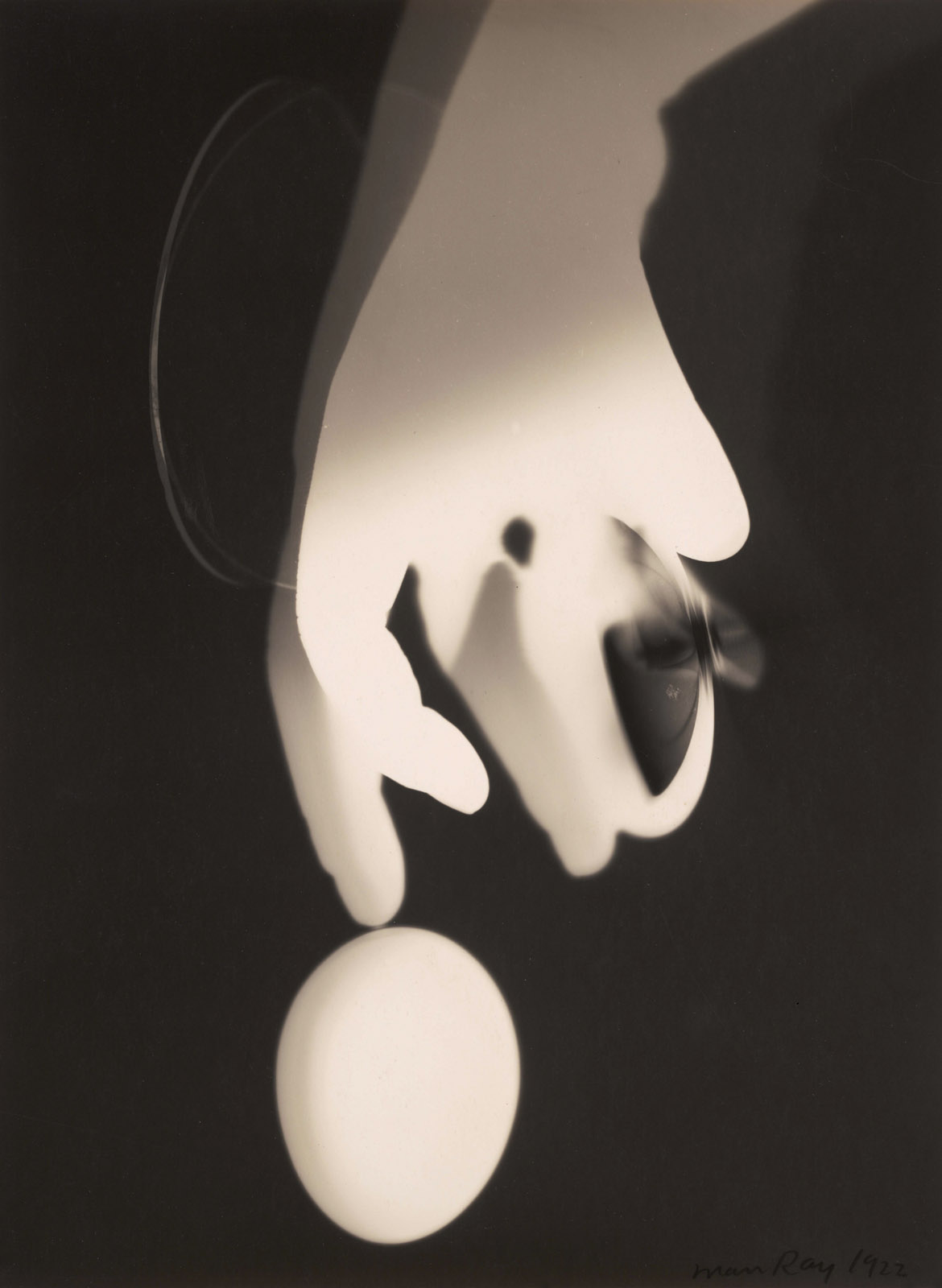
It was in Paris that Man Ray discovered the medium that would make him famous. He had been using a camera since around 1915, initially to document his paintings and sculptures, but in the early 1920s he began to explore photography as an art form in its own right. His most celebrated innovation was the rayograph — a cameraless photograph made by placing objects directly on sensitised paper and exposing them to light. The resulting images, with their ghostly silhouettes and ethereal luminosities, enchanted the Surrealists, who saw in them a visual equivalent of automatic writing: images produced without the intervention of conventional technique, as if conjured directly from the unconscious.
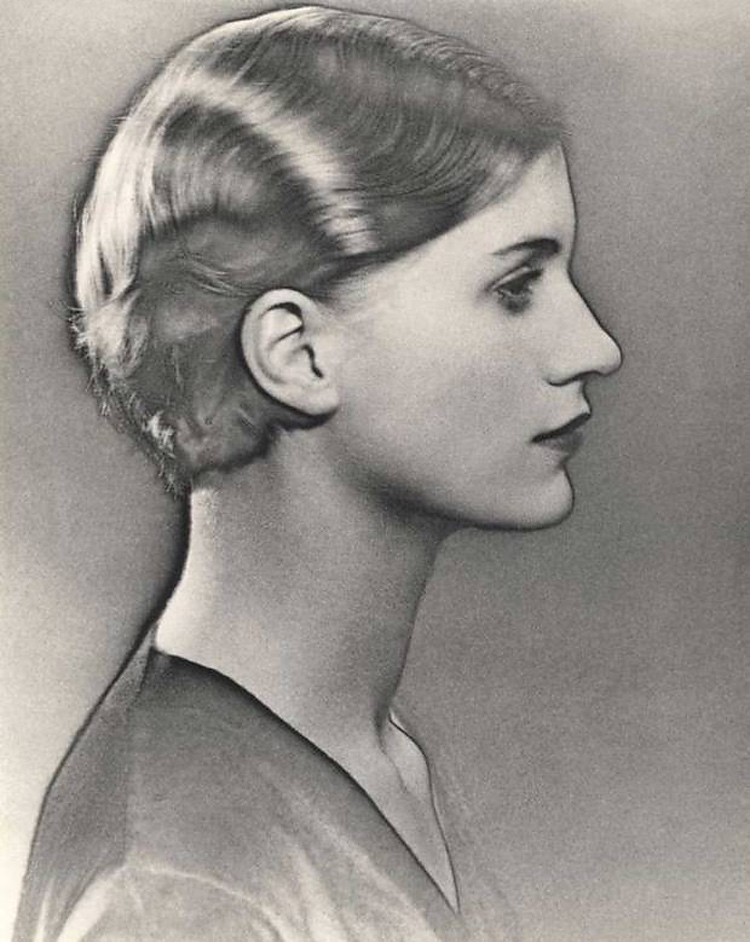
Man Ray's other great technical contribution was the refinement of solarisation, a process in which a photographic print or negative is briefly re-exposed to light during development, producing a partial reversal of tones and a distinctive dark outline around forms. Working with his assistant and lover Lee Miller — who claimed to have accidentally discovered the effect in his darkroom — Man Ray used solarisation to create portraits and nudes of extraordinary strangeness, in which the human body seems to hover between the material and the spectral, between flesh and light.
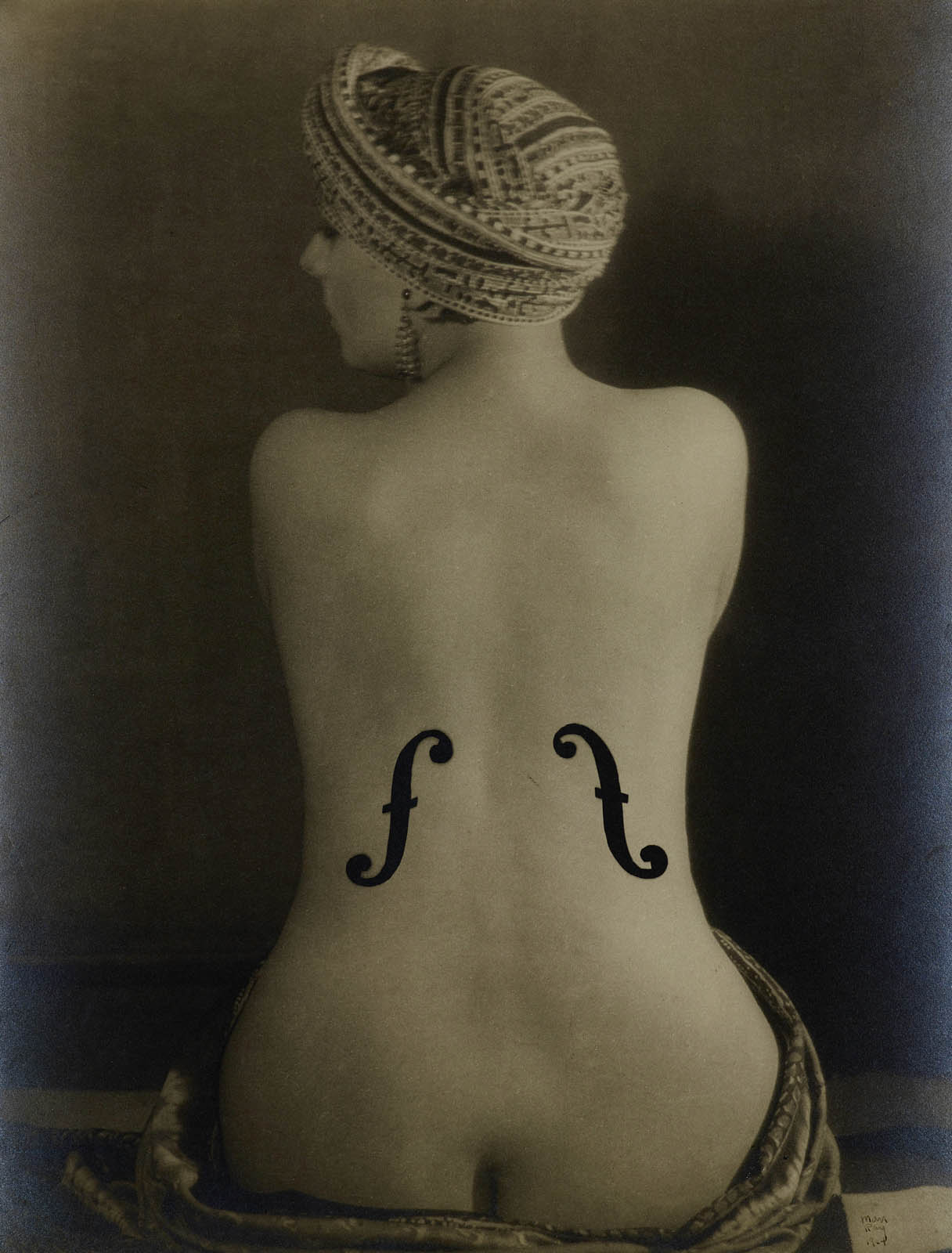
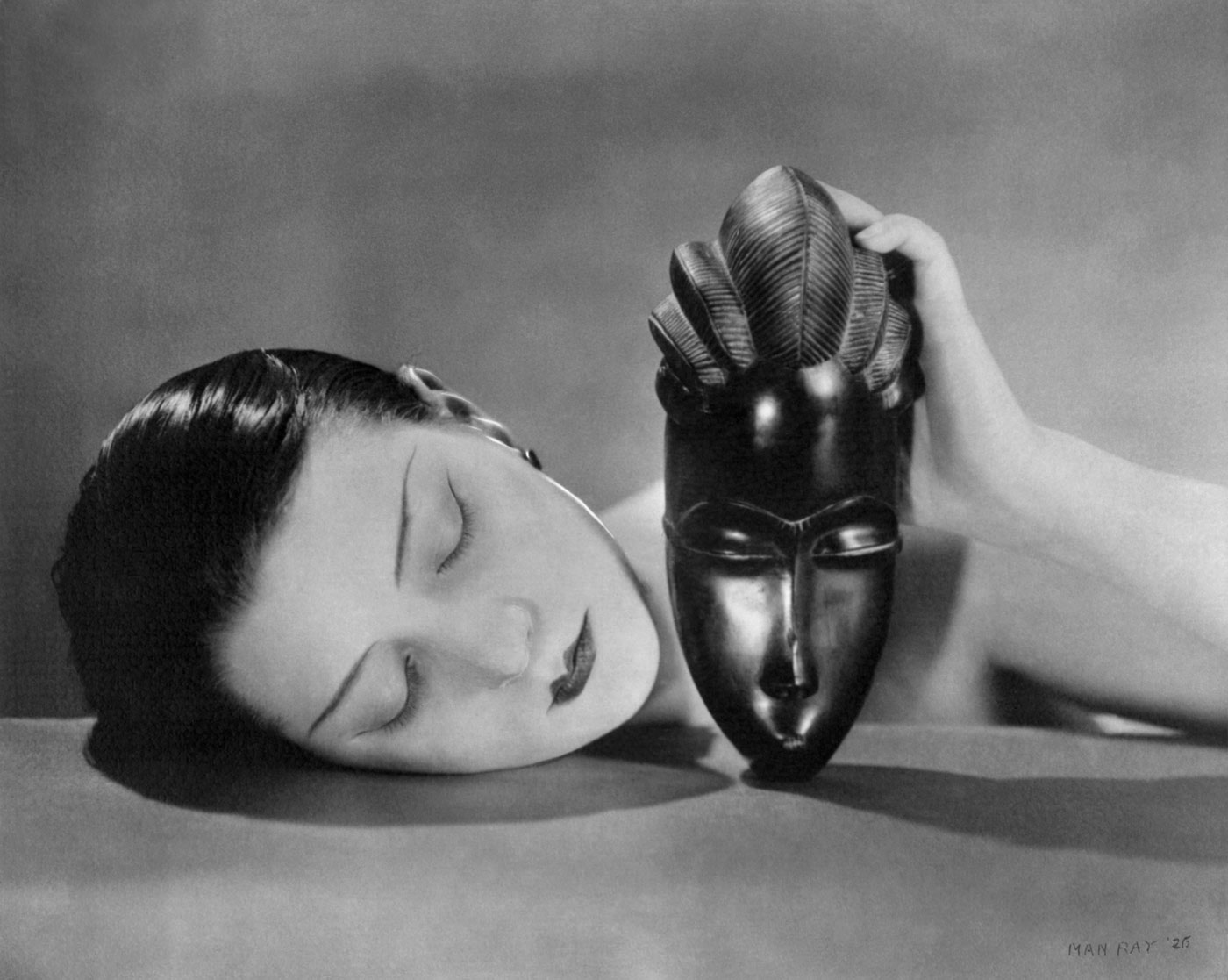
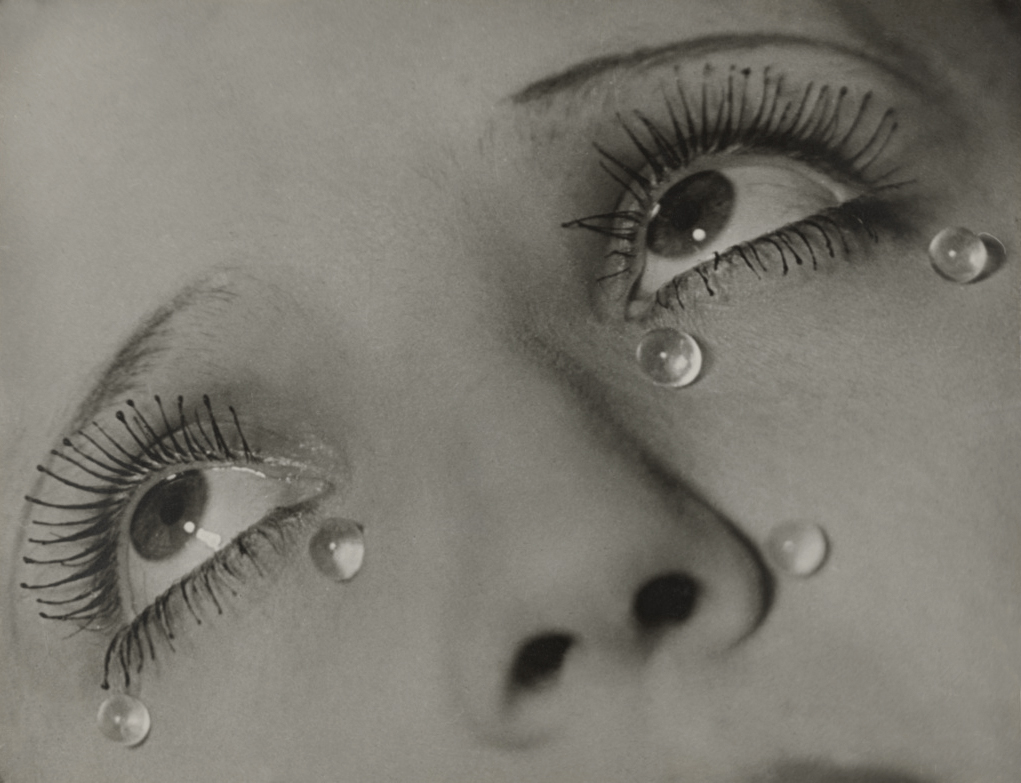
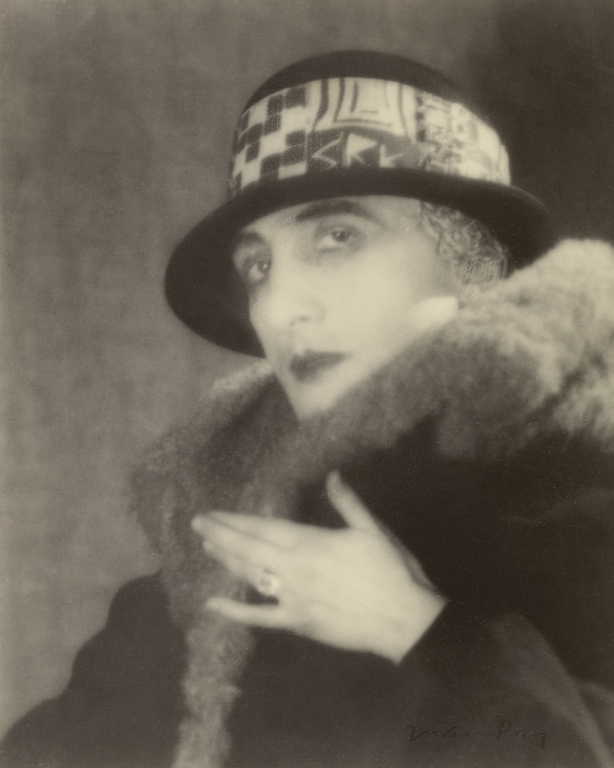
Beyond his experimental work, Man Ray was one of the finest portrait photographers of his era. His studio in the rue Campagne-Première became a gathering place for the Parisian avant-garde, and he photographed virtually every significant artist and writer of the period: Picasso, Matisse, James Joyce, Gertrude Stein, Salvador Dalí, Jean Cocteau, and scores of others. His fashion photography for magazines such as Vogue and Vanity Fair brought Surrealist aesthetics into the commercial mainstream, proving that avant-garde vision and popular culture could enrich each other.
When the German occupation of Paris forced Man Ray to flee in 1940, he settled in Hollywood, where he spent eleven years painting, teaching, and continuing to experiment. He returned to Paris in 1951 and remained there until his death in 1976, still working, still inventing. Throughout his career he resisted being categorised as a photographer, insisting that he was a painter who used the camera, or simply an artist who employed whatever medium served his purpose. This refusal of specialisation was central to his significance: he demonstrated, more forcefully than any artist of his generation, that the photograph was not merely a record of the visible world but a tool for the creation of new realities.
Man Ray's legacy extends far beyond the specific techniques he pioneered. His insistence that photography could be an art of the imagination rather than an art of documentation helped to liberate the medium from its subordination to the real. The rayograph anticipated the photogram experiments of László Moholy-Nagy and the chemigrams of Pierre Cordier. His fashion and portrait work established a template that photographers from Irving Penn to Helmut Newton would elaborate. And his lifelong collaboration with Duchamp laid the groundwork for the conceptual art movements that would dominate the second half of the twentieth century.
He died in Paris on 18 November 1976 and was buried in the Cimetière du Montparnasse. His epitaph, which he composed himself, reads: Unconcerned, but not indifferent — a phrase that captures perfectly the stance of an artist who spent six decades making work that was at once playful and profoundly serious, technically innovative and emotionally resonant, rooted in the avant-garde and accessible to the wider world.