Lua Ribeira was born in Barcelona in 1986 and grew up in a city whose own traditions of street festival and communal spectacle would later find deep resonance in her photographic work. She studied fine art at the University of Barcelona before moving to the United Kingdom, where she completed a master's degree in documentary photography at the University of South Wales in Newport. It was in Wales that she began to develop the distinctive approach that would set her apart from more conventional documentary practitioners: an immersive, embodied style of image-making in which the photographer is not a detached observer but an active participant in the events she records.
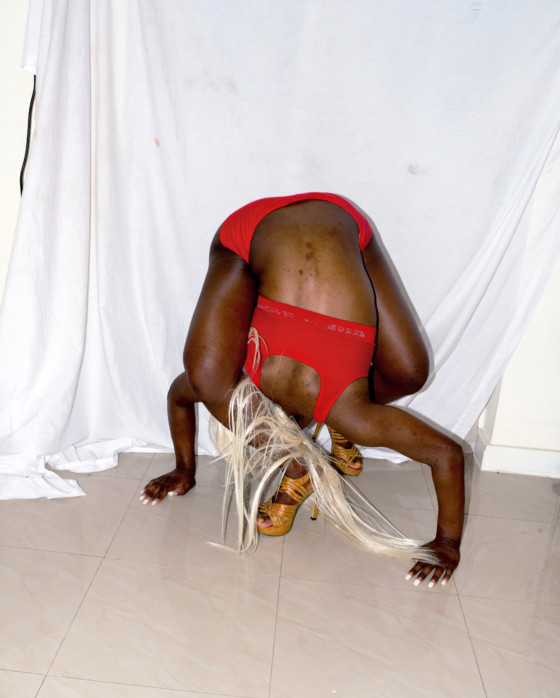
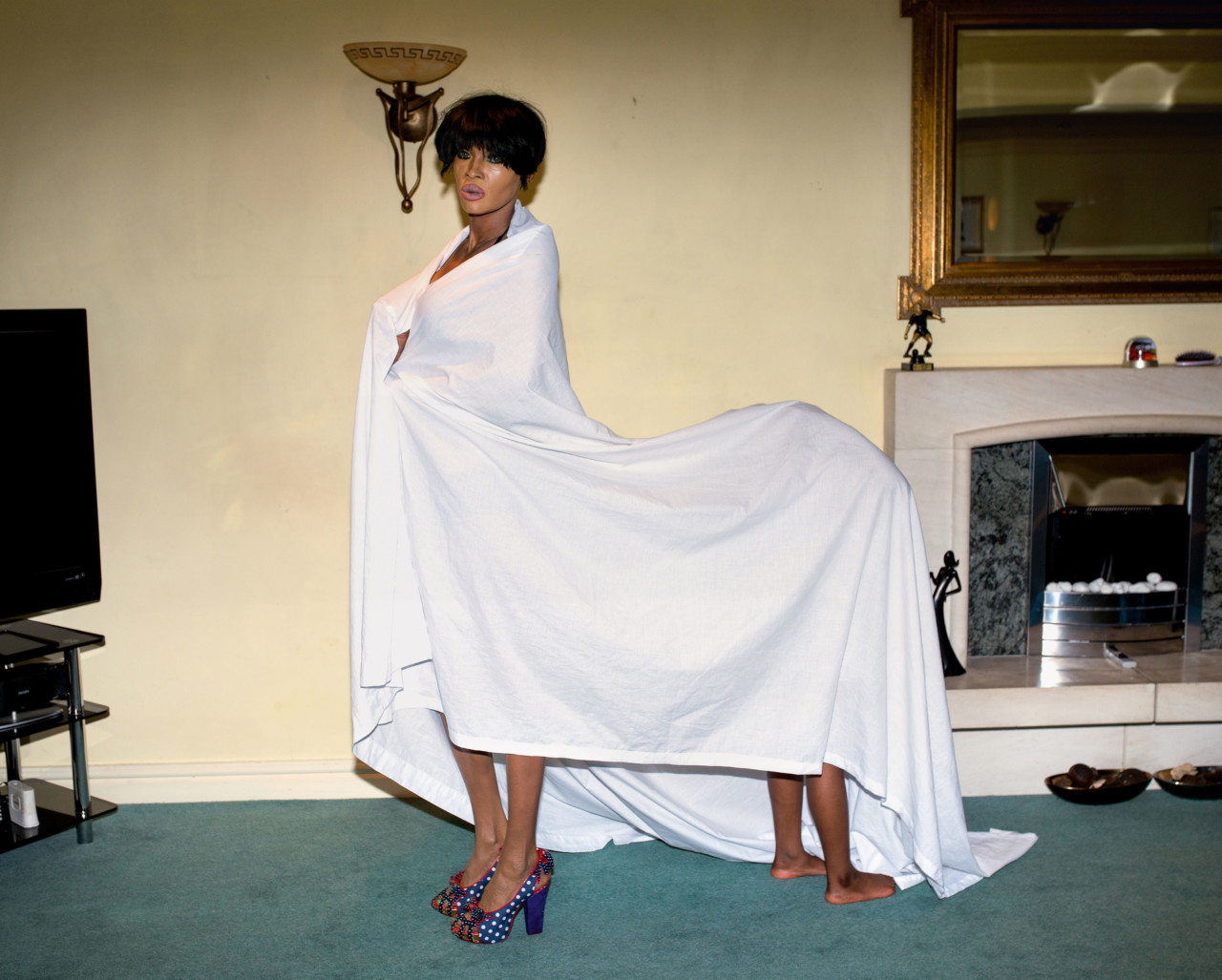
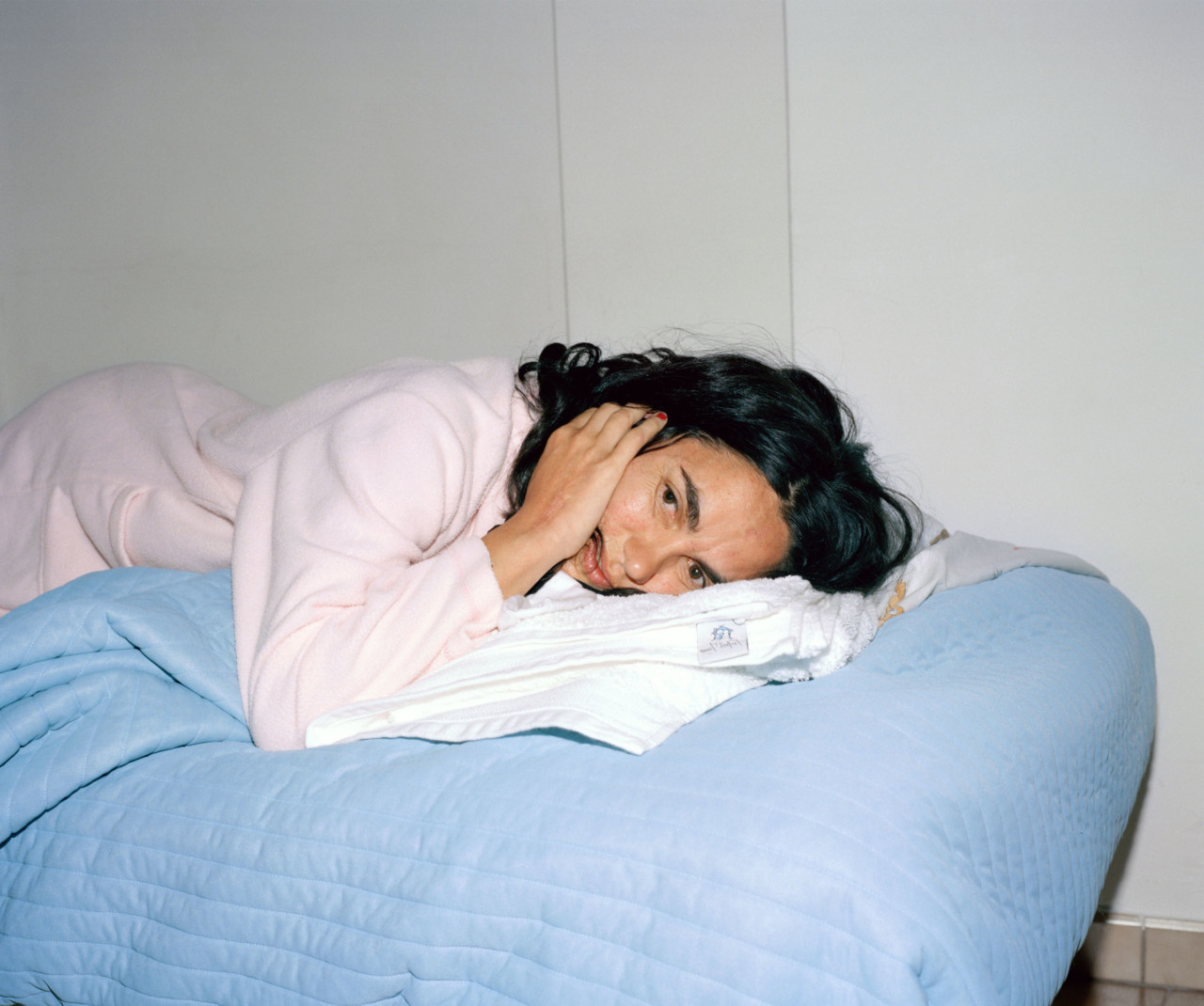
Ribeira's early work in the UK focused on marginalised and subcultural communities, particularly the nightlife and club scenes of London and other British cities. Her series You Again documented the lives of people she encountered in after-hours clubs, squats, and underground music venues, building relationships over extended periods of time. The images from this body of work are characterised by their closeness — both physical and emotional — to their subjects. Ribeira uses flash and colour with a boldness that recalls the work of photographers like Anders Petersen and Nan Goldin, but her images possess a tactile, almost sculptural quality that is distinctly her own.
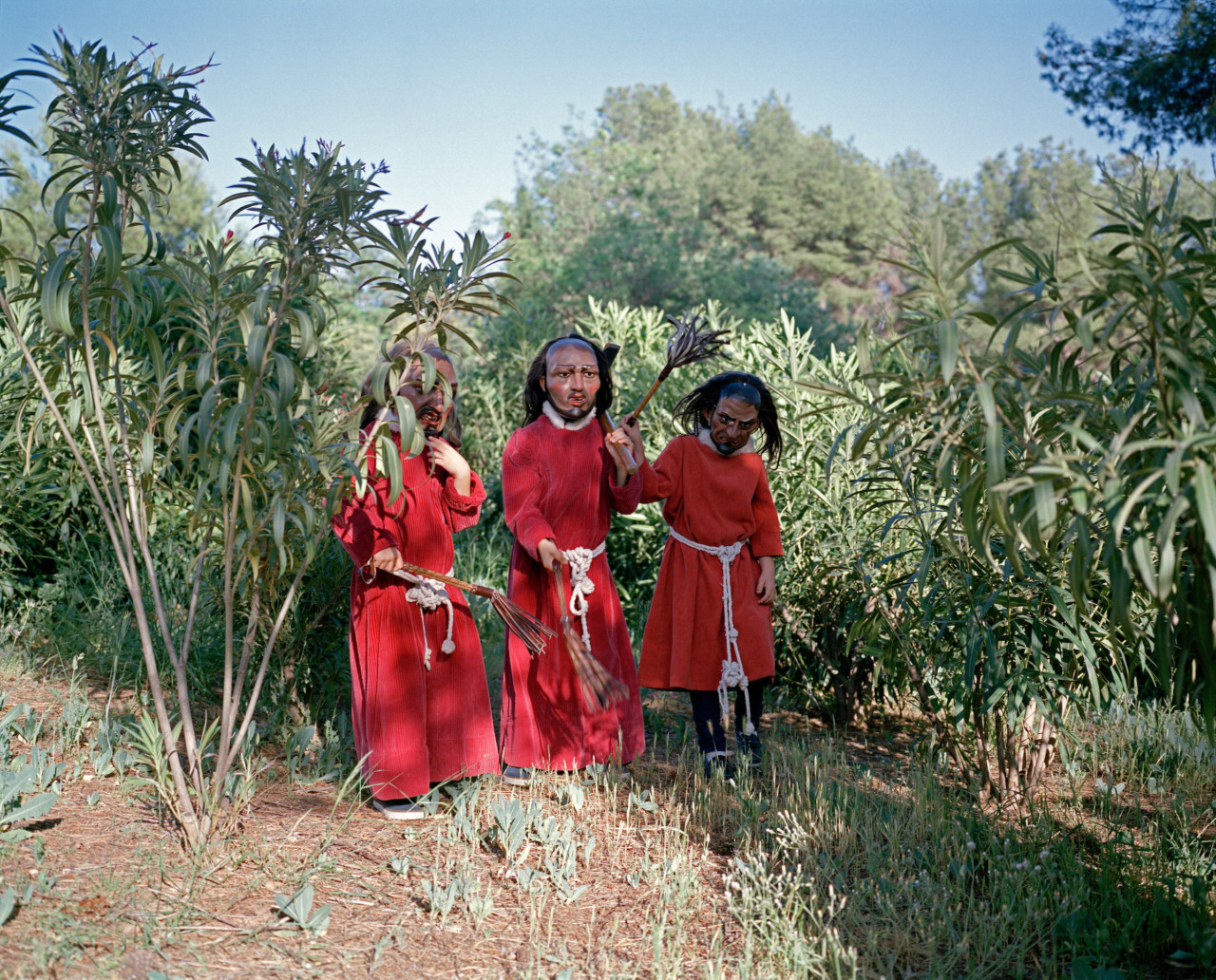
The project that brought Ribeira widespread international attention was Masku, a multi-year investigation into carnival traditions across Europe. Beginning around 2016, she travelled to carnivals in Belgium, Switzerland, Shetland, the Basque Country, and northern France, embedding herself in communities that maintain ancient rituals of masking, fire, noise, and collective transgression. The resulting photographs are extraordinary in their visceral intensity: figures in elaborate costumes and grotesque masks surge through streets thick with smoke and confetti, their bodies caught in states of ecstatic abandon that seem to belong as much to pagan ritual as to contemporary celebration.
What distinguishes Masku from conventional documentary coverage of European folk traditions is Ribeira's refusal to adopt the position of the ethnographic outsider. She does not observe carnival from behind a barrier; she plunges into it. Her camera is in the thick of the action, jostled and pressed against bodies, catching moments of chaotic beauty that a more cautious approach would never capture. The images are often blurred, tilted, or partially obscured, and it is precisely these qualities — marks of physical engagement rather than technical failure — that give them their extraordinary power. They convey the sensory overload of carnival: the noise, the heat, the press of bodies, the disorientation of masking.
In 2020, Ribeira was nominated to Magnum Photos, one of the youngest photographers to receive the distinction and a recognition of the originality and rigour of her practice. Her nomination signalled Magnum's growing interest in photographers who push the boundaries of documentary convention, who challenge the assumption that the camera must maintain a respectful distance from its subjects. Ribeira's work argues precisely the opposite: that the most truthful images sometimes come from the greatest proximity, from a willingness to be inside the event rather than looking at it from outside.
Ribeira's practice extends beyond the still image into installation, bookmaking, and collaborative projects with the communities she photographs. She has spoken frequently about the ethical dimensions of her work, about the importance of reciprocity and trust in the relationships she builds with her subjects. Her approach to consent is not the bureaucratic model of signed release forms but something more organic and ongoing: a negotiation that continues throughout the life of a project and beyond. This commitment to ethical practice has made her an important voice in contemporary debates about the responsibilities of the documentary photographer.
Her work has been exhibited at institutions including Foam Amsterdam, the Format International Photography Festival, and the Martin Parr Foundation in Bristol. She has received numerous awards and grants, including support from the Magnum Foundation and the National Geographic Society. Her photographs have been published widely in magazines and newspapers including The Guardian, The New York Times Magazine, and the British Journal of Photography, which named her one of the most exciting emerging photographers of her generation.
Ribeira continues to be based in the United Kingdom, working on long-term projects that explore the intersection of ritual, community, and the body. Her influence on a new generation of documentary photographers is already visible in the increasing number of practitioners who reject the detached, fly-on-the-wall model of photojournalism in favour of something more participatory and physically committed. In Ribeira's work, the photograph is not a window onto a distant scene but a trace of a shared experience — evidence not just of what was seen but of what was felt, endured, and celebrated together.