Louise Dahl-Wolfe was born in 1895 in Alameda, California, across the bay from San Francisco, into a family of Norwegian descent. She grew up in a household that valued the arts, and after graduating from high school she enrolled at the California School of Fine Arts (later the San Francisco Art Institute), where she studied design, colour theory, and painting with instructors who introduced her to the principles of composition and the expressive possibilities of colour. It was an education that would prove foundational to everything that followed, for Dahl-Wolfe approached photography not as a technician but as a painter — with an instinctive understanding of how colour, light, and spatial arrangement could be orchestrated to create images of grace and intelligence.
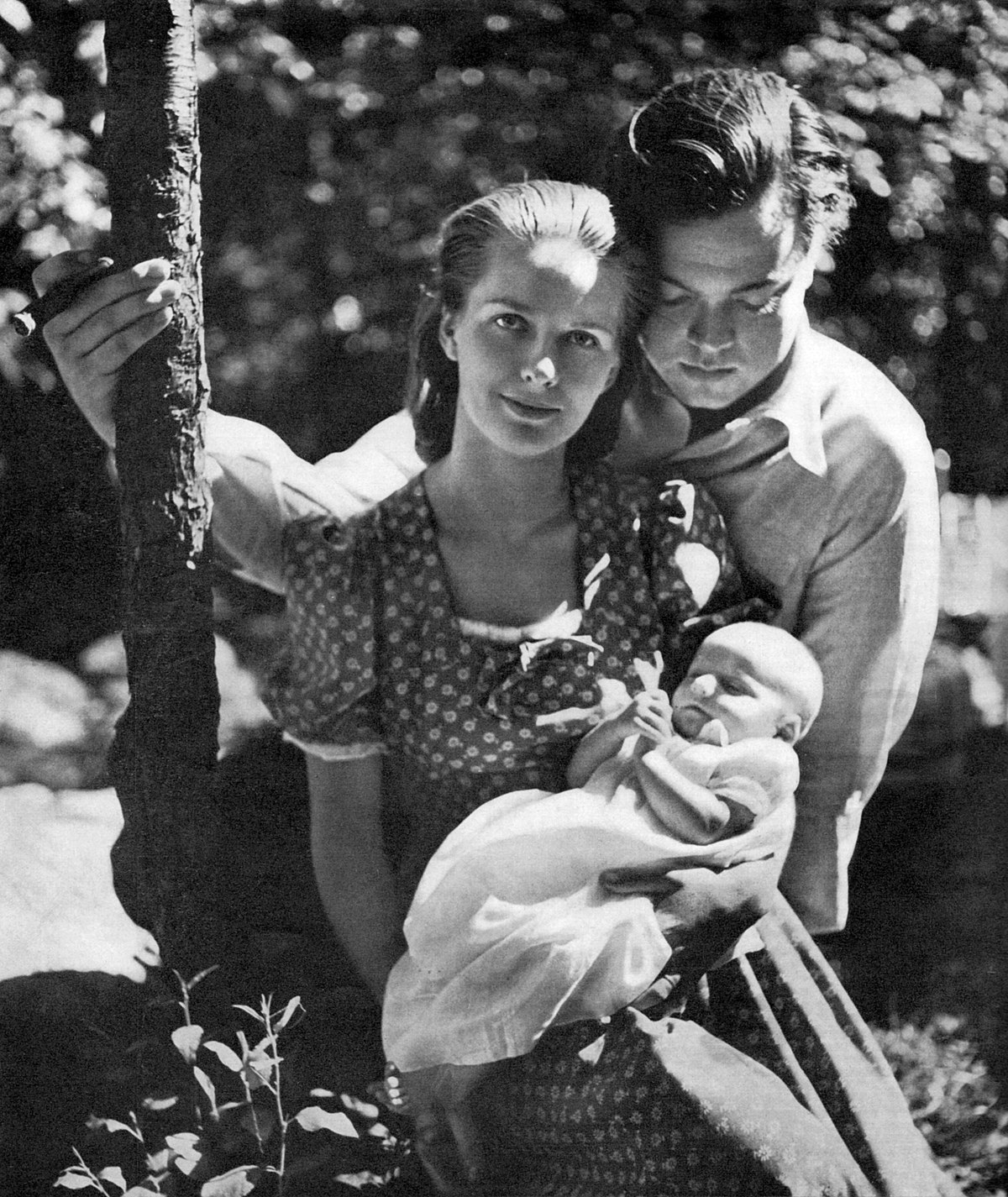
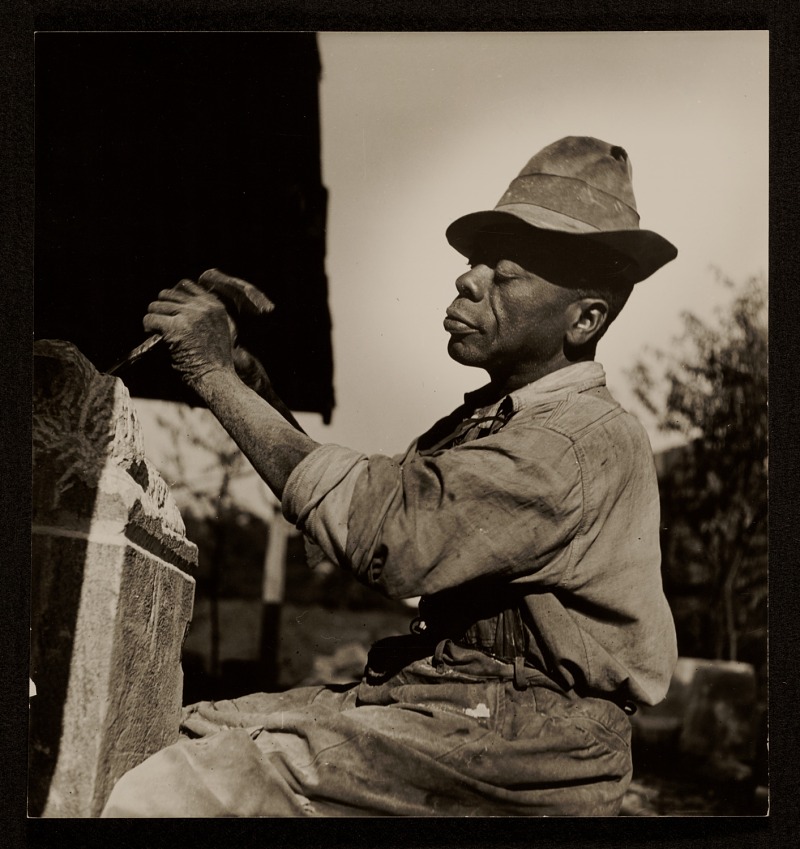
After art school, she worked briefly in interior design and decorating before turning seriously to photography in the late 1920s. A trip to Europe in 1927 introduced her to the work of the modern European painters and to the possibilities of travel as a source of visual inspiration. On returning to California, she met the painter Meyer (Mike) Wolfe, whom she married in 1928, and the couple settled in the mountains of Tennessee, where Dahl-Wolfe produced a remarkable body of documentary photographs of rural life in the Smoky Mountains. These early images, made with natural light and an unerring eye for the beauty of ordinary settings, already displayed the qualities that would distinguish her fashion work: a preference for available light over studio flash, an attention to the relationship between subject and environment, and a palette that seemed to breathe with warmth and life.
In 1933, Dahl-Wolfe moved to New York and began freelancing for fashion publications. Her breakthrough came in 1936 when she was hired by Carmel Snow, the editor of Harper's Bazaar, and Alexey Brodovitch, the magazine's legendary art director. The partnership with Snow and Brodovitch would last for twenty-two years and produce some of the most influential fashion photography of the twentieth century. Brodovitch, who had a genius for layout and an insistence on visual innovation, recognised in Dahl-Wolfe a photographer who shared his belief that fashion photography could be art — that it could aspire to the visual sophistication of painting while remaining functional as commercial work.
Dahl-Wolfe's innovations at Harper's Bazaar were numerous and consequential. She was among the first fashion photographers to take models out of the studio and into natural settings — on beaches, in gardens, against architectural backgrounds, in exotic locations from North Africa to Japan. She used natural and reflected light where her contemporaries relied on heavy studio flash, producing images with a luminosity and subtlety of tone that looked nothing like the flat, bright work that dominated the fashion magazines of the era. Her colour work, in particular, was revolutionary: she had studied colour theory with the care of a painter, and her photographs for Bazaar demonstrated an understanding of colour harmony, contrast, and mood that set new standards for the industry.
During her two decades at Harper's Bazaar, Dahl-Wolfe produced eighty-six covers and countless editorial spreads. Her portrait of a young Lauren Bacall taken at the Gotham Hotel in 1943 — which appeared on the magazine's cover and was seen by the director Howard Hawks, who subsequently cast Bacall in her first film — became one of the most famous magazine photographs in history. She photographed the great couture houses of Paris, the collections of Balenciaga, Dior, and Grès, with a sensitivity to fabric, form, and movement that elevated commercial fashion photography to the level of fine art.
Dahl-Wolfe retired from Harper's Bazaar in 1958, shortly after the departure of Carmel Snow, and worked briefly for Vogue and Sports Illustrated before withdrawing from commercial photography. She spent her later years in New Jersey, largely forgotten by the fashion industry, until a major retrospective at the Fashion Institute of Technology in 1984 restored her to her rightful place in the history of the medium. She died in 1989 at the age of ninety-four.
Her legacy is immense. Dahl-Wolfe's innovations in natural-light colour photography, location shooting, and the treatment of the fashion model as a subject of genuine psychological interest rather than a mere clothes hanger influenced every subsequent generation of fashion photographers. Richard Avedon, who began his career at Harper's Bazaar during Dahl-Wolfe's tenure, acknowledged her as a formative influence. Her work demonstrated that fashion photography, at its best, could be a form of visual art equal in sophistication and intelligence to any other — a lesson that the medium continues to learn from her example.