Louis Pierson was born in 1822 in Hinckange, in the Moselle region of northeastern France. He came to photography through the commercial portrait trade, establishing himself in Paris during the 1840s and 1850s as the medium was transforming from scientific novelty to cultural phenomenon. By the mid-1850s, he was a partner in the prestigious studio of Mayer & Pierson, one of the most fashionable photographic establishments in the French capital, patronised by the aristocracy, the haute bourgeoisie, and the imperial court of Napoleon III. The studio produced carte-de-visite portraits, the small albumen prints that had become the social currency of the Second Empire, and Pierson developed a reputation for technical excellence and an ability to flatter his sitters while maintaining a certain psychological acuity.
It was through the studio's connection to the imperial court that Pierson encountered the figure who would transform his career and secure his place in photographic history: Virginia Oldoini, Countess de Castiglione. Born in Florence in 1837, the Countess had arrived in Paris in 1856, reportedly sent by the Italian statesman Cavour to use her celebrated beauty to influence Napoleon III in favour of Italian unification. Whether or not this political mission was real or embroidered by legend, the Countess quickly became one of the most talked-about women in Parisian society — renowned for her extraordinary beauty, her extravagant costumes, and her imperious, theatrical personality.
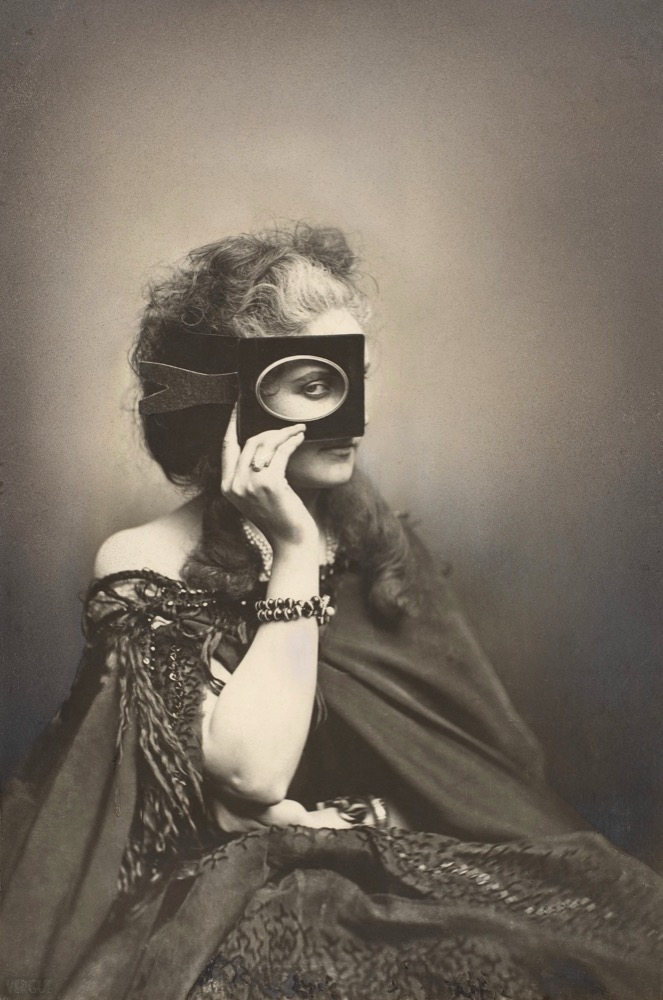
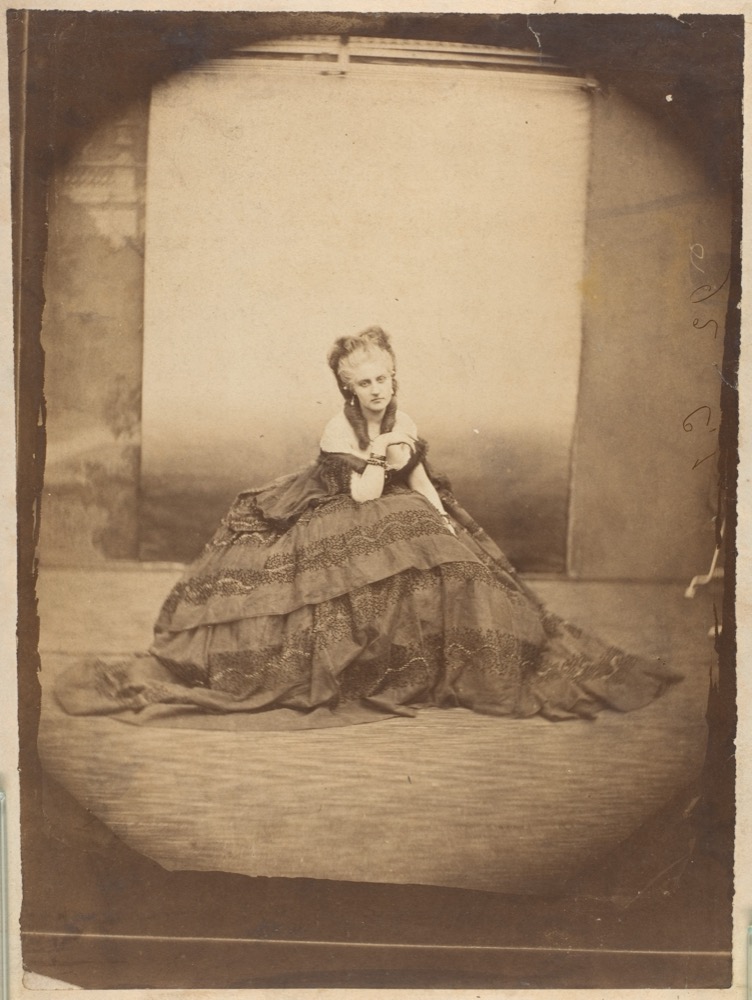
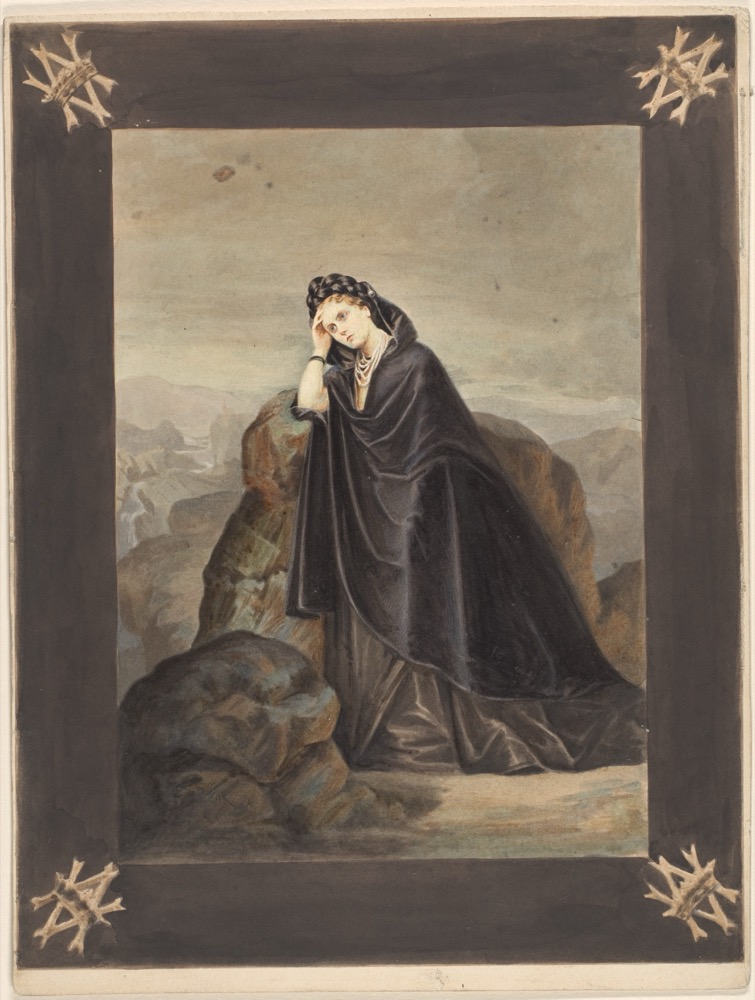
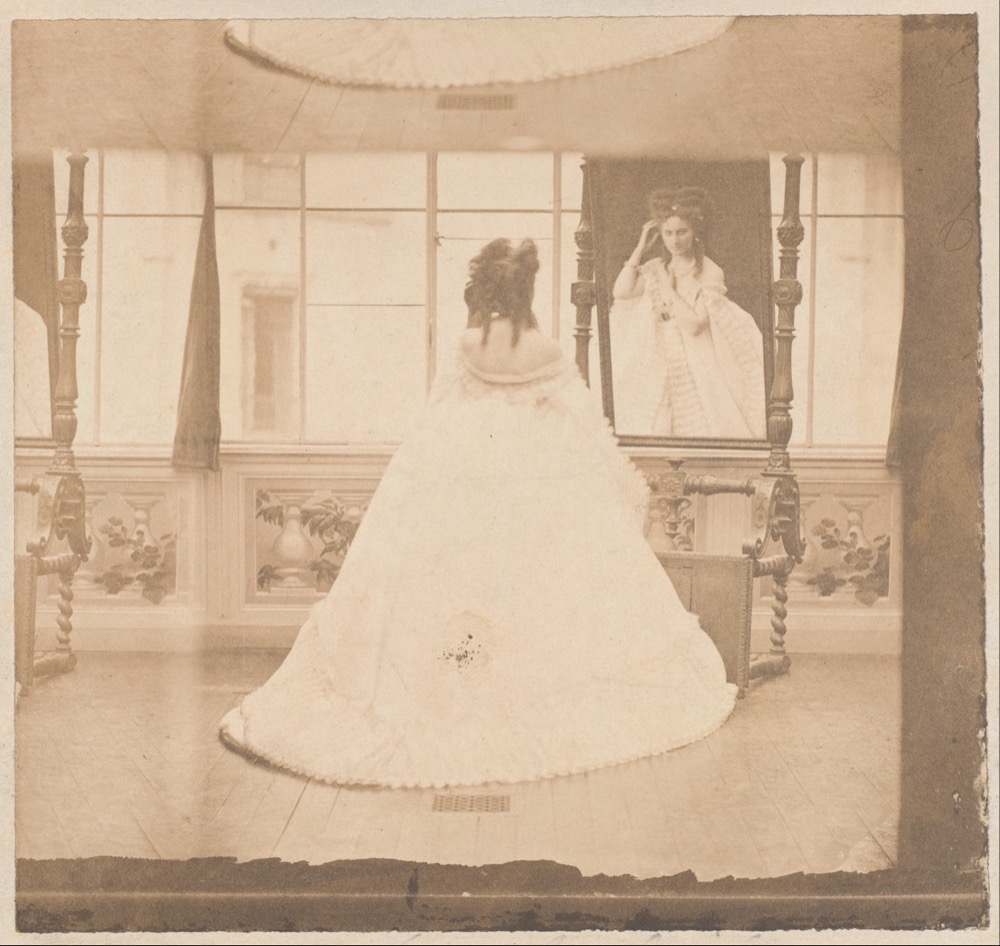
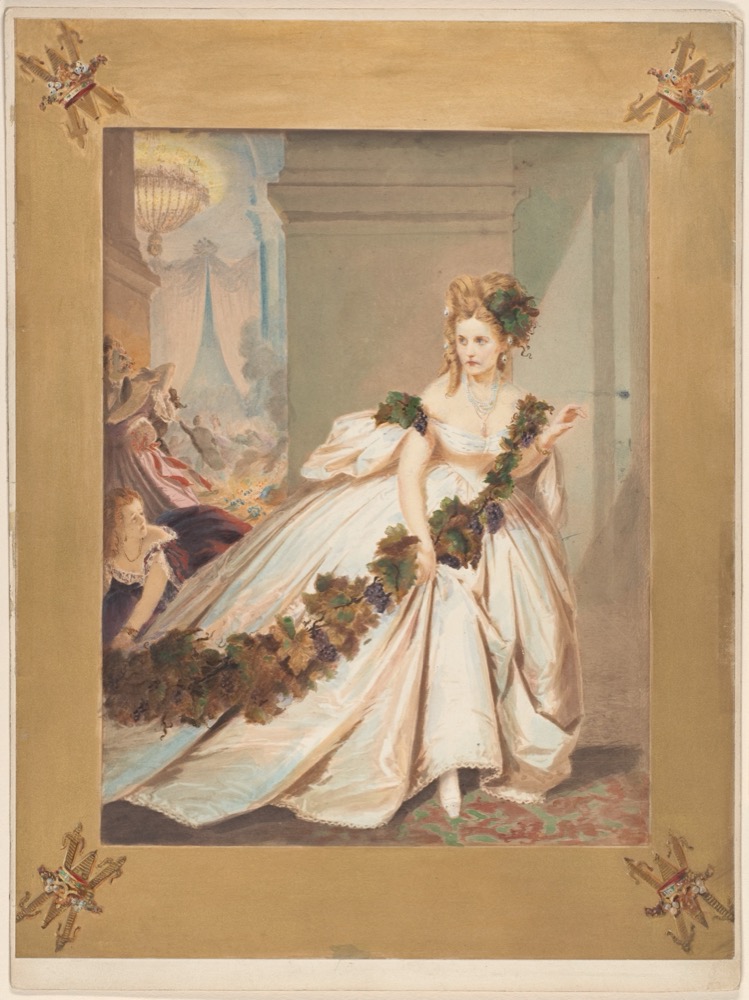
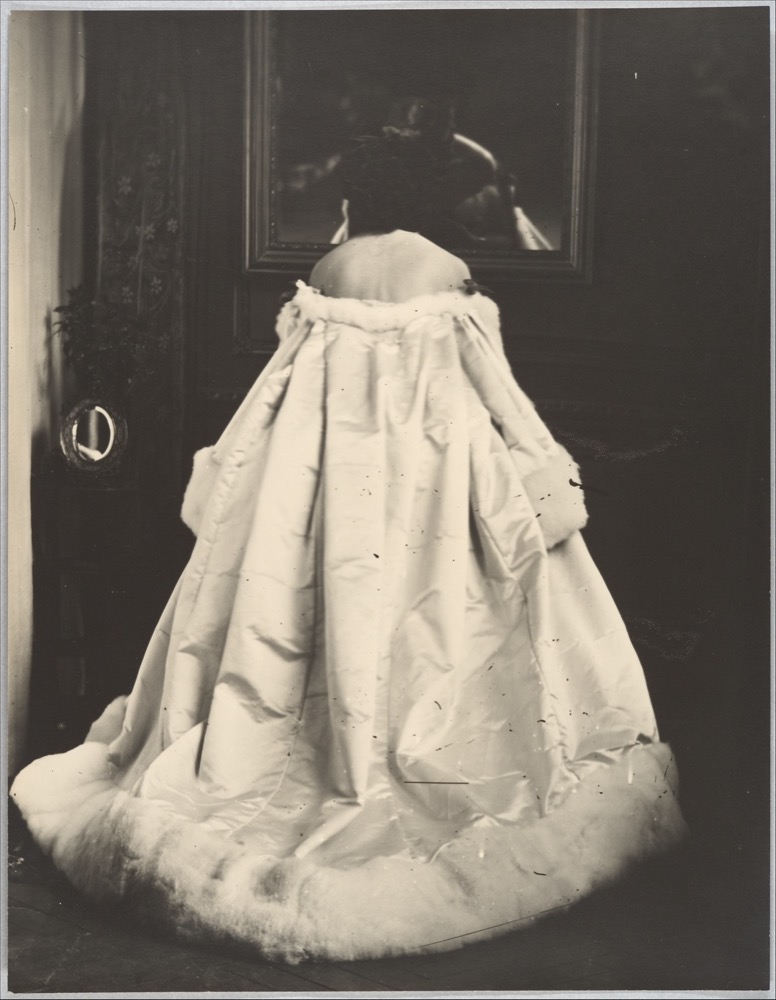
Beginning in the late 1850s, the Countess de Castiglione embarked on a photographic project with Pierson that would span nearly four decades and produce over four hundred images. She did not simply sit for portraits; she conceived, directed, and art-directed them, designing elaborate costumes, poses, and scenarios that transformed the conventional portrait sitting into something closer to performance art. The photographs depicted her as a queen of hearts, a nun, a ghost, a figure of mourning, a woman gazing through a painted oval frame — each image a carefully constructed persona, a mask made visible.
The collaboration between Pierson and the Countess raises questions about authorship that remain unresolved. The technical execution — the lighting, the exposure, the printing — was Pierson's, and his skill as a portraitist is evident in the quality of the images. But the conception, the staging, the selection of costumes and poses, the overall artistic vision, was overwhelmingly the Countess's. She treated the camera not as a passive recording device but as a tool for self-creation, an instrument through which she could construct, control, and multiply her own image. In this sense, the Castiglione portraits anticipate by more than a century the work of Cindy Sherman and the entire tradition of performed photography.
The most celebrated of the Pierson-Castiglione images is Scherzo di Follia, a photograph in which the Countess holds an empty picture frame before her face, peering through it with one visible eye. The image is startling in its modernity: the frame-within-a-frame, the direct confrontation with the viewer, the suggestion that identity is a performance and beauty a construction — these are ideas that feel more at home in the discourse of postmodern art than in the portrait studios of the 1860s. It is this quality of anticipation, of arriving at insights that would not be fully articulated for another hundred years, that makes the Pierson-Castiglione collaboration so extraordinary.
As the Countess aged, the nature of the photographs changed. The later images, made in the 1890s when she was in her fifties and sixties, show a woman confronting her own mortality with the same theatrical intensity she had brought to the celebration of her beauty. She posed in elaborate reconstructions of her former costumes, revisiting scenes from decades earlier, the passage of time now inscribed upon her face and body. These late photographs are among the most powerful in the entire series — haunting, melancholic, and profoundly modern in their refusal to sentimentalise aging.
Pierson continued to operate his studio into the late nineteenth century, producing portraits of notable figures of the Third Republic, but it is the Castiglione collaboration for which he is remembered. He died in Paris in 1913, the same year as the Countess's own death, their lives and legacies intertwined. The rediscovery of the Castiglione portraits in the twentieth century, particularly through exhibitions at the Metropolitan Museum of Art and the Musée d'Orsay, has secured Pierson's place in the history of photography — not as a conventional portraitist, but as a collaborator in one of the medium's most remarkable and prophetic artistic partnerships.