Lewis Baltz was born in 1945 in Newport Beach, California, at a moment when Southern California was beginning the explosive postwar development that would transform its landscape from agricultural land and open desert into an endless expanse of tract housing, shopping centres, freeways, and industrial parks. He grew up watching this transformation firsthand, and the experience of seeing a landscape erased and rebuilt would become the central preoccupation of his photographic career. He studied at the San Francisco Art Institute, earning his BFA in 1969, and completed an MFA at the Claremont Graduate School in 1971.
Baltz's earliest mature work, The Tract Houses (1969–1971), established the visual language that would define his practice: black-and-white photographs of extraordinary formal precision, depicting the surfaces, walls, and construction details of new suburban housing with a deadpan attention that refused both celebration and overt critique. The images were deliberately flat, frontal, and detail-rich, treating the anonymous facades of tract homes with the same rigorous attention that a nineteenth-century photographer might have given to a cathedral. The effect was simultaneously descriptive and deeply unsettling — these were photographs that saw everything and said nothing, leaving the viewer to supply the meaning.
In 1975, Baltz was included in the landmark exhibition New Topographics: Photographs of a Man-Altered Landscape at the International Museum of Photography in Rochester, New York. Curated by William Jenkins, the show brought together ten photographers — including Robert Adams, Stephen Shore, Bernd and Hilla Becher, and Nicholas Nixon — whose work depicted the built environment of the American West with a coolness and apparent objectivity that stood in sharp contrast to the romantic landscape tradition of Ansel Adams and Edward Weston. Baltz's contribution, from The New Industrial Parks near Irvine, California, became one of the defining bodies of work of the movement.
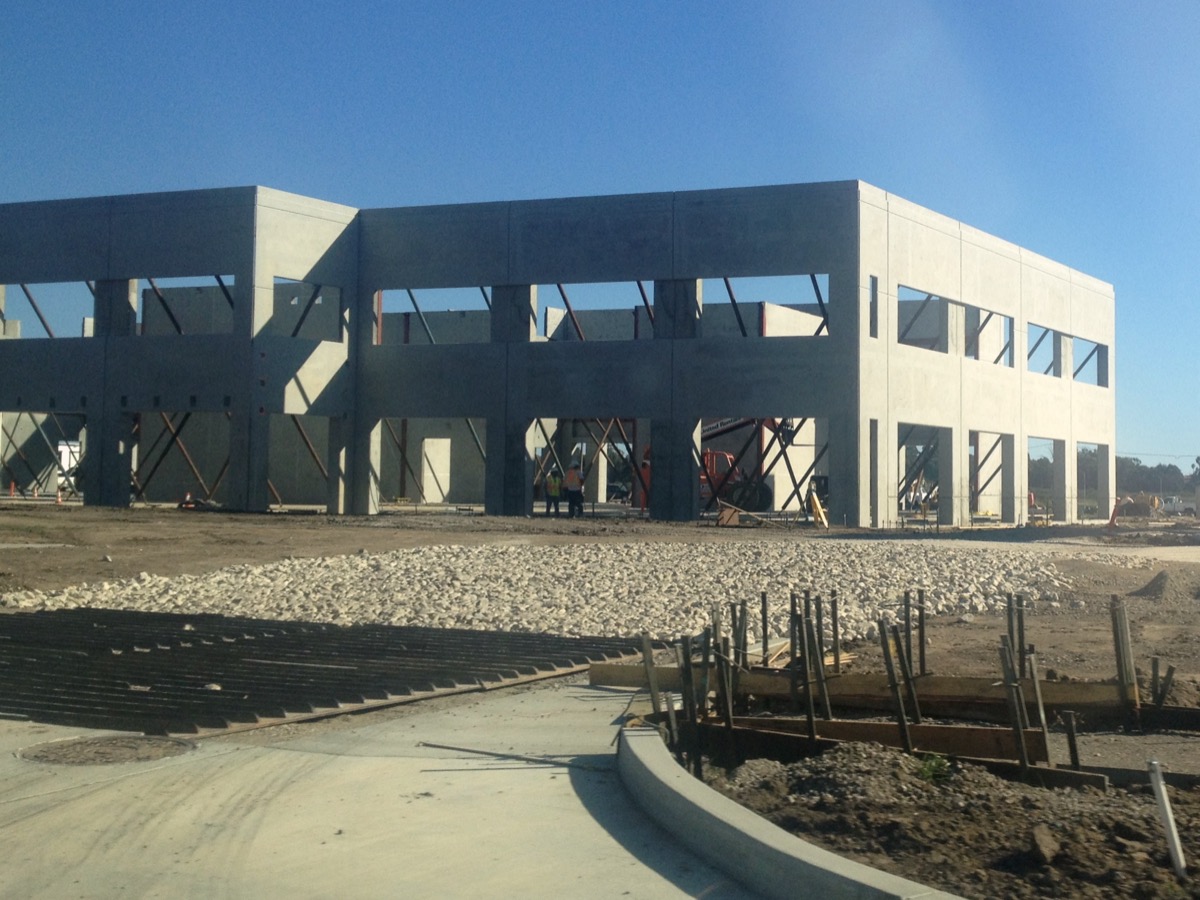
The New Industrial Parks (1974) remains Baltz's most celebrated series. The fifty-one photographs documented the blank walls, loading docks, ventilation grilles, and featureless facades of light-industrial buildings in Orange County with a formal perfection that verged on abstraction. Each image was a study in geometry: rectangles of wall, shadow, and pavement arranged with the compositional rigour of a Minimalist painting. Yet the subject matter was emphatically of the real world — these were the buildings where the new economy of Southern California was being assembled, and Baltz's photographs made visible the aesthetic poverty and environmental indifference of that assembly.
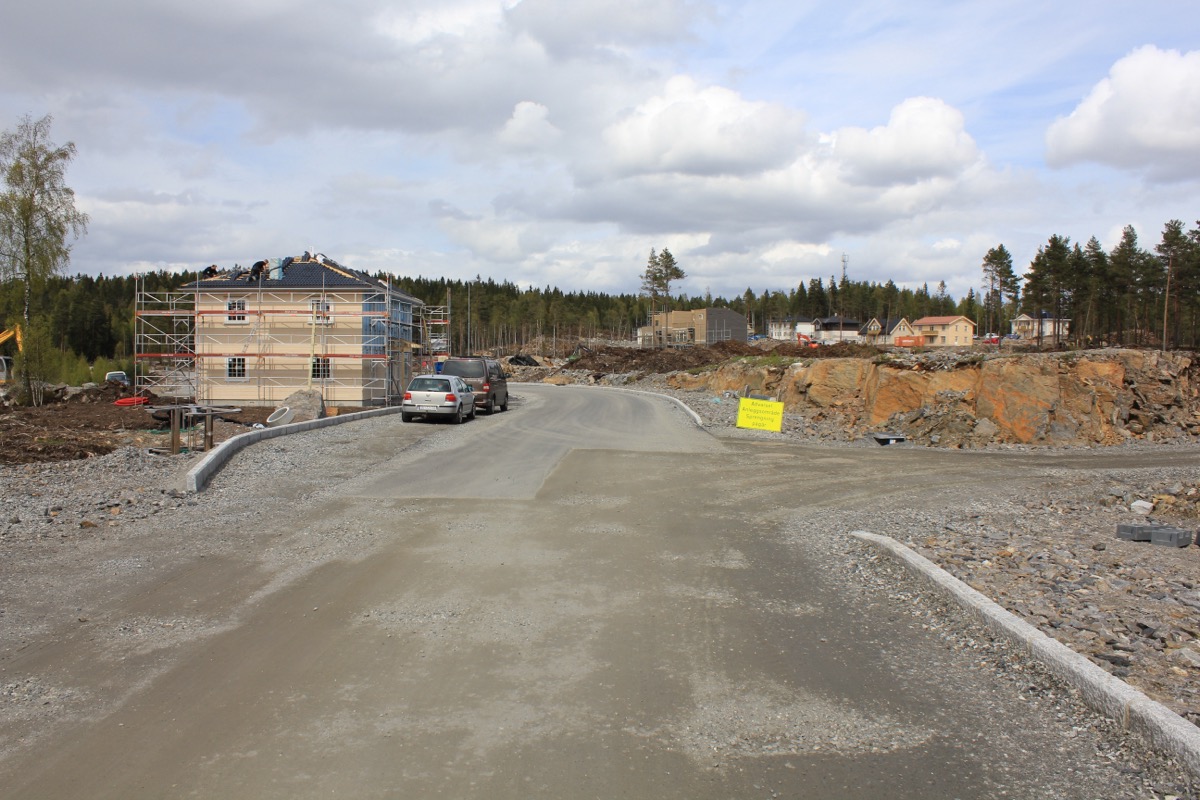
Through the late 1970s and 1980s, Baltz continued to document the landscapes of development and environmental degradation, producing major series including Nevada (1977), Park City (1980), San Quentin Point (1986), and Candlestick Point (1989). Each project extended his investigation while subtly shifting its terms: the images grew larger, the subject matter more explicitly ruined and contaminated, and the political implications of the work became more difficult to ignore. Park City documented the construction of a massive resort development in Utah, while San Quentin Point and Candlestick Point photographed landscapes of industrial waste and environmental destruction around San Francisco Bay.
In the late 1980s, Baltz relocated to Europe, living first in Basel and then in Paris, and his work shifted from the landscapes of American development to the architecture of technology and surveillance. His later projects, including Ronde de Nuit (1992) and Docile Bodies (1995), moved indoors to photograph the interiors of high-technology facilities — clean rooms, server farms, surveillance centres — with the same austere precision he had brought to the industrial parks of Irvine. These works anticipated contemporary concerns about privacy, data, and the architectures of control by more than a decade.
Baltz was a rigorous thinker and writer as well as a photographer, and his critical essays on photography, landscape, and politics were influential in shaping the discourse around contemporary art photography. He taught at the European Graduate School in Switzerland and at Yale University. He died in Paris in 2014, at the age of sixty-nine. His legacy is that of a photographer who understood that the most revealing images of the contemporary world were not to be found in its spectacles but in its blank, anonymous surfaces — the walls, the parking lots, the construction sites — where the logic of capital inscribed itself upon the land with a relentless, indifferent geometry.