Leonard Freed was born in 1929 in Brooklyn, New York, the son of Eastern European Jewish immigrants who worked in the garment industry. He grew up in a working-class neighbourhood where questions of identity, belonging, and social justice were not abstract concepts but the texture of daily life. After graduating from high school, he initially aspired to become a painter and travelled to Europe in the early 1950s, studying in the Netherlands and Italy. It was in Amsterdam that he first picked up a camera seriously, drawn to photography's capacity to engage directly with the social world in a way that painting, for him, could not.
Freed's early work in Europe documented Jewish communities in Germany, the Netherlands, and Israel, a subject that was deeply personal. As the child of Jewish immigrants, he felt compelled to record the scattered remnants of a world that the Holocaust had nearly destroyed, and to examine the complicated process of reconstruction and remembrance. These photographs, made with a quiet, respectful intimacy, established the approach that would characterise all of Freed's subsequent work: a commitment to spending extended time within communities, earning trust, and photographing from a position of genuine engagement rather than detached observation.
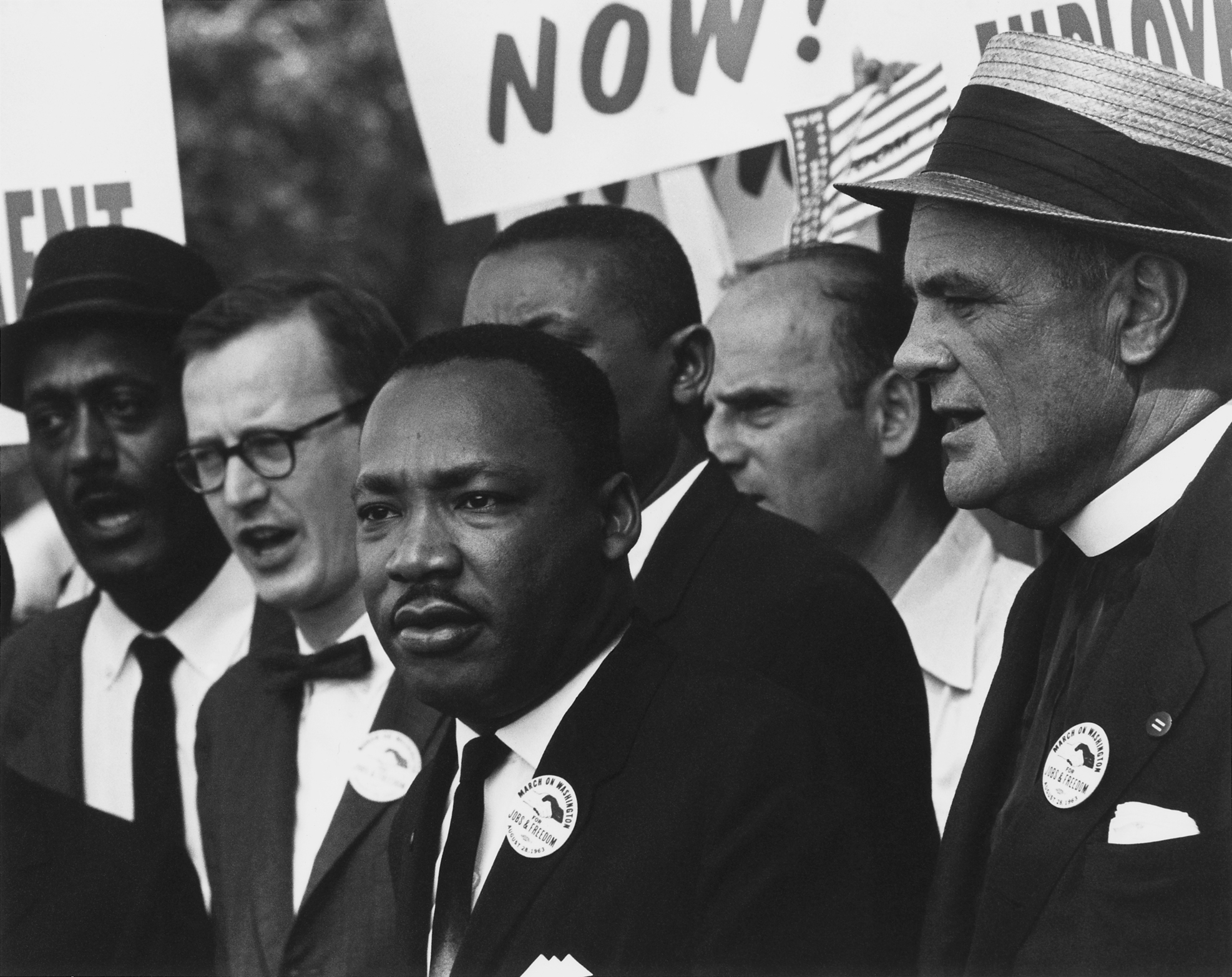
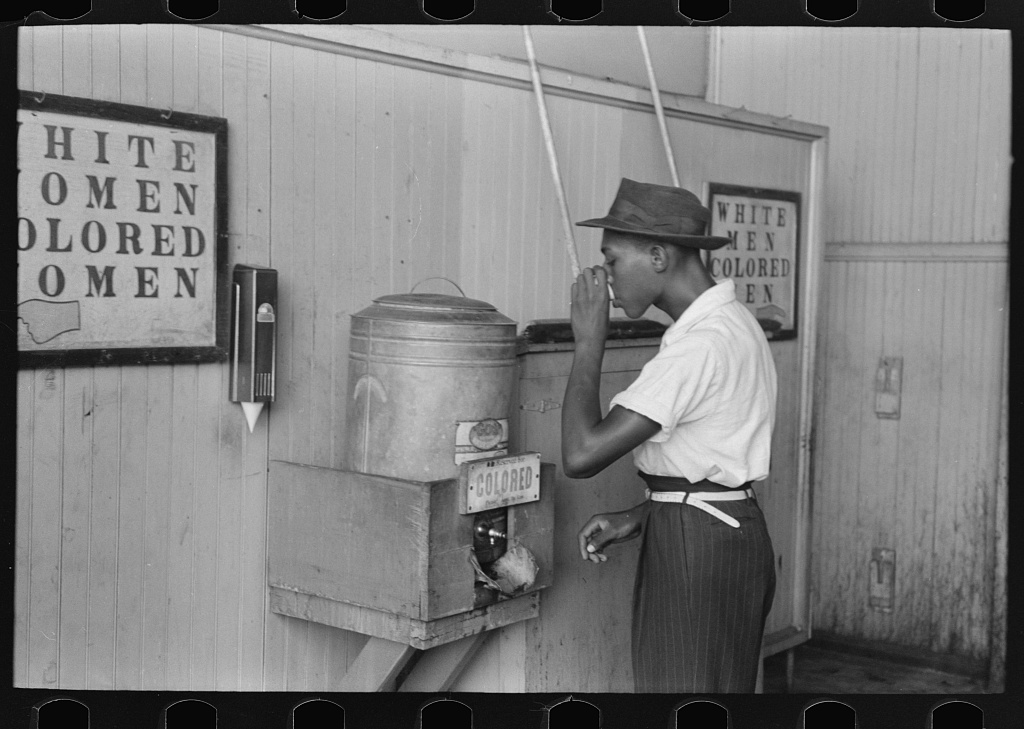
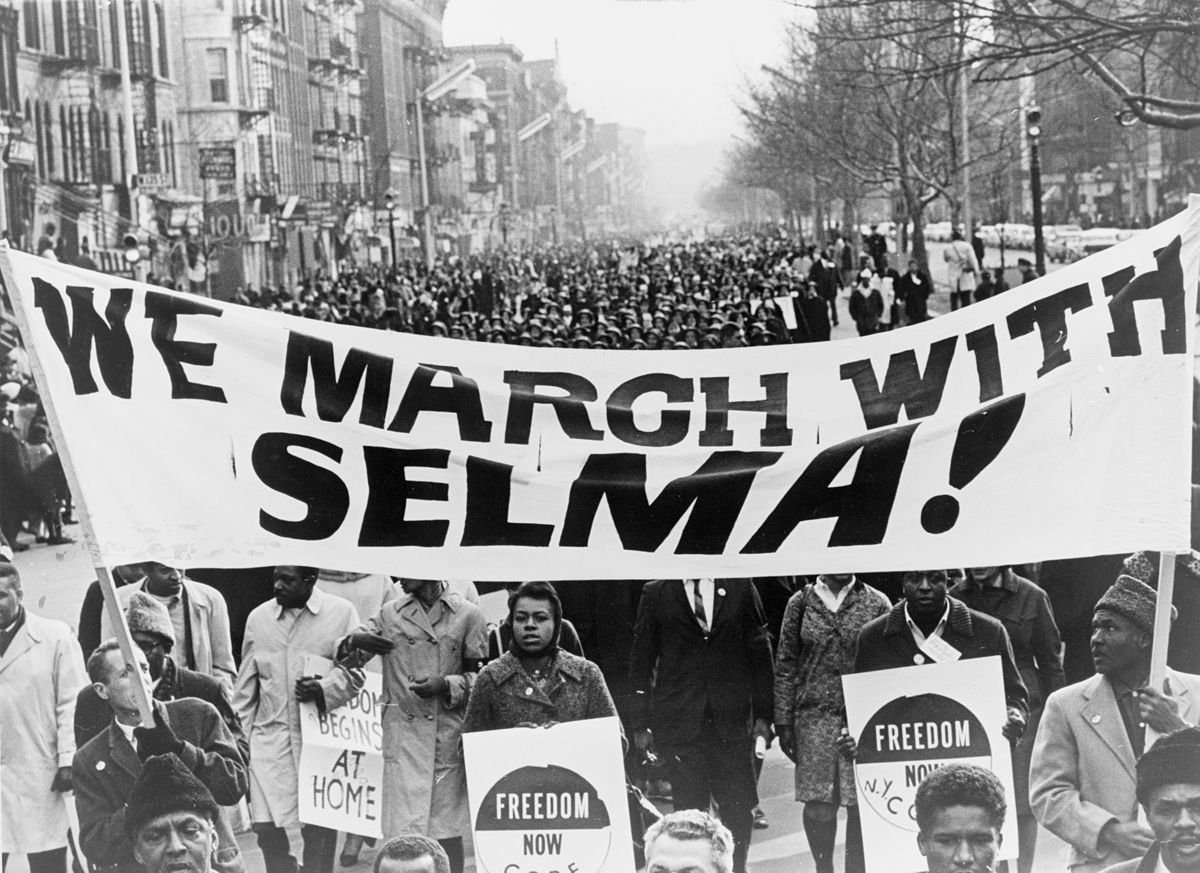
Returning to the United States in the early 1960s, Freed turned his camera to the civil rights movement, and it was this body of work that would define his career. Beginning in 1963, he photographed across the American South and in the cities of the North, documenting not only the dramatic confrontations of the movement — marches, rallies, encounters with police — but also the everyday texture of Black life in a segregated society. The resulting book, Black in White America, published in 1968, was one of the most powerful photographic documents of the era.
What distinguished Black in White America from other civil rights photography was Freed's attention to the full range of Black experience, not merely the moments of protest and confrontation. He photographed churches, barbershops, dance halls, and family homes alongside the marches and demonstrations, creating a portrait of a community in all its richness and complexity. His images insisted that Black Americans were not defined by their oppression but by their lives — their joy, their labour, their tenderness, their dignity — even as the structures of racism sought to diminish and contain them.
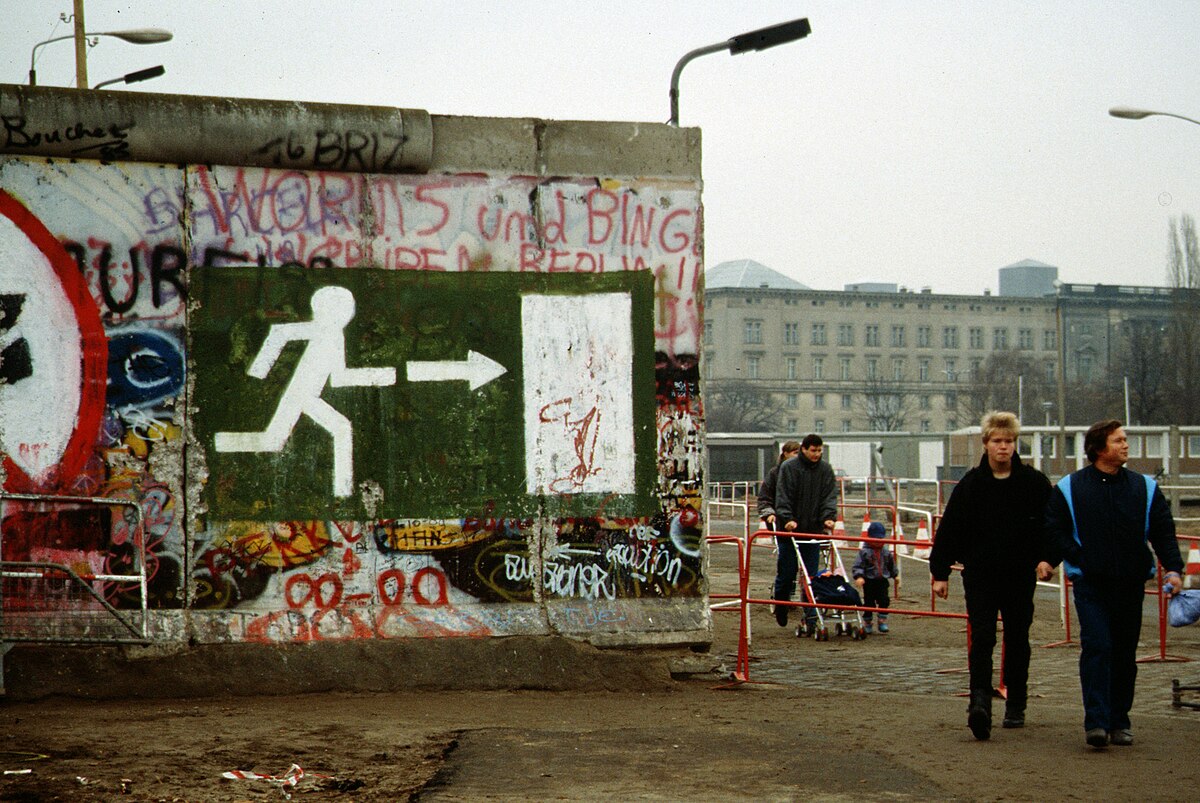
Freed joined Magnum Photos in 1972, and over the following decades he produced major bodies of work on subjects ranging from the New York Police Department to the social landscape of reunified Germany. His Police Work series, published in 1980, spent months embedded with NYPD officers, producing images that were simultaneously sympathetic and clear-eyed about the tensions inherent in policing. He photographed in Israel, the Netherlands, Spain, and across the United States, always returning to his central preoccupation: the lives of ordinary people caught within larger forces of history, politics, and social structure.
Freed was a photographer of remarkable consistency and moral seriousness. He did not seek the spectacular image or the decisive moment in the Cartier-Bresson sense; instead, he built his work through accumulation, returning again and again to his subjects until the full complexity of their situation became visible. His black-and-white images have a quality of directness and warmth that reflects the time he invested in the communities he documented, and his legacy is that of a photographer who understood that the camera's greatest power lay not in its capacity for drama but in its capacity for sustained, compassionate attention.
Leonard Freed died in 2006 at his home in Garrison, New York, at the age of seventy-seven. His archive, encompassing over forty years of work, stands as one of the most important records of social documentary photography in the second half of the twentieth century.