Lee Miller was born Elizabeth Miller in 1907 in Poughkeepsie, New York, the daughter of Theodore Miller, an amateur photographer who introduced her to the camera at an early age. Her childhood was marked by a traumatic assault at the age of seven, an event whose long shadow would be felt throughout her life. She was beautiful, restless, and fiercely independent, and after attending schools in Poughkeepsie and briefly studying theatrical design in Paris, she returned to New York in 1927, where she was discovered by Condé Nast on a Manhattan street and quickly became one of the most sought-after models for Vogue magazine.
But Miller had no interest in remaining on the other side of the lens. In 1929, she sailed to Paris determined to study with Man Ray, the American Surrealist artist and photographer. She presented herself at his studio, and what followed was one of the most creatively charged and personally turbulent relationships in the history of modernism. Miller became Man Ray's lover, model, collaborator, and, crucially, a photographer in her own right. Together they are credited with rediscovering the technique of solarisation — the partial reversal of tones produced by briefly exposing a print to light during development — although the precise division of credit between them has been debated ever since.
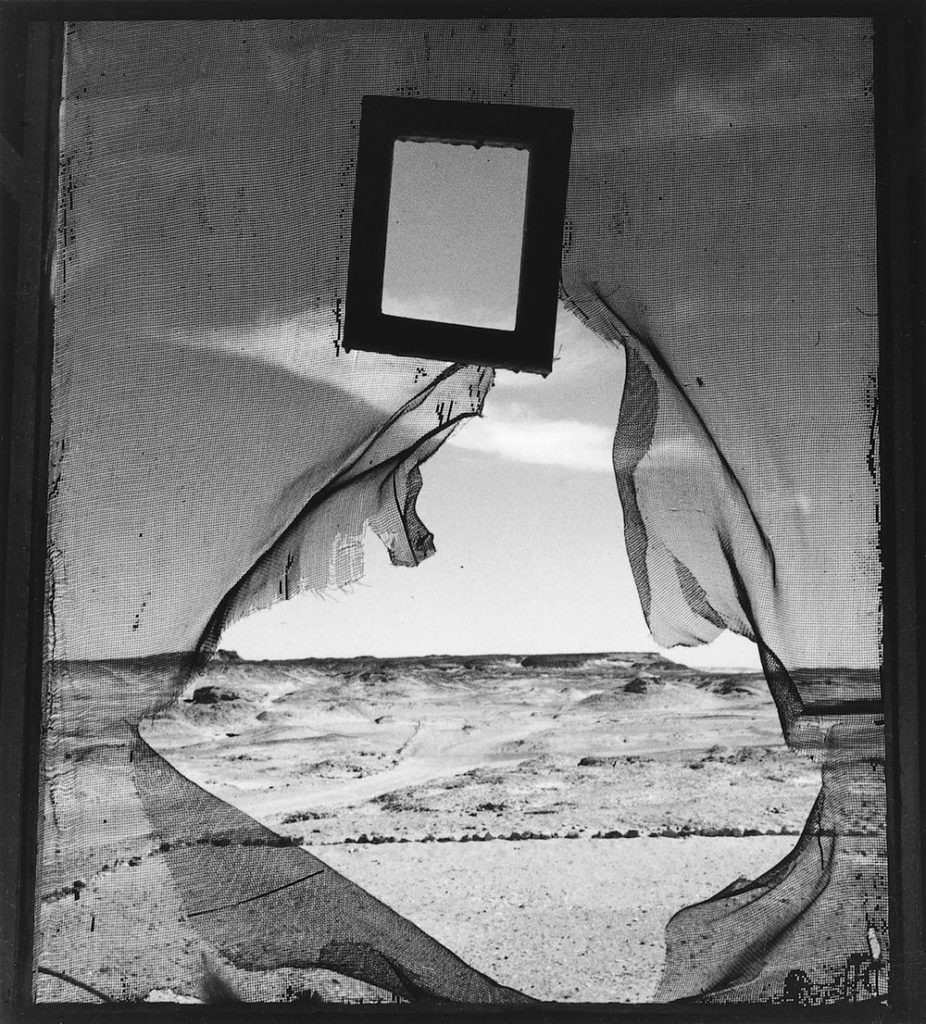
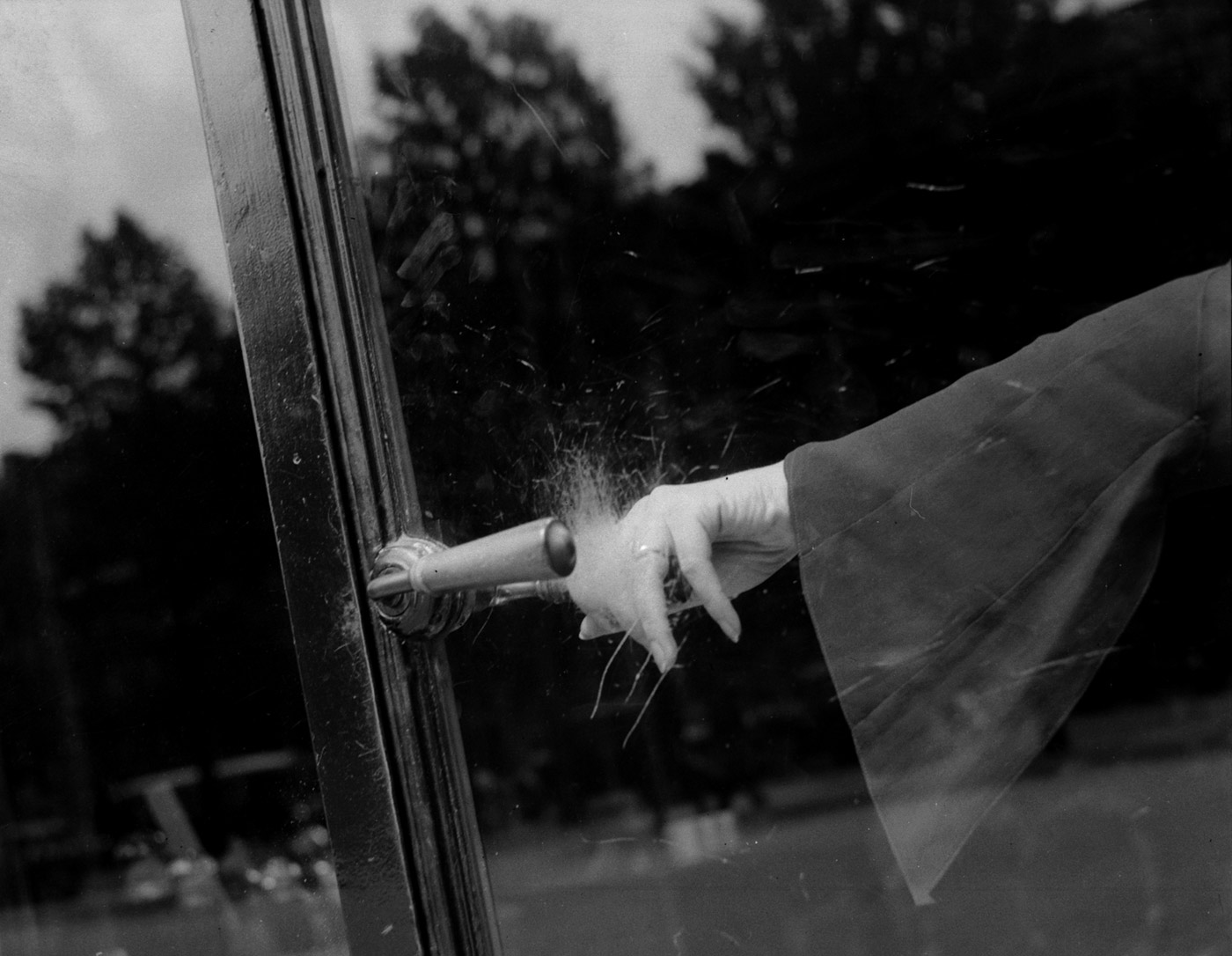
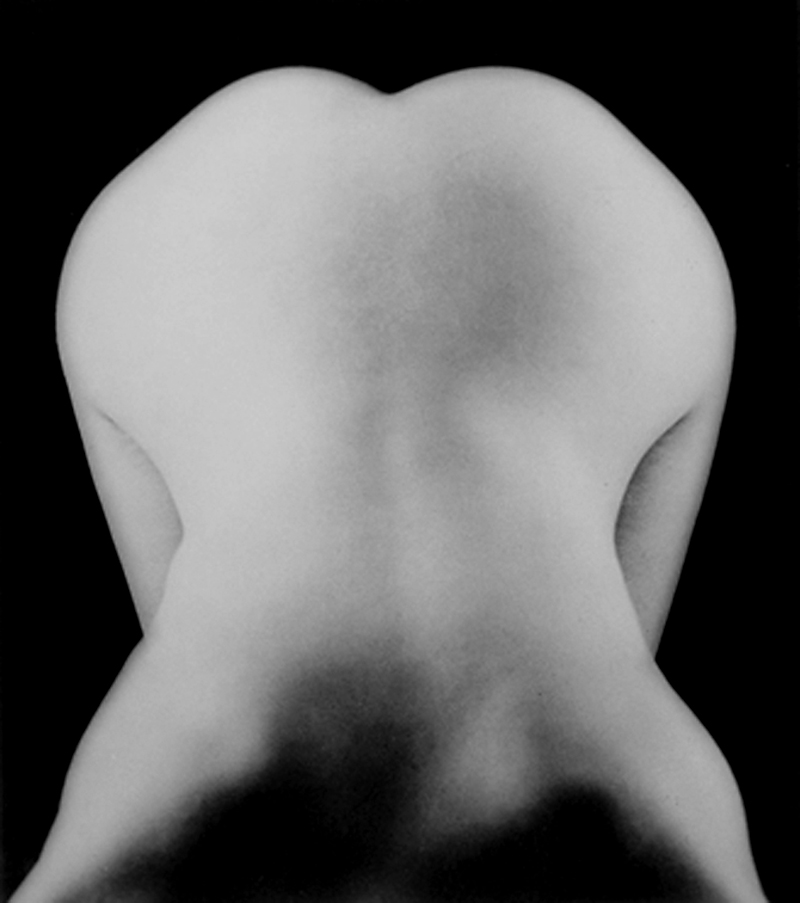
Miller's Surrealist photographs from this period are among the most striking of the movement: severed hands, floating objects, extreme close-ups of anatomy rendered abstract through cropping and light. She established her own portrait studio in Paris and then in New York, where she photographed society figures and artists with a distinctive combination of technical sophistication and psychological acuity. But commercial portraiture bored her, and in 1934 she closed the studio and married an Egyptian businessman, Aziz Eloui Bey, moving to Cairo. The years in Egypt produced some of her most remarkable images, including Portrait of Space, a photograph of the desert seen through a torn screen that is now regarded as a masterpiece of Surrealist photography.
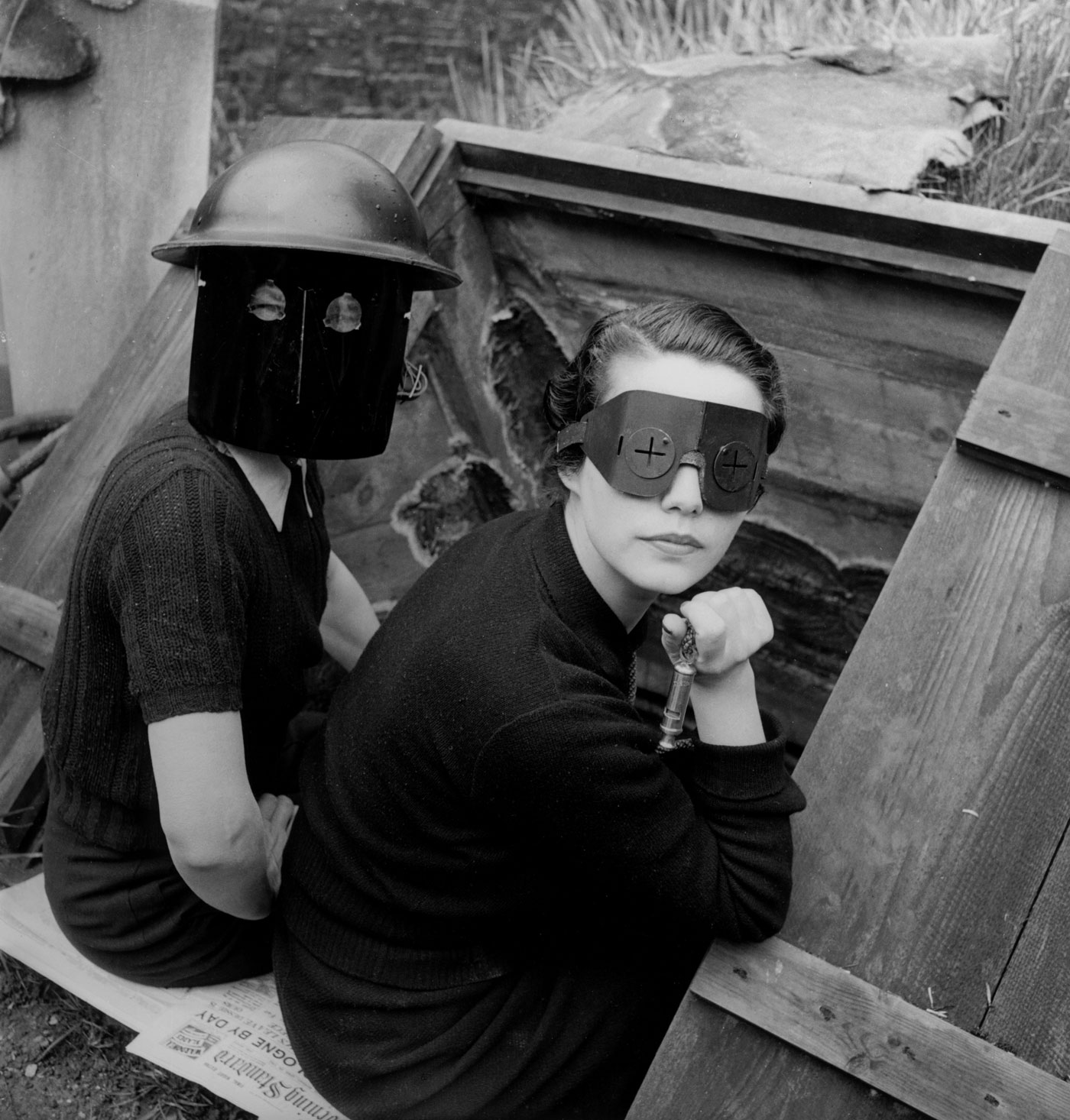
The marriage ended, and in 1937 Miller moved to London, where she fell in with the circle of British Surrealists and began a relationship with the painter Roland Penrose, whom she would eventually marry. When war broke out, Miller became a freelance photographer for Vogue — first documenting the London Blitz, then accrediting herself as a war correspondent with the United States Army. It was a transformation as dramatic as any in photographic history: the former model and Surrealist artist became one of the most fearless and accomplished war photographers of the conflict.
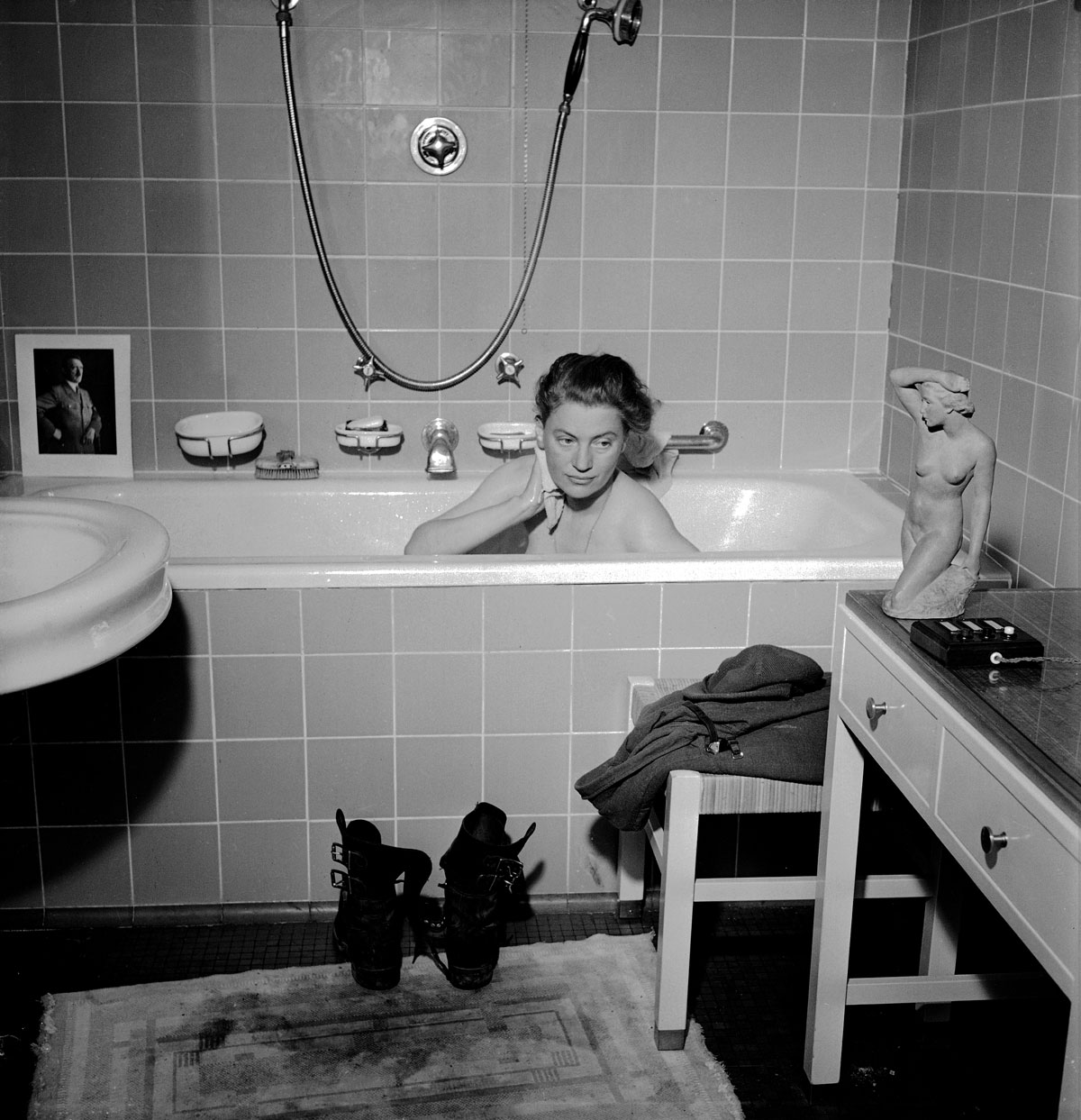
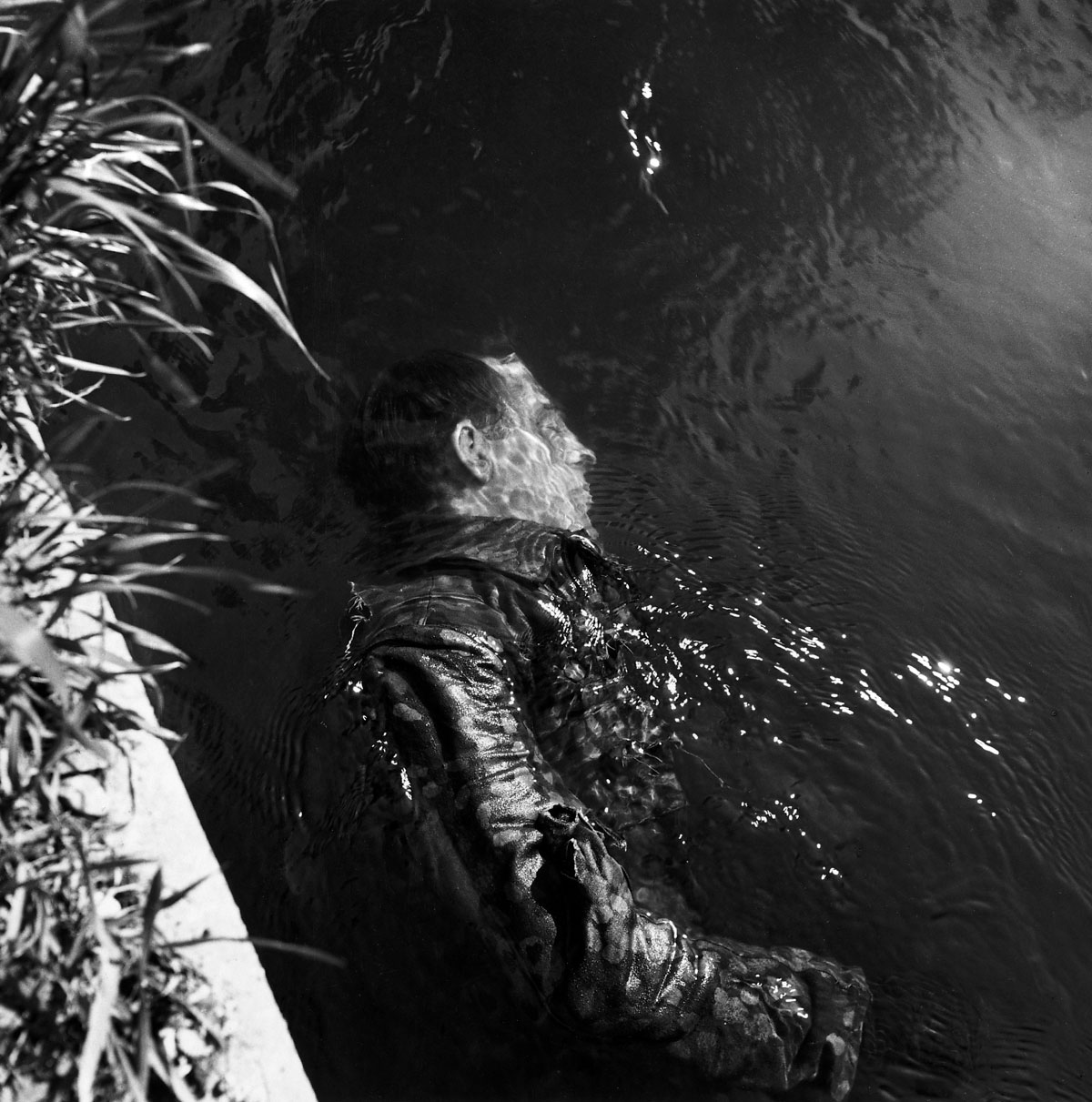
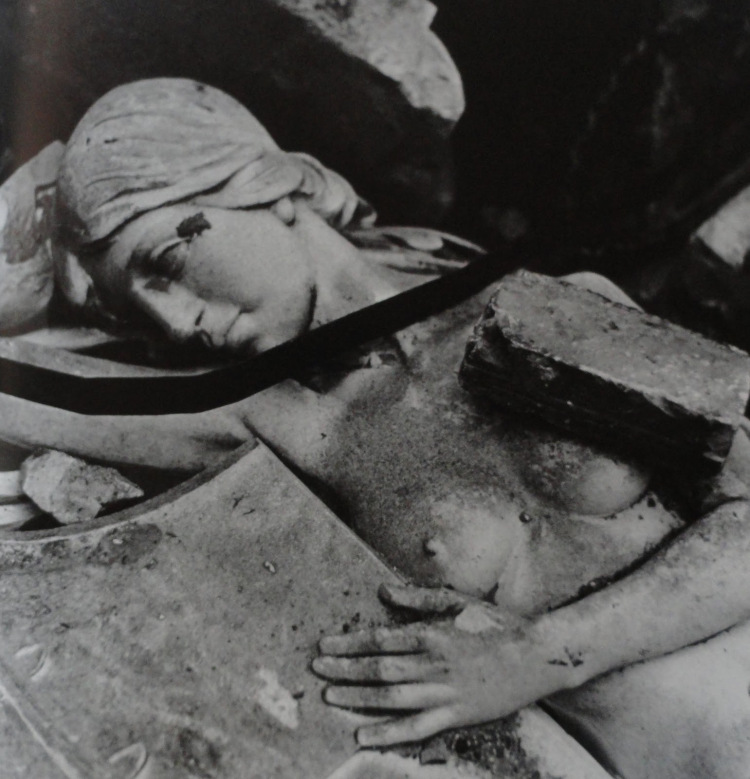
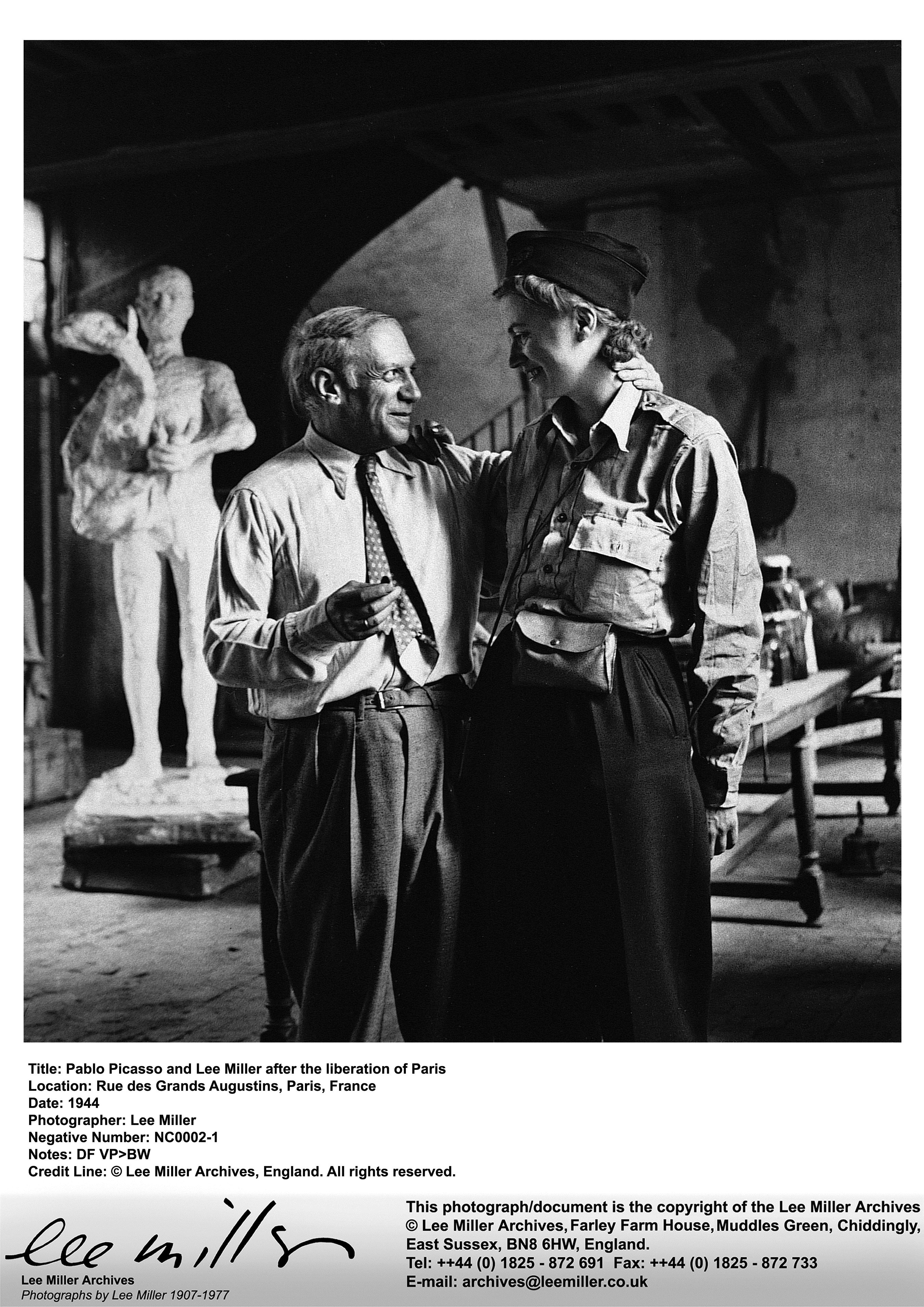
Miller followed the Allied armies from the Normandy beaches through the siege of Saint-Malo, the liberation of Paris, and across Germany. Her photographs from the liberation of Buchenwald and Dachau in April 1945 are among the most searing records of the Holocaust ever made. She sent them to Vogue with an urgent cable insisting they be published, and when they appeared alongside her written dispatches, they brought the reality of the camps to an audience accustomed to reading about fashion. The famous photograph of Miller herself, taken by David E. Scherman in Hitler's private bathtub in Munich on the day of the dictator's death, has become one of the iconic images of the twentieth century.
The psychological toll of what Miller witnessed during the war was devastating. She returned to England and settled at Farley Farm in Sussex with Roland Penrose, retreating from photography almost entirely. She suffered from what would now be recognised as post-traumatic stress disorder, and she turned increasingly to cooking and entertaining — becoming, in a final surrealist twist, a celebrated gourmet cook. She rarely spoke about the war or her photographic career, and much of her work remained unseen in boxes in the attic at Farley Farm until after her death from cancer in 1977.
It was her son, Antony Penrose, who discovered the archive and began the long process of restoring Miller to her rightful place in photographic history. The tens of thousands of negatives, prints, and writings he found revealed the full extraordinary arc of her career — from Surrealist experimenter to war witness — and established Lee Miller as one of the most versatile, courageous, and artistically significant photographers of her century.