Ken Grant was born in Liverpool in 1967, the son of a carpenter who owned a workshop on the River Mersey. At the age of twelve he bought his first camera — a Polaroid — and carried it to his father's workshop, where he began photographing the labourers, tradesmen, carpenters, and machinists who passed through in search of work in Liverpool's transient industries. It was an instinct that would define his entire career: the impulse to record the everyday working lives of people and places that the wider world scarcely noticed. After finishing school, Grant worked as a carpenter himself before pursuing formal photography education at West Surrey College of Art and Design, where he studied under Martin Parr and Paul Graham — two photographers whose influence on British documentary practice was already profound.
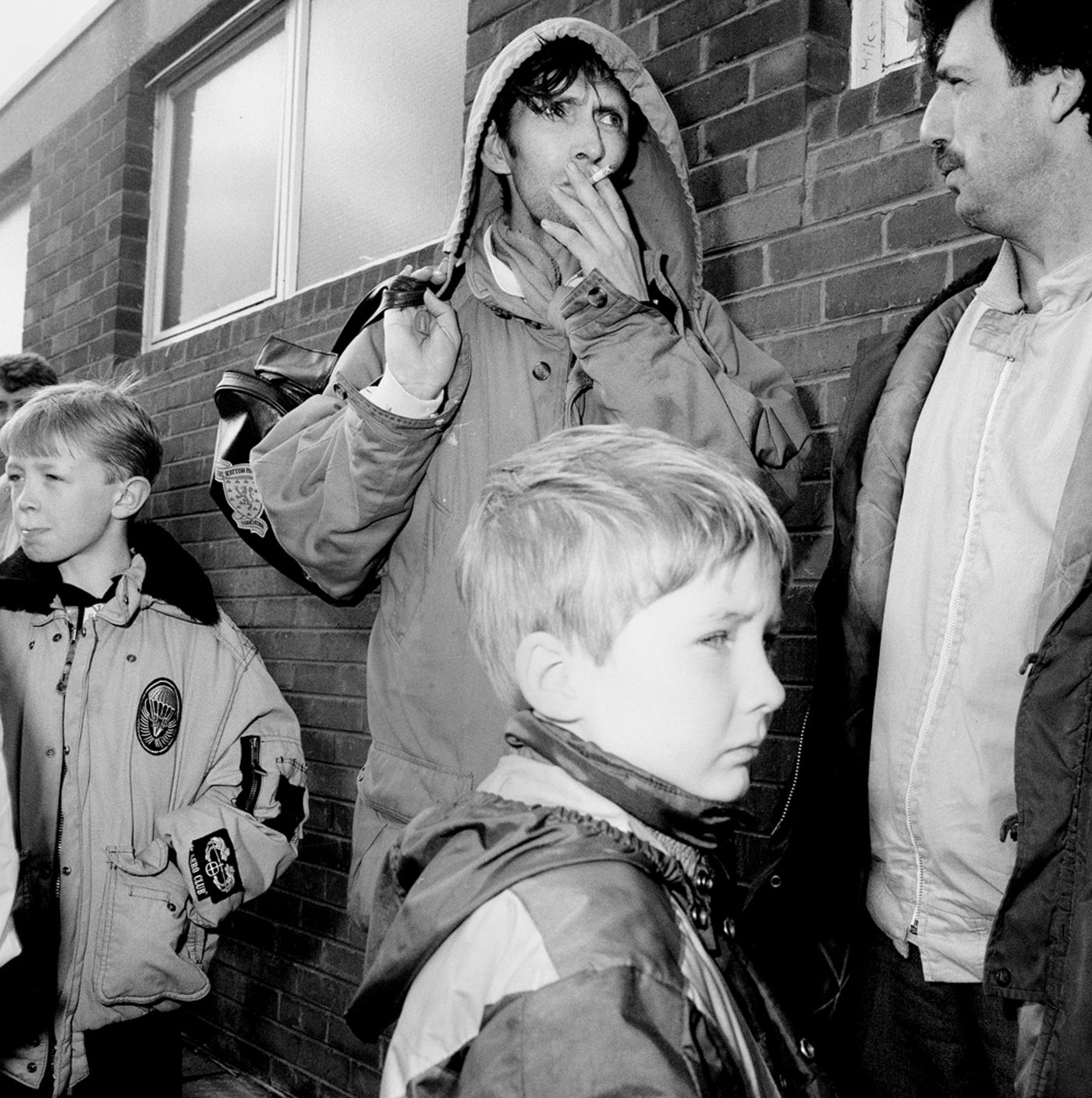
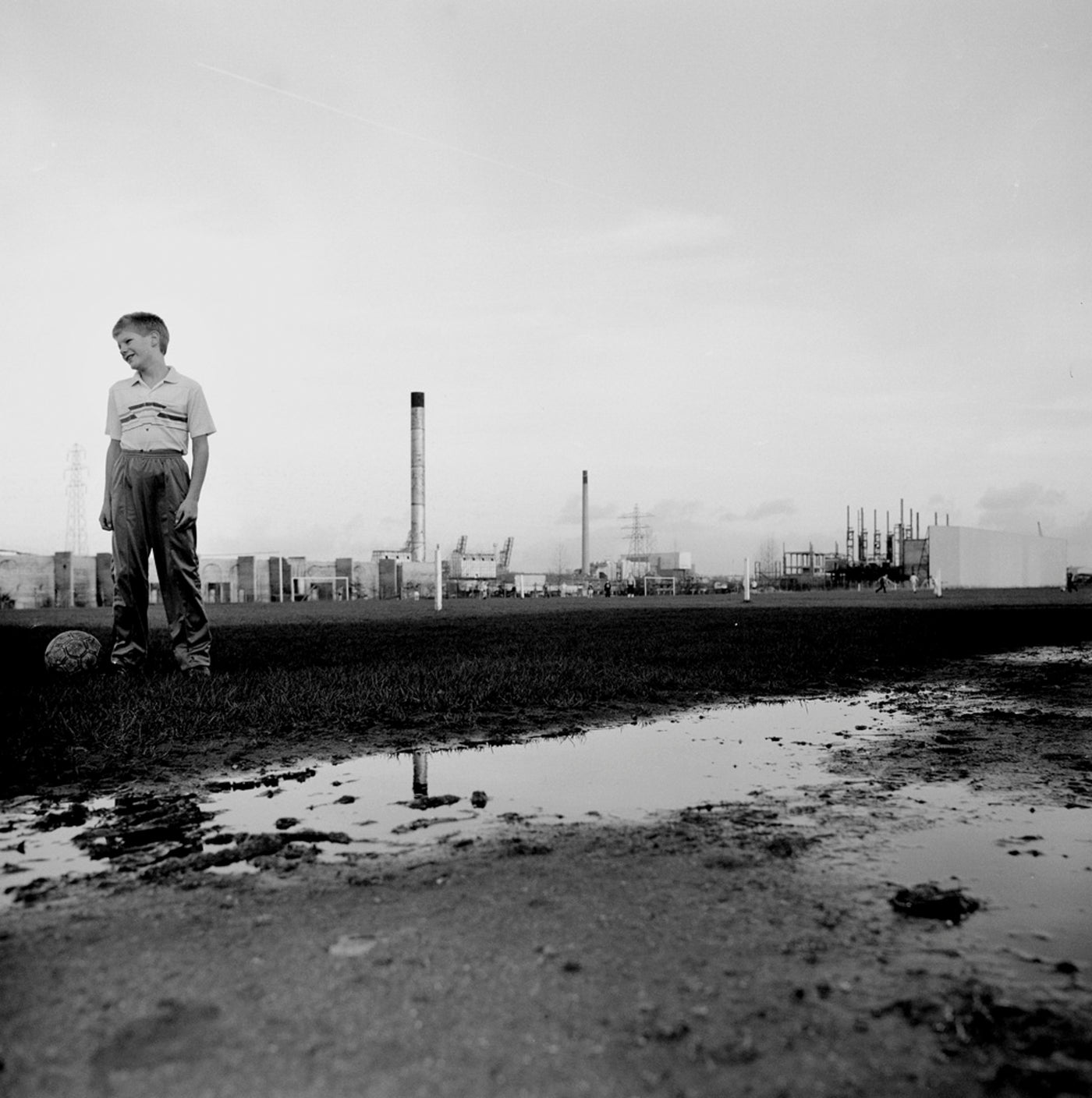
From the mid-1980s onwards, Grant returned to Liverpool and began the sustained, unhurried work that would become his hallmark. He photographed his contemporaries — friends, neighbours, the communities of Merseyside — not with the detached eye of a visiting journalist but with the intimate knowledge of an insider. His first major body of work, The Close Season, published by Dewi Lewis in 2002, was a monograph of Liverpool photographs made over fifteen years. Rooted in autobiography, the work captured life in the city as its industrial river-trades slipped away into history. The book included writing by James Kelman and established Grant as one of the most significant documentary photographers of his generation. Work from the series entered the permanent collection of the Museum of Modern Art in New York.
What distinguishes Grant from many of his contemporaries in documentary photography is the gentleness of his approach. He works slowly and deliberately, returning again and again to the same places, becoming a familiar and trusted presence. His images are almost exclusively in black and white, often in a characteristic square format, and they possess a timeless, poetic quality that the British Journal of Photography has described as avoiding easy statements in favour of simple observation. The critic Diane Smyth noted that by recording everyday working lives, Grant has made a series of work that genuinely matters. There is no sensationalism in his pictures, no desire to shock or provoke — only a steady, empathetic attention to the textures of ordinary life.
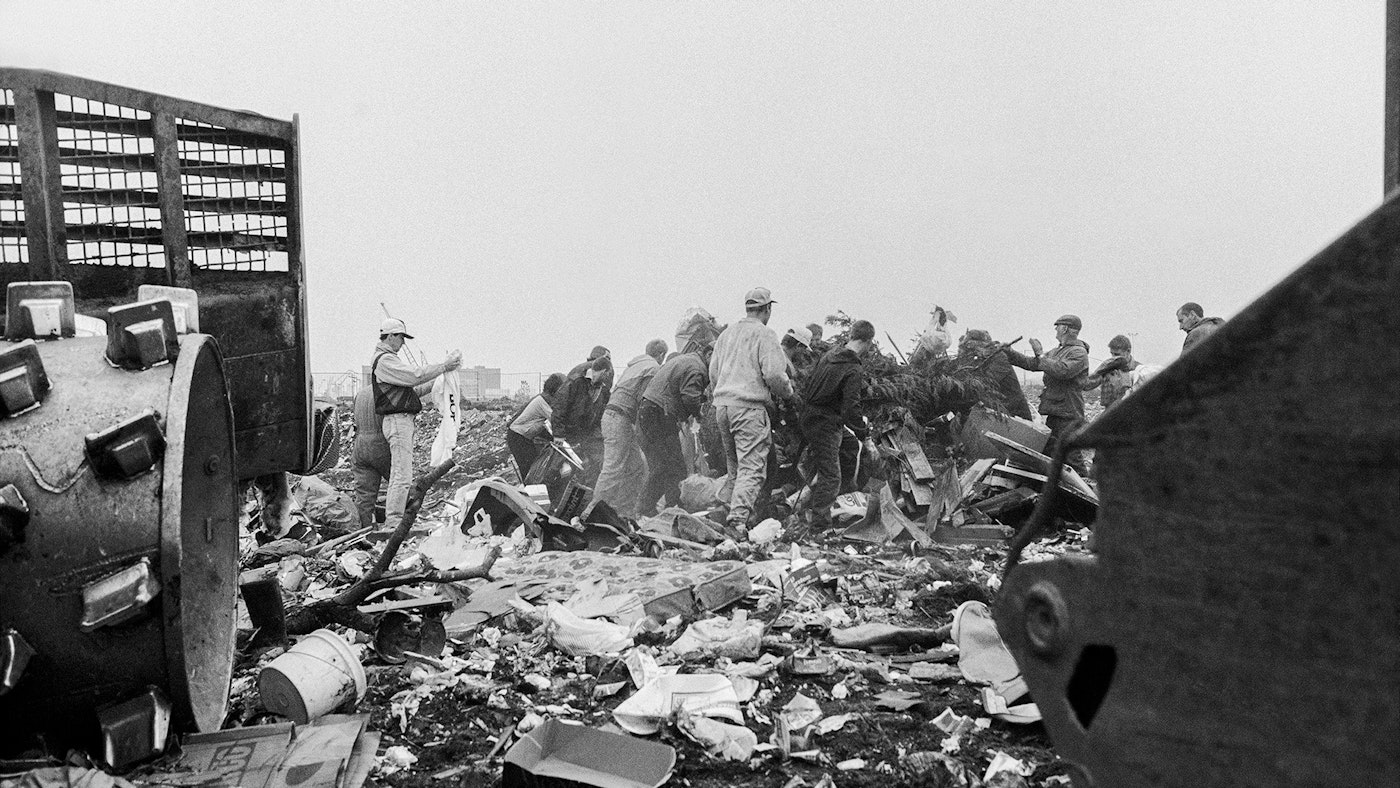
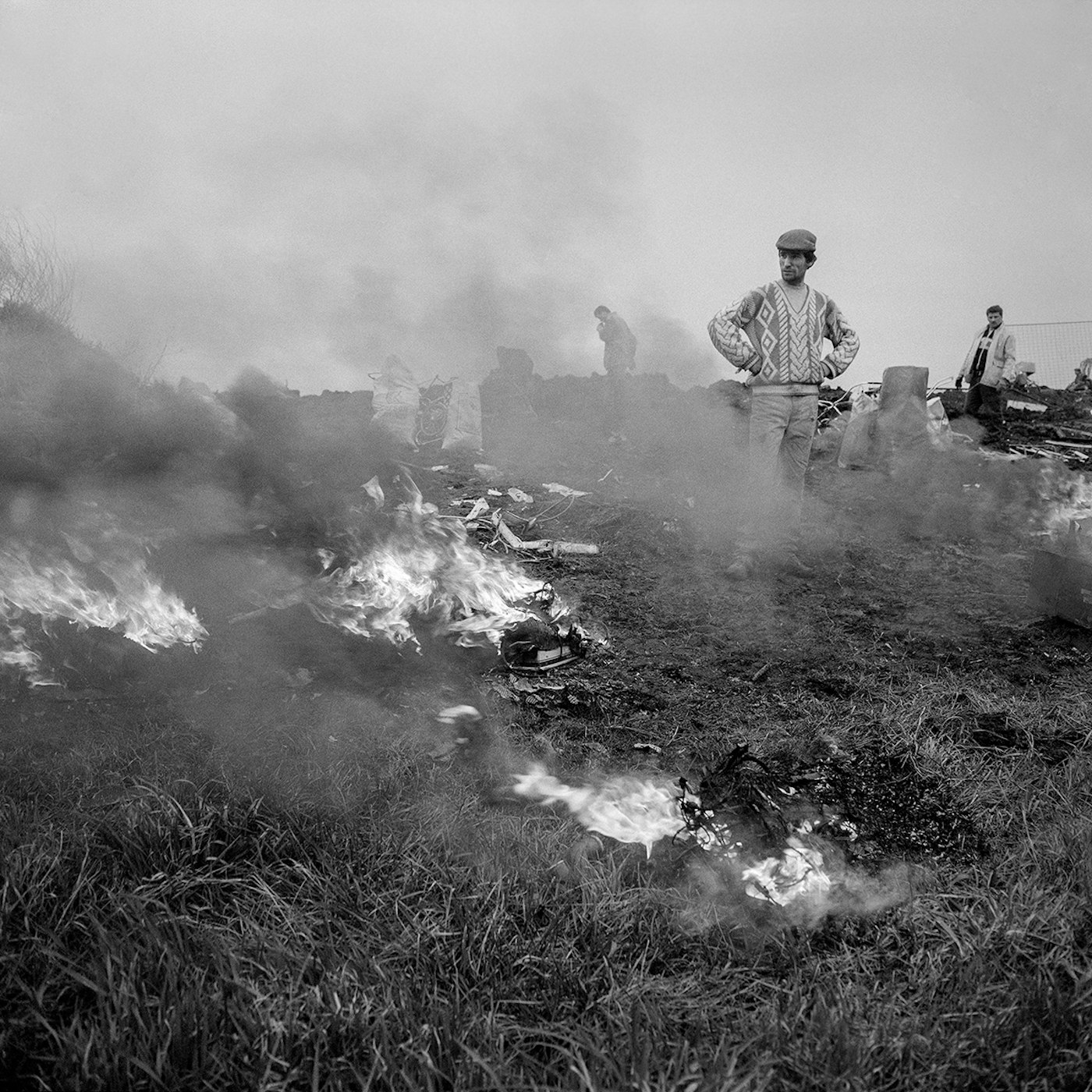
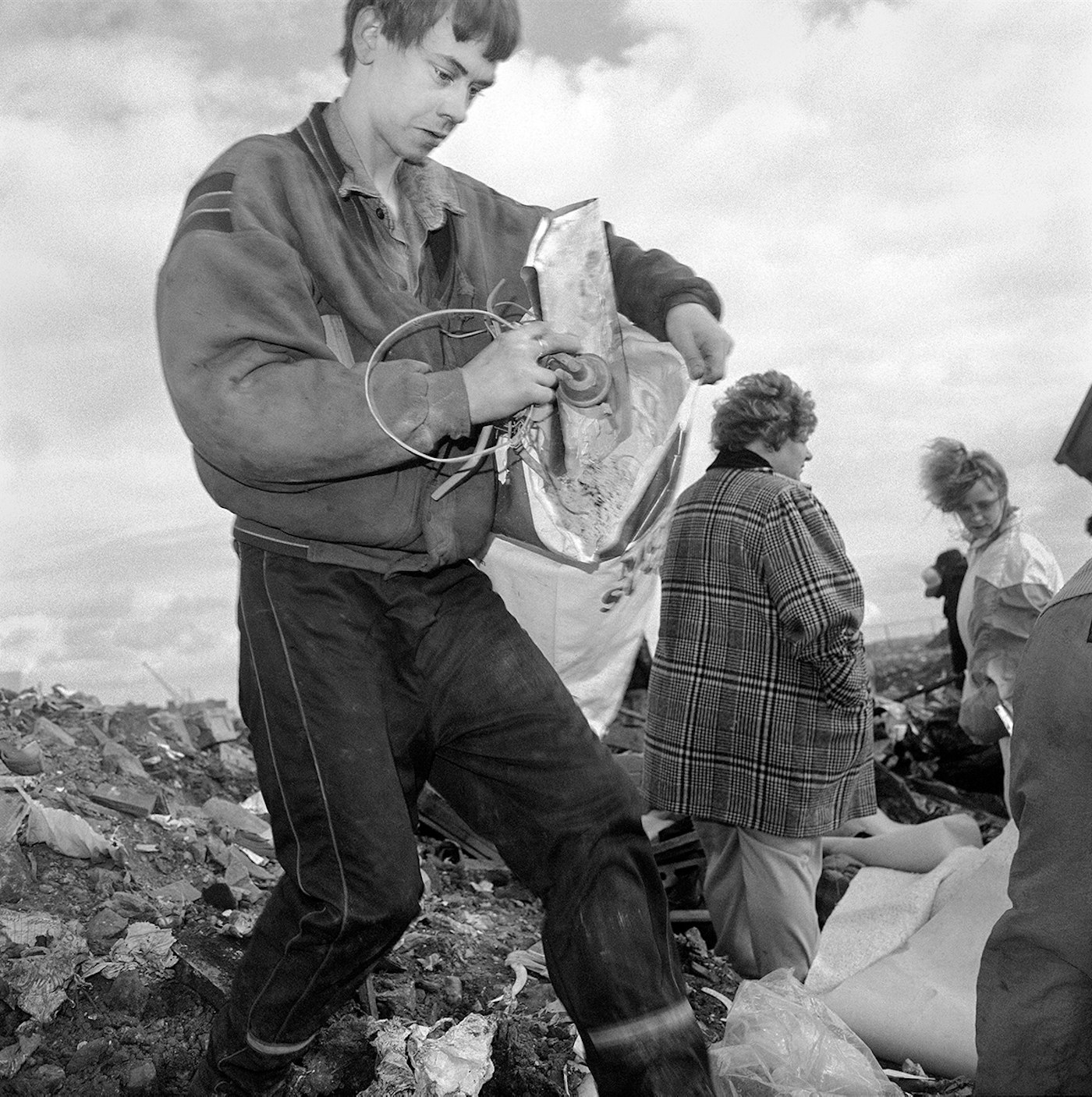
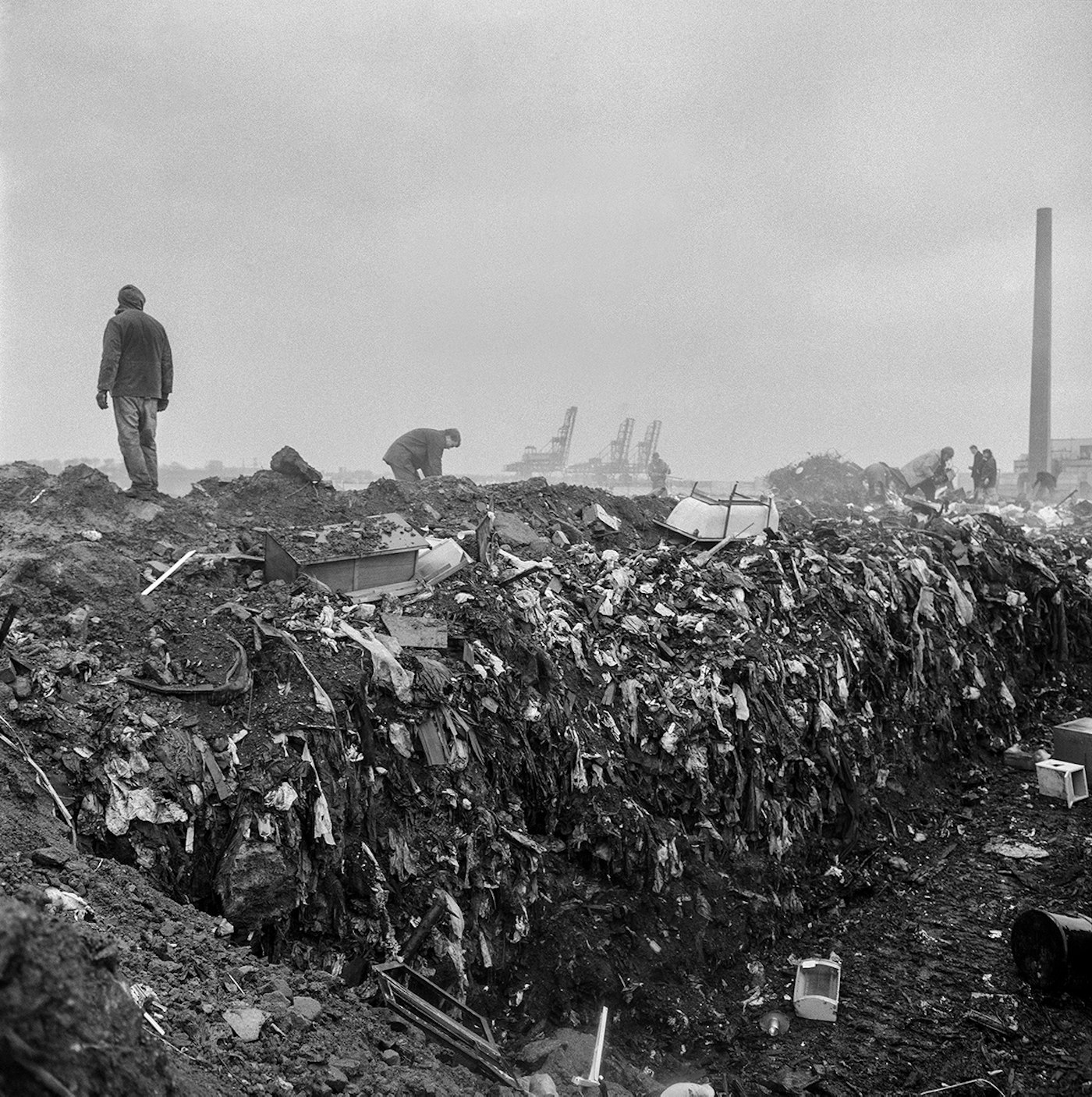
Between 1989 and 1997, Grant made what would become perhaps his most celebrated body of work: Benny Profane, published by RRB Publishing in 2019. For six years he visited Bidston Moss, a landfill site in the dockland district of Birkenhead, twice a week, photographing the people who depended on it — mostly on weekends, when the community gathered. The title references the protagonist of Thomas Pynchon's 1963 novel V., and the work is both an ode to the Merseyside docklands and a record of a way of life that has since vanished. Most of the images were previously unpublished; only a handful had appeared in Reportage magazine in 1991.
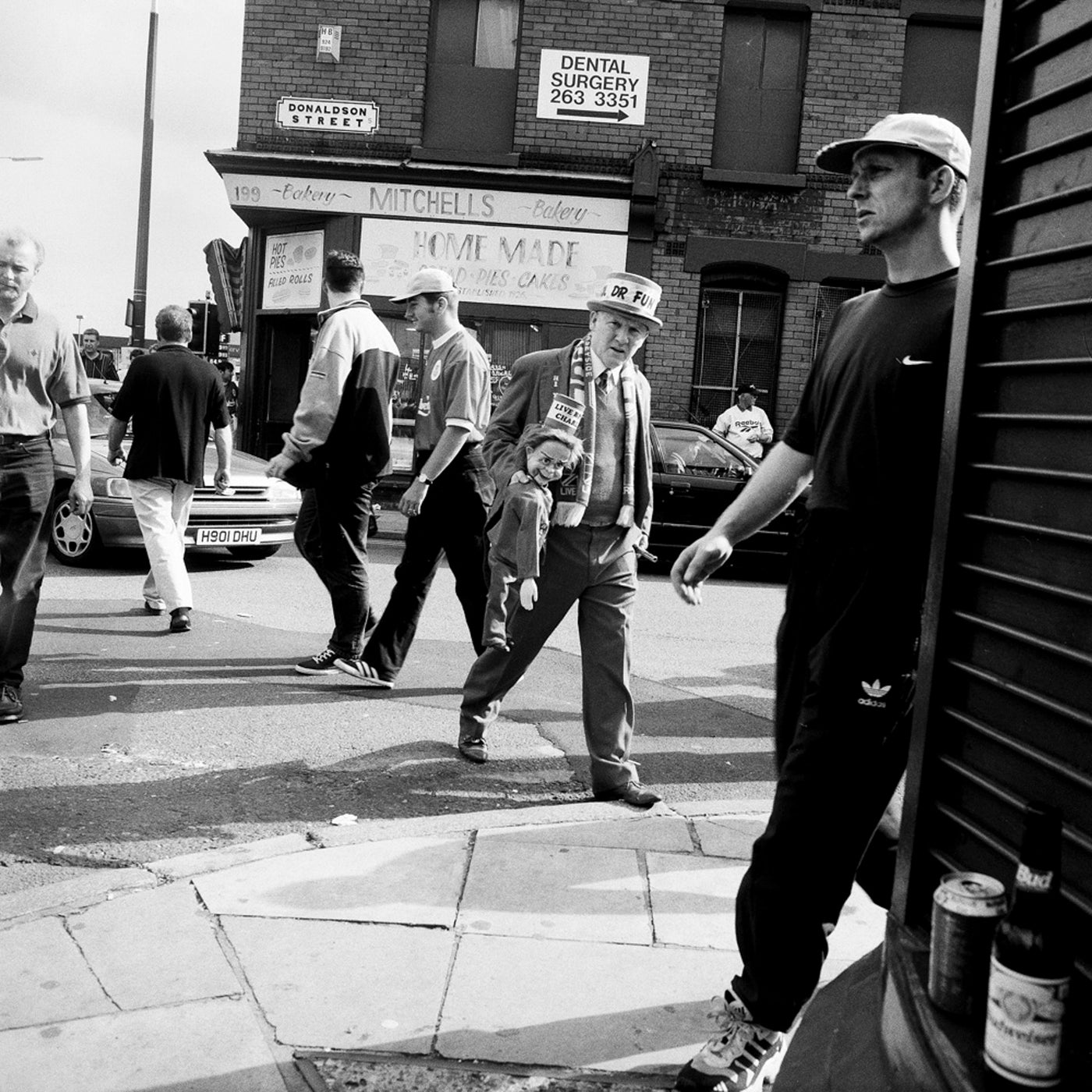
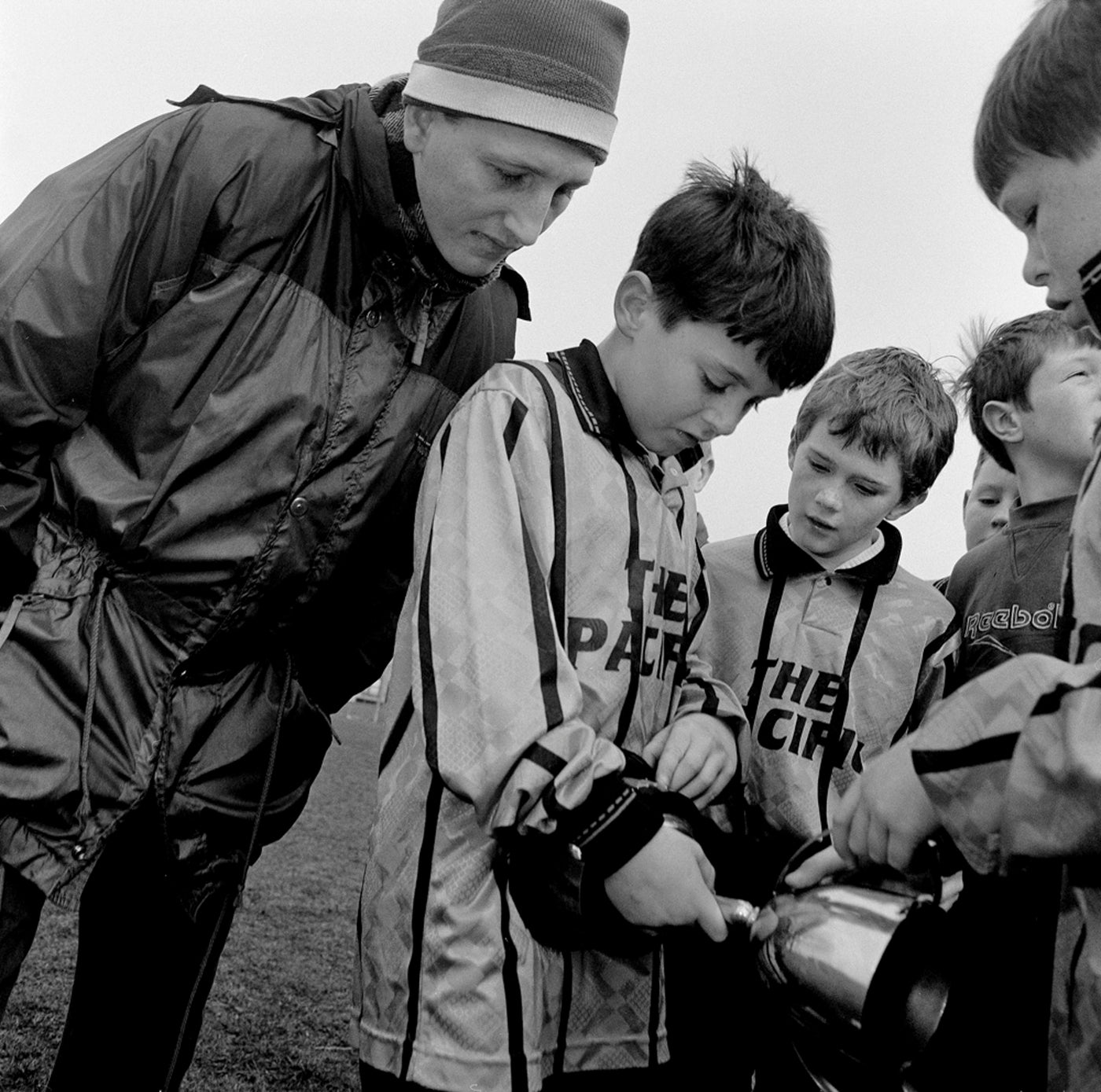
Grant's other major projects include Flock (2014), a five-year documentation of Britain's last inner-city livestock market in Hereford, published by Artist Photo Books in Dublin; and A Topical Times for These Times (2016), published by RRB Publishing, a book spanning decades of Liverpool football culture. Rather than photographing inside stadiums, Grant captured the streets, bars, pitch sides, and buses across the city — the youth games, local bar teams, and match day rituals that constitute the real fabric of football culture. The title references the boys' sports annuals of the 1970s and 1980s.
Grant's literary sensibility runs deep. His work is informed by the fiction of Raymond Carver, Richard Yates, and Flannery O'Connor — writers who illuminate the tensions between people as they work out ways to be with each other and keep going. His favourite photograph is one made by Henri Cartier-Bresson in Liverpool in 1962, showing three young girls walking through bomb-damaged streets — an image that connects the French master's eye to Grant's own city and his own preoccupations.
Alongside his photographic practice, Grant has had a distinguished career in education. He served as Course Leader of BA Documentary Photography at the University of Wales, Newport from 1998 to 2013, before moving to Belfast to become Course Director of the MFA Photography programme at the Belfast School of Art, Ulster University. His approach to teaching mirrors his approach to photography: patient, deeply engaged, and rooted in the conviction that photography cannot be separated from the rest of one's life. In 2022, he curated and edited the Chris Killip retrospective for Thames & Hudson, working with long-time collaborator Tracy Marshall-Grant — a project that toured from The Photographers' Gallery in London to the Baltic in Gateshead, Deutsche Börse in Frankfurt, and Fotomuseum Den Haag.
Grant's work is held in the collections of MoMA, New York; the Folkwang Museum, Essen; The Parr Foundation; and The Hyman Collection. He has been included in Facing Britain, a major touring survey of British documentary photography since the 1960s, alongside Martin Parr, David Hurn, and other defining figures of the tradition. He remains one of the most quietly influential voices in British photography — a photographer whose commitment to sustained, empathetic observation of working-class life has produced a body of work that will endure long after the communities it records have changed beyond recognition.