Julian Germain was born in 1962 in England and studied photography at the Royal College of Art in London. From the outset of his career, he distinguished himself from the prevailing currents of British art photography by his commitment to collaborative, long-term projects that prioritised human relationships over aesthetic display. While many of his contemporaries were drawn to the constructed image or to the conceptual strategies of the gallery world, Germain pursued a practice rooted in the patient observation of ordinary lives and the belief that photography's greatest power lies not in the single striking image but in the sustained, attentive engagement with a subject over time.
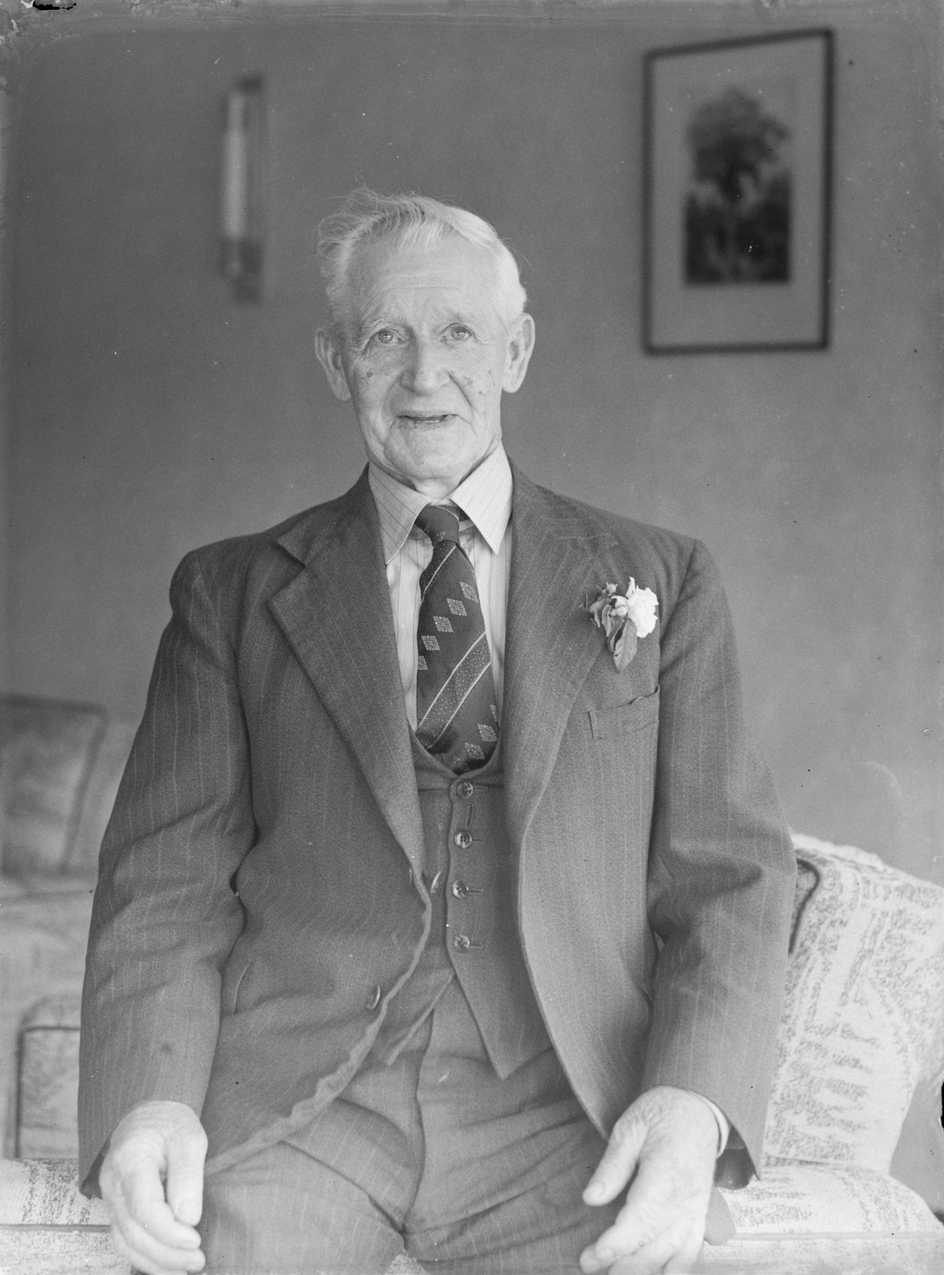
The work that established Germain's reputation and remains his most celebrated achievement is For Every Minute You Are Angry You Lose Sixty Seconds of Happiness, a project that began in the early 1990s and continued for over a decade. The book documents the life of Charles Albert Lucien Snelling, an elderly man living alone in a small house in the northeast of England. Through photographs, found objects, handwritten notes, and fragments of Charles's own archive, Germain constructed an intimate portrait of a single life — its routines, its possessions, its memories, and its quiet dignity. The project was made possible only by the deep trust that developed between photographer and subject over years of regular visits, and the resulting book is as much a testament to that relationship as it is a document of one man's existence.
What makes For Every Minute You Are Angry remarkable is its form as much as its content. Germain conceived the book not as a conventional photographic monograph but as a kind of visual biography, interweaving his own photographs with reproductions of Charles's personal photographs, postcards, handwritten lists, and domestic ephemera. The design, produced in close collaboration with the designer Patricia de Melo e Lopes, created a layered, almost archaeological experience in which the reader piece together the texture of a life from its material traces. The book was widely recognised as a masterpiece of the photobook form, winning numerous awards and establishing Germain as one of the most innovative bookmakers in contemporary photography.
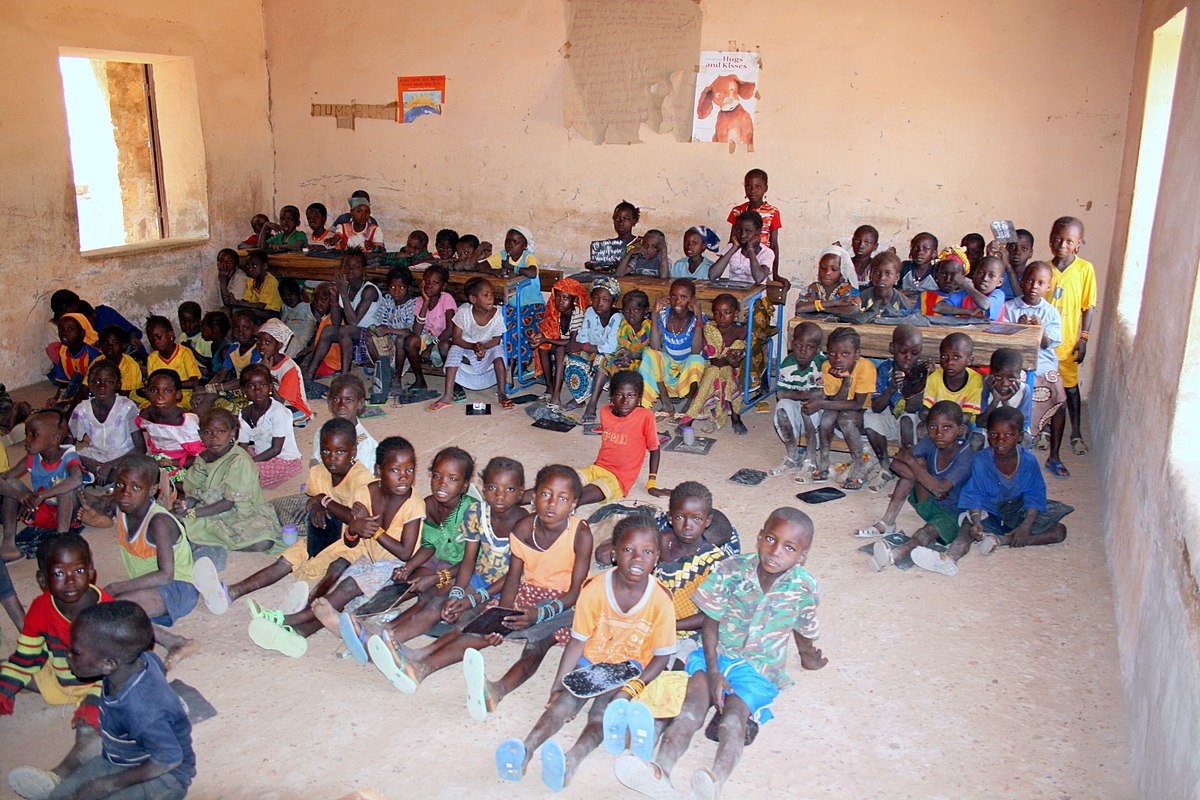
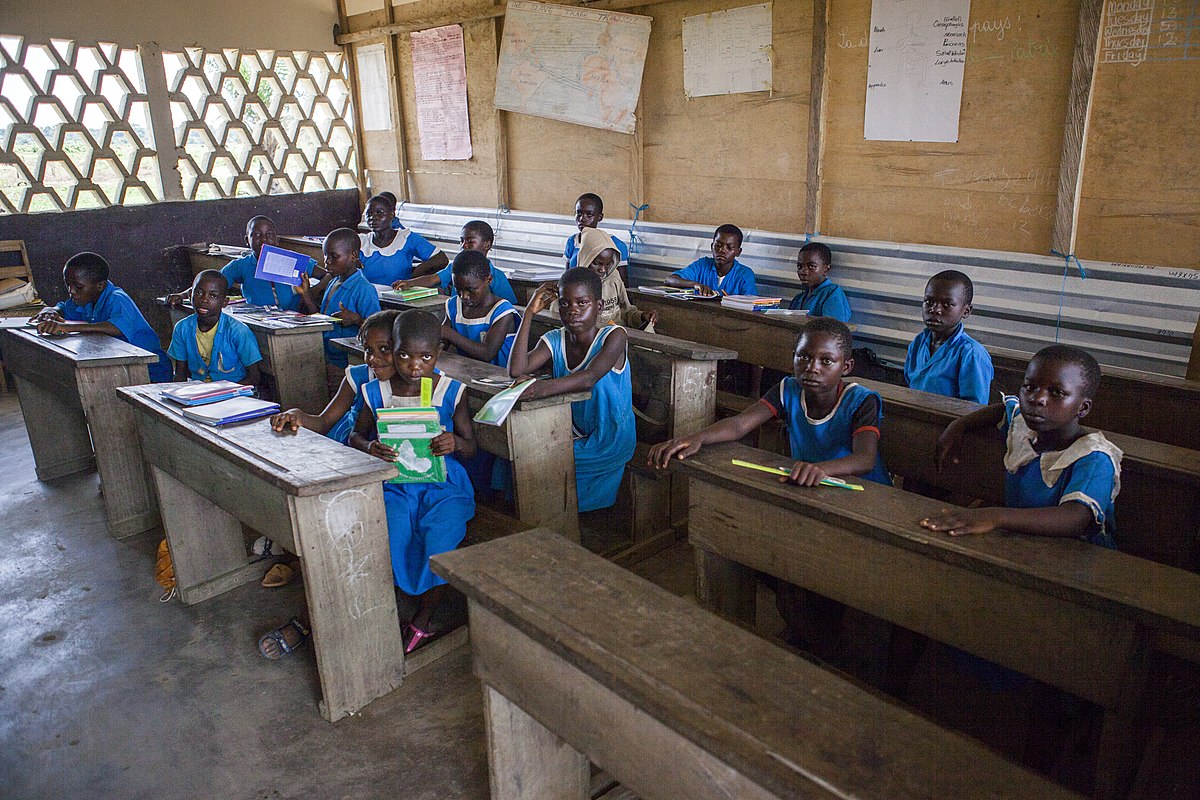
In the mid-2000s, Germain embarked on what would become his other major long-term project: Classroom Portraits. Over a period of more than a decade, he travelled to schools across the world — in England, Brazil, Nigeria, Japan, Yemen, Peru, and many other countries — and photographed classes of children seated at their desks, facing the camera. Each photograph was made with the same formal approach: a single, frontal view of an entire classroom, capturing every child, every desk, every detail of the physical environment in which education takes place. The resulting images, when seen together, form a global typology of the classroom that is simultaneously a comparative study of educational infrastructure, social conditions, and the universal experience of childhood.
The Classroom Portraits project exemplifies Germain's approach to photography as a social practice. Each photograph required negotiation with schools, teachers, and sometimes government authorities; each visit involved spending time with the children and the community before making the image. The formal simplicity of the photographs — each one a straightforward group portrait — belies the complexity of the human interactions required to produce them. And when the images are placed side by side, the differences between the classrooms — in space, equipment, lighting, the number and demeanour of the children — speak volumes about global inequality, educational aspiration, and the conditions under which learning takes place around the world.
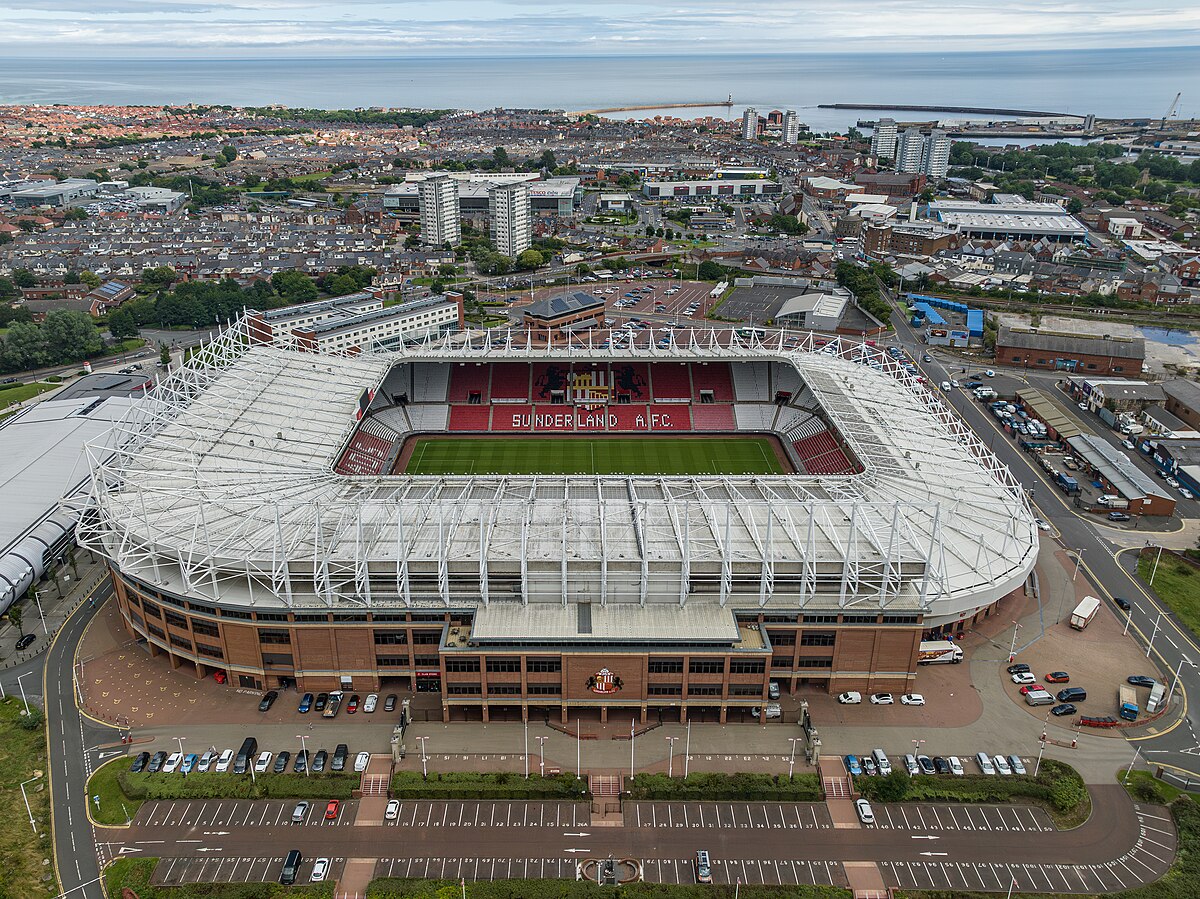
Throughout his career, Germain has maintained a commitment to the photobook as the primary vehicle for his work. His books are conceived as complete objects, with every aspect of design, sequencing, and material choice contributing to the reader's experience. He has also been an influential teacher at the University of Sunderland and other institutions, passing on his belief that photography is most powerful when it emerges from genuine human connection and sustained commitment to a subject.
Germain's work occupies a distinctive place in contemporary British photography. It is neither the cool detachment of the conceptual tradition nor the dramatic urgency of photojournalism, but something quieter and more radical: a practice built on the conviction that staying with a subject — returning, listening, paying attention — produces work of a depth and humanity that no amount of technical virtuosity or strategic cleverness can replicate. In an age of instantaneous image-making and ephemeral attention, his work stands as a testament to the irreplaceable value of time.