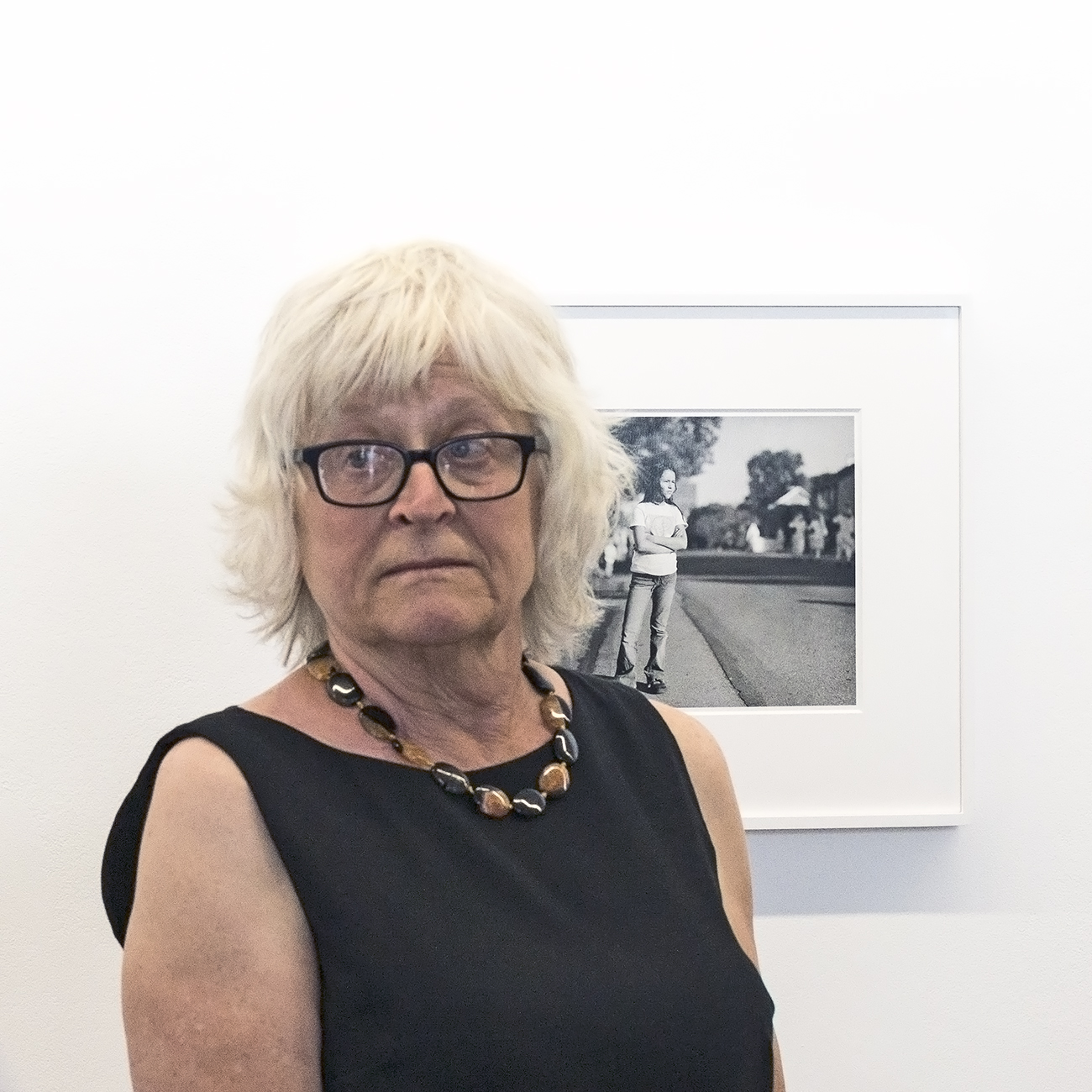
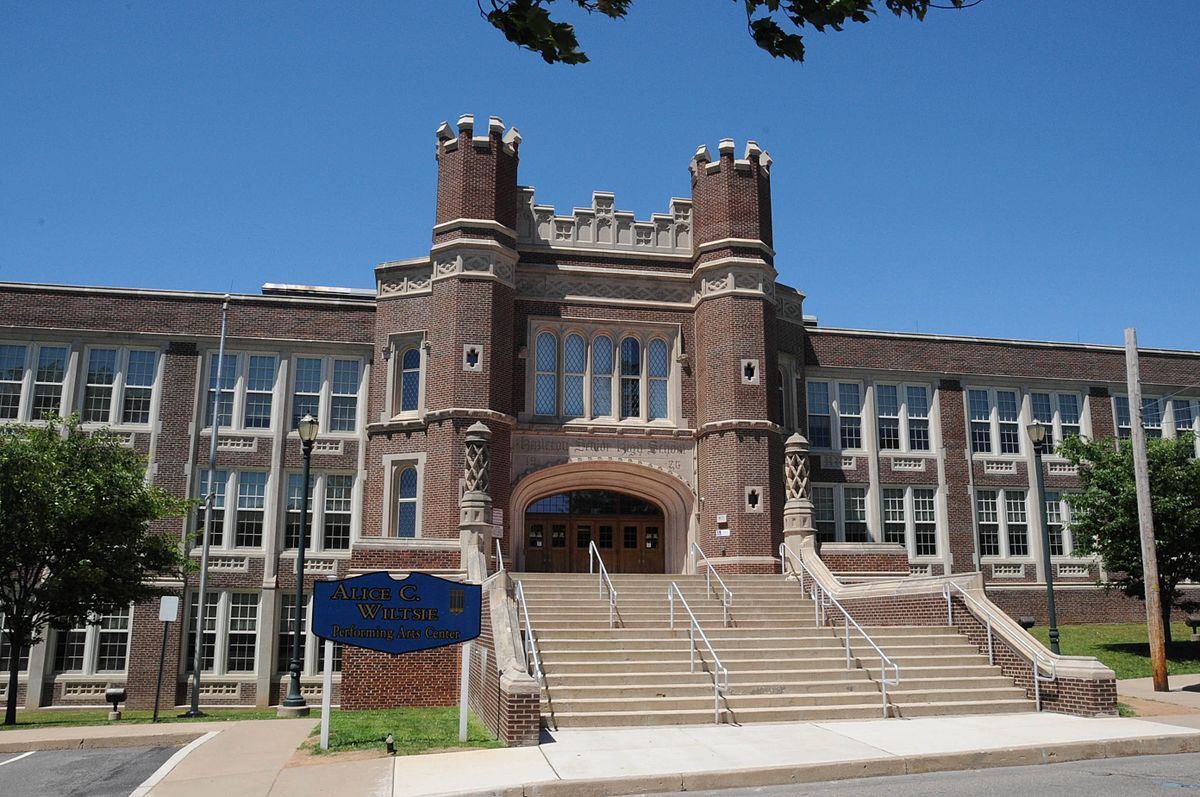
Judith Joy Ross was born in 1946 in Hazleton, Pennsylvania, a small coal-mining city in the northeastern part of the state. She has lived and worked in the same region for most of her life, and this rootedness — this commitment to a particular place and its people — is central to understanding her photographic practice. Ross studied at the Art Institute of Philadelphia and later earned her MFA at the Institute of Design at the Illinois Institute of Technology in Chicago, where she encountered the legacy of Aaron Siskind and the rigorous formalism of the New Bauhaus tradition. But it was the discovery of the work of August Sander and, above all, the luminous platinum prints of the nineteenth-century British photographer Julia Margaret Cameron that would most profoundly shape her approach to portraiture.
In the early 1980s, Ross acquired an 8x10 large-format view camera and began photographing visitors to Eurana Park, a public swimming pool and recreation area in the small town of Weatherly, near Hazleton. These early portraits — of children, teenagers, and adults caught in moments of unselfconscious ease — announced the qualities that would define her entire body of work: an extraordinary intimacy, a sensitivity to the vulnerability of the human face, and a technical mastery of natural light that gave her prints a luminosity reminiscent of the wet-plate era. The large-format camera, with its slow, deliberate process, demanded cooperation from the subject, and the resulting images possess a quality of mutual attention — a sense that photographer and subject are genuinely seeing each other — that is rare in portraiture of any era.
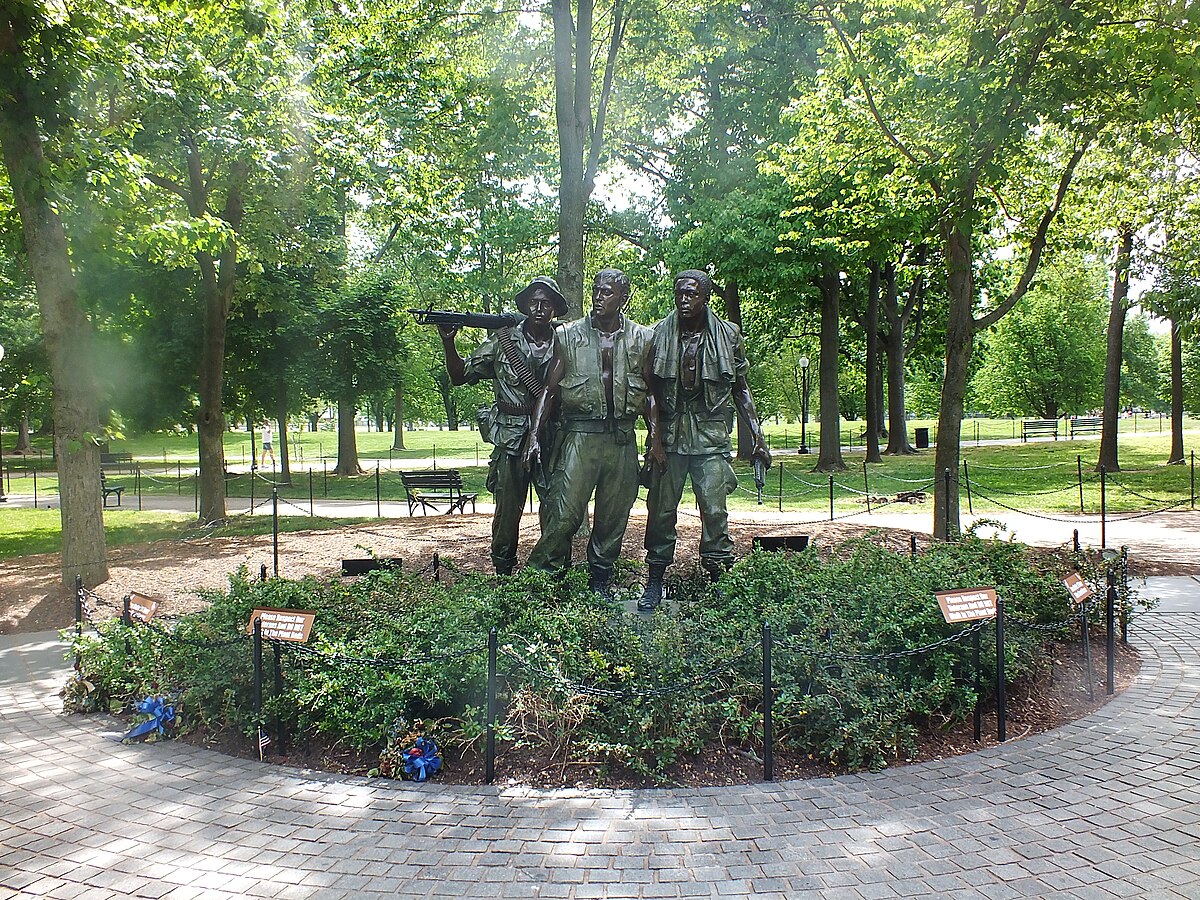
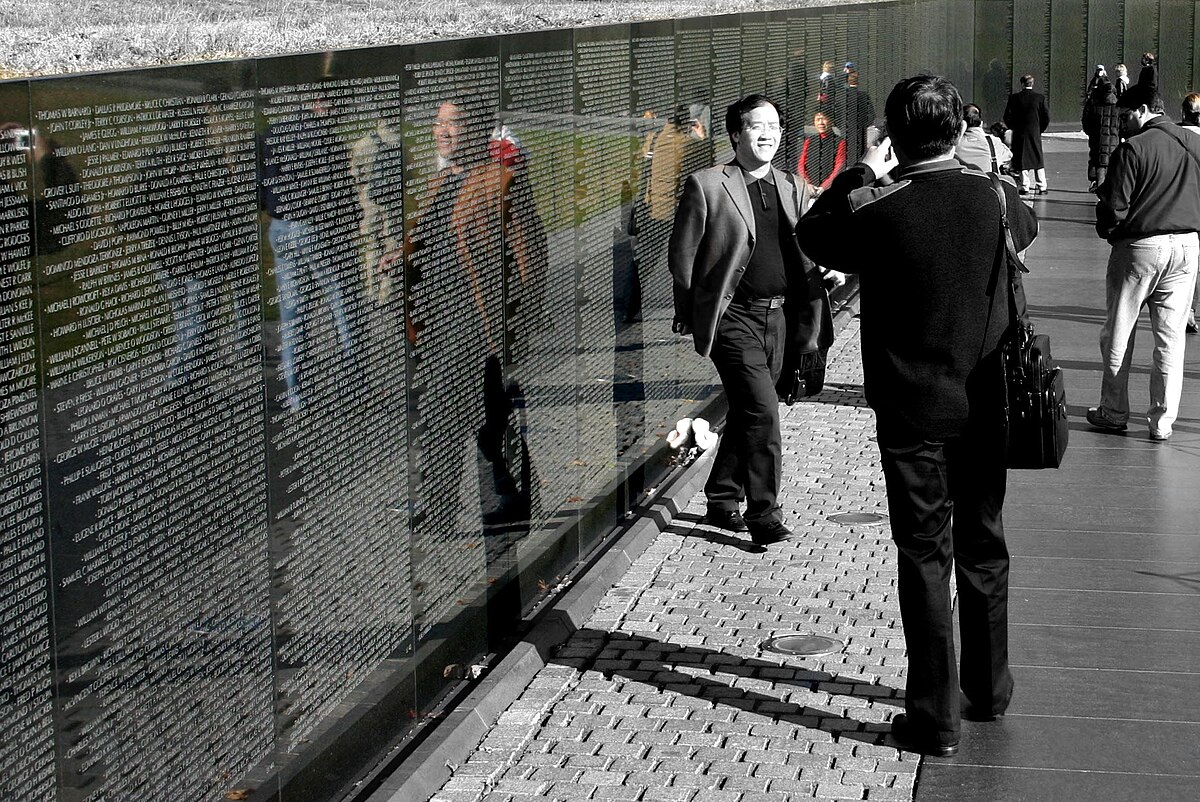
The Eurana Park photographs established Ross's reputation, but it was her 1984 series of portraits at the Vietnam Veterans Memorial in Washington, D.C., that brought her work to national attention. Photographing visitors to Maya Lin's memorial, Ross captured faces marked by grief, remembrance, and the complex emotions stirred by confrontation with the names of the dead. These portraits, made with the same 8x10 camera and the same patient, respectful approach she had brought to the park, demonstrated that her method could engage with subjects of profound political and historical weight without sacrificing the intimacy that was her hallmark.
In the years that followed, Ross undertook a series of projects that expanded the scope of her portraiture while maintaining its essential character. She photographed members of the United States Congress, creating portraits that stripped away the artifice of political self-presentation to reveal the human beings beneath. She photographed soldiers at Fort Dix, New Jersey, as they prepared for deployment to the Gulf War in 1990, producing images of young men and women on the threshold of an experience that might transform or destroy them. And she returned repeatedly to the schoolchildren of Hazleton, photographing first graders, fifth graders, and high school students with a tenderness and directness that made each child's individuality visible and unmistakable.
What distinguishes Ross's portraits from nearly all other large-format portraiture is their emotional openness. Where Richard Avedon's large-format portraits are dramatic and confrontational, and where Rineke Dijkstra's are cool and analytical, Ross's are warm, generous, and almost startlingly intimate. Her subjects appear to trust the camera, or at least to have been put at ease by the photographer's manner, and as a result they present themselves with a vulnerability that is both moving and slightly unsettling. The children, in particular, are remarkable — their faces are open, unguarded, full of the complexity that adult conventions of self-presentation work so hard to conceal.
Ross's technical approach is inseparable from her artistic vision. She works exclusively with natural light, preferring the soft, diffused illumination of overcast days or open shade that wraps around her subjects and reveals the subtle topography of the face. Her printing process — she has worked extensively with both silver gelatin and platinum palladium prints — produces images of exceptional tonal richness, with a warmth and depth that enhance the emotional register of the portraits. The large-format negative captures detail that smaller formats cannot, and Ross uses this descriptive power not for clinical precision but for a kind of tenderness — every freckle, every strand of hair, every crease of expression is recorded with a care that speaks of the photographer's respect for her subjects.
Now in her late seventies, Ross continues to photograph in the region where she has spent her life. Her body of work constitutes one of the most sustained and moving portraits of ordinary American life produced in the late twentieth and early twenty-first centuries. In an era of digital speed and disposable imagery, her commitment to the slow, deliberate process of large-format photography — and to the belief that every face is worthy of the attention that process demands — stands as a quiet rebuke to the culture of the snapshot and a testament to the enduring power of the photographic portrait.