John Scott is a British documentary photographer whose work belongs to the tradition of sustained, community-based photographic practice that has been one of the most distinctive contributions of British photography to the wider medium. Working primarily in the towns, estates, and post-industrial landscapes of England, Scott has built a body of work characterised by a quiet insistence on looking carefully at places and people that are routinely overlooked or misrepresented in mainstream media. His photographs are not polemical or campaigning in nature; rather, they offer a patient, respectful, and often tender record of communities navigating the complex legacies of deindustrialisation, social policy, and economic change.
Scott's approach to documentary photography reflects the influence of the British social documentary tradition that stretches back through Chris Killip, Graham Smith, and Sirkka-Liisa Konttinen to the Mass Observation movement and the Picture Post era of the mid-twentieth century. Like these predecessors, Scott understands that meaningful documentary work requires time — not the brief visit of the photojournalist but the sustained engagement of a photographer who returns to the same communities over months and years, building the trust and understanding that allow genuine intimacy to develop between subject and photographer.
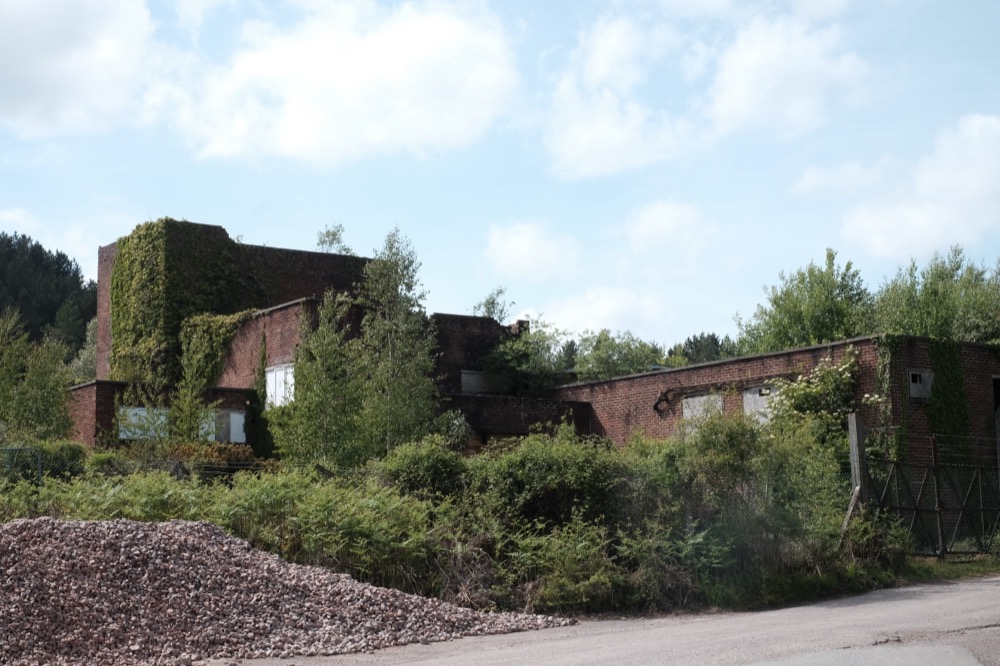
His work in the post-industrial landscapes of northern and central England documents the physical and social transformation of places that were shaped by coal, steel, textiles, and manufacturing. The demolition of council estates, the conversion of industrial buildings into retail parks, the slow decay of high streets, the persistence of community in the face of economic abandonment — these are the subjects that recur throughout Scott's photography. He photographs them without sentimentality or nostalgia, acknowledging both the hardship and the resilience that characterise these places, and finding in them a visual richness that contradicts the bleak stereotypes perpetuated by outsiders.
Central to Scott's practice is the portrait. His photographs of individuals and families within their homes, workplaces, and social spaces are made with a directness and respect that recalls the portraiture of August Sander and Walker Evans, though the context is distinctly British. There is a formality to many of these portraits — the subjects face the camera directly, their surroundings carefully observed — that speaks to a collaborative relationship between photographer and subject. These are not candid images snatched from the street but considered pictures made with the knowledge and consent of those depicted, and this quality of consent gives them a dignity that is central to Scott's ethical approach.
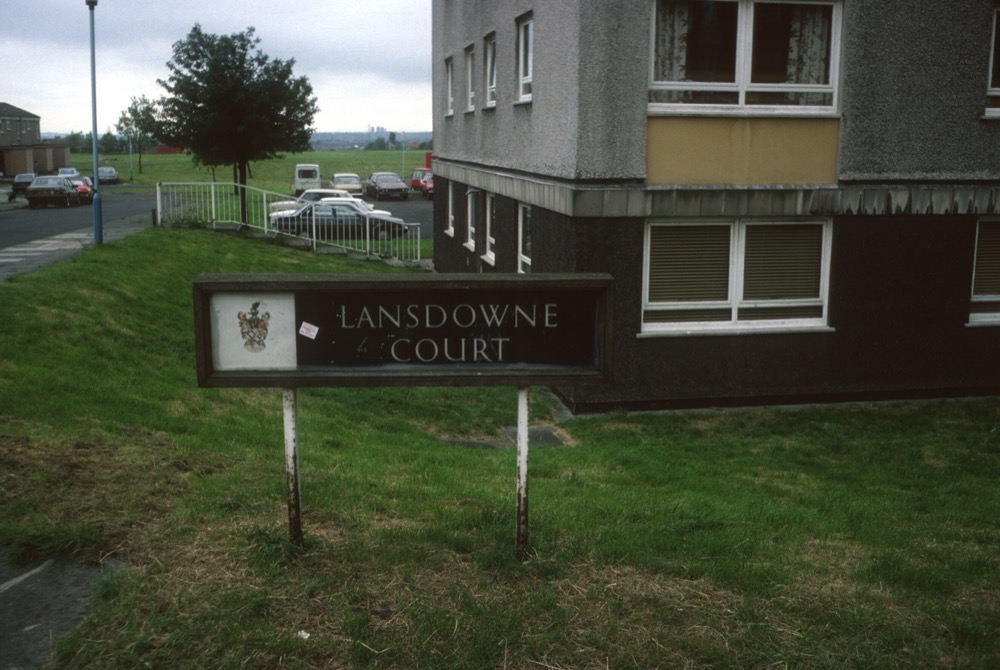
Scott's engagement with the built environment is equally significant. His photographs of housing estates, terraced streets, public spaces, and institutional interiors constitute a visual archive of a rapidly changing Britain. He documents the specific textures and details of these environments — the patterned wallpaper of a front room, the signage of a working men's club, the concrete geometry of a housing block — with an attentiveness that elevates the ordinary to the level of social history. In an era when such environments are being demolished, redeveloped, or simply forgotten, Scott's photographs serve as essential records of the material culture of working-class Britain.
His work has been exhibited in galleries and published in photobooks and journals, contributing to the broader conversation about documentary photography's role in recording and interpreting social change. Scott represents a continuation of the tradition that insists photography can be simultaneously art and document, aesthetic object and social witness — and that the most powerful photographs are those made by photographers who commit not to subjects but to places and the people who inhabit them.