John Schott is among the least visible yet most conceptually rigorous of the photographers who participated in the landmark 1975 New Topographics: Photographs of a Man-Altered Landscape exhibition at the George Eastman House in Rochester, New York. Born in 1944, Schott studied at the Rochester Institute of Technology and later at the Visual Studies Workshop, where he was immersed in an environment that encouraged the intersection of photography with conceptual art, systems thinking, and the investigation of photographic conventions themselves. It was this intellectual atmosphere, rather than any tradition of landscape or documentary photography, that shaped his approach to the medium.
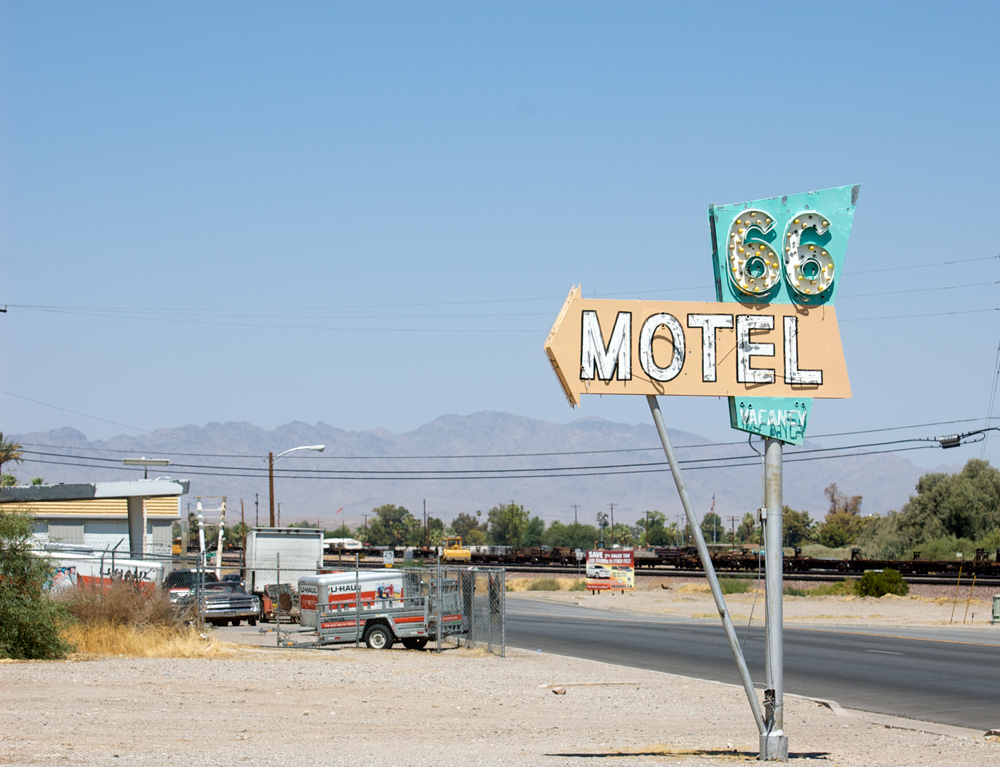
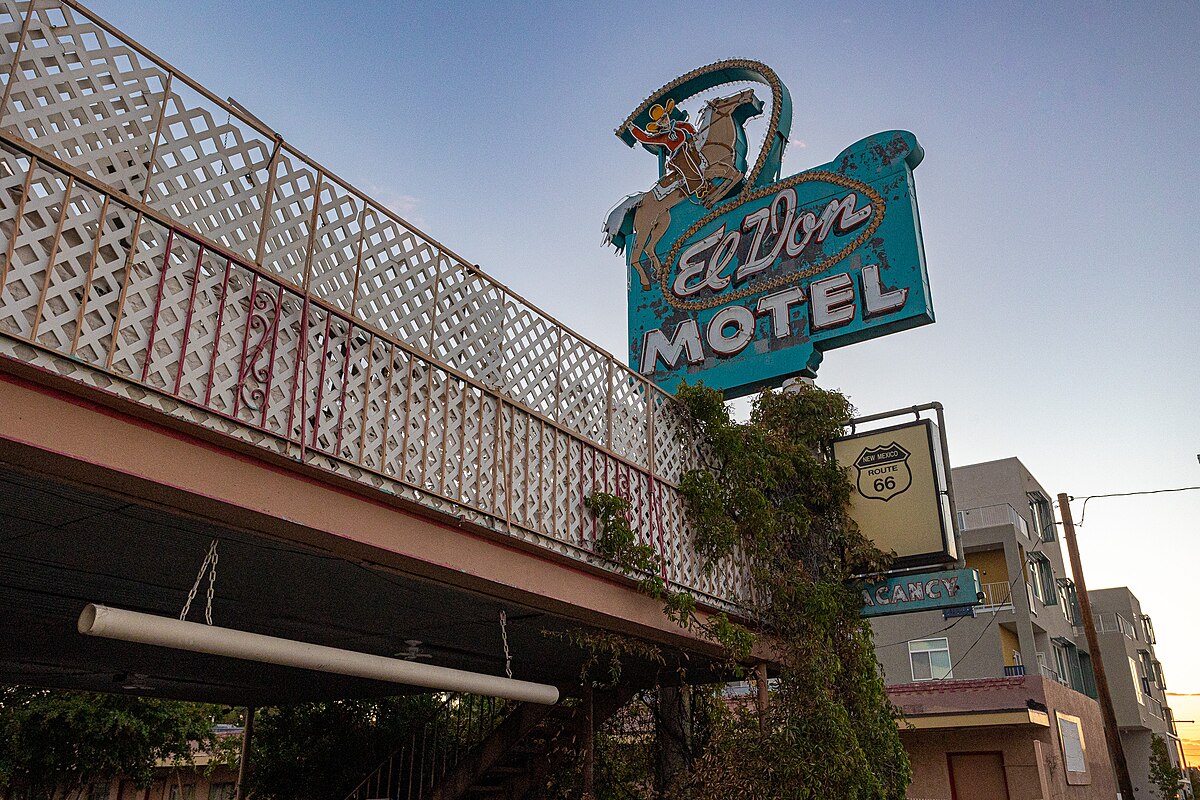
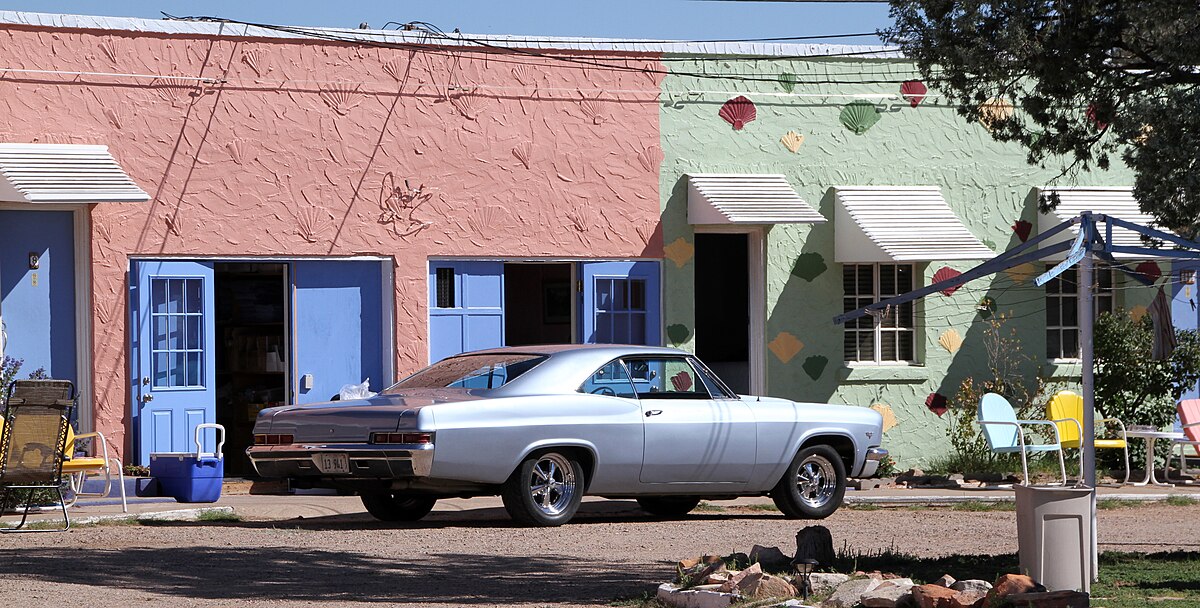
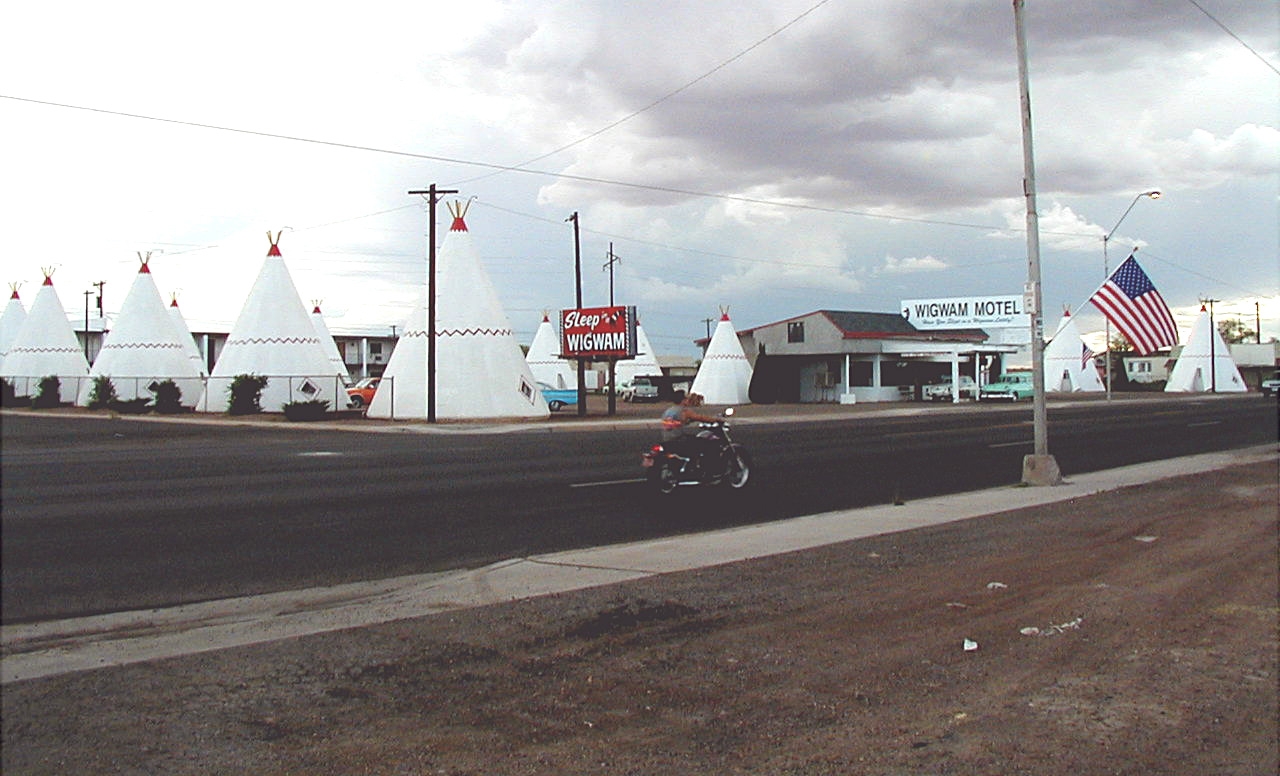
Schott's contribution to the New Topographics exhibition was a series of photographs of motels along Route 66, the legendary American highway that had already begun its decline as the interstate system rendered it increasingly obsolete. But where another photographer might have approached these motels as subjects for nostalgia or social commentary, Schott treated them as elements in a typological study — a systematic investigation of a single building type, photographed under consistent conditions, inviting comparison and classification rather than emotional response. The approach owed a clear debt to Ed Ruscha, whose conceptual photobooks of the 1960s — Twentysix Gasoline Stations, Every Building on the Sunset Strip — had demonstrated that the serial, deadpan photograph could be a vehicle for ideas about repetition, difference, and the visual culture of the American road.
The Route 66 Motels series established Schott's distinctive position within the New Topographics group. Where Robert Adams and Lewis Baltz brought a moral seriousness to their documentation of suburban development, and where Joe Deal adopted an elevated, almost aerial perspective, Schott's approach was more explicitly conceptual. His photographs of motels were not primarily about the motels themselves but about the act of categorisation — about what happens when a photographer applies a systematic method to a class of vernacular objects. Each motel was photographed from a similar distance and angle, under similar lighting conditions, so that the variations between them became visible within a framework of consistency. The result was a body of work that occupied the space between photography and taxonomy, between art and information.
Schott's relationship with Ed Ruscha's work was acknowledged and deliberate. Like Ruscha, he was interested in the way that serial photography could drain its subjects of romantic association and present them as facts — as items in an inventory of the built world. But where Ruscha's approach was often playful and ironic, Schott's was more austere, more committed to the rigour of the typological method. In this respect, his work also anticipated the influence that Bernd and Hilla Becher — fellow participants in the New Topographics exhibition — would exert on subsequent generations of photographers through their systematic studies of industrial architecture.
After the New Topographics exhibition, Schott continued to work as a photographer and educator, though he maintained a relatively low public profile compared to some of his more celebrated fellow exhibitors. He taught at a number of institutions and continued to develop photographic projects that explored the intersection of conceptual method and visual observation. His work remained committed to the idea that photography's greatest strength lay not in the production of singular, expressive images but in its capacity to generate comparative structures — bodies of work in which meaning emerges from the relationships between images rather than from any individual photograph.
The 2009 revival of the New Topographics exhibition brought renewed attention to Schott's work, and subsequent scholarship has increasingly recognised the sophistication and prescience of his contribution. In an era when artists routinely work in series, when typological and systematic approaches have become commonplace in contemporary photography, and when the boundaries between photography and conceptual art have largely dissolved, Schott's Route 66 Motels can be seen as a pioneering work — one that helped establish the intellectual framework within which much of today's most interesting photography operates.