Joel Meyerowitz was born in 1938 in the Bronx, New York, into a working-class family whose world revolved around the dense, teeming streets of the city. He studied painting and medical illustration at Ohio State University, disciplines that sharpened his eye for form, anatomy, and the precise observation of detail. Yet it was not in the studio or the lecture hall that Meyerowitz discovered his vocation. In 1962, while working as a junior art director at an advertising agency, he happened to watch Robert Frank photographing on the street. The encounter was instantaneous and transformative: Meyerowitz saw in Frank's restless, intuitive way of moving through the city a mode of creative engagement that felt more alive, more urgent, than anything he had experienced in his training as an illustrator. He quit his job, bought a 35mm camera, and began photographing the streets of New York.
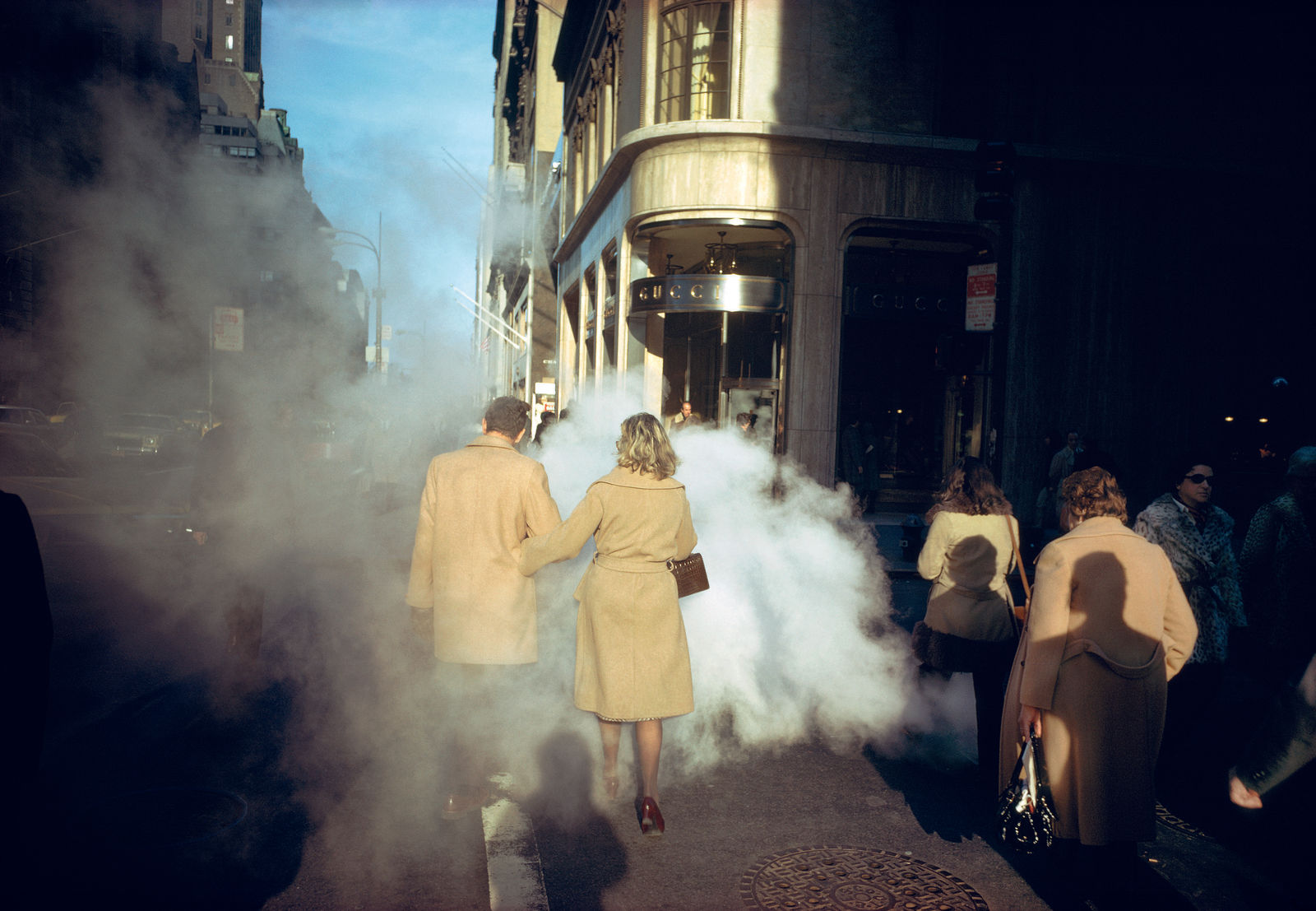
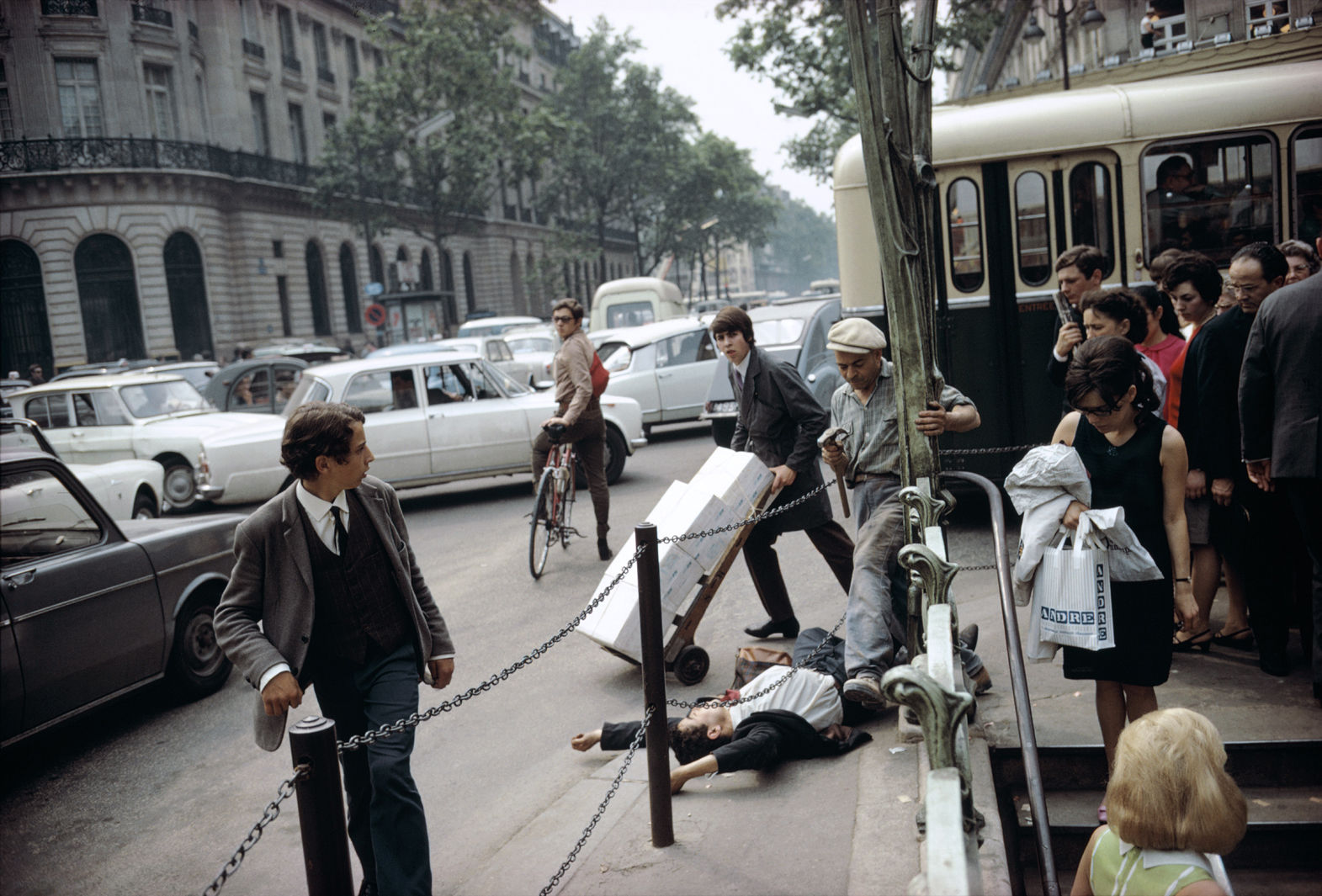
In those early years, Meyerowitz worked in black and white, immersing himself in the traditions of street photography that had been established by Henri Cartier-Bresson, Robert Frank, and the emerging New York school. He found a kindred spirit in Garry Winogrand, with whom he would prowl the avenues of Manhattan, both men shooting fast and instinctively, feeding on the kinetic energy of the crowd. The British photographer Tony Ray-Jones was another close companion during this period. Together, these photographers represented the vital, combative edge of street photography in the 1960s — quick-witted, confrontational, and devoted to the belief that the street was the great theatre of modern life.
The pivotal decision of Meyerowitz's career came in the mid-1960s, when he began to experiment with colour film. At the time, colour photography occupied a precarious position in the art world: it was considered the domain of commercial work, advertising, and amateur snapshots, while serious art photography was almost exclusively the province of black and white. The prejudice ran deep. Galleries refused to show colour work, curators dismissed it as tasteless, and fellow photographers regarded it with suspicion. Meyerowitz, however, recognised that colour was not merely a decorative addition to the photographic image but a fundamental dimension of visual experience. He began carrying two cameras — one loaded with black-and-white film, the other with colour — and by the early 1970s he had committed fully to colour, abandoning black and white altogether.
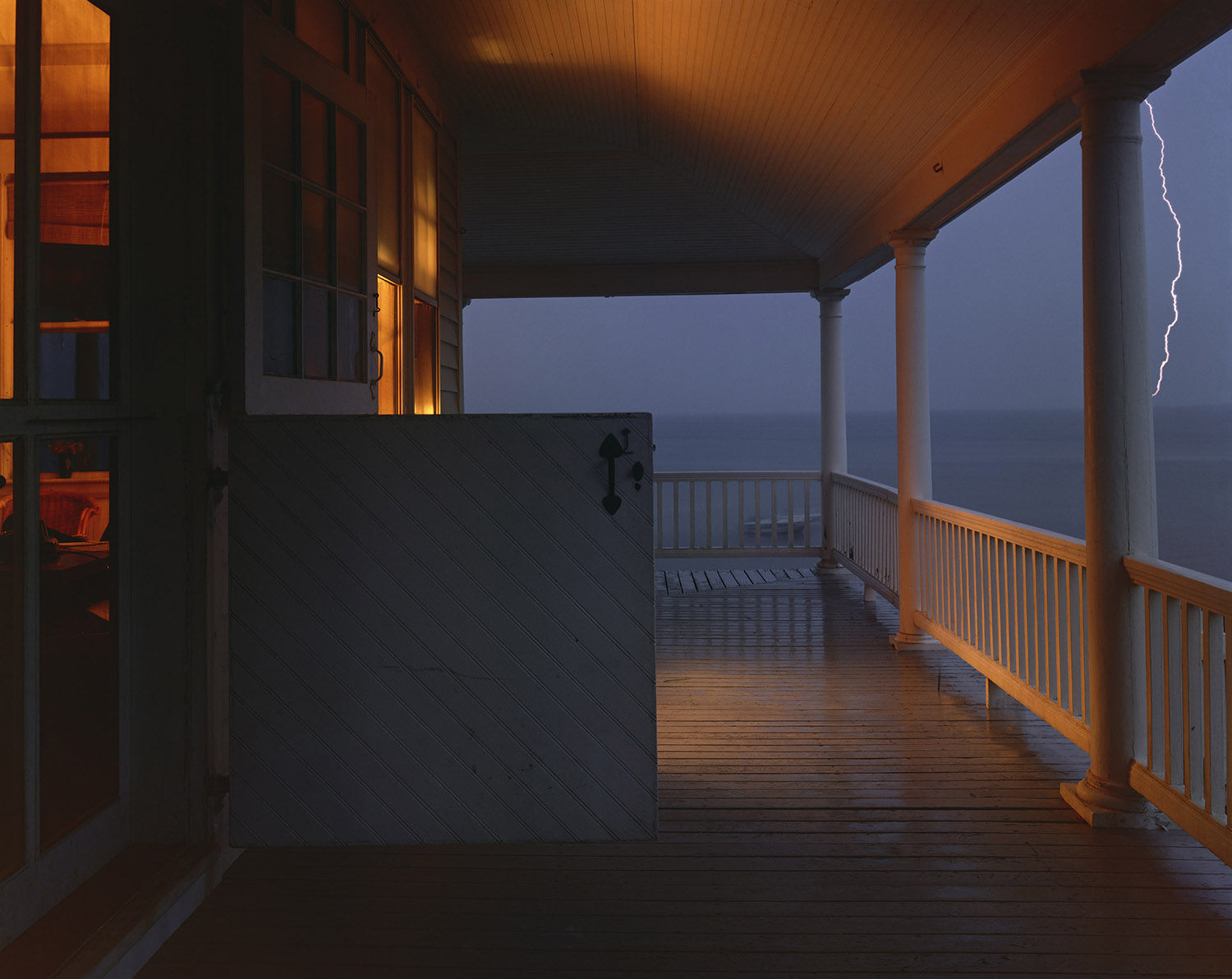
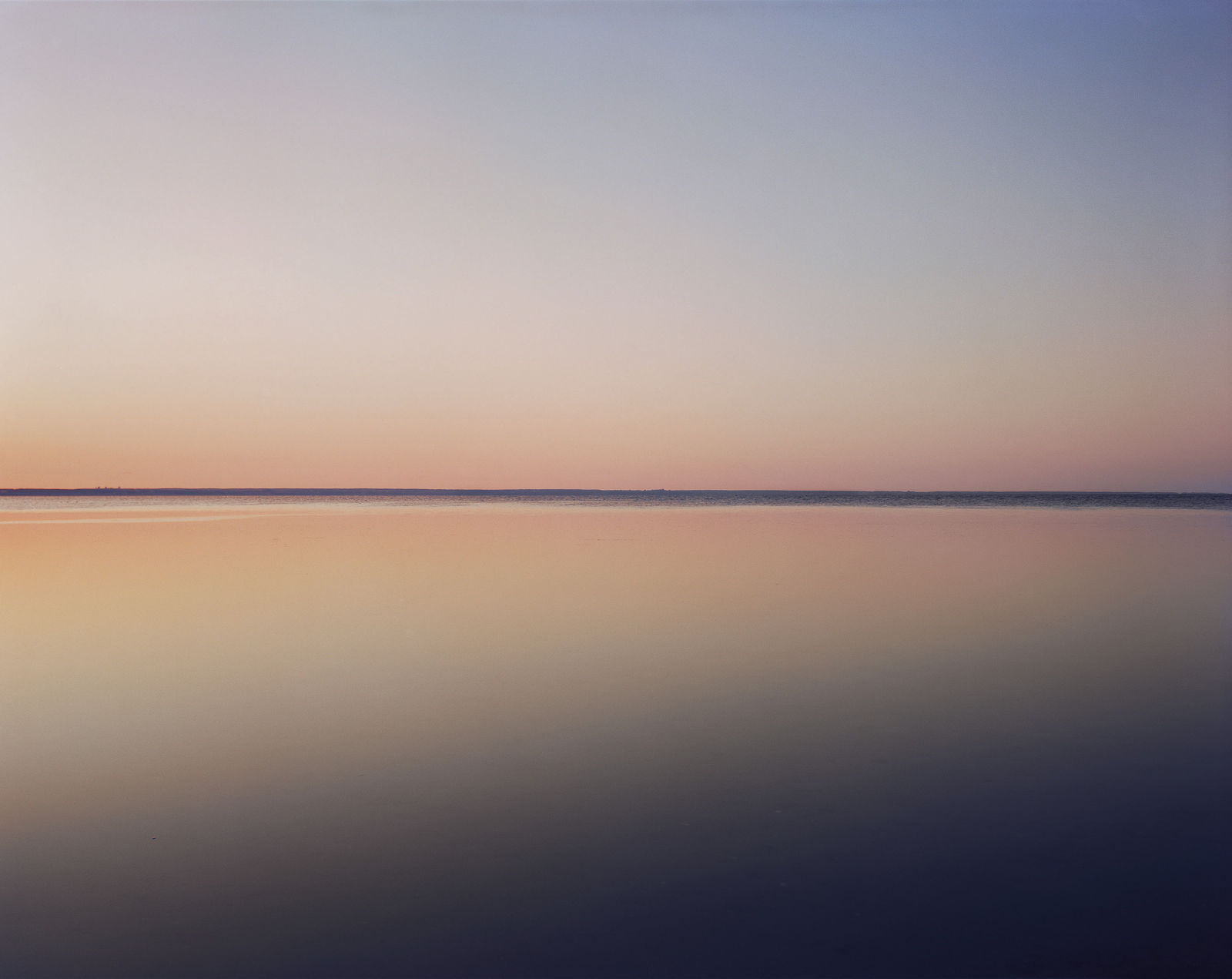
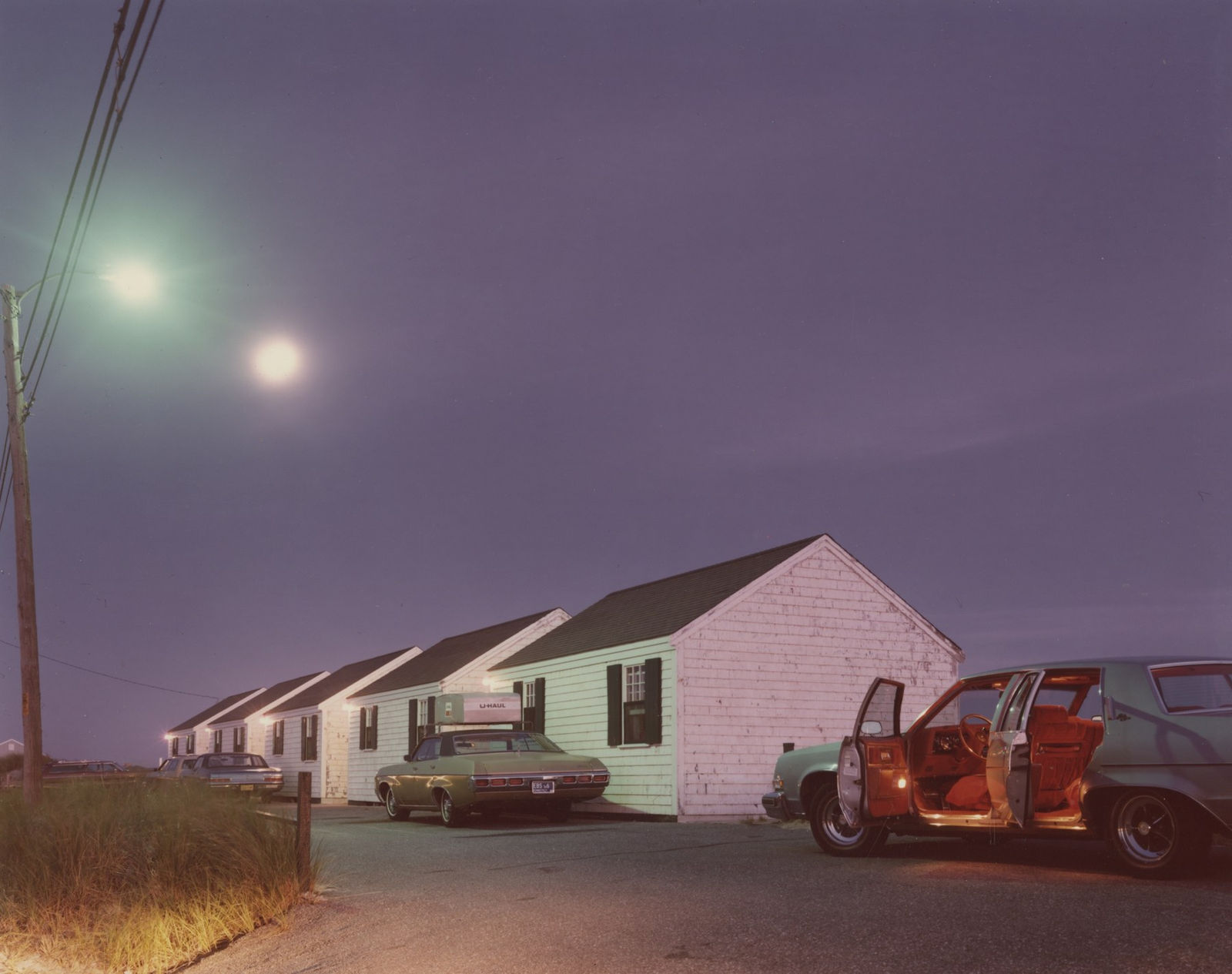
In 1976, Meyerowitz made another radical shift. He traded his handheld 35mm camera for an 8×10 large-format view camera and travelled to Cape Cod, where he began photographing the light, sky, beaches, and porch interiors of Provincetown. The change was dramatic in every sense. Where the 35mm camera rewarded speed and spontaneity, the large-format camera demanded patience, stillness, and an almost meditative attention to the passage of light across a scene. Meyerowitz discovered in Cape Cod a landscape of extraordinary luminosity — the broad, flat horizon where bay met sky, the warm amber light filtering through screen porches, the vast emptiness of off-season beaches — and he rendered it with a richness and subtlety of colour that had rarely been achieved in photography.
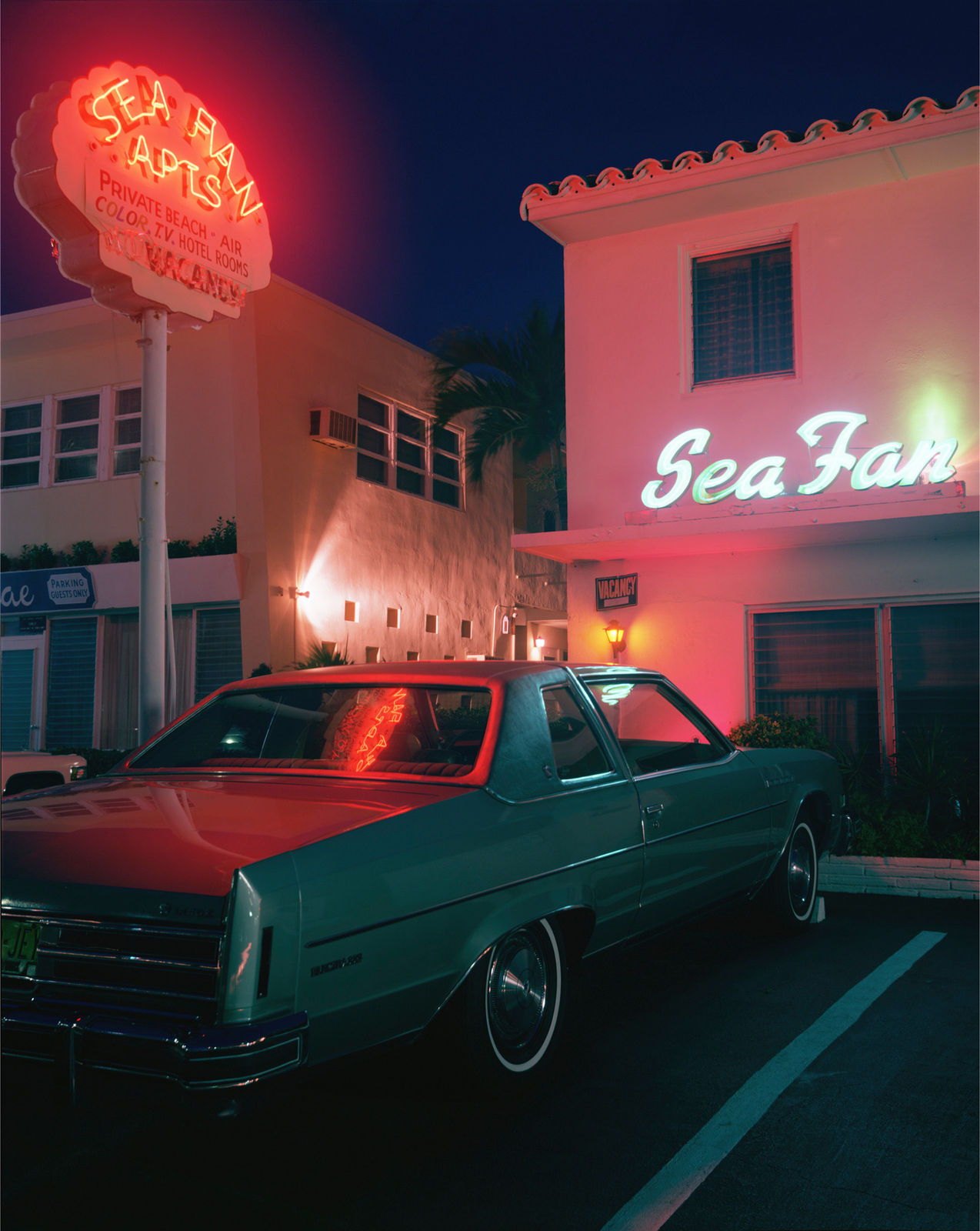
The resulting body of work, published in 1978 as Cape Light, became one of the most celebrated and influential photography books of the twentieth century. The images in Cape Light are quiet, contemplative, and suffused with a quality of attention that borders on reverence. They demonstrated that colour photography could achieve a depth of feeling and a formal sophistication equal to anything in the black-and-white tradition. Alongside the contemporaneous work of William Eggleston and Stephen Shore, Meyerowitz's Cape Cod photographs helped to establish colour as a legitimate and vital medium for fine-art photography, permanently altering the course of the medium.
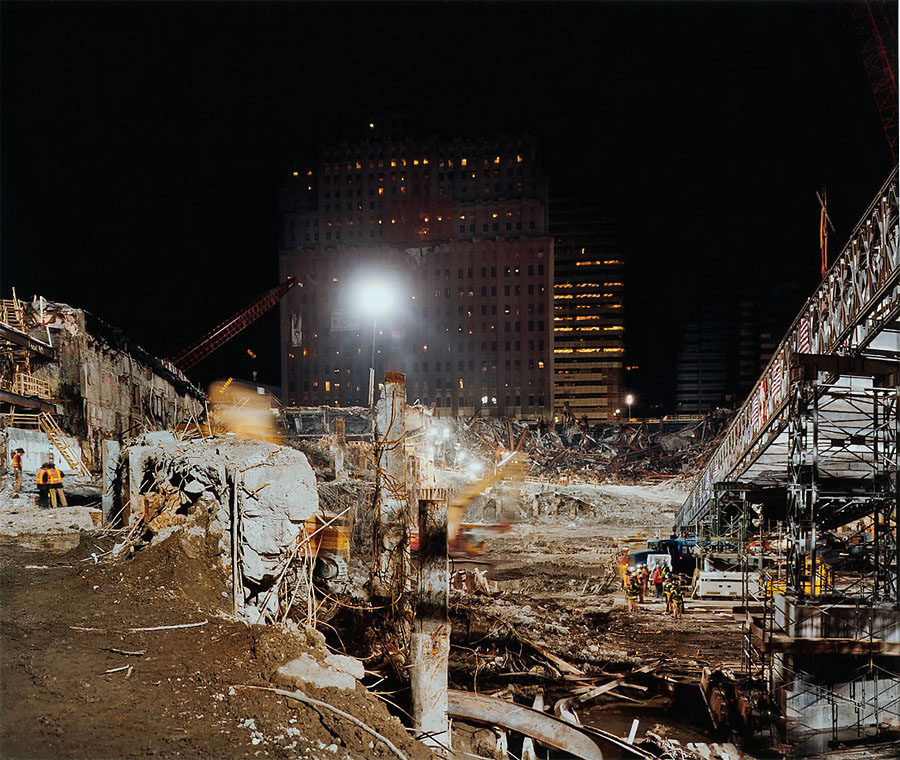
Meyerowitz's career took an unexpected and profoundly important turn on September 11, 2001. In the days following the attacks on the World Trade Center, he became the only photographer granted unrestricted access to Ground Zero. Over the following nine months, he produced more than 8,000 images documenting the recovery effort, the vast scale of the destruction, and the extraordinary human labour of clearing the site. The resulting book, Aftermath, published in 2006, stands as the definitive photographic record of one of the most significant events in American history. The images are at once monumental and intimate, capturing both the overwhelming devastation and the small, deeply human moments of grief, solidarity, and determination that unfolded within it.
Throughout his career, Meyerowitz has been a generous and passionate advocate for photography as both an art form and a way of seeing. His teaching has influenced generations of photographers, and his writing and public speaking — including his widely watched YouTube series How I Make Photographs — have made the craft and philosophy of photography accessible to audiences far beyond the gallery world. He has published more than thirty books and has been exhibited in museums and galleries worldwide, including the Museum of Modern Art, the Art Institute of Chicago, and the British Museum.
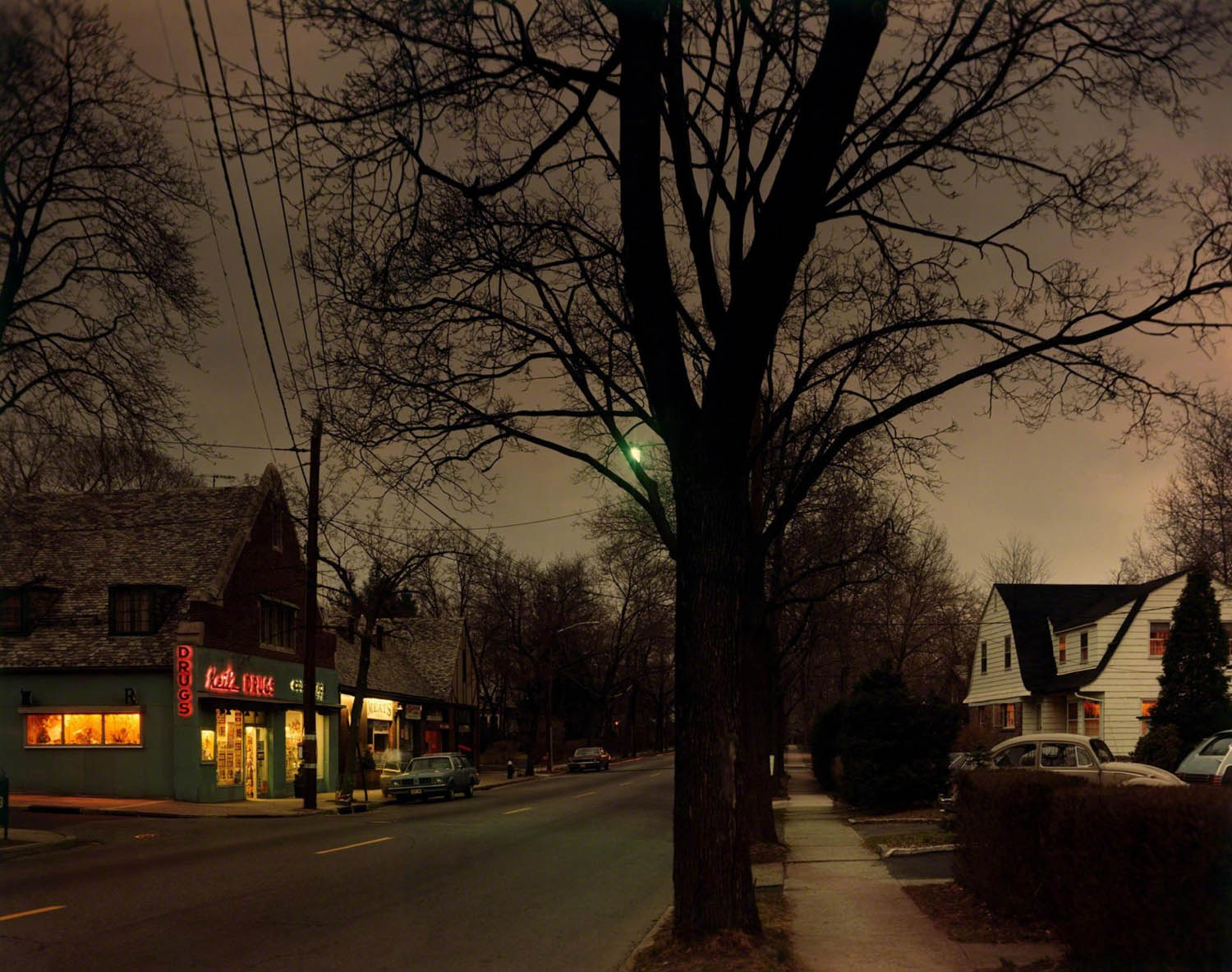
Now in his late eighties, Meyerowitz continues to photograph with undiminished energy and curiosity. His work spans more than six decades and encompasses street photography, landscape, portraiture, and documentary, yet it is unified by a single, abiding conviction: that colour is not incidental to the experience of seeing but is its very essence. Light, for Meyerowitz, is not merely a technical condition but an emotional and spiritual force, and his life's work stands as one of the most eloquent and sustained investigations of that force in the history of photography.