Joe Deal was born in 1947 in Topeka, Kansas, and grew up in the heartland of a country that was rapidly transforming itself. After studying painting at the Kansas City Art Institute, he turned to photography, earning his BFA in 1970 and subsequently pursuing graduate work at the University of New Mexico in Albuquerque under the guidance of Van Deren Coke and Beaumont Newhall. It was in the high desert light of New Mexico that Deal first began to examine the edges of American cities, those transitional zones where suburban development meets open land, and where the mythology of the Western landscape collides with the reality of tract housing, graded earth, and concrete.
His graduate thesis work, completed in 1974, focused on the expanding margins of Albuquerque, and it was this body of photographs that brought him to the attention of William Jenkins, the curator at the George Eastman House who was assembling what would become one of the most significant exhibitions in the history of photography. In January 1975, New Topographics: Photographs of a Man-Altered Landscape opened in Rochester, New York, featuring the work of Deal alongside Robert Adams, Lewis Baltz, Bernd and Hilla Becher, Frank Gohlke, Nicholas Nixon, John Schott, Stephen Shore, and Henry Wessel Jr. The exhibition proposed that the built environment — parking lots, warehouses, new housing developments — was as worthy of photographic attention as the sublime landscapes of the American tradition.
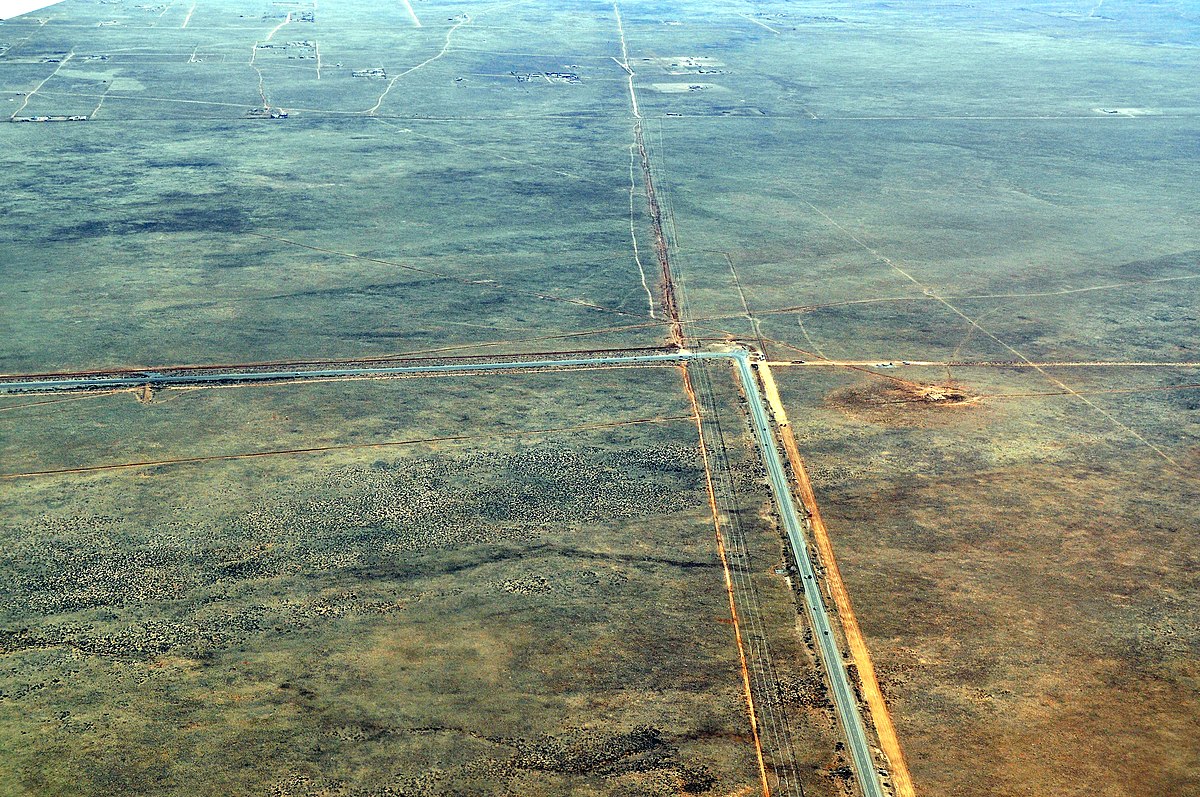
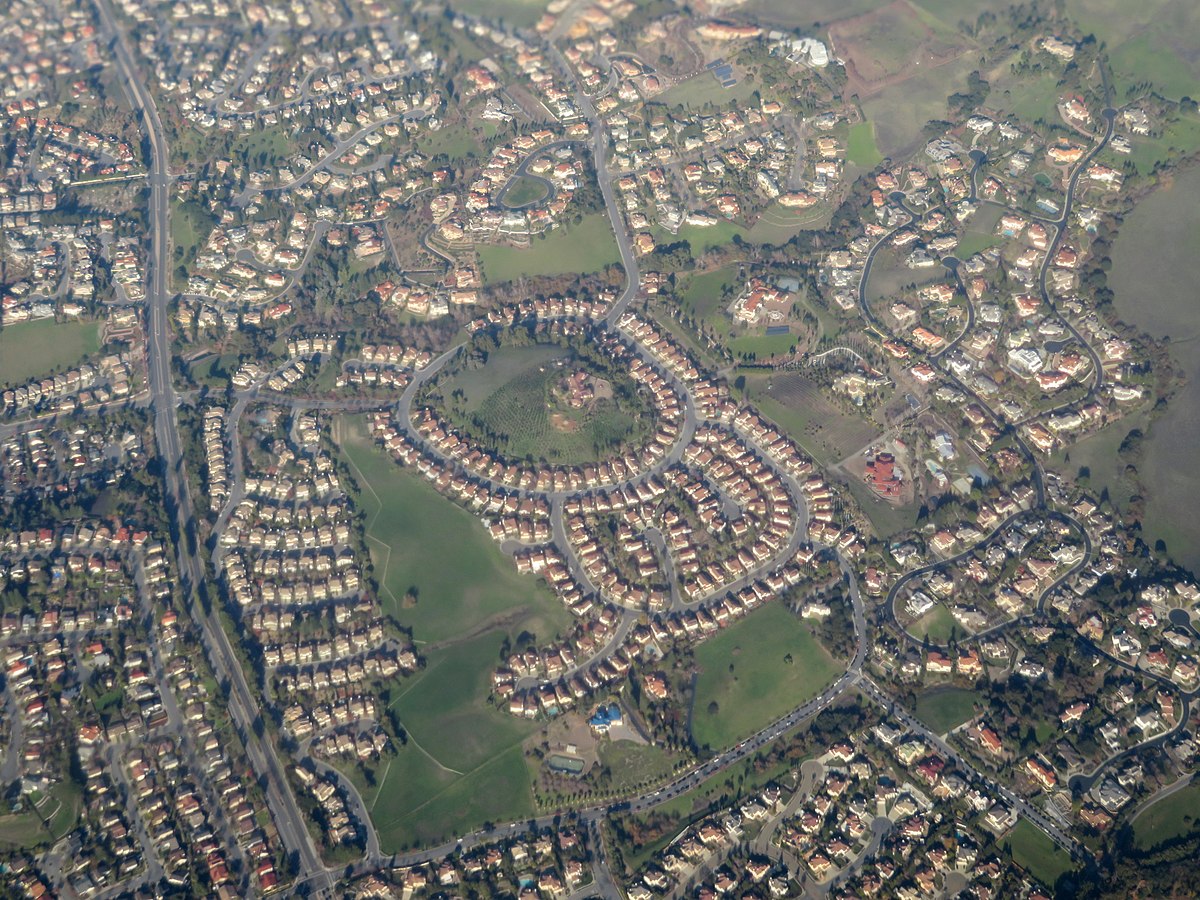
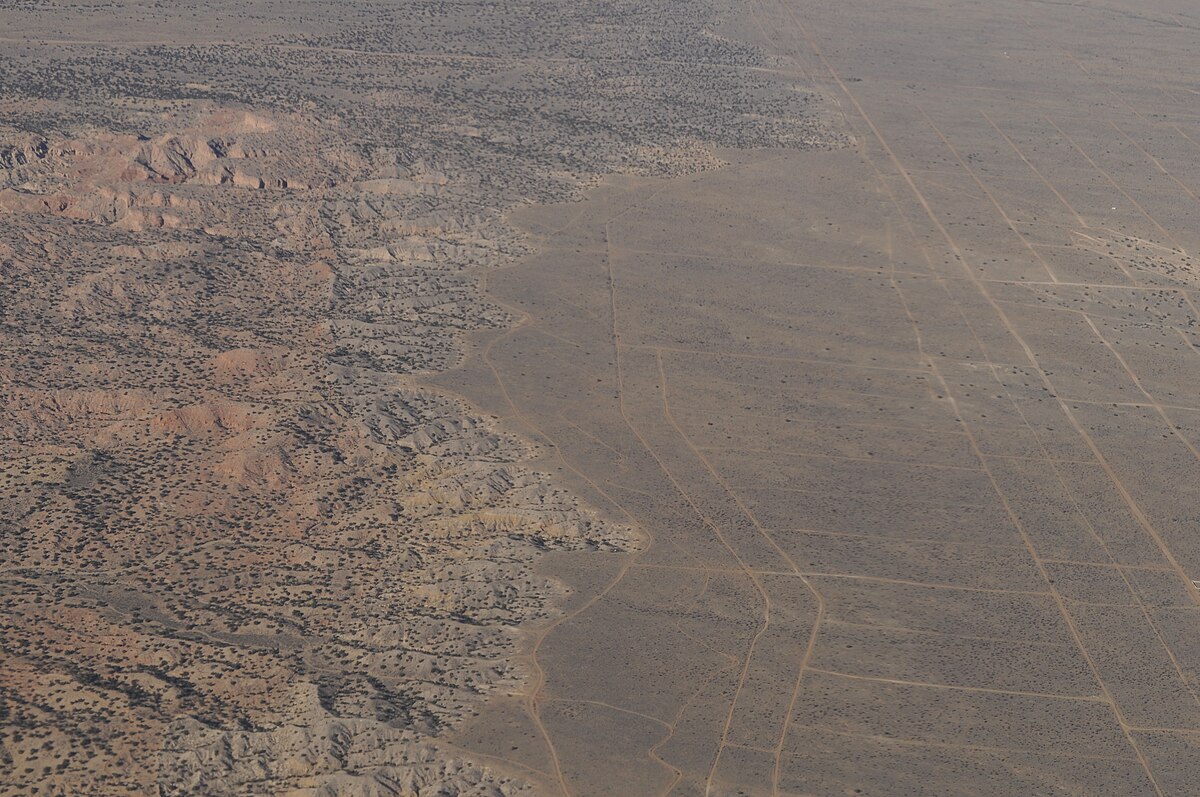
Deal's contribution to New Topographics was distinctive for its elevated, almost aerial perspective. Where Adams photographed from the roadside and Baltz from the sidewalk, Deal often sought higher ground, looking down upon subdivisions and developments as if surveying the patterns of human settlement from a detached, cartographic vantage point. His images of Albuquerque showed the city creeping outward into the mesa, each new street and cul-de-sac a fresh incision in the desert floor. There was no drama in these photographs, no obvious critique, only a steady, methodical accumulation of visual evidence that allowed viewers to draw their own conclusions about what was being gained and lost as America continued its westward suburban expansion.
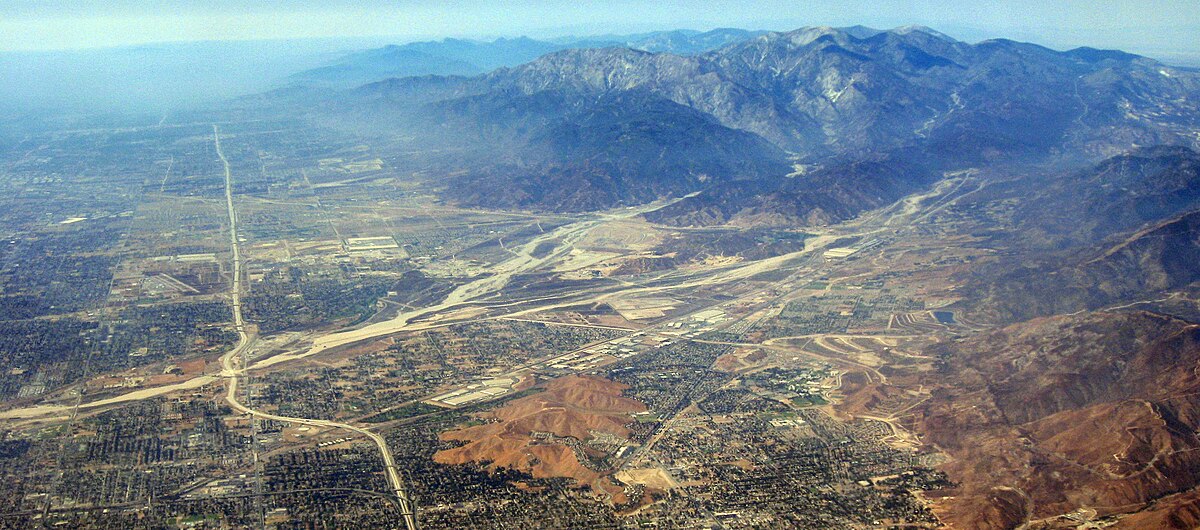
After completing his MFA at the University of New Mexico in 1978, Deal accepted a teaching position at the University of California, Riverside, where he would remain for over two decades. His move to Southern California placed him at the epicentre of the landscape transformations he had been documenting. The Inland Empire, with its relentless conversion of agricultural land and desert into housing tracts and shopping centres, became his primary subject. In projects such as The Fault Zone and his sustained documentation of the San Bernardino Valley, Deal recorded the collision between geological forces and human ambition with the same cool precision he had brought to Albuquerque.
What distinguished Deal's approach from mere documentation was his understanding of the photograph as a formal object. His compositions were rigorously structured, often flattening space through the use of telephoto lenses and elevated viewpoints to create images that read almost as abstract patterns. The repetition of rooftops, the geometry of streets, the interplay of shadow and sunlight across graded terrain — these elements were arranged with a painter's sensitivity to surface and structure. Deal never abandoned the formal training of his early years; rather, he channelled it into a photographic practice that was at once analytical and aesthetic.
In 2005, Deal was appointed Provost of the Rhode Island School of Design, a position that reflected his long commitment to arts education. He continued to photograph and exhibit throughout his administrative career, and he played a significant role in the 2009 revival of interest in the New Topographics exhibition when the work was restaged and toured internationally. His late photographs returned to the themes that had occupied him from the beginning: the edges of cities, the marks left by human habitation on open land, and the quiet strangeness of landscapes caught between the natural and the manufactured.
Joe Deal died in 2010 in Providence, Rhode Island, at the age of sixty-two. His legacy is inseparable from the New Topographics movement, yet his individual contribution extended well beyond the parameters of that single exhibition. Over three decades, Deal assembled a sustained visual archive of the American West in transformation, a body of work that reveals not the grandeur of the frontier but the ordinary, incremental, and largely unexamined process by which wilderness becomes suburb. His photographs ask no questions and offer no answers, but in their quiet accumulation they constitute one of the most searching meditations on land, development, and the American landscape produced in the late twentieth century.