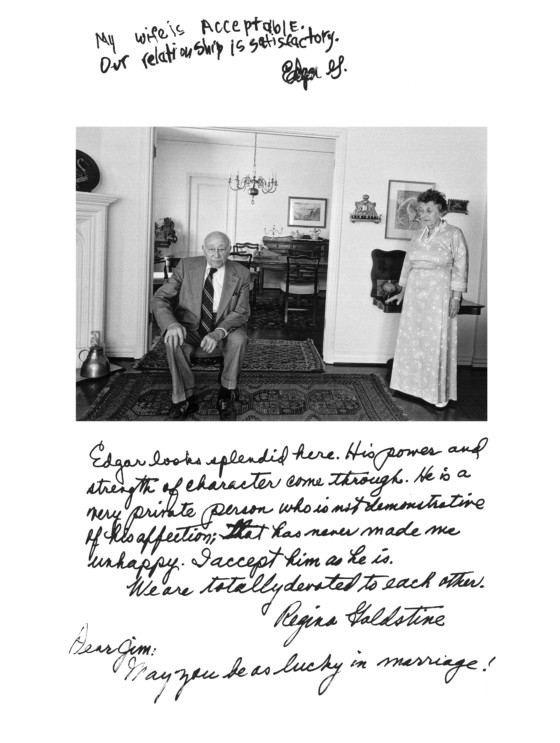
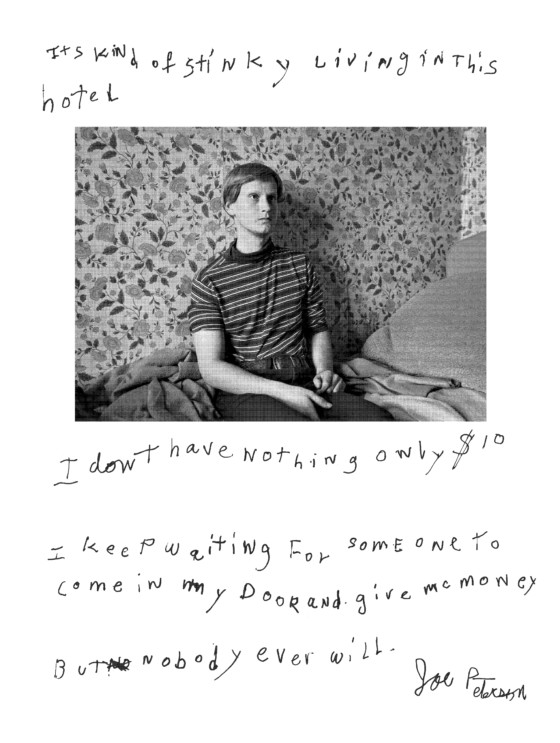
Jim Goldberg was born in 1953 in New Haven, Connecticut, and has spent his career developing a form of documentary photography that is at once deeply personal and rigorously engaged with questions of social justice, power, and representation. He studied at the San Francisco Art Institute, where he earned his MFA, and it was in San Francisco that he began the work that would establish his reputation. From the late 1970s through the mid-1980s, Goldberg photographed residents of both wealthy Pacific Heights homes and impoverished single-room-occupancy hotels in the Tenderloin district, producing the body of work that became Rich and Poor (1985), one of the most original and influential documentary projects of the late twentieth century.
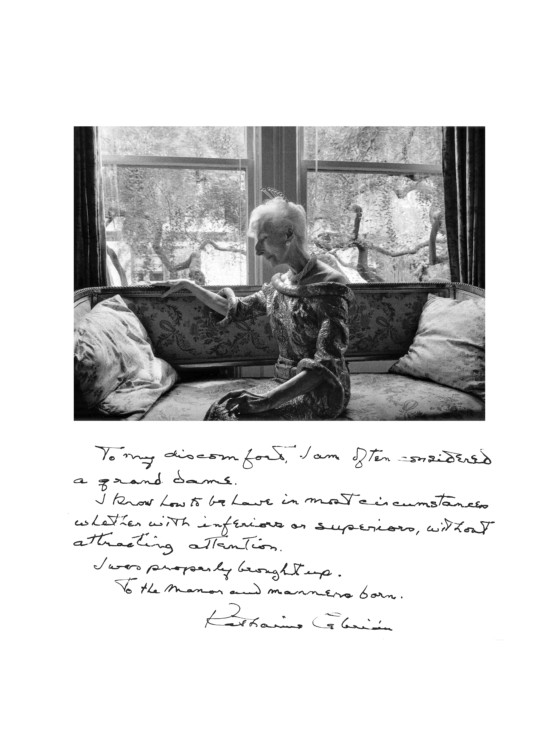
What distinguished Rich and Poor from conventional documentary photography was Goldberg's decision to invite his subjects to write directly on his photographs. After making a portrait, he would show the print to the person depicted and ask them to respond in their own words, handwriting their thoughts, feelings, and observations directly onto the photographic surface. The result was a radical act of collaboration that challenged the traditional power dynamic between photographer and subject. The wealthy wrote about their achievements and satisfactions; the poor wrote about their struggles, their loneliness, their hopes. The juxtaposition of image and text created a multi-layered document that was at once more honest and more complex than either element alone.
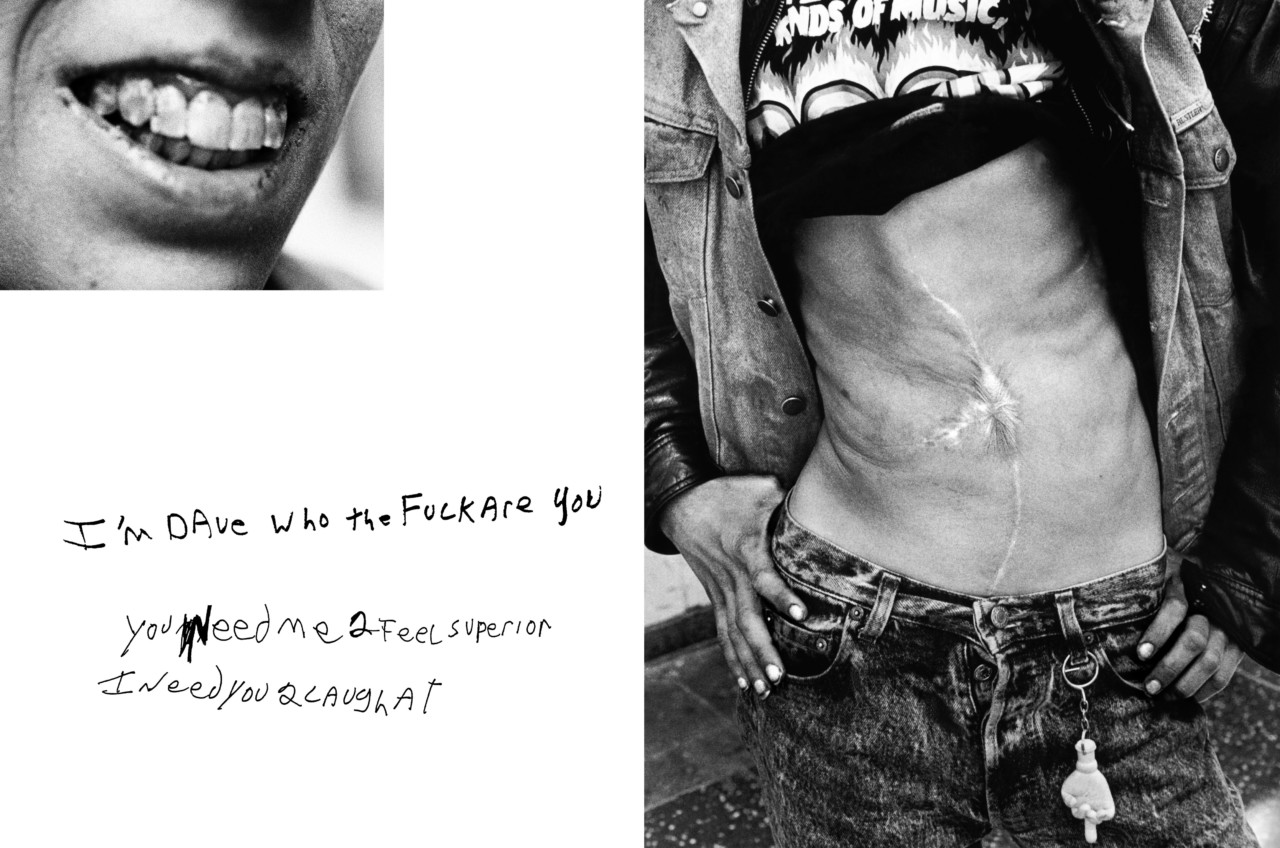
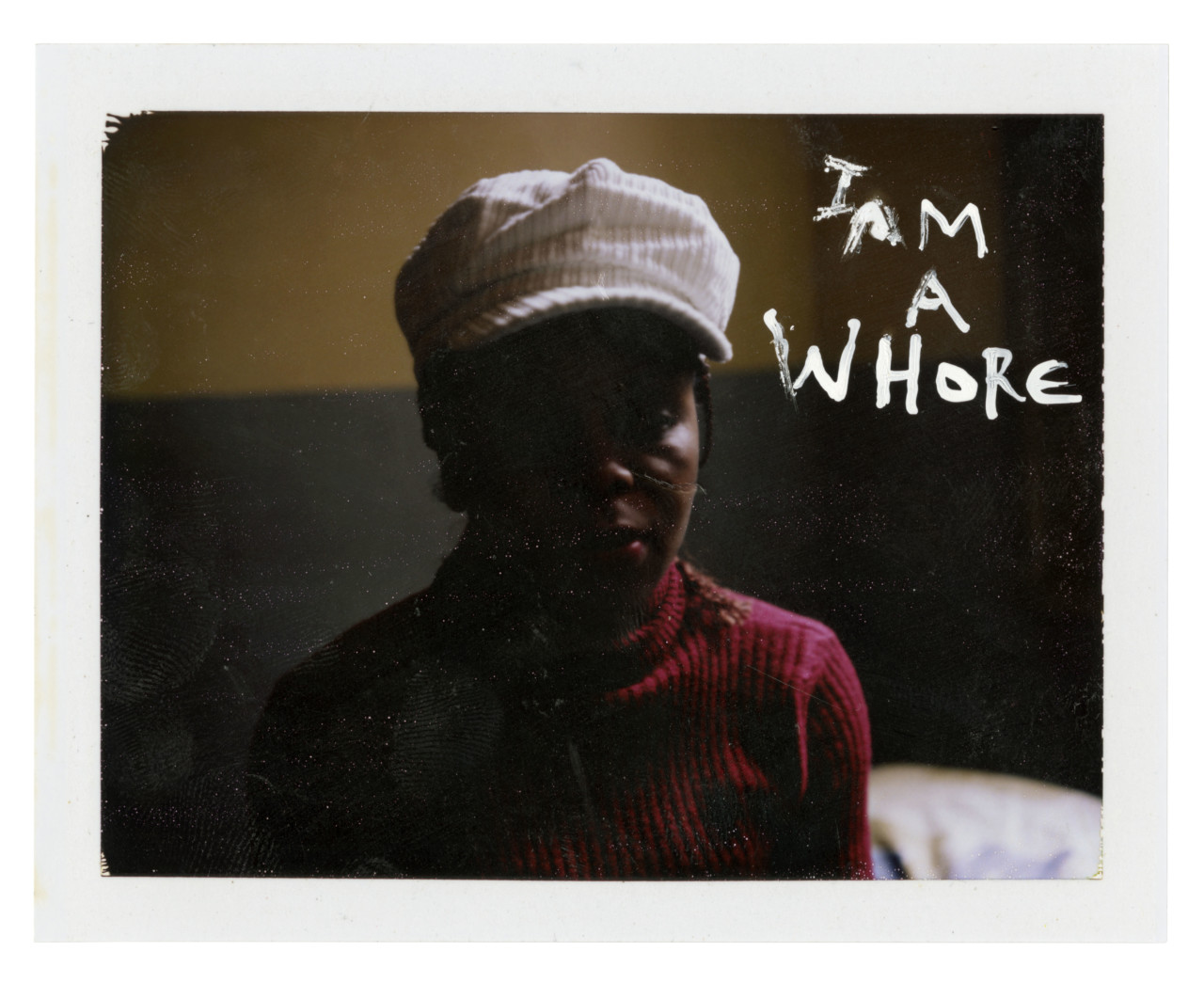
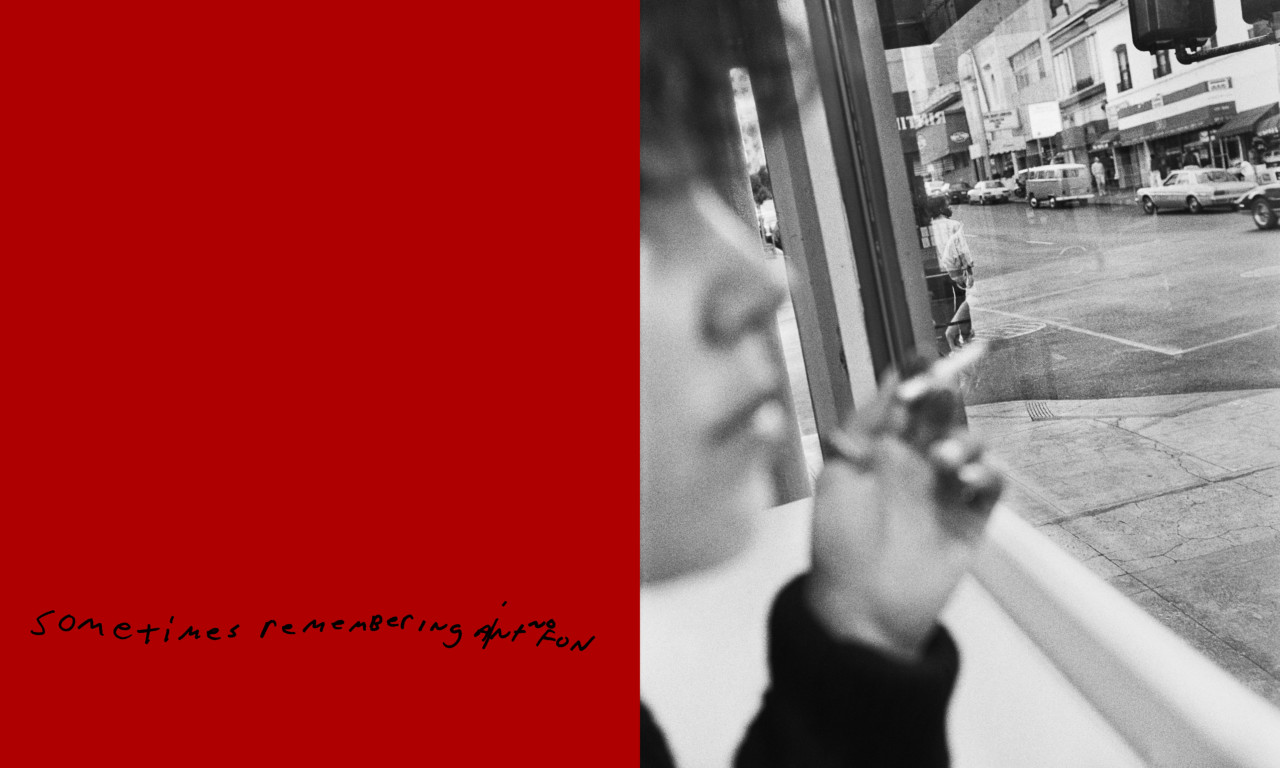
This collaborative method became the foundation of Goldberg's practice. His next major project, Raised by Wolves, occupied him for a decade, from 1985 to 1995, and documented the lives of runaway and homeless teenagers living on the streets of San Francisco and Los Angeles. The work was even more ambitious in its multimedia approach, combining photographs, handwritten texts, video, found objects, and the teenagers' own drawings and writings into an immersive installation and book that blurred the boundaries between documentary, art, and social advocacy. Raised by Wolves was exhibited at the Corcoran Gallery of Art in Washington, D.C., and subsequently toured internationally, establishing Goldberg as one of the most innovative documentary practitioners of his generation.
The teenagers Goldberg documented — figures like Tweeky Dave, Echo Park, and others whose real and adopted names became part of the work's mythology — were not passive subjects but active participants in the construction of their own narratives. Goldberg spent years building trust and relationships, returning repeatedly to photograph and interview, allowing his subjects to shape how they were represented. This commitment to long-term engagement and collaborative authorship set his work apart from the hit-and-run approach of much photojournalism and established an ethical model for documentary practice that has influenced numerous younger photographers.
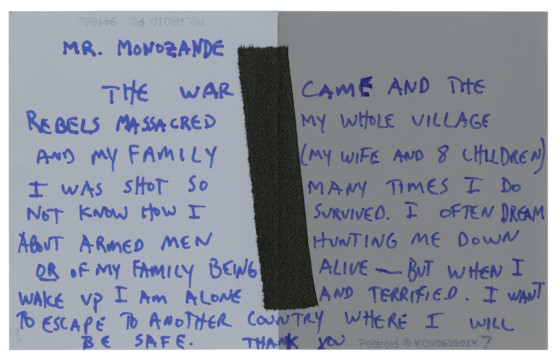
In 2002, Goldberg was nominated to Magnum Photos, and he became a full member in 2006. His membership reflected Magnum's recognition that documentary photography could take forms far more complex than the traditional photo essay. His subsequent project, Open See (2009), documented the experiences of refugees, immigrants, and trafficked people in Europe, following their journeys from war zones and failed states to the uncertain promise of a new life in the West. The project combined photographs with identity documents, personal objects, drawings, and handwritten narratives, creating a rich, multi-voiced portrait of displacement that humanised a phenomenon too often reduced to statistics.
Goldberg has taught at the San Francisco Art Institute, the California College of the Arts, and Yale University, influencing several generations of documentary photographers. His teaching, like his practice, emphasises the ethical responsibilities of the photographer to their subjects, the importance of sustained engagement over time, and the creative potential of combining photographic images with other forms of expression — text, drawing, sound, and found materials.
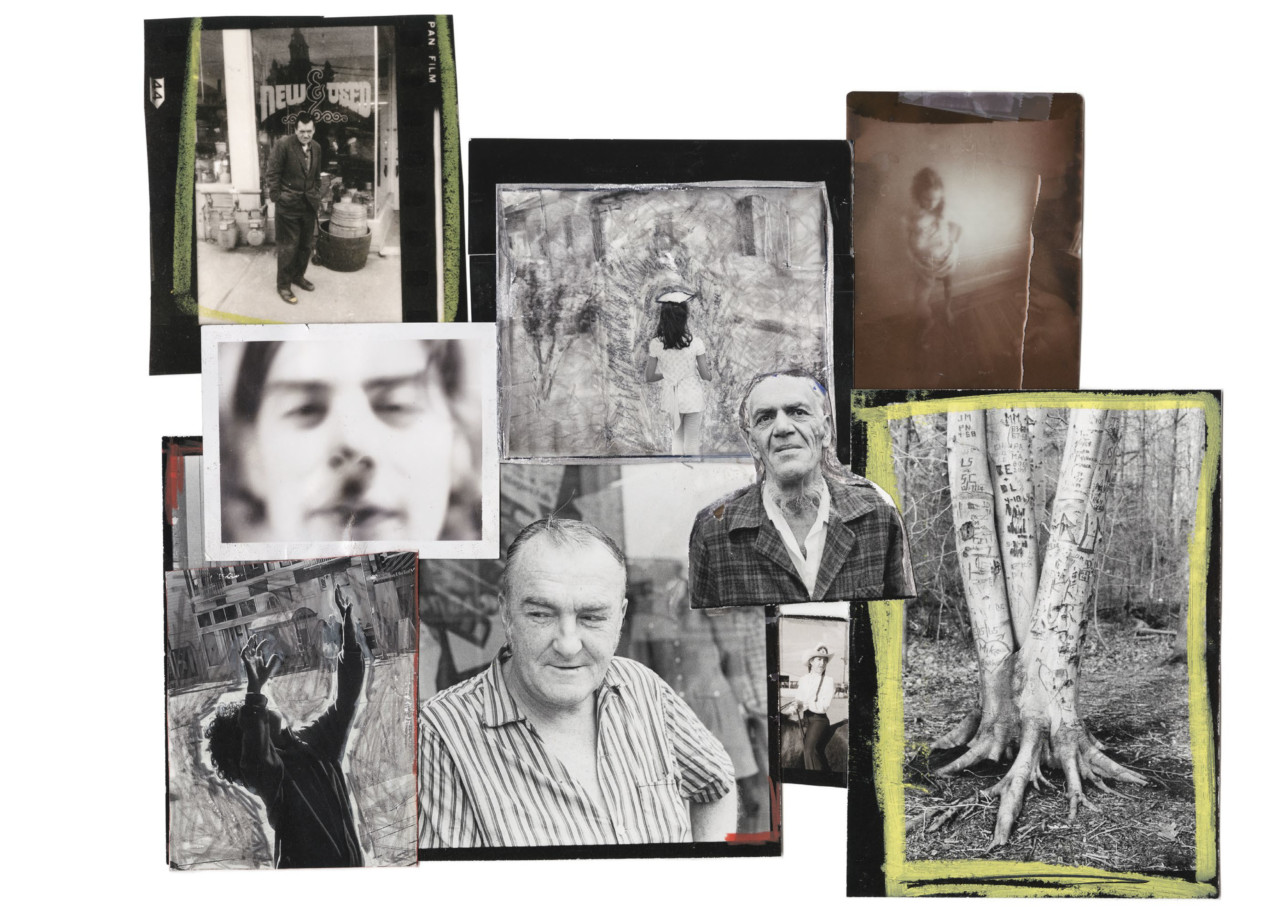
His more recent work includes ongoing projects examining ageing, memory, and the passage of time, as well as continued investigations into immigration and displacement. His work is held in the collections of the Museum of Modern Art, the San Francisco Museum of Modern Art, the Whitney Museum of American Art, the Los Angeles County Museum of Art, and many other institutions. He has received the Henri Cartier-Bresson Award, the Deutsche Börse Photography Foundation Prize nomination, and numerous other honours.
What endures in Goldberg's work is the fundamental conviction that documentary photography is most powerful when it is most collaborative — when the people depicted have a genuine role in shaping their own representation. In an era of increasing scepticism about the ethics and politics of documentary practice, Goldberg's method offers a model of engaged, respectful, and formally inventive image-making that takes seriously both the power of the photograph and the agency of the person within it.