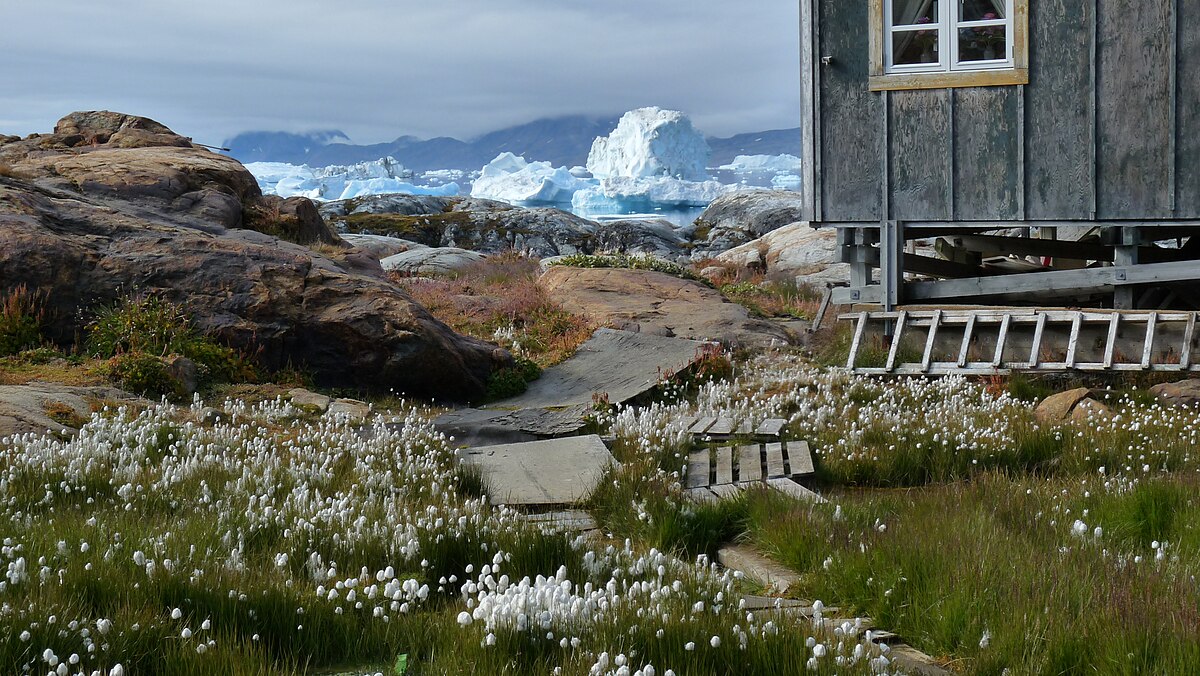
Jacob Aue Sobol was born in Copenhagen in 1976 and grew up in Denmark with an early awareness that he wanted to engage the world through direct, physical experience rather than from a comfortable distance. He studied at the European Film College in the mid-1990s, where he first picked up a camera, and subsequently enrolled at Fatamorgana, the Danish School of Art Photography in Copenhagen. But it was not formal education that shaped his photographic vision — it was the decision, at the age of twenty-three, to leave Denmark and travel to the remote settlement of Tiniteqilaaq in East Greenland, where he would live for the next two and a half years with an Inuit woman named Sabine and her family.
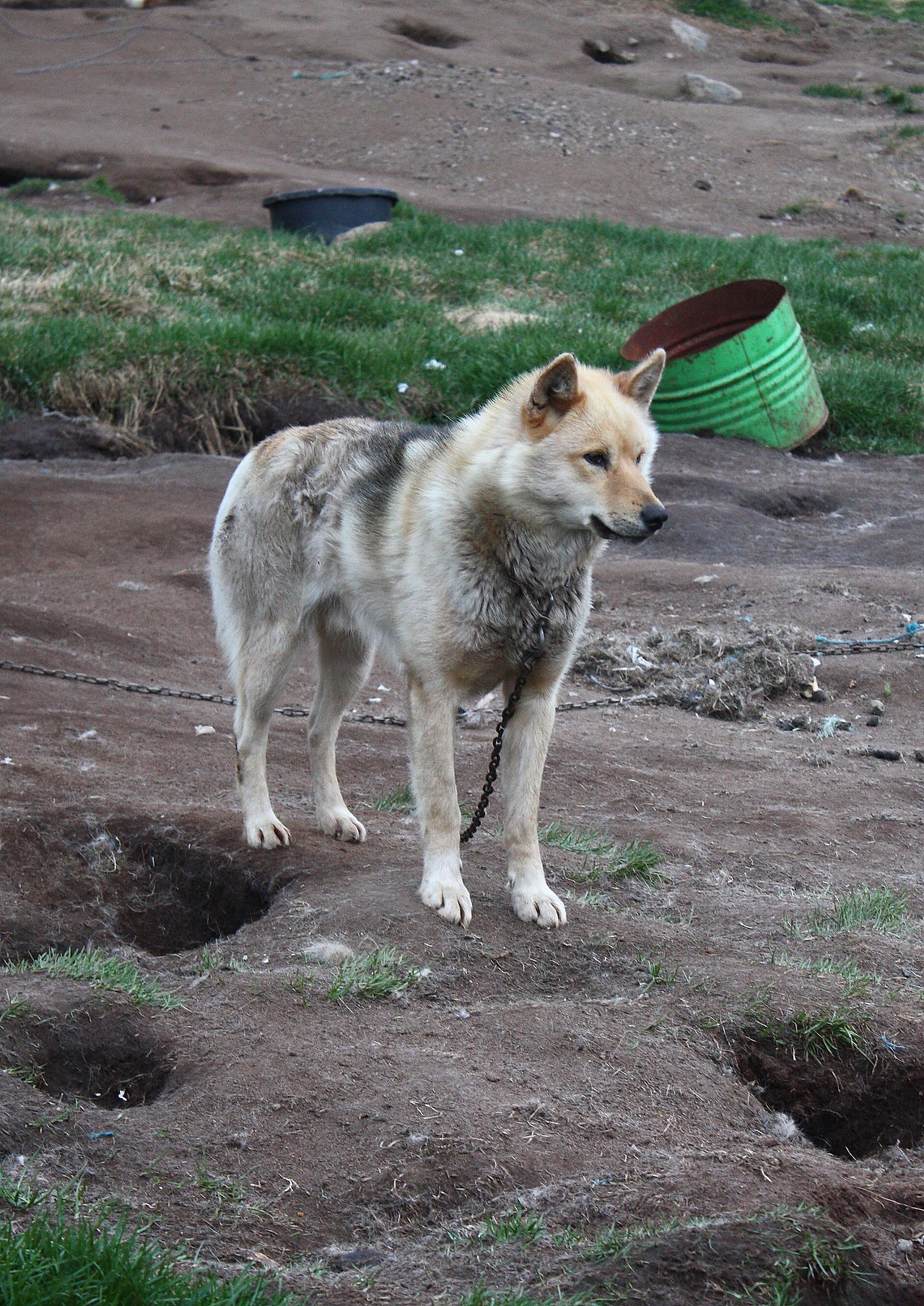
The photographs Sobol made in Greenland became the foundation of everything that followed. Living in a community of fewer than two hundred people, hunting seals and polar bears, enduring months of Arctic darkness, and navigating a love relationship conducted across a vast cultural divide, Sobol photographed with an intensity born of immersion rather than observation. His images from this period — shot in harsh, grain-heavy black and white — depict bodies in motion, faces emerging from darkness, the raw flesh of hunted animals, the claustrophobic intimacy of shared sleeping quarters, and the vast emptiness of the ice. They are not ethnographic documents but personal testimony, the visual diary of a man whose camera was as essential to his existence as the act of breathing.
The resulting book, Sabine, published in 2004, announced Sobol as one of the most distinctive voices in contemporary photography. The work drew comparisons to Anders Petersen and Daido Moriyama for its raw physicality and its willingness to dissolve the boundary between photographer and subject, but Sobol's vision was entirely his own. Where Petersen found his material in the bars and flophouses of Hamburg, and Moriyama in the streets of Shinjuku, Sobol found his in the Arctic — in the extremity of landscape, climate, and human connection that only the far north could offer.
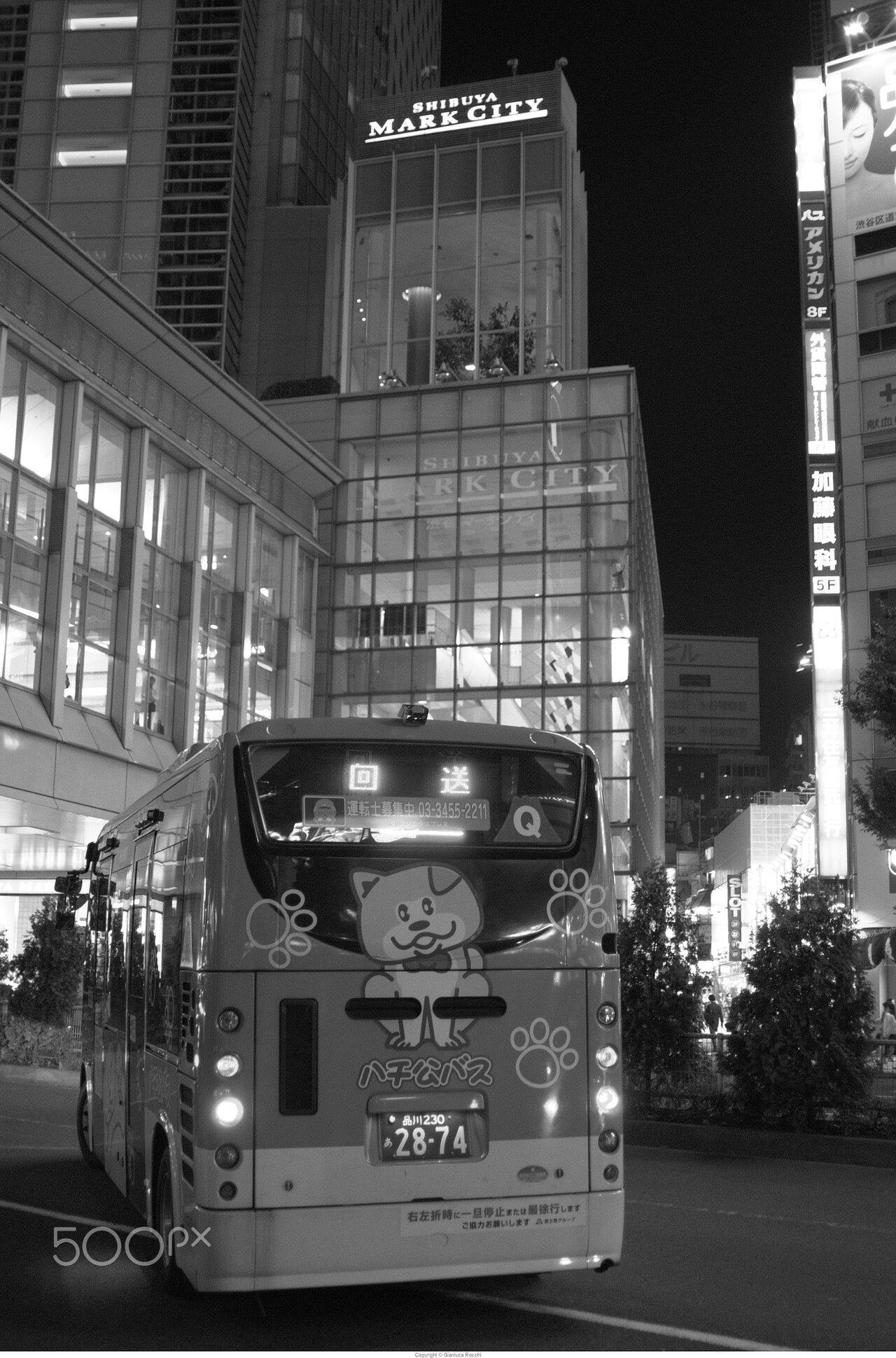
In 2006, Sobol was nominated to Magnum Photos, becoming a full member in 2012. His membership in the agency was unusual in that his work had little in common with traditional photojournalism. Sobol did not cover wars or political events; instead, he pursued an intensely personal form of documentary practice in which the subject was always, in some sense, his own experience of the world. His subsequent projects extended this approach to new geographies: I, Tokyo (2008) documented his time living in Japan and travelling through Southeast Asia, producing images of nocturnal urban life, sexual intimacy, and transient human encounters rendered in the same visceral black-and-white grain.
Arrivals and Departures (2012) brought together images from years of restless travel — Moscow, Guatemala, Bangkok, Copenhagen — into a sequence that charted the emotional landscape of constant movement, the loneliness of airports and hotel rooms alongside moments of sudden, overwhelming connection. The book reinforced Sobol's reputation as a photographer for whom the act of making images was inseparable from the act of living, and for whom photography was less a profession than a form of existential engagement with the world.
Sobol's printing and production choices have always been deliberate and expressive. He favours high-contrast black and white, deep blacks, and aggressive grain, printing his images with a material density that gives them an almost tactile quality. His books are designed as immersive sequences rather than collections of individual pictures, and he has spoken of the photobook as the primary form through which his work is meant to be encountered — as a continuous experience of rhythm, intensity, and emotional accumulation rather than a gallery of discrete moments.
In more recent years, Sobol has continued to travel and photograph, producing the series Gordon (2016), which documented his relationship with a young man in Guatemala, and undertaking projects in Russia, China, and throughout Latin America. His work has been exhibited widely, including at the National Museum of Photography in Copenhagen, the Rencontres d'Arles, and numerous galleries internationally. He has received the Leica European Publishers Award and the International Photography Award, among other recognitions.
What distinguishes Sobol in the landscape of contemporary photography is the absolute refusal of distance. His images are not about other people's lives observed from outside but about shared experience entered fully and recorded from within. The grain, the darkness, the blurred motion, the proximity of skin to lens — all serve to communicate the physical reality of being present in a moment rather than standing apart from it. His work is a sustained argument that photography at its most powerful is not a way of seeing but a way of being.