Henry Wessel was born in 1942 in Teaneck, New Jersey, and grew up on the suburban East Coast before the landscape of the American West would claim him entirely. He studied psychology at Pennsylvania State University before turning to photography, earning his MFA from the State University of New York at Buffalo in 1972 under the guidance of photographers who encouraged a direct, unaffected approach to the medium. Upon completing his studies, he moved to the San Francisco Bay Area and never left, settling eventually in Point Richmond, California, where the light off the water and the low-slung architecture of the East Bay became the quiet theatre of his daily practice.
Wessel's earliest recognition came in 1975, when he was included in the landmark exhibition New Topographics: Photographs of a Man-Altered Landscape at the George Eastman House in Rochester, New York. Curated by William Jenkins, the show brought together ten photographers — among them Robert Adams, Lewis Baltz, Stephen Shore, and the Bechers — whose work offered a cool, unsentimental view of the built American environment. Wessel's contribution was distinctive within the group. Where others in the exhibition favoured the large-format camera and the frontal, typological approach, Wessel worked hand-held with a 35mm Leica, walking the streets of California and the American Southwest, responding to fleeting moments of light and form with an improvisational directness that set him apart.
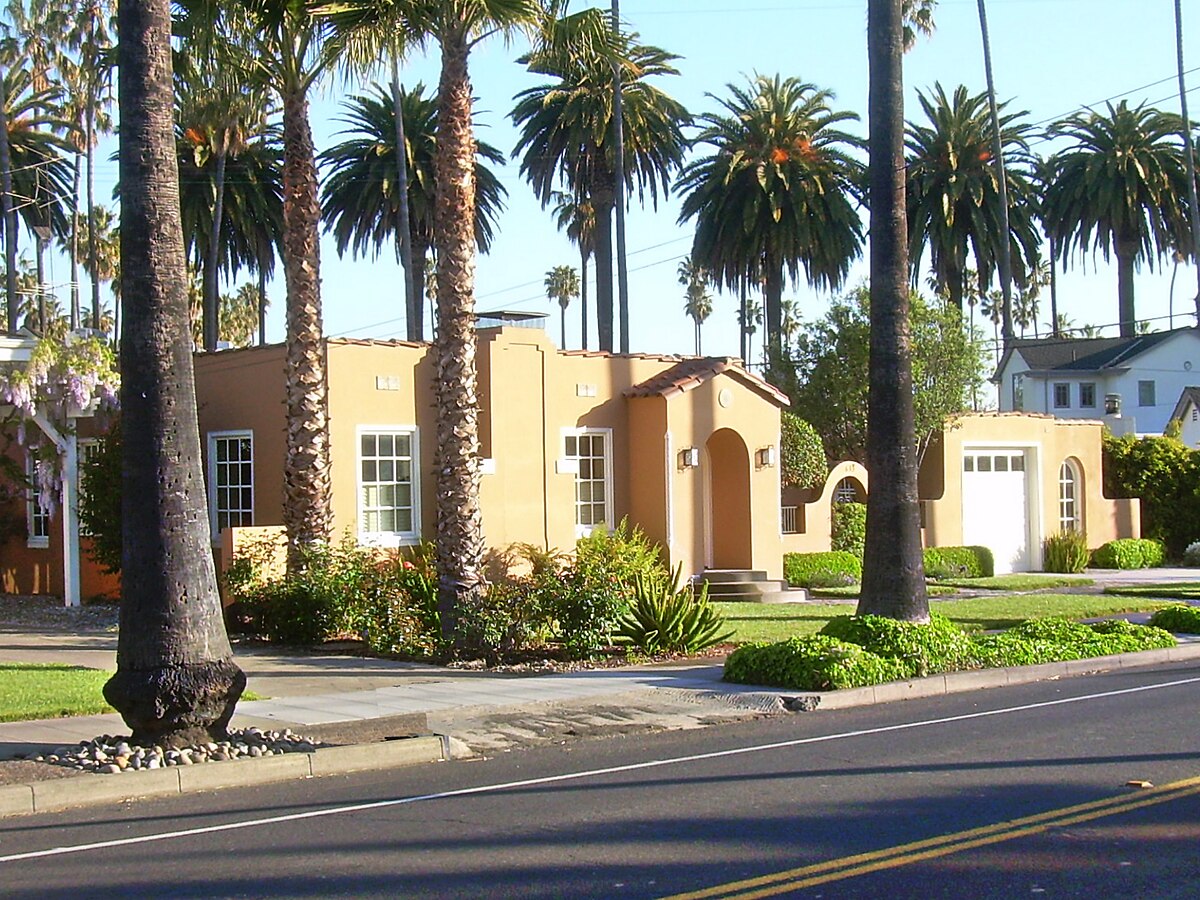
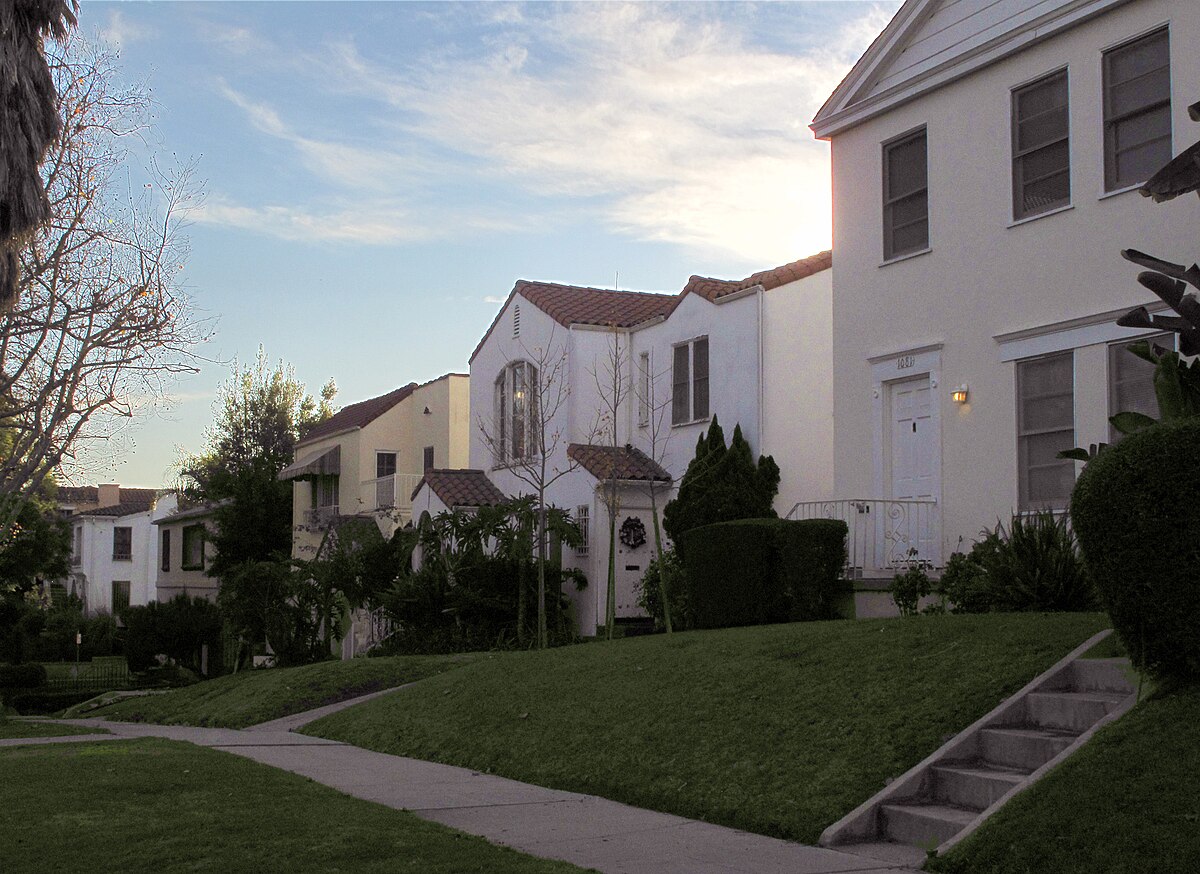
What made Wessel's photographs remarkable was not their subject matter — stucco houses, parked cars, chain-link fences, palm trees casting sharp shadows on blank walls — but the way he saw it. He possessed an extraordinary sensitivity to the quality of Western light, particularly the hard, flat, bleaching sunlight of California and the desert states that could render the most banal suburban scene strange and almost metaphysical. His photographs vibrated with a tension between the familiar and the uncanny: a garden hose coiled on a driveway, a trailer park at high noon, a woman walking past a cactus — each image precisely observed, perfectly timed, and quietly mysterious.
Wessel described his process as one of receptive walking. He would set out each day without a destination, camera in hand, alert to whatever the light might reveal. He was not searching for particular subjects or themes but for a certain quality of visual incident — a conjunction of light, form, and moment that produced what he called a real experience. This openness to chance and this trust in intuitive response aligned him more closely with the street photography tradition of Garry Winogrand and Lee Friedlander than with the more conceptually rigorous practitioners of the New Topographics, and indeed Wessel acknowledged both as formative influences.
Throughout the 1980s and 1990s, Wessel continued to refine his vision, producing a remarkably consistent body of work that explored the same territory — the suburban and semi-rural landscapes of the American West — with deepening subtlety. He also undertook a series of nocturnal photographs, later published as Night Walk, in which he walked the streets of Los Angeles after dark, using the harsh light of streetlamps and security floods to reveal a landscape simultaneously familiar and alien. The night work extended his investigation of light into new registers, demonstrating that his subject was not California per se but illumination itself — the way artificial and natural light could transform the ordinary into something compelling.
Wessel taught at the San Francisco Art Institute for over forty years, influencing several generations of photographers. He was a famously generous and demanding teacher, insisting that his students learn to see before they learned to conceptualise, and that the act of photographing was fundamentally one of attention rather than intention. His pedagogical emphasis on daily practice and visual responsiveness mirrored his own working method, which was grounded in an almost meditative discipline of looking.
His later publications, including Waikiki, Odd Photos, and the five-volume Incidents series published by Steidl between 2010 and 2013, secured his reputation as one of the most quietly important American photographers of the late twentieth century. He received Guggenheim Fellowships in 1971 and 1978, and his work is held in the collections of the Museum of Modern Art, the San Francisco Museum of Modern Art, the Metropolitan Museum of Art, and numerous other institutions. He died in Point Richmond in 2018, leaving behind a body of work that stands as one of the most sustained and luminous meditations on light and landscape in the history of the medium.