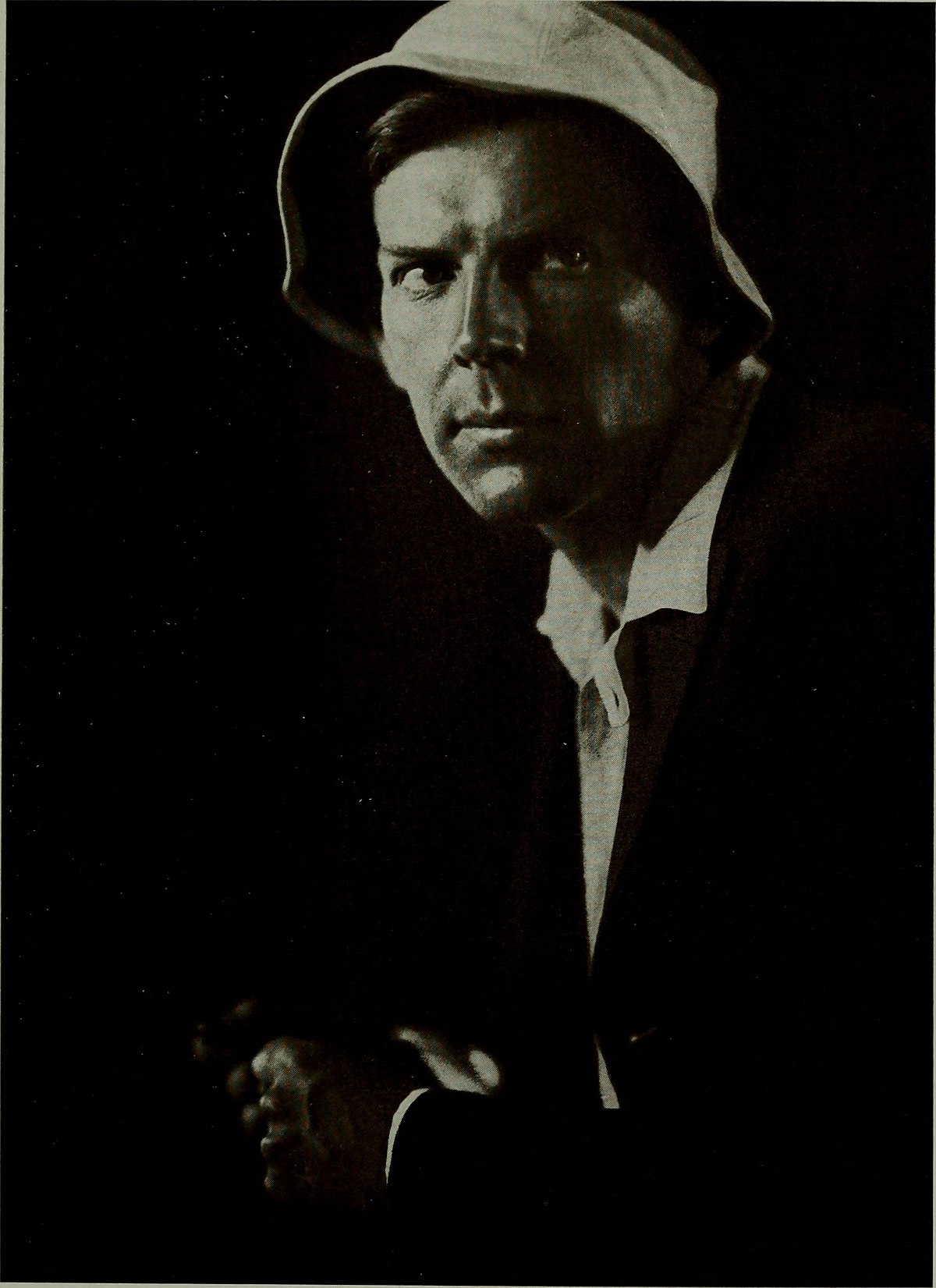
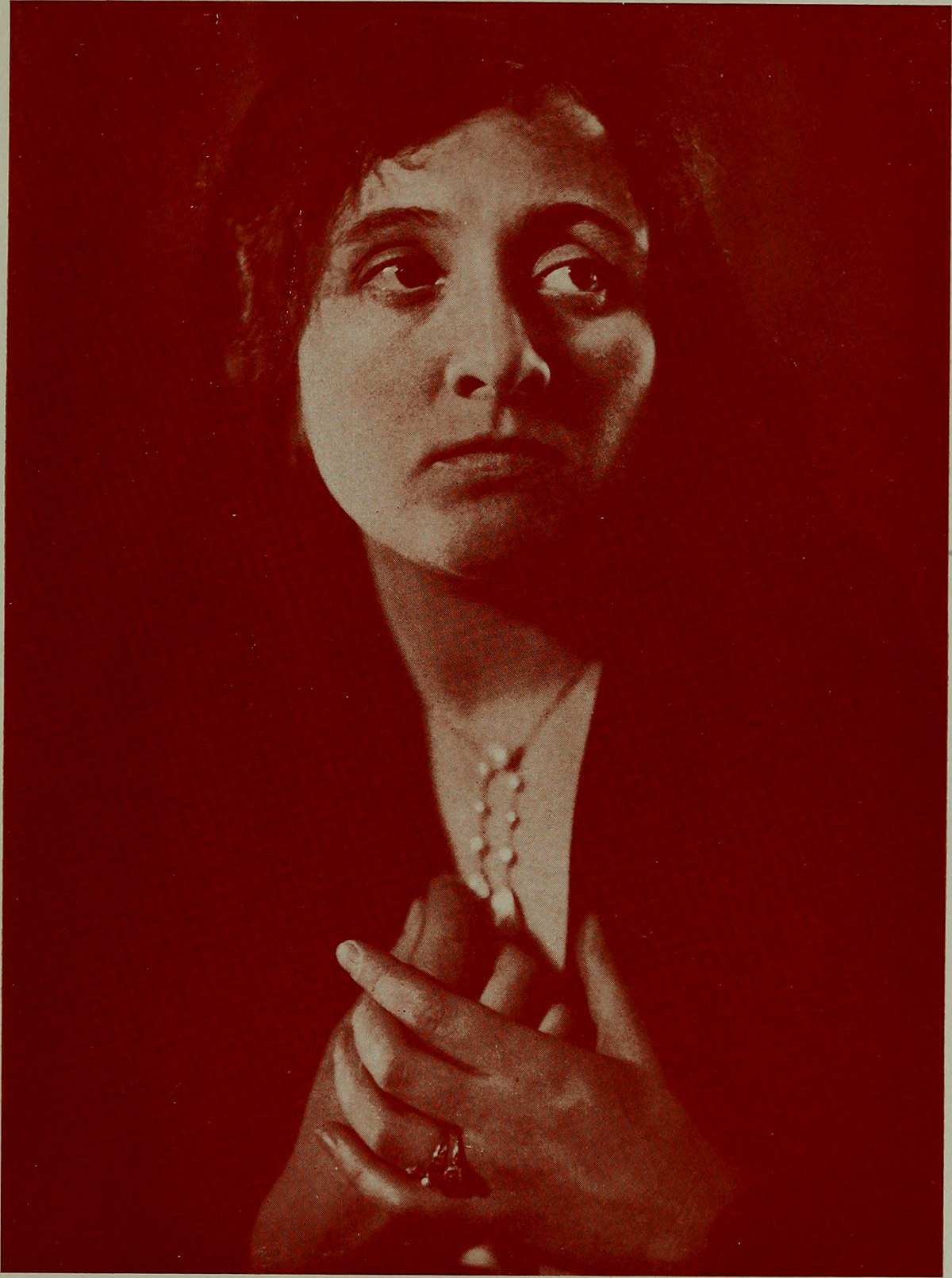
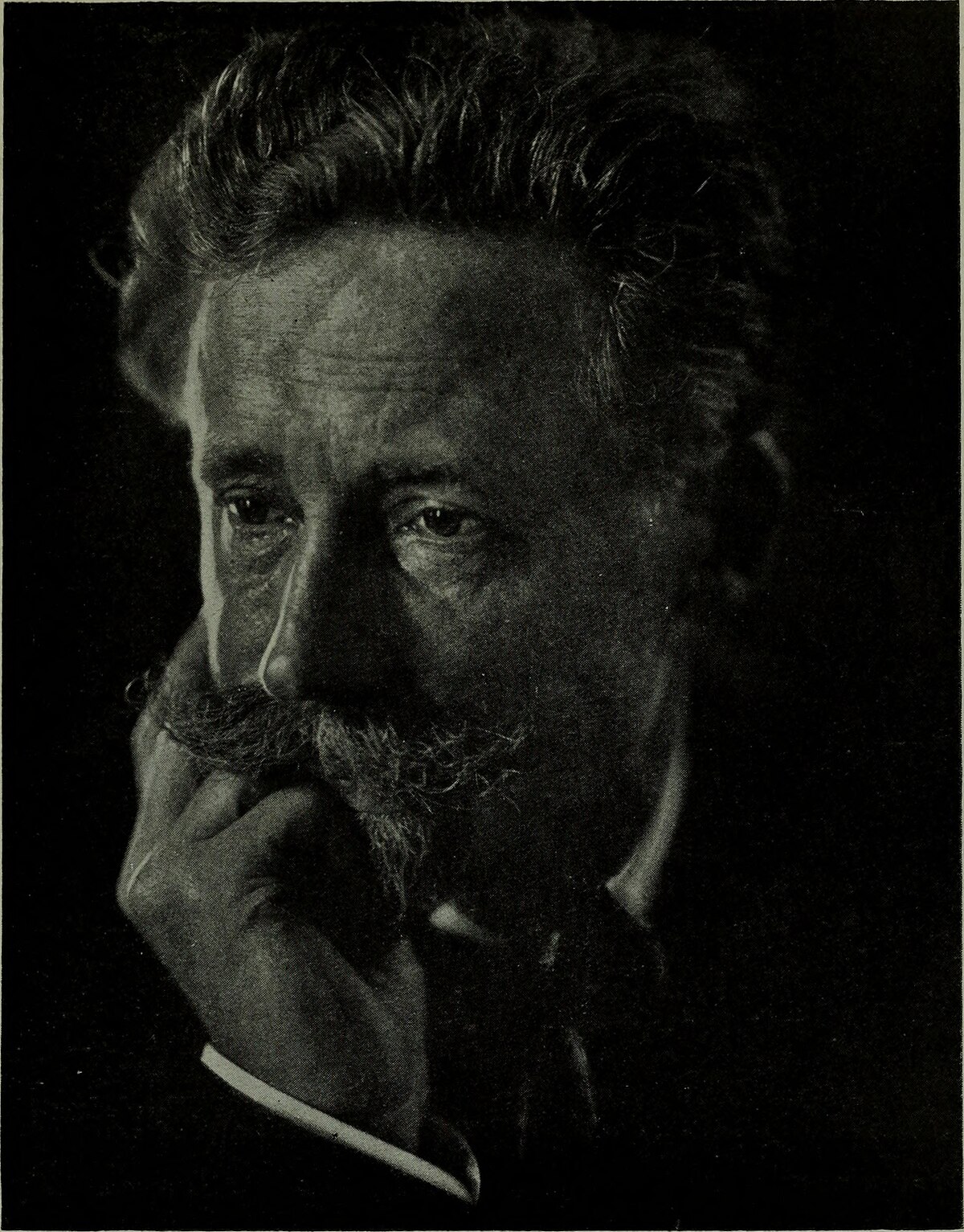
Helmar Lerski was born Israel Schmuklerski in Strasbourg in 1871, when the city was under German administration. He grew up in Zürich, where he trained initially as a bank clerk before the theatre drew him away from conventional employment. In the 1890s he emigrated to the United States, settling in the Midwest, where he worked for several years as a stage actor in German-language theatre companies. It was the dramatic possibilities of light — the way a single spotlight could transform a face, flatten or deepen its planes, alter its entire emotional register — that first kindled his fascination with illumination as a creative medium. When he eventually turned to photography, he brought with him a theatrical understanding of light not as passive ambience but as an active, sculptural force.
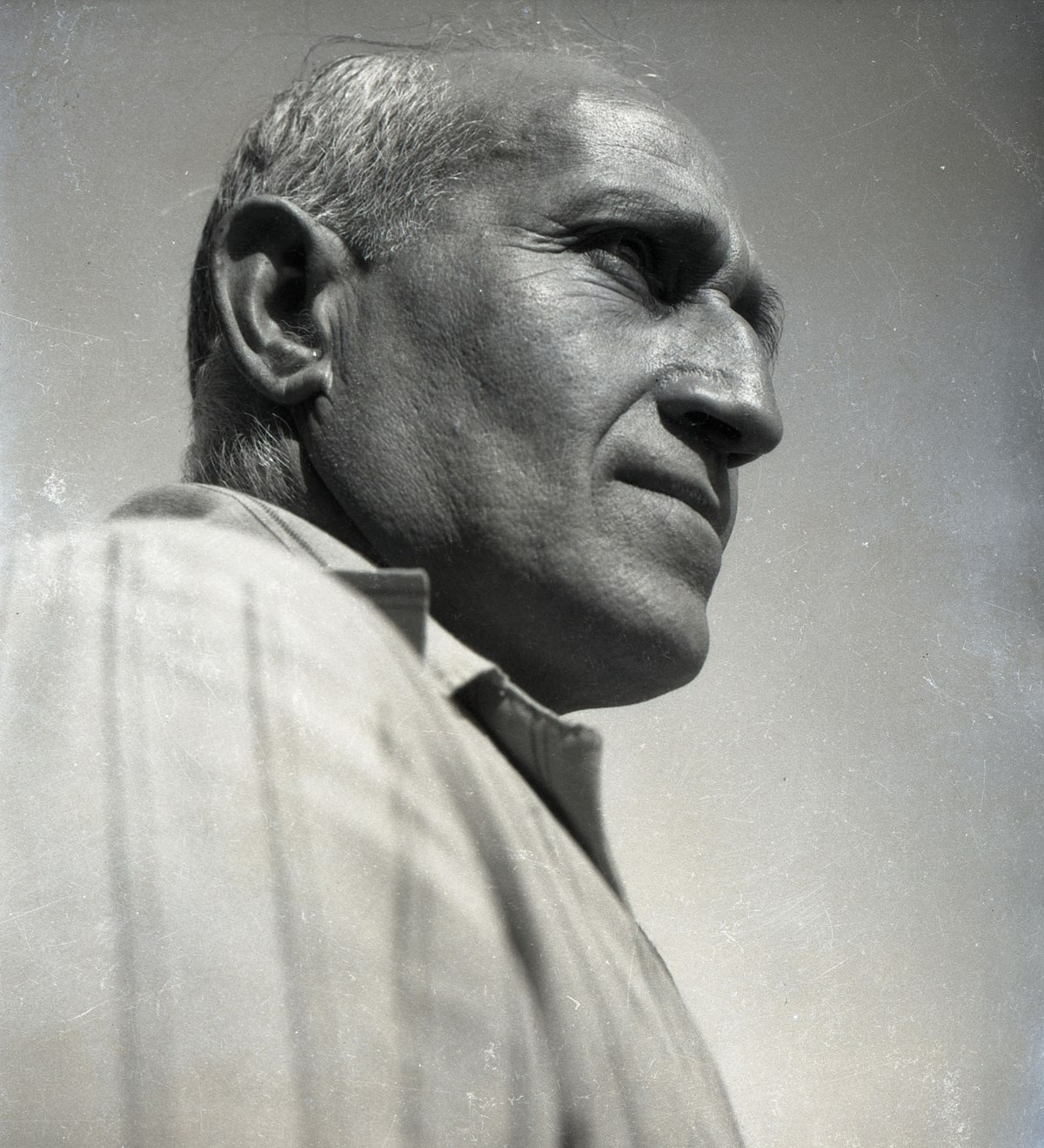
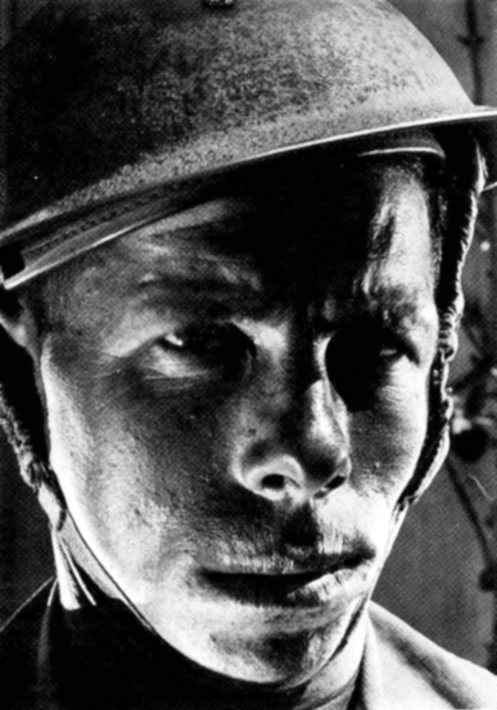
After returning to Europe around 1910, Lerski worked as a cameraman in the nascent German film industry, contributing to several Expressionist productions. The cinema reinforced his conviction that light was not merely a technical requirement but the very substance of the image. By the mid-1920s he had turned his attention fully to still photography, and in Berlin he began the project that would first bring him recognition: Köpfe des Alltags (Everyday Heads), a series of extreme close-up portraits of anonymous working people — charwomen, bricklayers, washerwomen, unemployed labourers — photographed with an intensity that rendered each face monumental. Using low camera angles and dramatic side-lighting, Lerski elevated his anonymous subjects into figures of almost mythic stature.
Published as a book in 1931, Köpfe des Alltags was both celebrated and controversial. The portraits were unmistakably modernist in their formal boldness, yet they resisted the cool objectivity of the New Objectivity movement then dominant in German photography. Where August Sander catalogued social types with clinical detachment, Lerski used light to dissolve the boundary between documentation and transfiguration. His subjects were specific individuals, yet his lighting transformed them into something archetypal, almost abstract. Critics debated whether the work was portraiture or something else entirely — a question that would become even more urgent with his next major undertaking.
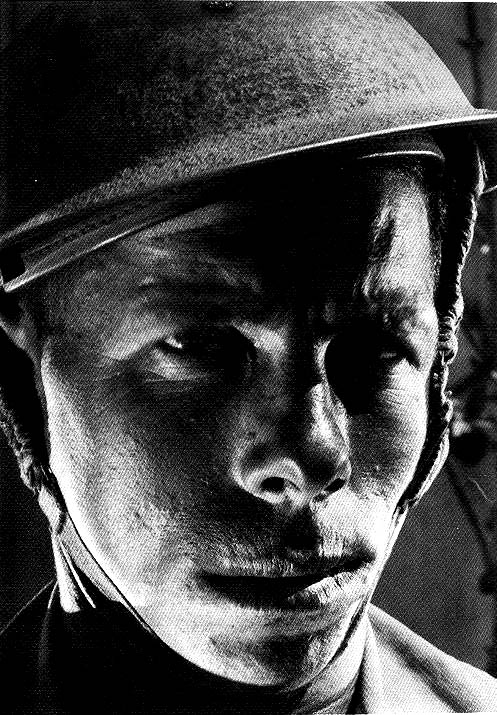
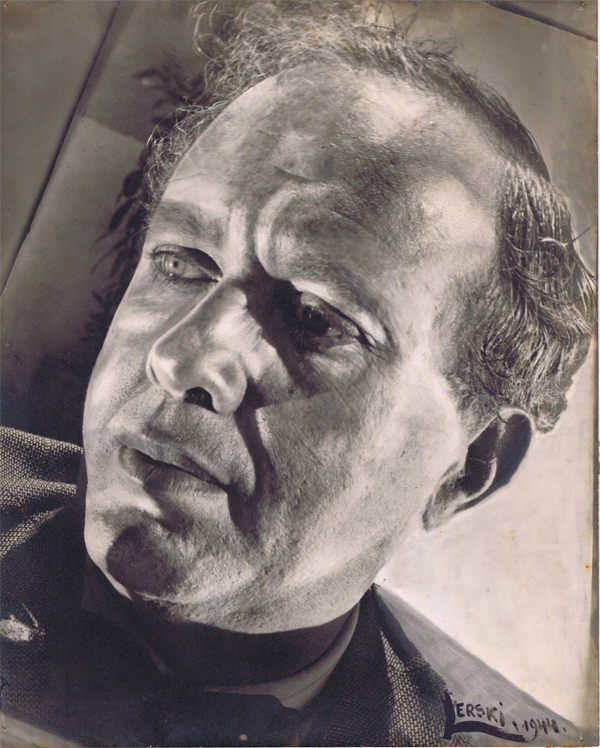
With the rise of National Socialism, Lerski, who was of Jewish descent, left Germany for Palestine in 1932. He settled in Tel Aviv and continued his photographic work, now turning his camera toward the faces of Jewish settlers and Arab workers building the new communities of the Yishuv. The harsh Mediterranean sunlight became both his challenge and his instrument. It was in Palestine that he conceived and executed his most radical project: Verwandlungen durch Licht (Metamorphosis Through Light), created between 1935 and 1936. Using a single model — a young man whose face served as a kind of screen — and an elaborate system of mirrors and reflectors to redirect natural sunlight, Lerski produced 175 portraits in which the same face appears utterly transformed from image to image.
The Metamorphosis series was unprecedented. By manipulating only light — changing the angle, intensity, and quality of illumination while the subject remained the same — Lerski demonstrated that photographic identity was not fixed but fluid, not inherent in the subject but constructed by the conditions of seeing. Each portrait in the series presented what appeared to be a different person: noble, brutal, ethereal, coarse, saintly, demonic. The implications were profound, touching on questions of physiognomy, racial typology, and the political uses of the photographic portrait that were acutely charged in the context of 1930s Europe. At a time when the Nazis were weaponising physiognomic photography to define racial categories, Lerski's work offered a devastating counter-argument: the face was not destiny but light.
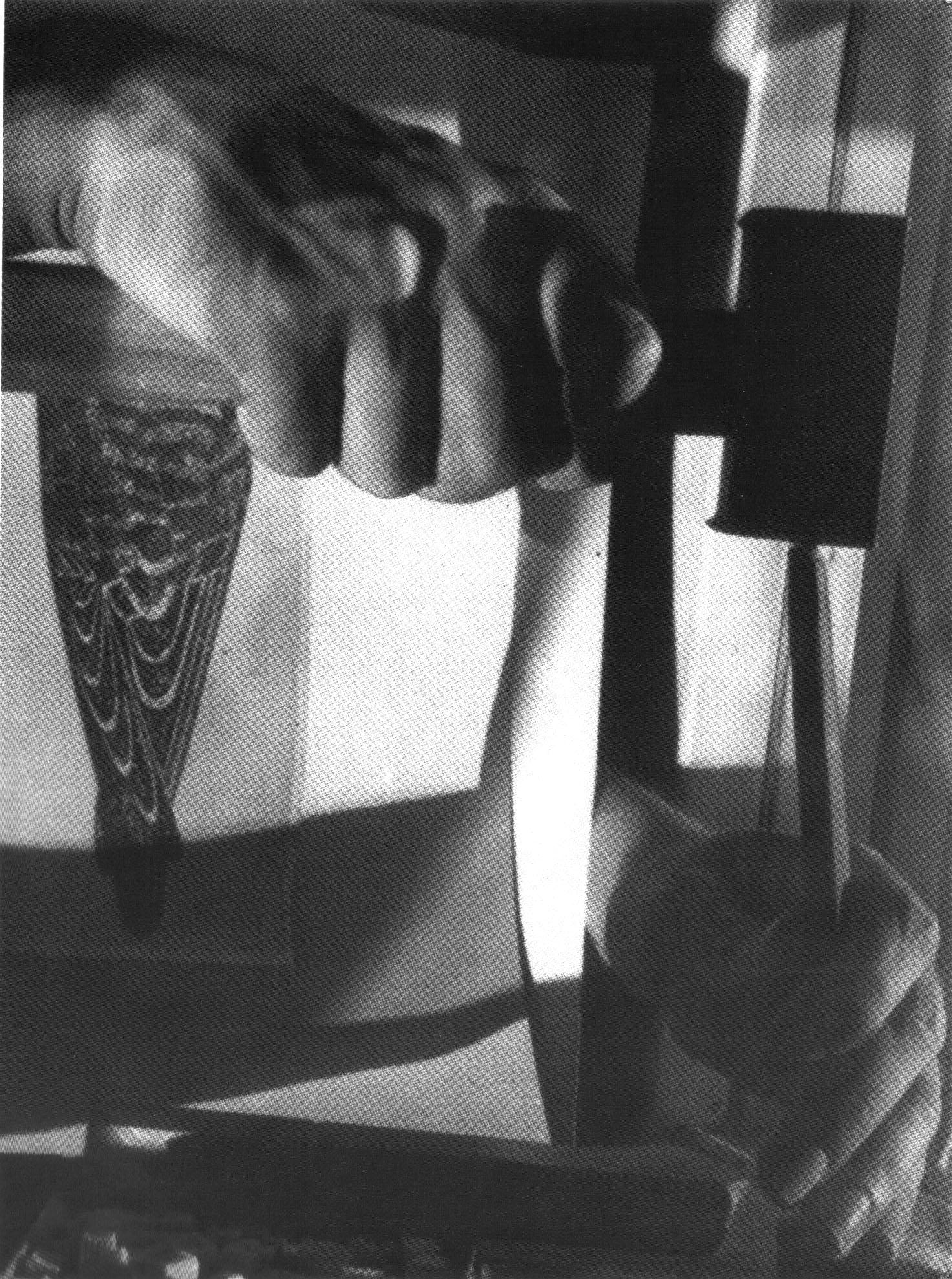
Lerski also worked as a filmmaker in Palestine, directing the documentary Avodah (Labour) in 1935, a visually striking film about Jewish pioneers building roads and draining swamps. The film drew on the same dramatic lighting techniques that characterised his still photography, and it was well received at international film festivals. Throughout the late 1930s and 1940s, he continued photographing in Palestine, documenting the landscape and people of the region with the same intensity he had brought to his Berlin portraits.
After the founding of the State of Israel in 1948, Lerski returned to Zürich, where he spent his final years. He died in 1956, largely forgotten by the mainstream history of photography. His work remained in relative obscurity for decades, overshadowed by the better-known figures of Weimar-era German photography. It was not until the late twentieth and early twenty-first centuries that scholars and curators began to reassess his contribution, recognising in the Metamorphosis series a prescient exploration of themes — the constructed nature of identity, the instability of the photographic portrait, the politics of representation — that had become central to contemporary photographic discourse.
Today, Lerski is understood as a singular figure in the history of the medium, a photographer who grasped earlier and more radically than almost anyone else that the camera does not passively record a face but actively constructs it. His work anticipated the concerns of postmodern photography by half a century, and his extraordinary command of light remains unmatched. In an era saturated with digital manipulation, Lerski's purely optical transformations — achieved with nothing more than mirrors and sunlight — retain an almost miraculous quality, a reminder that the most powerful transformations are often the simplest.