Helen Levitt was born in 1913 in Brooklyn, New York, to Russian-Jewish immigrant parents, and grew up in Bensonhurst, a working-class neighbourhood whose streets and stoops would provide the template for her life's work. She left school at an early age and found employment in the portrait studio of J. Florian Mitchell in the Bronx, where she learned the technical fundamentals of photography. But it was the streets of New York — not the studio — that drew her, and she began to walk the city with a Leica camera, photographing the unscripted dramas of everyday life in the neighbourhoods of the Lower East Side, East Harlem, and the South Bronx with a lyricism and a formal intelligence that were evident from the very beginning.
The decisive influence on Levitt's early development was her encounter with the work of Henri Cartier-Bresson, whose photographs she saw at the Julien Levy Gallery in 1935. Cartier-Bresson's commitment to the decisive moment — the fraction of a second in which the visual elements of a scene achieve a fleeting, unrepeatable harmony — became the foundation of Levitt's own practice. She met Cartier-Bresson himself shortly afterward, and through him she entered the circle of photographers, filmmakers, and artists that included Walker Evans, James Agee, and Ben Shahn. Evans became a particularly important figure in her development, teaching her the value of restraint and the importance of letting the subject speak for itself.
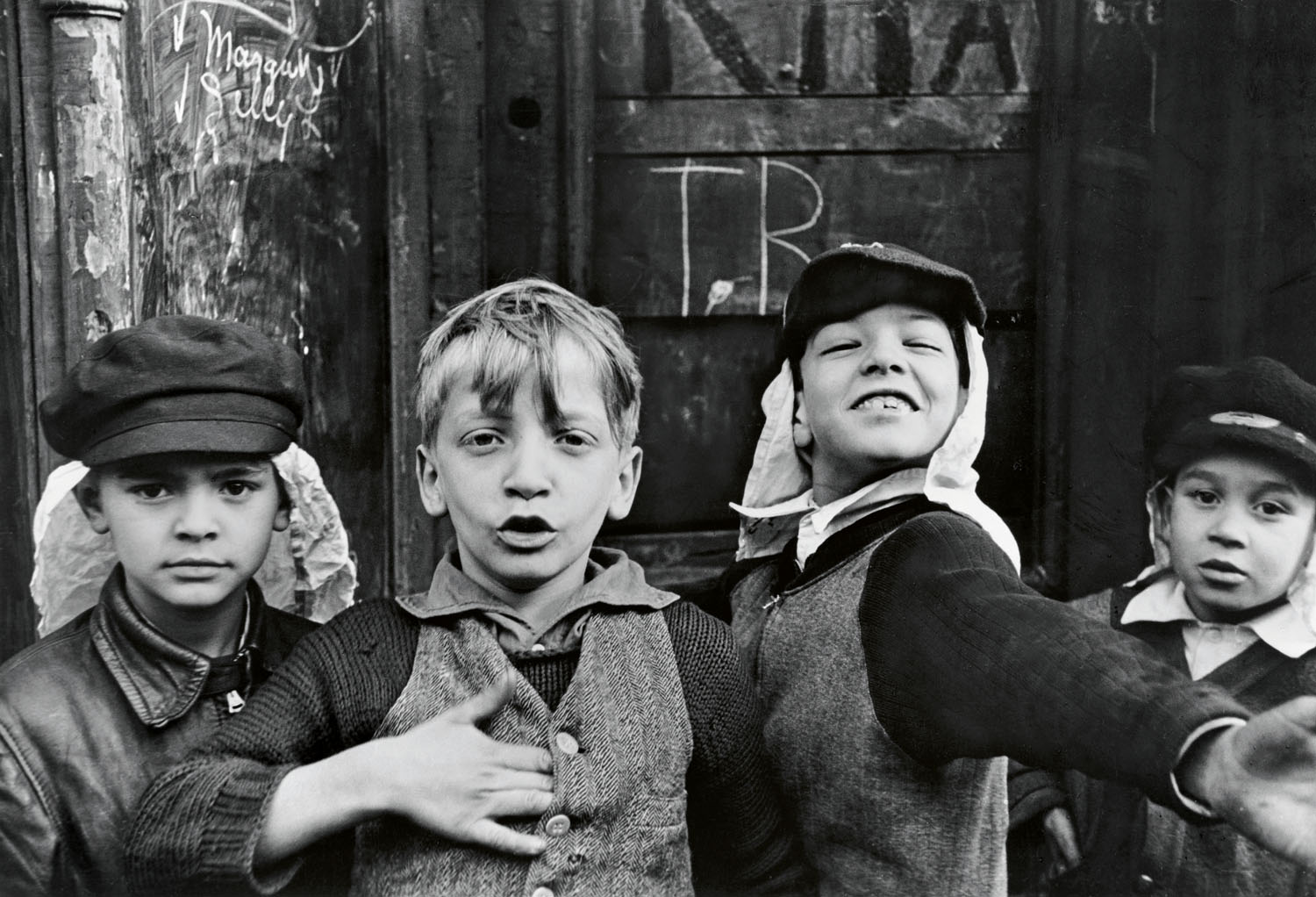
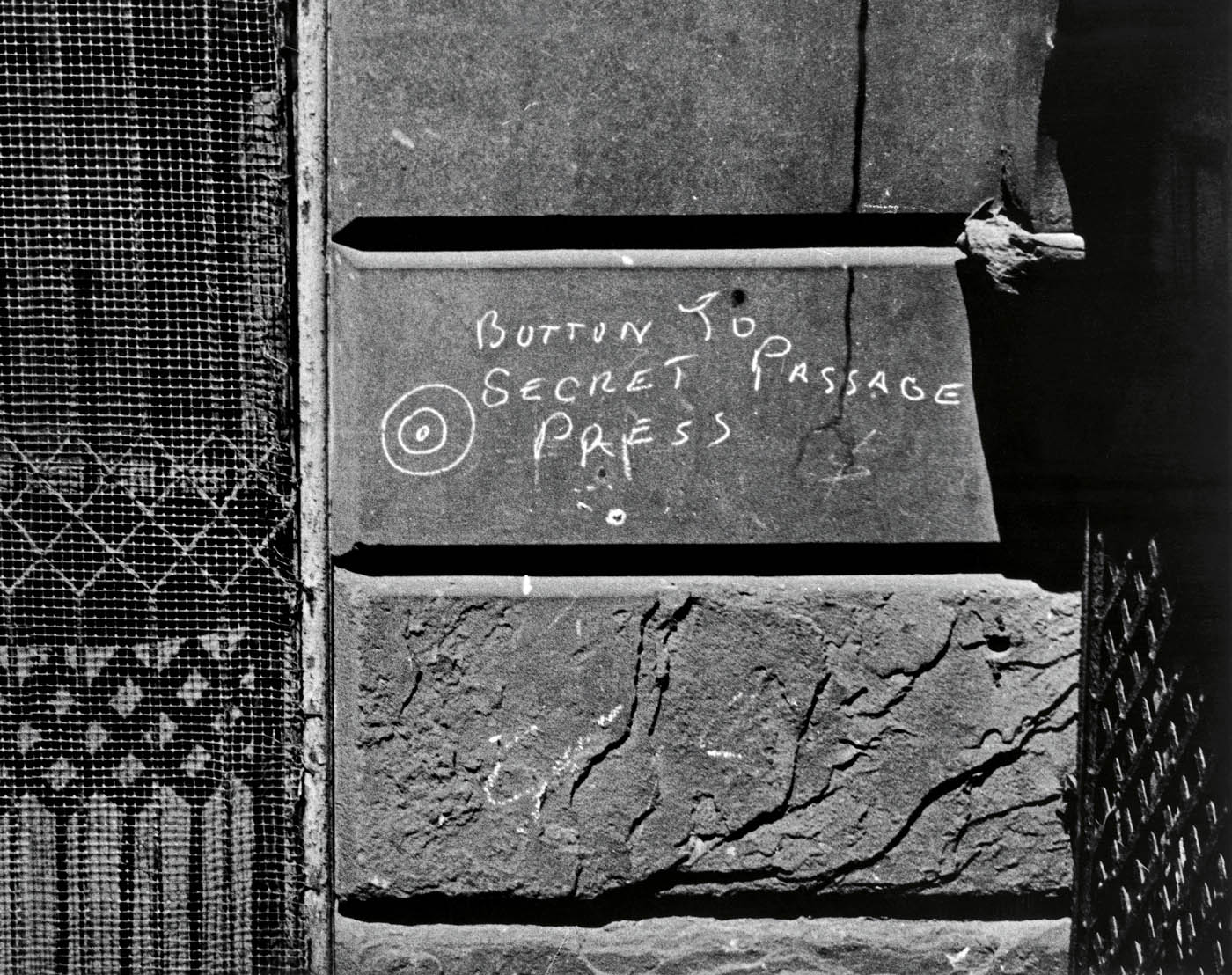
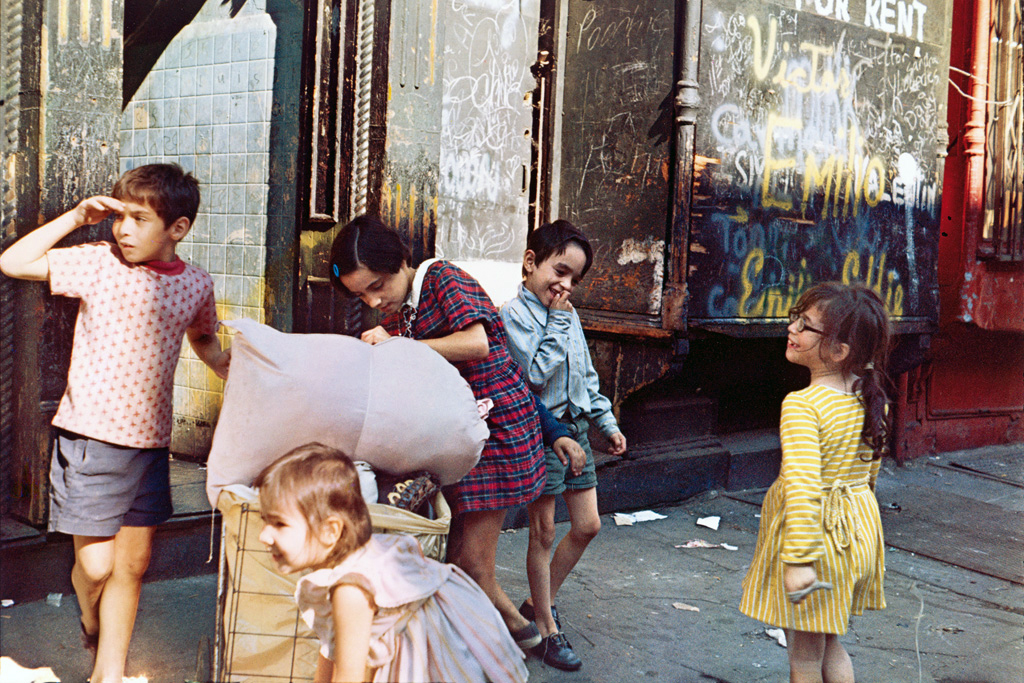
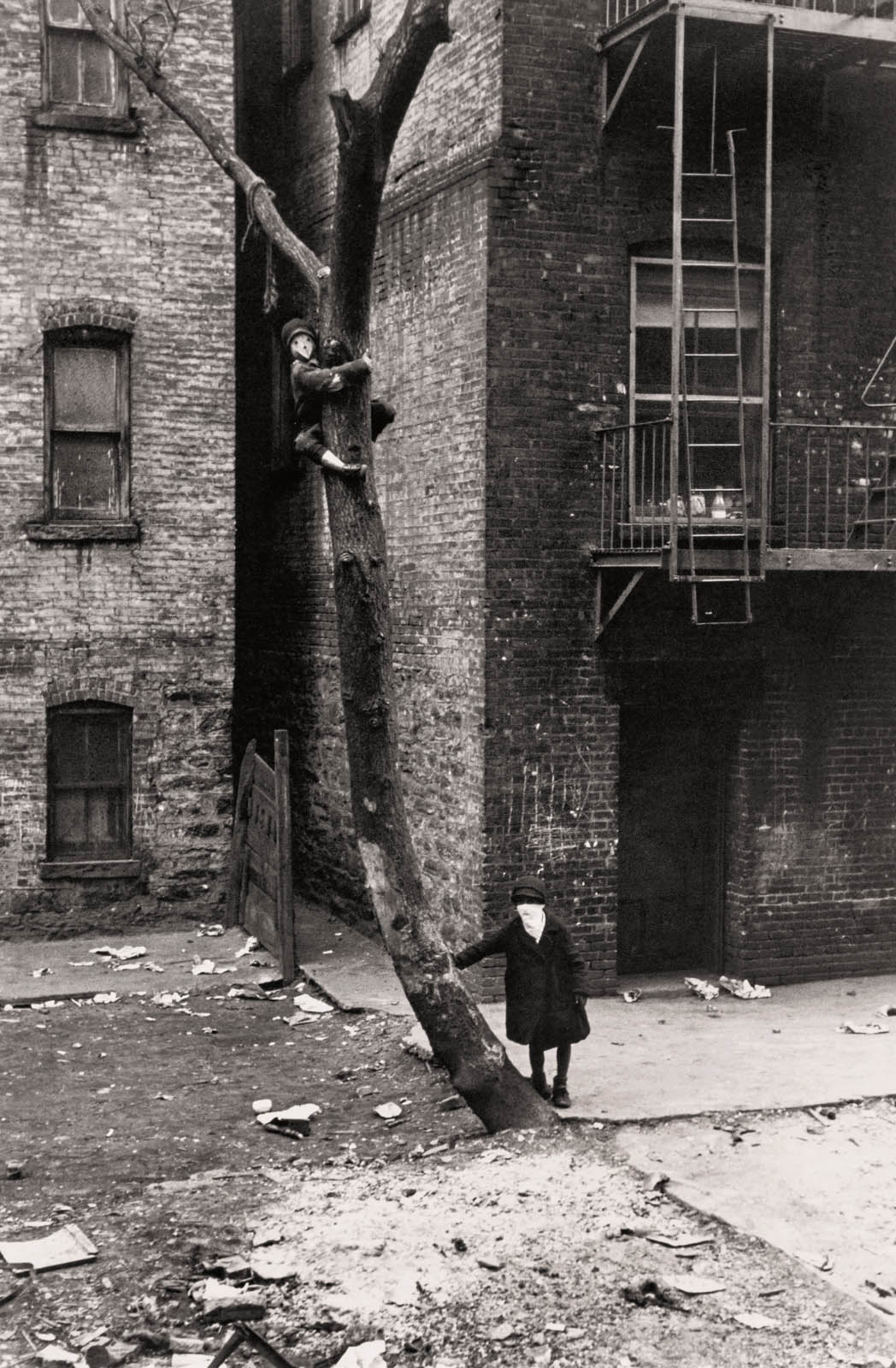
From the late 1930s through the 1940s, Levitt produced the body of work for which she is best known: lyrical, formally accomplished photographs of children playing in the streets of New York. Her images of children at play — leaping, tumbling, masquerading in masks and costumes, staging elaborate games whose rules are known only to the players — capture the inventiveness and anarchic freedom of childhood with a warmth and precision that have never been surpassed. She also photographed the chalk drawings that children made on the sidewalks and walls of their neighbourhoods, recognising in these ephemeral, anonymous works a form of folk art that deserved to be recorded before it was washed away by the next rain.
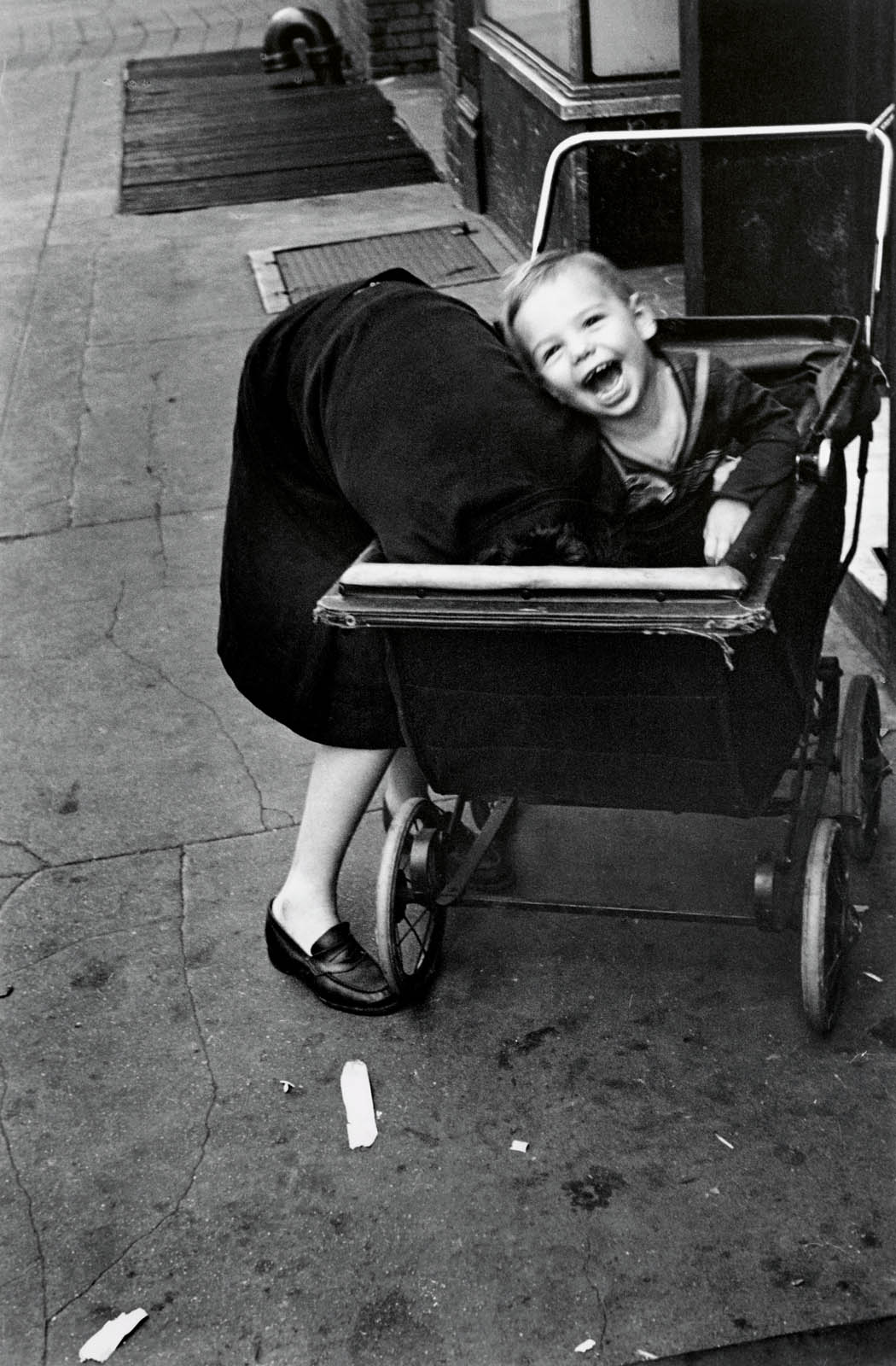
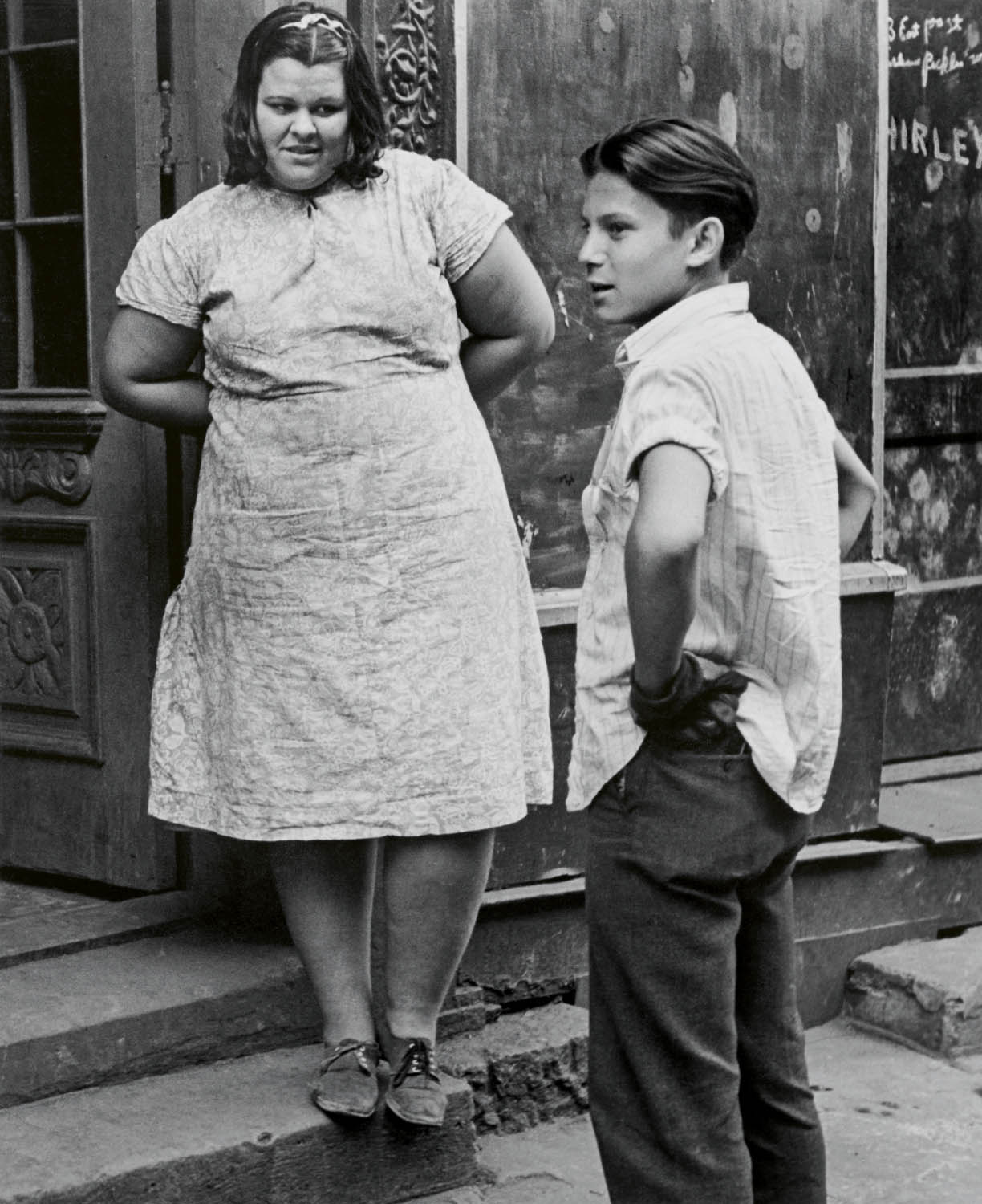
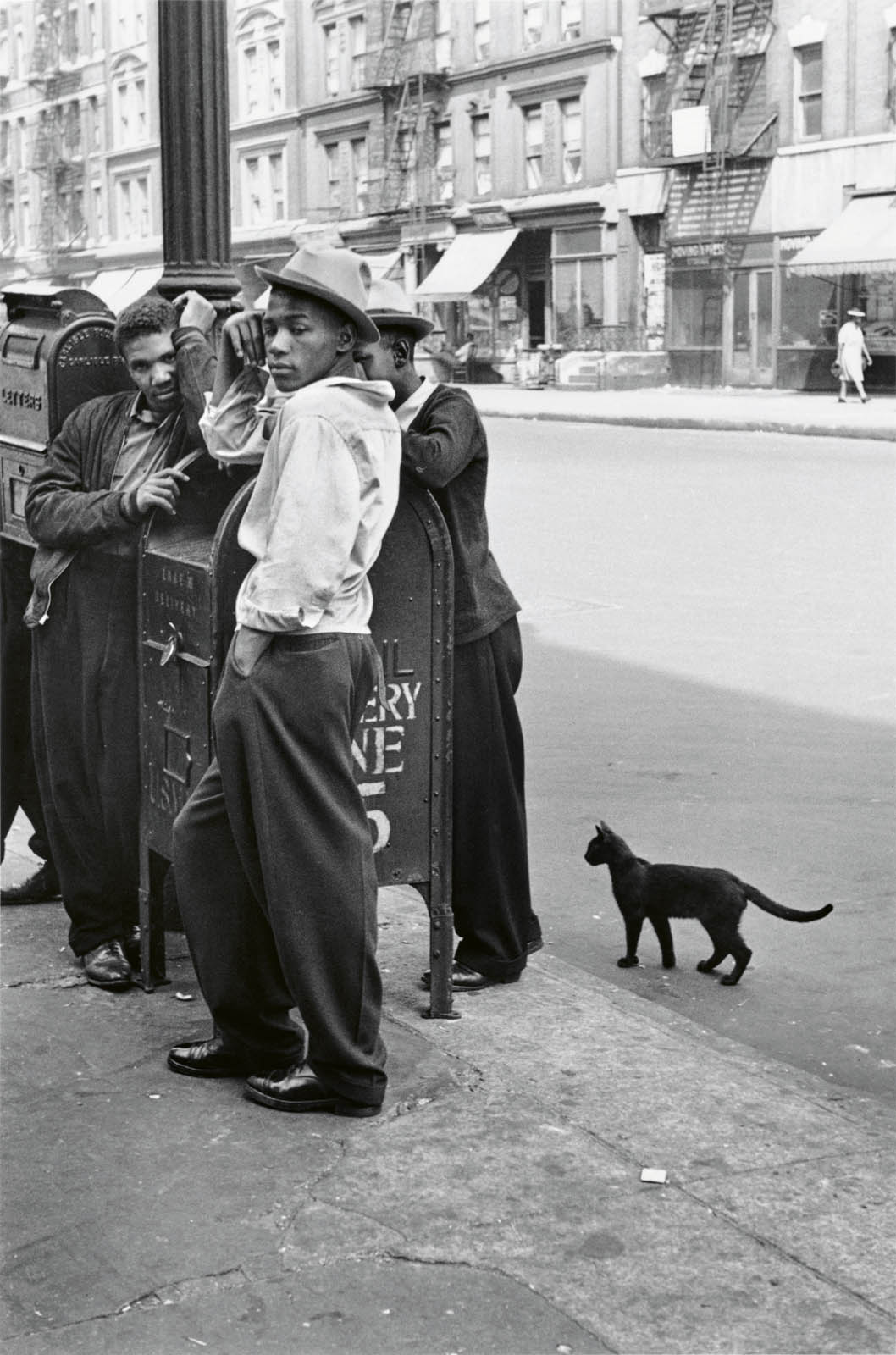
Levitt's photographs are often described as lyrical, and the word is precisely chosen. Her images possess a quality that is closer to poetry than to prose — an economy of means, a sensitivity to rhythm and gesture, a capacity to suggest depths of feeling through the simplest of visual incidents. A child caught mid-leap, a woman resting on a doorstep, a group of teenagers lounging on a fire escape — in Levitt's photographs, these commonplace moments acquire a resonance that transcends their immediate context. She photographed with an almost invisible presence, using a right-angle viewfinder on her Leica that allowed her to photograph without being noticed, preserving the naturalness and spontaneity of the scenes she observed.
In the late 1940s, Levitt turned briefly to filmmaking, collaborating with James Agee and Janice Loeb on In the Street (1948/1952), a short documentary film that captured the life of East Harlem with the same lyrical intensity as her photographs. She also worked as an editor on several documentary films, but photography remained her primary medium, and she returned to it with renewed commitment in the 1960s.
Beginning in the early 1960s, Levitt began working in colour, using Kodachrome slide film to photograph the same New York streets she had documented in black and white. Her colour work, which remained largely unpublished until the 1990s, revealed a new dimension of her vision. The colours of the city — the painted facades of tenement buildings, the bright clothing of passersby, the vivid signage of shops and bodegas — added a richness and warmth to her images that complemented rather than replaced the formal elegance of her earlier black-and-white work. When her colour photographs were finally exhibited and published, they were hailed as among the most accomplished colour street photographs ever made, standing alongside the work of William Eggleston and Saul Leiter.
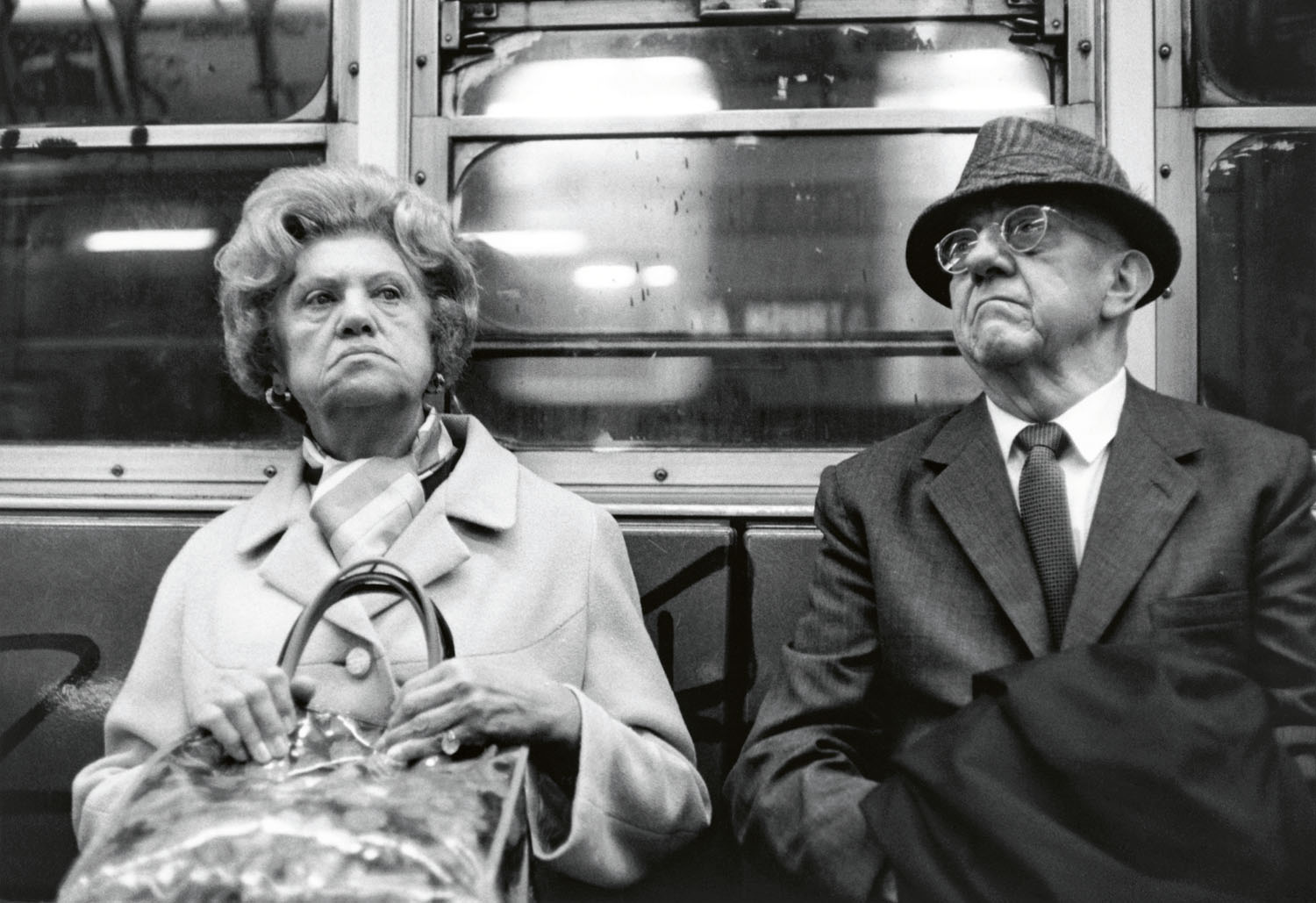
In 1970, Levitt suffered a devastating burglary in which many of her colour transparencies were stolen, a loss that represented years of irreplaceable work. She responded with characteristic resilience, continuing to photograph the streets of New York well into her nineties. Her work was recognised with a Guggenheim Fellowship in 1959 and 1960, and she received numerous awards and retrospectives in her later years, including exhibitions at the Metropolitan Museum of Art, the Museum of Modern Art, and the International Center of Photography. She died in 2009 at the age of ninety-five, having produced a body of work that remains one of the most cherished and enduring achievements in the history of street photography.
Levitt's legacy is that of an artist who proved that the most profound truths about human experience could be found not in the extraordinary but in the ordinary — in the play of children, in the postures of people on doorsteps, in the fleeting gestures of life as it is lived on the streets. Her photographs do not argue or explain; they simply show, with a grace and precision that make the world seem more alive, more full of possibility, than we had noticed before.